TAAT e-catalog
for
government
https://e-catalogs.taat-africa.org/gov/technologies/silage-production-from-sweet-potato-vines-and-tubers
Fodder Enrichment for Thriving Livestock
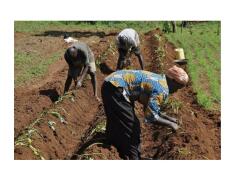
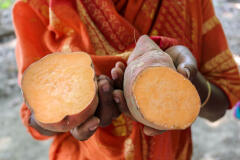
Silage production from sweet potato vines and tubers is a valuable agricultural innovation that efficiently converts underutilized resources into high-quality animal fodder. This technology not only prevents resource wastage under unfavorable conditions but also bridges gaps in animal feed availability for farmers. The fermentation process enhances digestibility, preserving essential nutrients and making it an excellent complement to traditional feeds. By including sweet potato silage in animal rations, livestock can grow rapidly due to its rich nutrient content, ensuring they remain satiated and maintain good health. This approach is particularly beneficial for both small-scale and commercial farmers, offering sustainable and cost-effective solutions to their livestock feeding needs.
This technology is TAAT1 validated.
Adults 18 and over: Positive high
The poor: Positive medium
Under 18: Positive low
Women: Positive low
Climate adaptability: Moderately adaptable
Farmer climate change readiness: Moderate improvement
Biodiversity: Positive impact on biodiversity
Carbon footprint: A bit less carbon released
Environmental health: Greatly improves environmental health
Soil quality: Does not affect soil health and fertility
Water use: Same amount of water used
The silage production technology can empower both genders by providing a sustainable solution for livestock feeding. It reduces greenhouse gas emissions by converting underutilized resources into high-quality fodder. This technology contributes to several SDGs, including Zero Hunger, Responsible Consumption and Production, No Poverty, and Decent Work and Economic Growth. Here's how to implement it:
Communication support for the technology should be developed (flyers, videos, radio broadcasts, etc.)
To implement the technology in your country, you could collaborate with agricultural development institutes.
Scaling Readiness describes how complete a technology's development is and its ability to be scaled. It produces a score that measures a technology's readiness along two axes: the level of maturity of the idea itself, and the level to which the technology has been used so far.
Each axis goes from 0 to 9 where 9 is the “ready-to-scale” status. For each technology profile in the e-catalogs we have documented the scaling readiness status from evidence given by the technology providers. The e-catalogs only showcase technologies for which the scaling readiness score is at least 8 for maturity of the idea and 7 for the level of use.
The graph below represents visually the scaling readiness status for this technology, you can see the label of each level by hovering your mouse cursor on the number.
Read more about scaling readiness ›
Semi-controlled environment: prototype
Used by some intended users, in the real world
| Maturity of the idea | Level of use | |||||||||
| 9 | ||||||||||
| 8 | ||||||||||
| 7 | ||||||||||
| 6 | ||||||||||
| 5 | ||||||||||
| 4 | ||||||||||
| 3 | ||||||||||
| 2 | ||||||||||
| 1 | ||||||||||
| 1 | 2 | 3 | 4 | 5 | 6 | 7 | 8 | 9 | ||
| Country | Testing ongoing | Tested | Adopted |
|---|---|---|---|
| Kenya | –No ongoing testing | Tested | Adopted |
| Mozambique | –No ongoing testing | Tested | Adopted |
| Uganda | –No ongoing testing | Tested | Adopted |
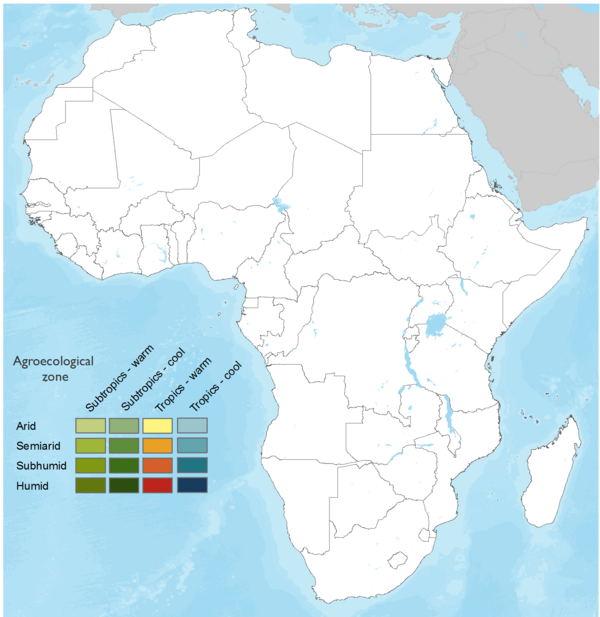
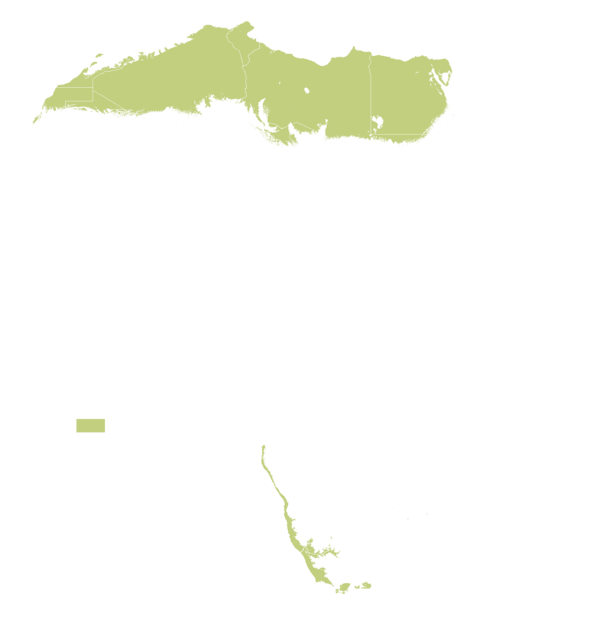
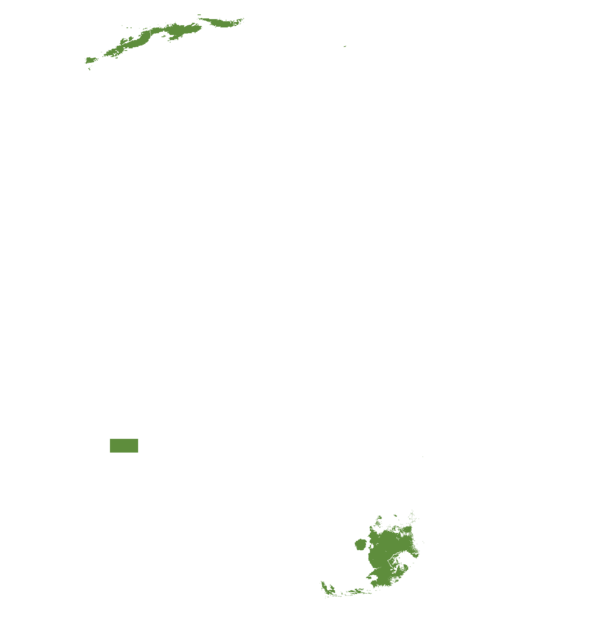
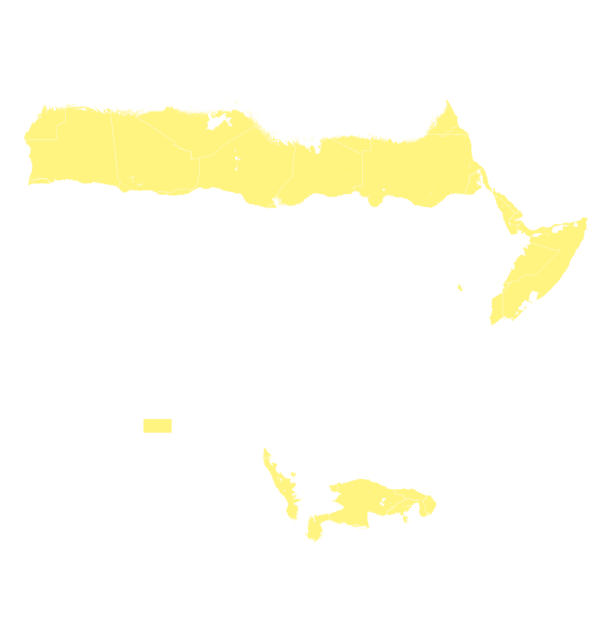
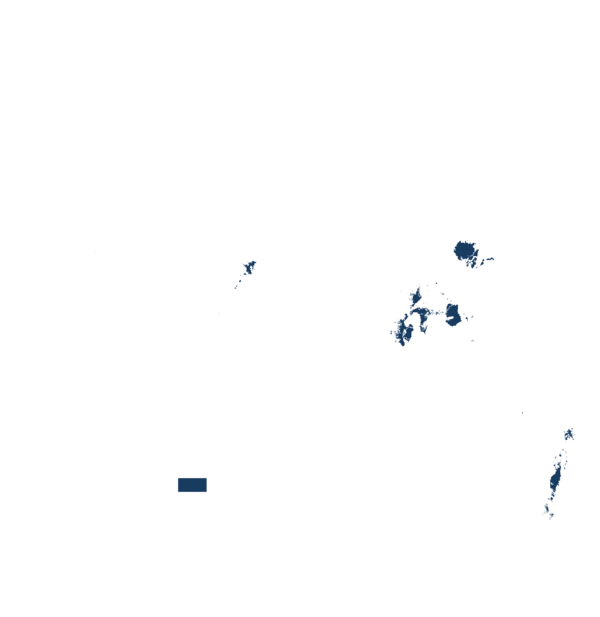
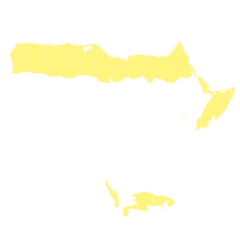
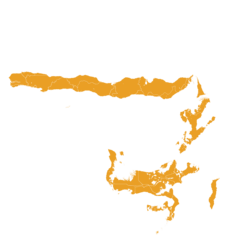
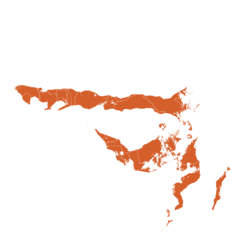
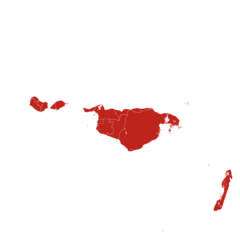
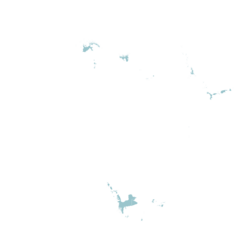
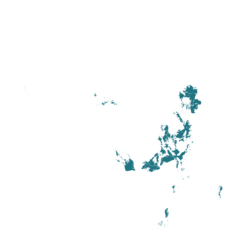
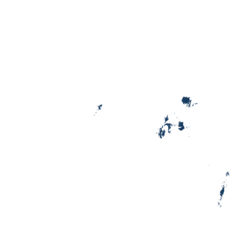
This technology can be used in the colored agro-ecological zones. Any zones shown in white are not suitable for this technology.






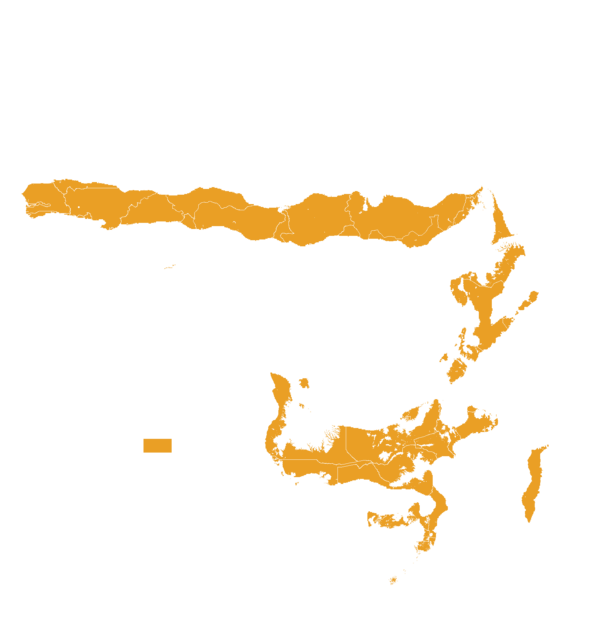
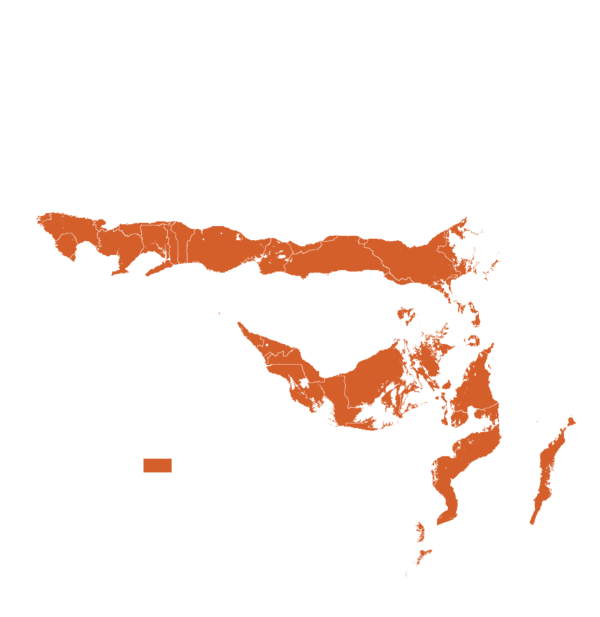

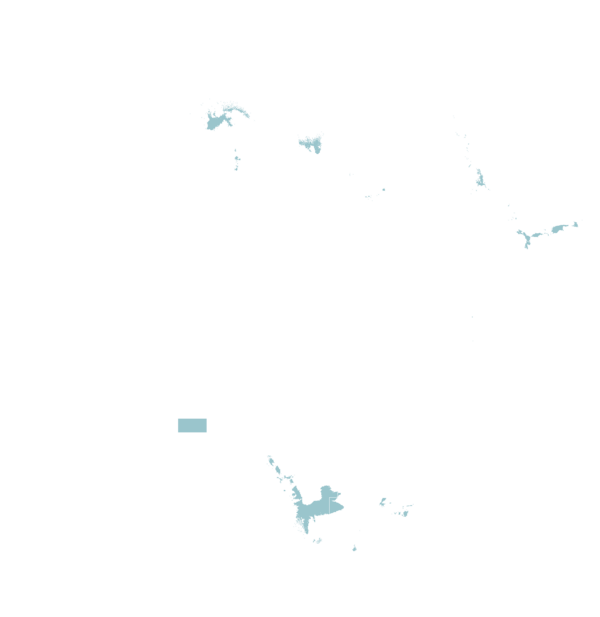

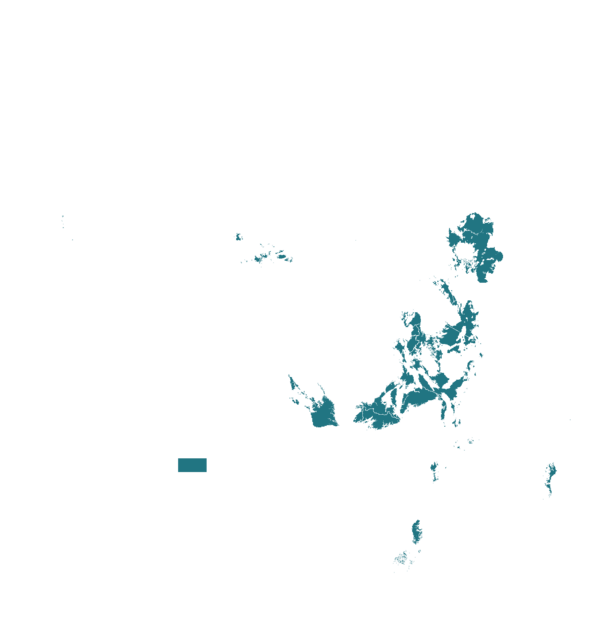
| AEZ | Subtropic - warm | Subtropic - cool | Tropic - warm | Tropic - cool |
|---|---|---|---|---|
| Arid | ||||
| Semiarid | ||||
| Subhumid | ||||
| Humid |
Source: HarvestChoice/IFPRI 2009
The United Nations Sustainable Development Goals that are applicable to this technology.
Here are the procedures for silage production from sweet potato vines and tubers:
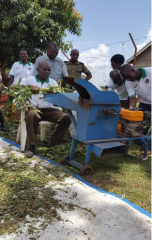
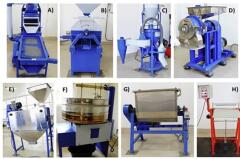
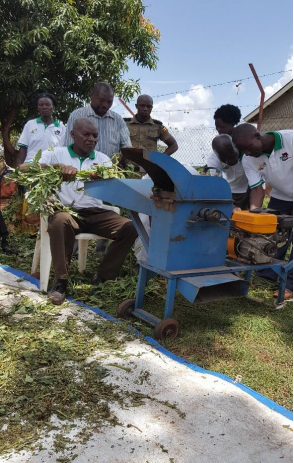
1. Cutting and Chipping: Begin by cutting the vines and chipping the tubers into suitable sizes. While this can be done by hand, using an electric chipper is more efficient for processing larger quantities of feedstock.
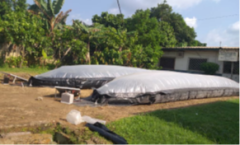
2. Choice of Silo: Select the type of silo you want to use based on your specific needs. Options include 'bag silos,' which involve compressing silage into sealed tubes, 'stack silos' where silage is piled into mounds, and 'trench silos' that are pits of up to 2 meters deep.
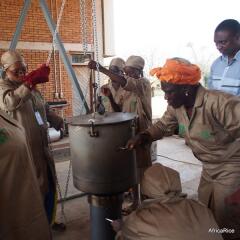
3. Compaction: Compact the silage using a metal drum fitted with tubes for air and water drainage. People and weights can be used to push down the feedstock. Alternatively, you can opt for medium to large-sized mechanized press systems, which are suitable for larger-scale operations and can be powered by grid electricity or generators.
4. Storage Adaptation: Ensure that the size and means of storage are adapted to your specific context, whether you are a subsistence or commercial farmer. This step is crucial for preserving the quality of the silage.
5. Feeding Considerations: Once the silage has been opened, it should be fed to livestock within a short period to prevent spoilage. Proper adaptation of storage methods helps manage this effectively.
Last updated on Sep 23, 2026
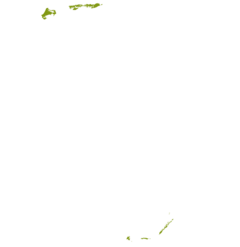
This technology can be used in the colored agro-ecological zones.










Silage production from sweet potato vines and tubers
https://e-catalogs.taat-africa.org/gov/technologies/silage-production-from-sweet-potato-vines-and-tubers
Last updated on 23 September 2026, printed on Sep 24, 2026
Enquiries e-catalogs@taat.africa