TAAT e-catalog
for
government
https://e-catalogs.taat-africa.org/gov/technologies/grainmate-grain-moisture-meter

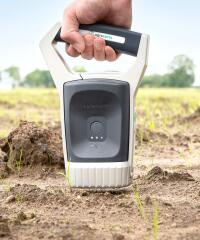
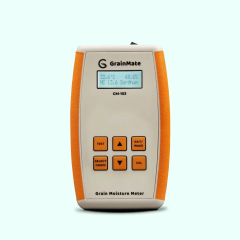
Control the moisture content of grains and reduce post-harvest losses.
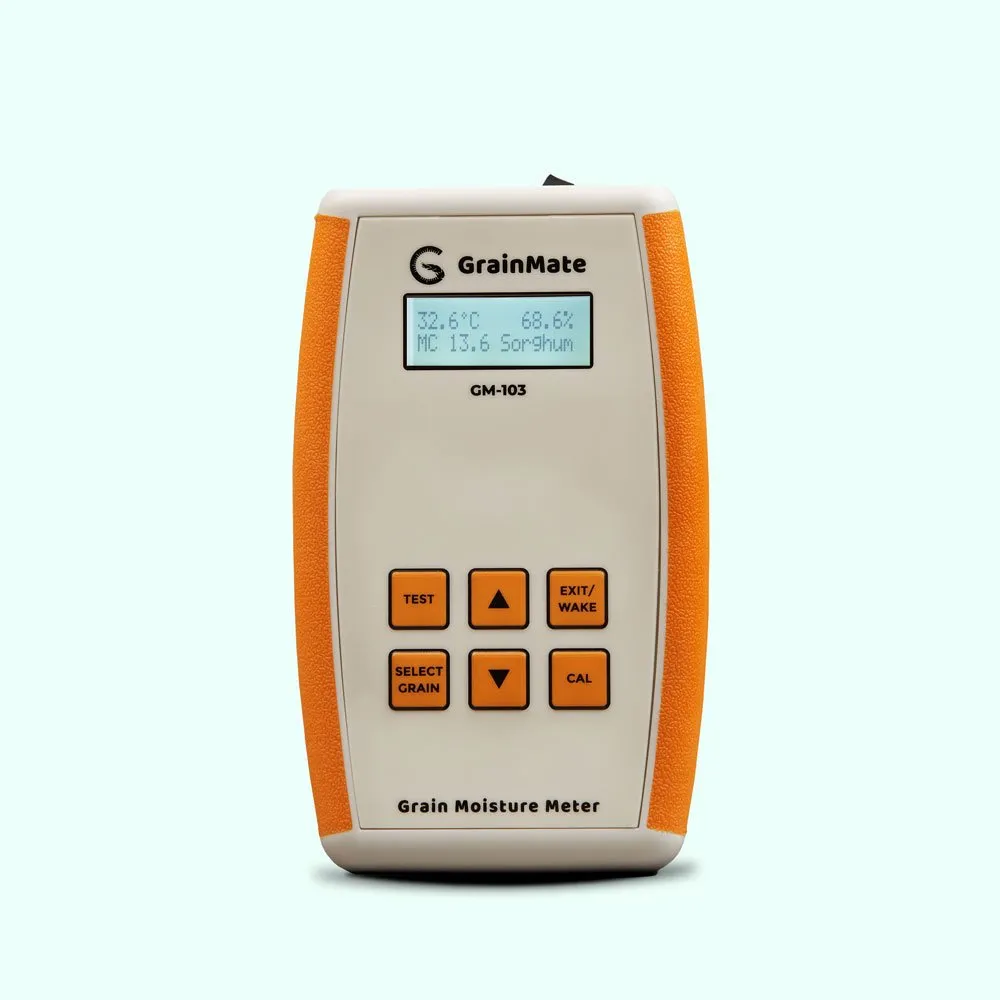
The Grain Moisture Meter is a valuable tool for African farmers, helping them accurately measure grain moisture to prevent mold and post-harvest losses. Ministries of Agriculture, extension services, and food safety agencies can use this technology to support farmers by ensuring quality control, providing better storage advice, and enforcing market standards. Extension officers can train farmers on proper grain management, while regulatory bodies can maintain fair trade practices. This affordable and easy-to-use device enhances food security, improves market value, and reduces post-harvest losses at farmer and country levels.
This technology is pre-validated.
Adults 18 and over: Positive high
The poor: Positive high
Under 18: Positive high
Women: Positive high
Climate adaptability: Highly adaptable
Carbon footprint: Same amount of carbon released
Environmental health: Does not improve environmental health
Soil quality: Does not affect soil health and fertility
The GrainMate Moisture Meter stands out as a tool addressing challenges in traditional grain moisture measurement. It not only enhances efficiency in agriculture but also aligns with global sustainability goals, promoting responsible farming practices and ensuring a more resilient and equitable future for grain post harvest management.
To incorporate this technology into your project adhere to the following guidelines:
Assess the quantity of GrainMate Moisture Meters required for your project, taking into account a technology cost ranging from USD 45-60 per device.
Consider the technology's location (Kenya, Rwanda, Ghana, Nigeria, Malawi, Zimbabwe) and factor in the delivery cost to the project site, including potential expenses related to import clearance and duties.
Training is crucial for effective utilization. Enlist a team of trainers to provide comprehensive training and post-training support during the implementation of the technology. Include the associated costs in your project plan.
Communication support for the technology should be developed (flyers, videos, radio broadcasts, etc.)
To implement the technology in your country, you could collaborate with agricultural development institutes and agro-dealers.
Scaling Readiness describes how complete a technology's development is and its ability to be scaled. It produces a score that measures a technology's readiness along two axes: the level of maturity of the idea itself, and the level to which the technology has been used so far.
Each axis goes from 0 to 9 where 9 is the “ready-to-scale” status. For each technology profile in the e-catalogs we have documented the scaling readiness status from evidence given by the technology providers. The e-catalogs only showcase technologies for which the scaling readiness score is at least 8 for maturity of the idea and 7 for the level of use.
The graph below represents visually the scaling readiness status for this technology, you can see the label of each level by hovering your mouse cursor on the number.
Read more about scaling readiness ›
Uncontrolled environment: tested
Common use by projects NOT connected to technology provider
| Maturity of the idea | Level of use | |||||||||
| 9 | ||||||||||
| 8 | ||||||||||
| 7 | ||||||||||
| 6 | ||||||||||
| 5 | ||||||||||
| 4 | ||||||||||
| 3 | ||||||||||
| 2 | ||||||||||
| 1 | ||||||||||
| 1 | 2 | 3 | 4 | 5 | 6 | 7 | 8 | 9 | ||
| Country | Testing ongoing | Tested | Adopted |
|---|---|---|---|
| Ghana | –No ongoing testing | Tested | Adopted |
| Kenya | –No ongoing testing | Tested | –Not adopted |
| Malawi | –No ongoing testing | Tested | Adopted |
| Nigeria | –No ongoing testing | Tested | Adopted |
| Rwanda | –No ongoing testing | Tested | –Not adopted |
| Zimbabwe | –No ongoing testing | Tested | –Not adopted |
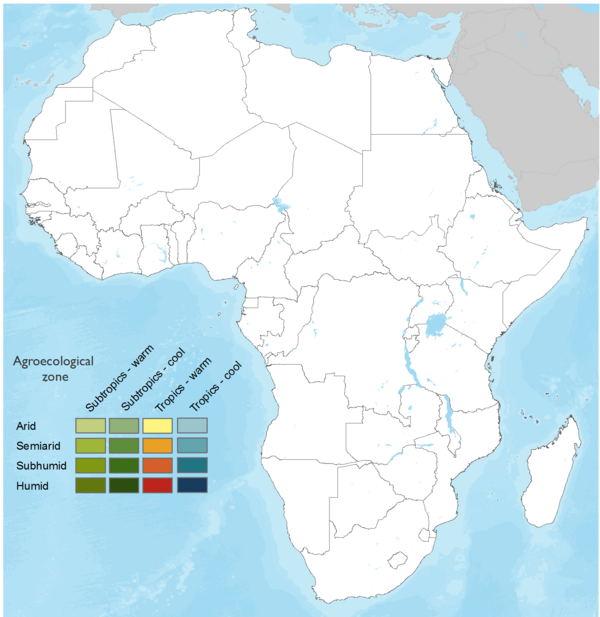
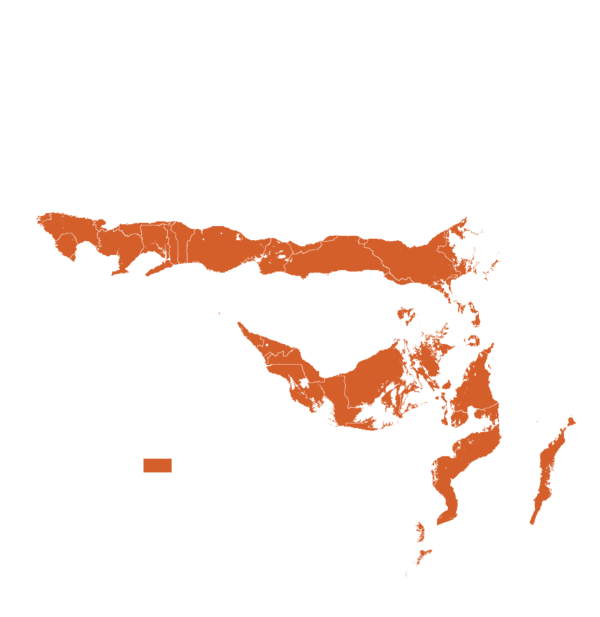
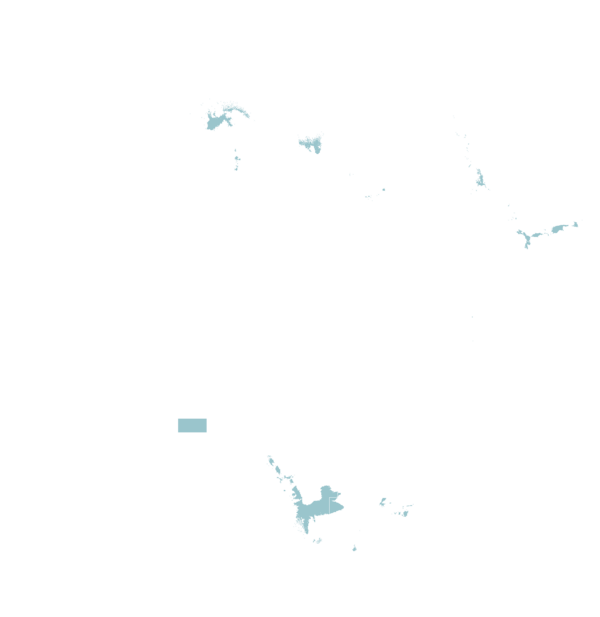
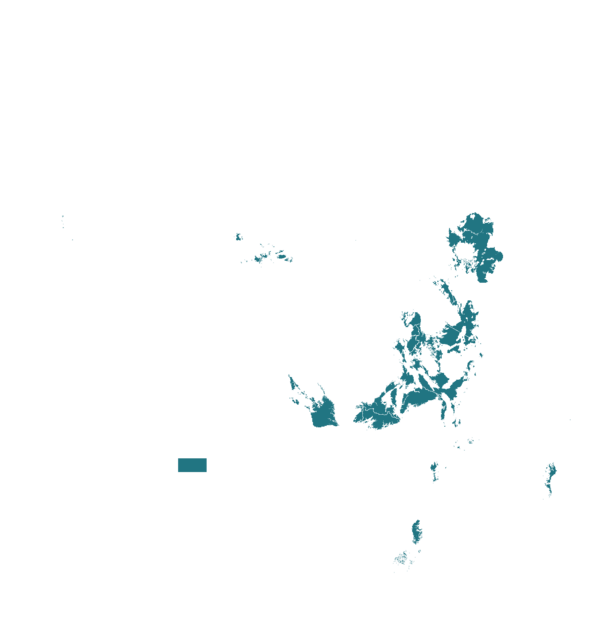
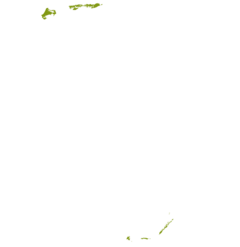
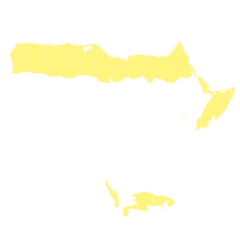
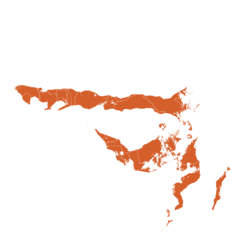
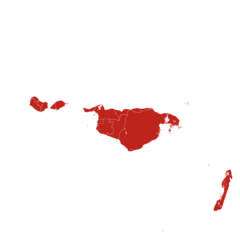
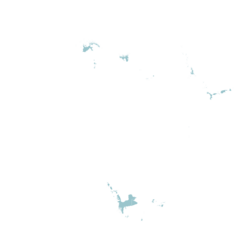
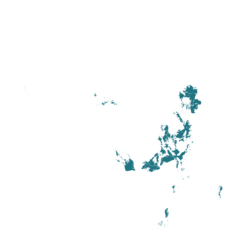
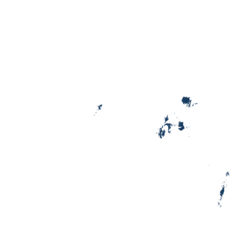
This technology can be used in the colored agro-ecological zones. Any zones shown in white are not suitable for this technology.
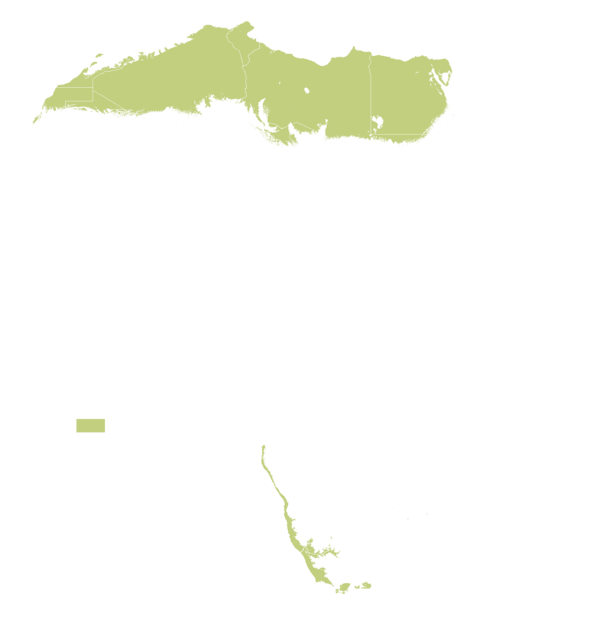




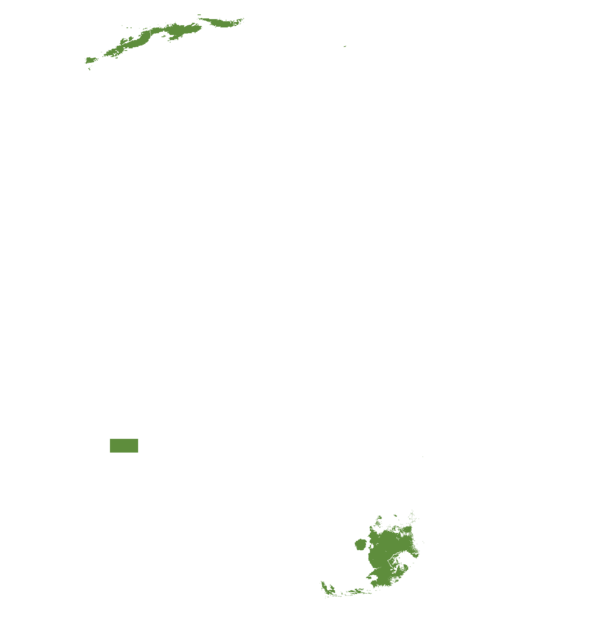


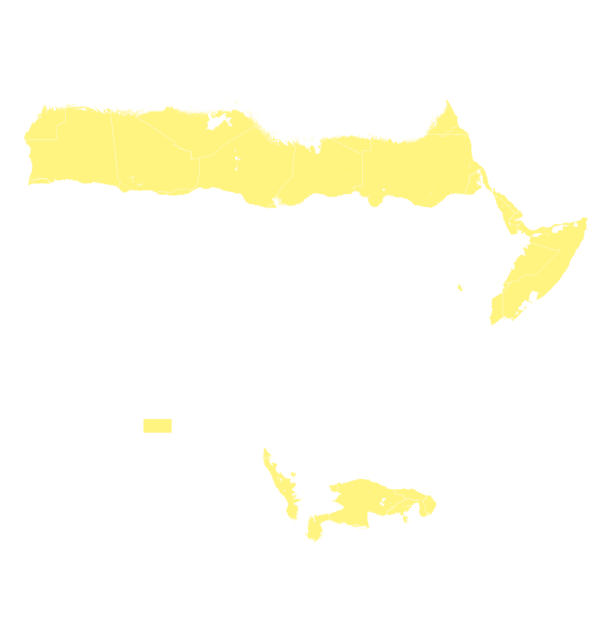
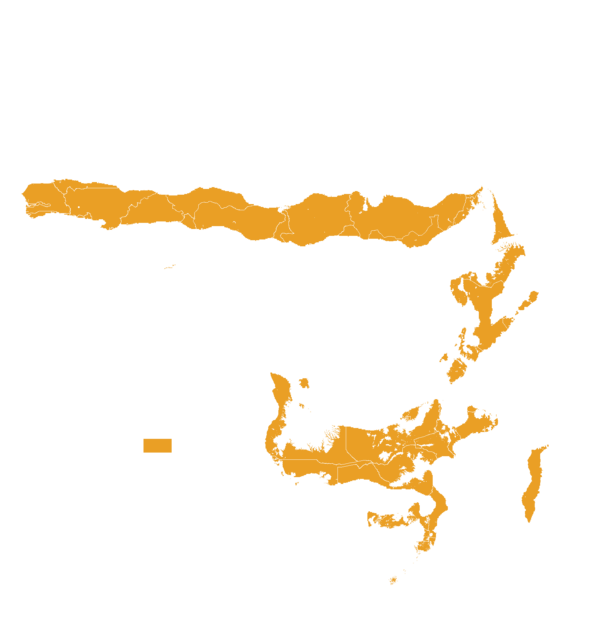



| AEZ | Subtropic - warm | Subtropic - cool | Tropic - warm | Tropic - cool |
|---|---|---|---|---|
| Arid | ||||
| Semiarid | ||||
| Subhumid | ||||
| Humid |
Source: HarvestChoice/IFPRI 2009
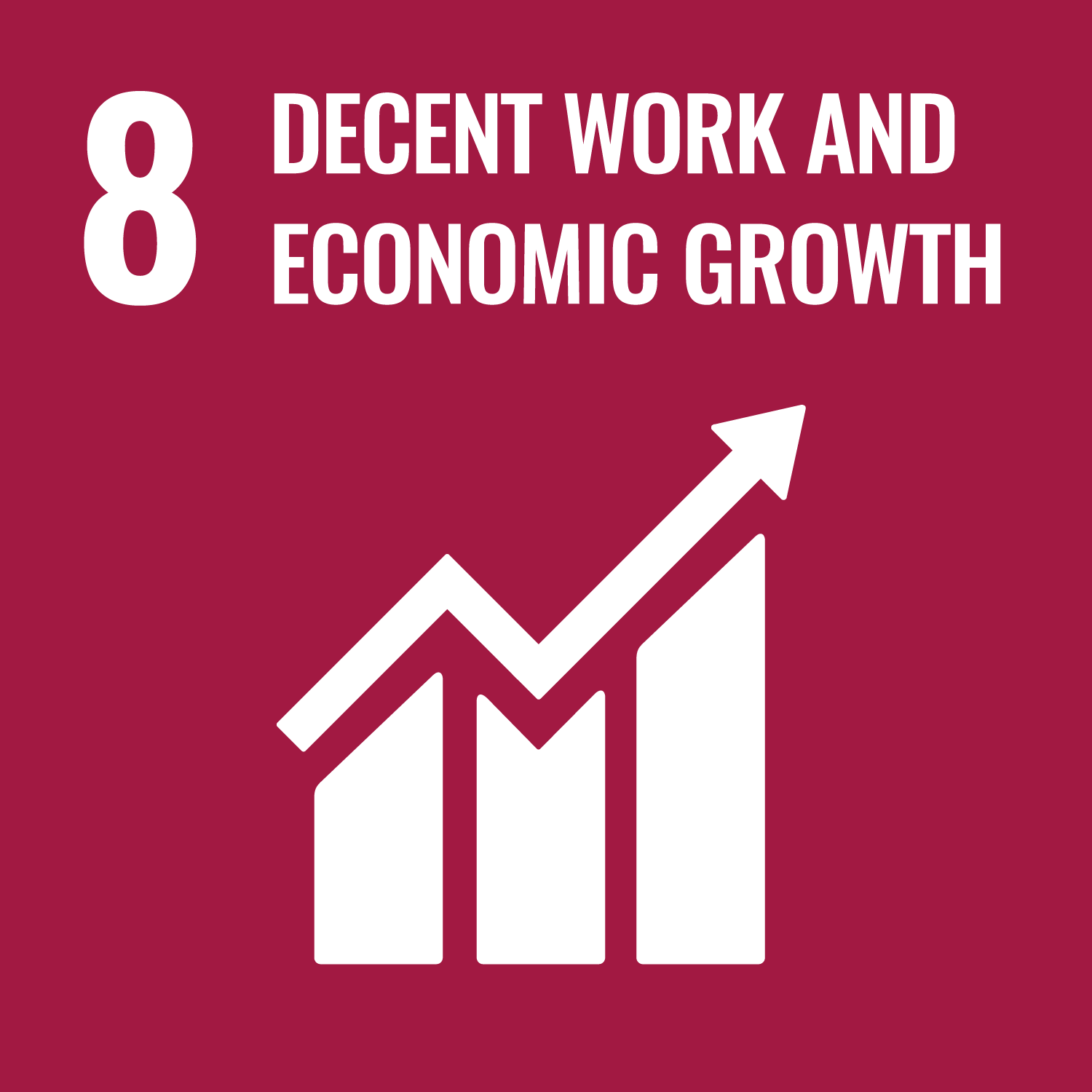
The United Nations Sustainable Development Goals that are applicable to this technology.

Last updated on Sep 21, 2026
This technology can be used in the colored agro-ecological zones.










GrainMate: Grain Moisture Meter
https://e-catalogs.taat-africa.org/gov/technologies/grainmate-grain-moisture-meter
Last updated on 21 September 2026, printed on Sep 24, 2026
Enquiries e-catalogs@taat.africa