Logo
TAAT e-catalog for Development partners
https://e-catalogs.taat-africa.org/org/technologies/provisiongard-insect-blocking-package-technology
Request information View pitch brochure

ProvisionGard™: Insect - Blocking Package Technology

ProvisionGard™ : Protects your products, protect your brand.

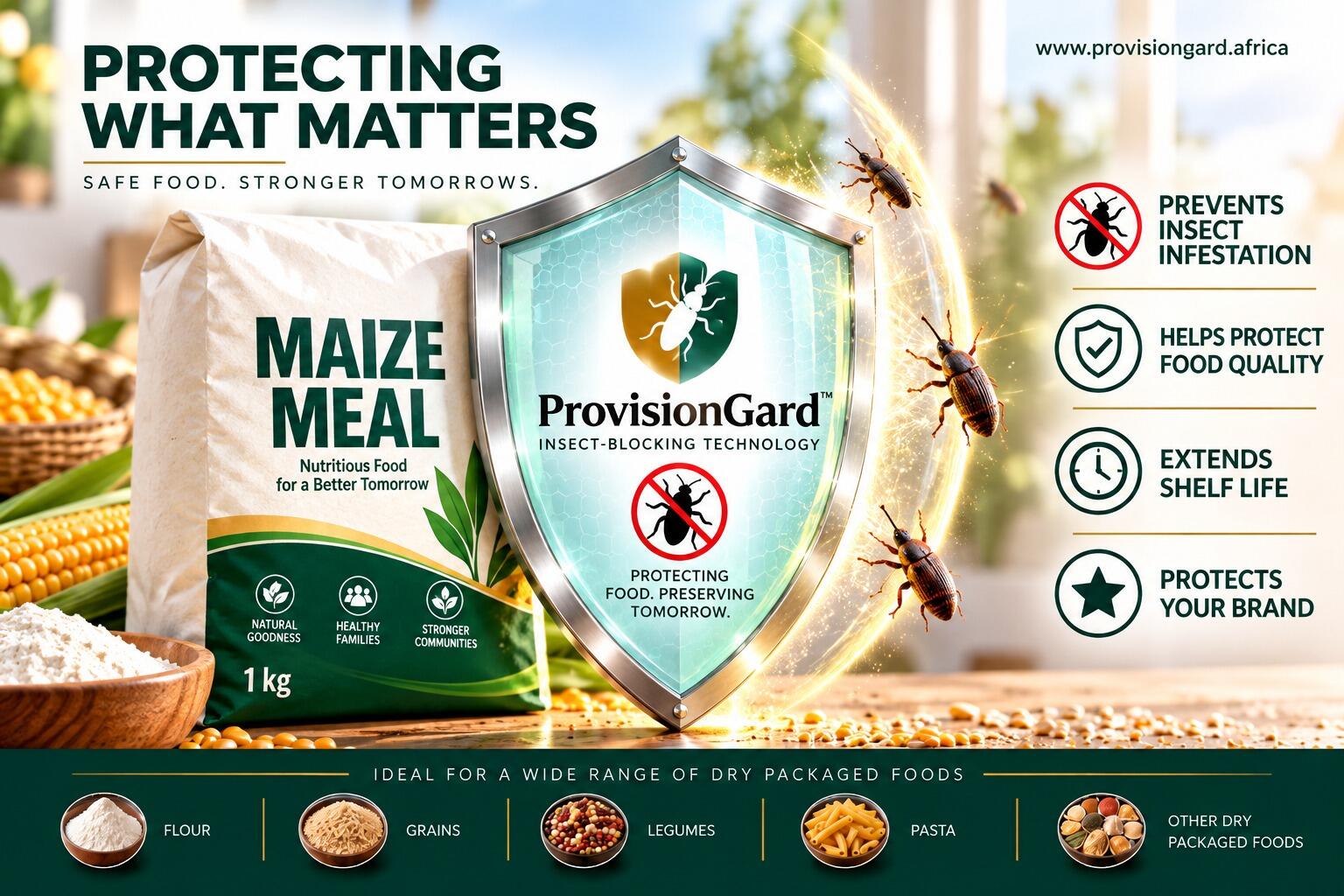
ProvisionGard™ is an integrated postharvest food protection technology that incorporates an insect growth regulator (IGR) into the outer layer of food packaging to prevent stored-product insects from developing inside packaged dry foods. It can be used for grains, flour, rice, cereals, pasta and other dry food products exposed to infestation during warehousing, distribution, retail and household storage. The technology is designed to integrate into existing packaging and food-processing systems without cold-chain infrastructure, re-treatment, major changes to filling operations or changes in consumer behaviour. By providing protection throughout the packaged product’s shelf life, ProvisionGard™ can help reduce infestation-related food losses, protect the value of processed foods and improve supply-chain efficiency. The provider reports commercial evidence from Kenya in which treated maize flour packets showed zero infestation during a six-month trial, compared with persistent infestation in untreated packets from month five. The provider also reports a more than 50% extension in usable shelf life.
This technology is pre-validated.

8•8

Scaling readiness: idea maturity 8/9; level of use 8/9

Positive impacts: 12

Intersectional group Positive impacts
Low-income women entrepreneurs in climate-vulnerable food supply chains
  • Loss reduction: Reduces insect-related spoilage, rejected stock and returns, helping protect limited business resources.
  • Income protection: Helps preserve the value of processed food products and reduce avoidable financial losses.
  • Operational simplicity: Provides protection without requiring major changes to existing filling, storage or distribution practices.
Youth entrepreneurs in climate-vulnerable food supply chains
  • Business resilience: Reduces inventory losses and helps young businesses protect their working capital.
  • Market opportunity: Creates opportunities for youth-led food-processing, packaging and distribution businesses to adopt or supply improved packaging solutions.
  • Low infrastructure needs: Can be integrated into existing operations without major investment in new equipment or cold-chain infrastructure.
Low-income and resource-constrained food businesses and households
  • Food retention: Helps prevent packaged staple foods from being discarded because of insect infestation.
  • Household savings: Helps protect the value of food purchased by households by reducing infestation-related waste.
  • Accessible protection: Provides continuous protection without requiring cold storage or repeated treatment.
Climate-vulnerable food-system actors
  • Storage protection: Helps protect packaged dry foods under warm and humid conditions that favour insect development.
  • Supply-chain resilience: Reduces vulnerability to insect-related losses during storage, distribution and retail.
  • Resource conservation: Preventing food loss helps retain the land, water, energy and agricultural inputs invested in producing that food.
More...

Climate adaptability: Highly adaptable

It performs effectively across diverse climatic conditions, including warm and humid environments, without requiring specific weather conditions or cold-chain infrastructure.

Water use: Much less water used

The technology helps reduce water wastage by preventing the loss of already produced food, avoiding the need to use additional water to replace discarded food.

Biodiversity: Not verified

No evidence is provided in the available technical documents on the technology’s direct impact on biodiversity.

Environmental health: Not verified

No evidence is provided in the available technical documents on the technology’s direct impact on environmental health.

Problem

  • Persistent postharvest losses: Staple foods can be lost after processing and packaging due to insect infestation during storage and distribution.
  • Loss of food already produced: Infestation undermines efforts to increase food production by causing losses further along the value chain.
  • Household food waste and reduced food access: Infested products may ultimately be discarded by consumers, wasting food and household expenditure.
  • Environmental costs of food loss: The land, water, energy and other resources invested in producing lost food are also wasted.
  • Limited effectiveness of food-system interventions: Gains from improved production can be partly undermined when food is subsequently lost during storage and distribution.

Solution

  • Food-loss reduction: ProvisionGard™ protects processed and packaged staple foods from insect infestation, helping reduce food losses further along the value chain.
  • Food retention: By preventing infestation, the technology helps more food that has already been produced and processed remain available for consumption.
  • Resilient food systems: ProvisionGard™ provides protection throughout storage, distribution, retail and household stages, helping strengthen the resilience of staple-food supply chains.
  • Scalable solution: The technology can be integrated into existing packaging and food-processing systems without major operational changes or changes in consumer behaviour.
  • Resource efficiency: By reducing food discarded because of insect infestation, ProvisionGard™ can help avoid wasting the land, water, energy and agricultural inputs embedded in lost food.
  • Affordable intervention: The provider reports a treatment cost of approximately USD 3.50 per 1,000 packets, offering a potentially affordable option for reducing infestation-related food losses.


Key points to design your program

ProvisionGard™ is an integrated postharvest food protection technology that reduces stored-product insect infestation in packaged staple foods and helps preserve food already produced and processed. It can be integrated into food security, postharvest loss reduction, sustainable food systems, and staple-food value-chain programmes, contributing to SDG 2 (Zero Hunger), SDG 8 (Decent Work and Economic Growth), SDG 12 (Responsible Consumption and Production), and SDG 13 (Climate Action).

To integrate this technology into your programme, plan and budget for the following activities and prerequisites:

  • Assess stored-product insect infestation, postharvest loss patterns, packaging systems, and priority staple-food value chains in the target areas.
  • Identify suitable food products and packaging systems for ProvisionGard™, including maize and wheat flour, rice, cereals, pasta, and other dry packaged foods.
  • Establish partnerships with ProvisionGard™, packaging manufacturers, millers, food processors, distributors, retailers, and relevant regulatory authorities to support testing, application, and scale-up.
  • Support local testing and validation of the treatment on intended packaging systems before commercial or programme-scale deployment, as recommended by the provider.
  • Support packaging manufacturers and converters to integrate the treatment into existing packaging production processes and enable food processors to use the treated packaging on existing filling lines.
  • Include awareness and training activities for packaging manufacturers, millers, food processors, distributors, and retailers on correct application, handling, storage, and use of treated packaging.
  • Promote the technology in programmes targeting food-loss reduction and food-system efficiency, particularly where packaged staple foods remain exposed to insect infestation during storage and distribution.
  • Track key indicators such as the number of treated packages, food products protected, infestation rates, product returns and losses, shelf-life performance, and the quantity of food retained for consumption.
  • Use the provider's reported commercial evidence from Kenya as a reference point for programme learning, while generating local evidence before wider scale-up. The reported trial covered 120,000 maize flour packets over six months and recorded zero infestation in treated packets during the monitoring period.
 

3.50 USD per 1,000 packets treated

Treatment costs

IP

Patent granted, Trademark

1. Product Identification & Chemical Nature
  • Product Name: ProvisionGard PGT IGR 30000/A Liquid Polymer Additive, formulated with a patented insect growth regulator for controlling stored-product insects in food packaging.
  • Chemical Name: Terpenes and terpenoids, limonene fractionated, polymer with terpenes and terpenoids.
  • CAS Number: 65733-16-6.
  • Composition: Active substance IGR 30000/A at 94% and impurities at ≤ 6%.
  • Regulatory Status: EPA registered (EPA Reg. No. 81390-2 and 81390-4) and compliant with FDA regulations for food contact under 40 CFR 180.1033.
2. Physical & Chemical Properties
  • Appearance & Odor: Clear, transparent amber liquid with a fruity odor.
  • Density & Specific Gravity: Specific gravity of 0.9211 to 0.93 at 25 °C (water = 1) and a bulk density of 0.9261 g/cm³ at 20 °C.
  • Boiling Point: 100 °C at 0.05 mm Hg (or 110 °C at 0.1 mm Hg / 386 °C at 760 mm Hg).
  • Vapor Pressure: 3.15 mPa (or 5.74 hPa) at 25 °C.
  • Viscosity: Similar to olive oil (< 100 cP at 20 °C).
  • Solubility: 0.515 ppm to 1.4 mg/L in water (practically insoluble), but completely miscible with all common organic solvents.
  • Flammability & Flash Point: Not flammable; flash point of 136 °C (Pensky Martens closed cup) or 187 °C (open cup).
3. Application & Processing
  • Target Packaging & Foods: Designed for dry food packaging (cereals, pet food, animal feed, rice, bird seed, flour, and bakery mixes) in multilayer bags, stand-up pouches, and film wrapping.
  • Solvent Addition Rate: Recommended dosage of 1% based on the % solids portion only, not the total batch weight of the adhesive.
  • Solventless Addition Rate: Added to the B (curative) side to equal 0.5% of the total batch mix.
  • Compatibility: Blends easily with all adhesive types with no separation over time.
4. Toxicological & Environmental Profile
  • Acute Toxicity: Low acute toxicity with oral LD50 (rat) > 34,000 mg/kg, dermal LD50 (rabbit) > 5,000 mg/kg, and inhalation LC50 (rat) = 5.19 mg/L.
  • Skin/Eye Irritation: Rated as essentially non-irritating to eyes and skin.
  • Ecotoxicity: Toxic to aquatic invertebrates and organisms, with a 96-hour LC50 of 0.76 mg/L for Rainbow Trout and a 48-hour LC50 of 0.36 mg/L for Daphnia magna.
  • Environmental Degradation: Rapidly degrades in sunlight and metabolizes in soil under aerobic and anaerobic conditions with a half-life of 10 to 14 days. It does not persist in soil or leach into groundwater.

Scaling Readiness describes how complete a technology's development is and its ability to be scaled. It produces a score that measures a technology's readiness along two axes: the level of maturity of the idea itself, and the level to which the technology has been used so far.

Each axis goes from 0 to 9 where 9 is the “ready-to-scale” status. For each technology profile in the e-catalogs we have documented the scaling readiness status from evidence given by the technology providers. The e-catalogs only showcase technologies for which the scaling readiness score is at least 8 for maturity of the idea and 7 for the level of use.

The graph below represents visually the scaling readiness status for this technology, you can see the label of each level by hovering your mouse cursor on the number.

Read more about scaling readiness ›

Scaling readiness score of this technology

Maturity of the idea 8 out of 9

Uncontrolled environment: tested

Level of use 8 out of 9

Used by some intended users, in the real world

Maturity of the idea Level of use
9
8
7
6
5
4
3
2
1
1 2 3 4 5 6 7 8 9

Positive impact 12

Intersectional group Positive impacts
Low-income women entrepreneurs in climate-vulnerable food supply chains
  • Loss reduction: Reduces insect-related spoilage, rejected stock and returns, helping protect limited business resources.
  • Income protection: Helps preserve the value of processed food products and reduce avoidable financial losses.
  • Operational simplicity: Provides protection without requiring major changes to existing filling, storage or distribution practices.
Youth entrepreneurs in climate-vulnerable food supply chains
  • Business resilience: Reduces inventory losses and helps young businesses protect their working capital.
  • Market opportunity: Creates opportunities for youth-led food-processing, packaging and distribution businesses to adopt or supply improved packaging solutions.
  • Low infrastructure needs: Can be integrated into existing operations without major investment in new equipment or cold-chain infrastructure.
Low-income and resource-constrained food businesses and households
  • Food retention: Helps prevent packaged staple foods from being discarded because of insect infestation.
  • Household savings: Helps protect the value of food purchased by households by reducing infestation-related waste.
  • Accessible protection: Provides continuous protection without requiring cold storage or repeated treatment.
Climate-vulnerable food-system actors
  • Storage protection: Helps protect packaged dry foods under warm and humid conditions that favour insect development.
  • Supply-chain resilience: Reduces vulnerability to insect-related losses during storage, distribution and retail.
  • Resource conservation: Preventing food loss helps retain the land, water, energy and agricultural inputs invested in producing that food.

Unintended impact 12

Intersectional group Unintended impacts Mitigation measures
Low-income women entrepreneurs in climate-vulnerable food supply chains

Access inequality: Women-led micro and small enterprises may have less access to suppliers offering treated packaging.

Cost pressure: Even a small increase in packaging costs may be significant for businesses operating on narrow margins.

Limited decision-making: Women working within larger supply chains may have limited influence over packaging procurement decisions.

Inclusive supply: Make treated packaging available through local suppliers and women’s business networks.

Cost transparency: Provide clear cost-benefit information and facilitate collective or bulk purchasing.

Inclusive procurement: Engage women entrepreneurs in packaging procurement and adoption decisions.

Youth entrepreneurs in climate-vulnerable food supply chains

Supplier access: Young businesses may lack established relationships with packaging manufacturers.

Financial pressure: Limited start-up capital may make higher packaging costs difficult to absorb.

Market concentration: Larger processors may adopt the technology more easily than small youth-led businesses.

Supplier linkages: Connect youth enterprises with qualified packaging manufacturers and distributors.

Financial support: Link adoption with agribusiness finance and entrepreneurship programmes where appropriate.

SME access: Encourage suppliers to offer suitable quantities and pricing for small businesses.

Low-income and resource-constrained food businesses and households

Price increase: Additional packaging costs could potentially be passed on to consumers.

Unequal availability: Treated products may initially be concentrated in formal or urban markets.

Overreliance: Users may assume treated packaging eliminates all storage and pest-management risks.

Affordability monitoring: Assess the effect of treatment costs on retail prices and consumer affordability.

Inclusive distribution: Include low-income and underserved markets in product distribution strategies.

User guidance: Communicate that appropriate hygiene, storage and handling practices remain necessary.

Climate-vulnerable food-system actors

Variable performance: Effectiveness may vary with insect species, climate, packaging type and storage conditions.

False resilience: Users may view the technology as a complete solution to climate-related storage risks.

Unequal adoption: Resource-constrained actors may have less capacity to access improved packaging.

Local testing: Validate performance across different climates, insect species and packaging formats.

Integrated management: Combine ProvisionGard™ with appropriate storage, hygiene and pest-management practices.

Targeted support: Include vulnerable businesses in public and development-partner adoption programmes.

Barriers 12

Intersectional group Barriers Mitigation measures
Low-income women entrepreneurs in climate-vulnerable food supply chains
  • Limited awareness: Entrepreneurs may have limited knowledge of packaging-based insect protection.
  • Limited purchasing power: Minimum order quantities or upfront costs may constrain adoption.
  • Limited local evidence: Entrepreneurs may need evidence from comparable businesses and storage conditions before investing.
  • Targeted outreach: Use women’s enterprise networks, processor associations and practical demonstrations.
  • Flexible procurement: Support smaller order sizes and pooled purchasing arrangements.
  • Local evidence: Generate and share results from relevant African markets and business settings.
Youth entrepreneurs in climate-vulnerable food supply chains
  • Technical knowledge gaps: Young businesses may lack knowledge of IGR-treated packaging and its application.
  • Limited finance: New enterprises may struggle to finance initial procurement.
  • Limited market credibility: New businesses may find it difficult to demonstrate the value of improved packaging to customers.
  • Technical training: Provide simple guidance and practical training on the technology.
  • Finance linkages: Connect eligible enterprises with entrepreneurship and agribusiness support programmes.
  • Verified information: Provide credible performance, safety and cost information for use with customers.
Low-income and resource-constrained food businesses and households
  • Affordability: Users may prioritize conventional packaging because of its lower upfront cost.
  • Limited availability: Treated packaging may not be readily accessible in local markets.
  • Limited information: Consumers and small retailers may not understand the technology or its value.
  • Cost-effective formats: Promote affordable packaging formats and demonstrate the value of reduced losses.
  • Local distribution: Expand availability through local packaging manufacturers and distributors.
  • Consumer awareness: Provide simple information explaining the purpose and appropriate use of the technology.
Climate-vulnerable food-system actors
  • High pest pressure: Severe infestation conditions may require complementary pest-management measures.
  • Limited contextual evidence: Performance data may be insufficient across all African climates and storage systems.
  • Weak packaging infrastructure: Some vulnerable areas may have limited access to suitable packaging suppliers.
  • Integrated protection: Combine ProvisionGard™ with appropriate storage hygiene and pest-management practices.
  • Field validation: Generate evidence across diverse agroecological and storage environments.
  • Supply-chain development: Strengthen local packaging manufacturing, distribution and supplier networks.

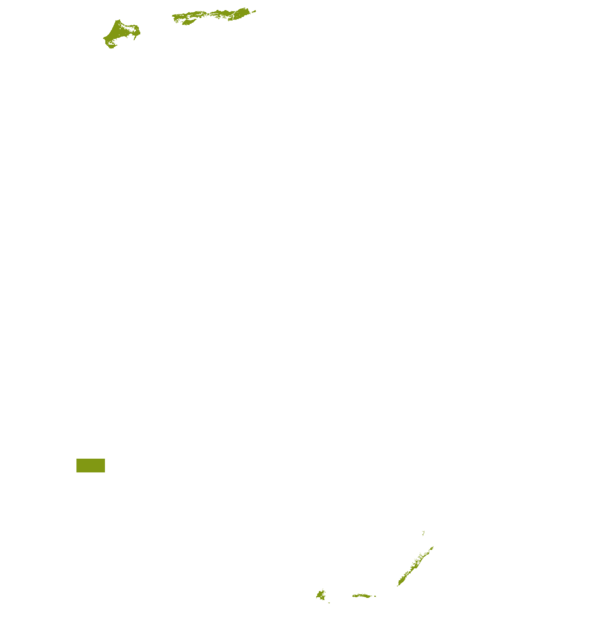
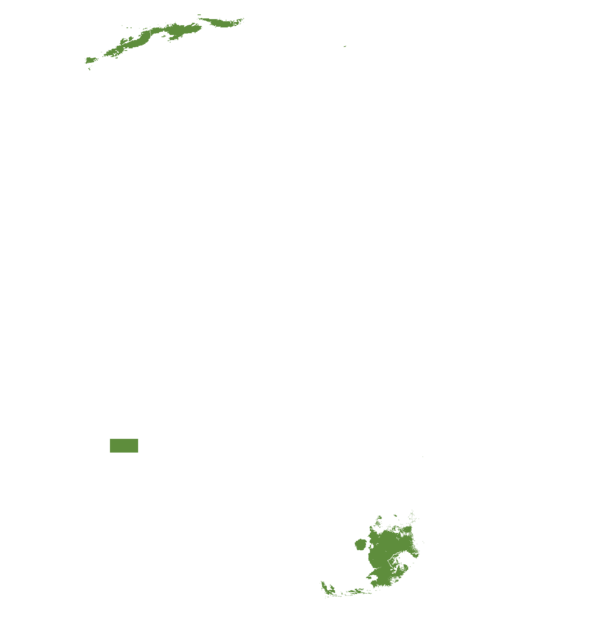
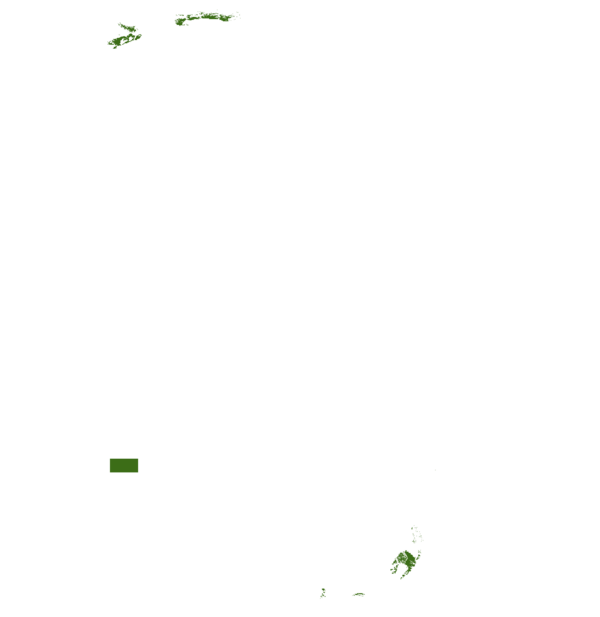
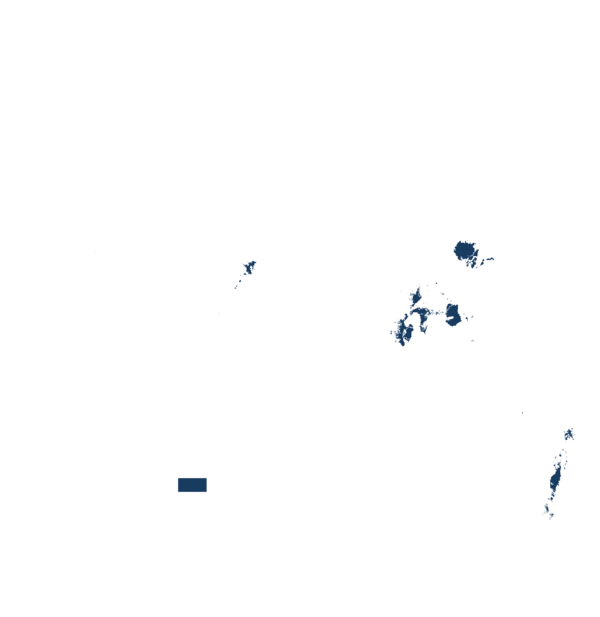
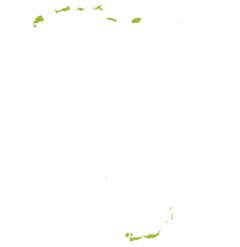
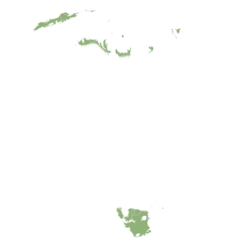
Countries with a green colour
Tested & adopted
Countries with a bright green colour
Adopted
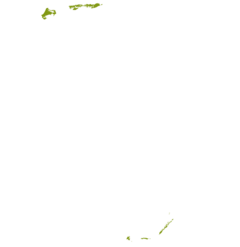
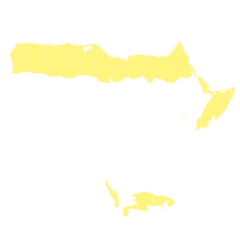
Countries with a yellow colour
Tested
Countries with a blue colour
Testing ongoing
Egypt Equatorial Guinea Ethiopia Algeria Angola Benin Botswana Burundi Burkina Faso Democratic Republic of the Congo Djibouti Côte d’Ivoire Eritrea Gabon Gambia Ghana Guinea Guinea-Bissau Cameroon Kenya Libya Liberia Madagascar Mali Malawi Morocco Mauritania Mozambique Namibia Niger Nigeria Republic of the Congo Rwanda Zambia Senegal Sierra Leone Zimbabwe Somalia South Sudan Sudan South Africa Eswatini Tanzania Togo Tunisia Chad Uganda Western Sahara Central African Republic Lesotho
Countries where the technology is being tested or has been tested and adopted
Country Testing ongoing Tested Adopted
Kenya No ongoing testing Tested Adopted

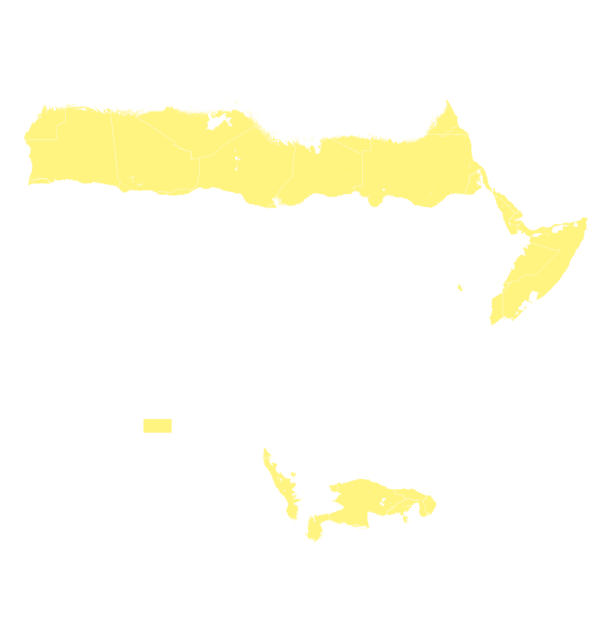
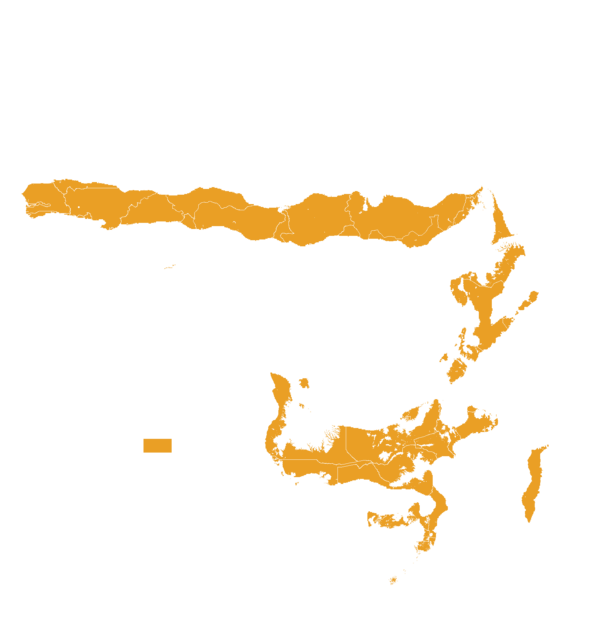
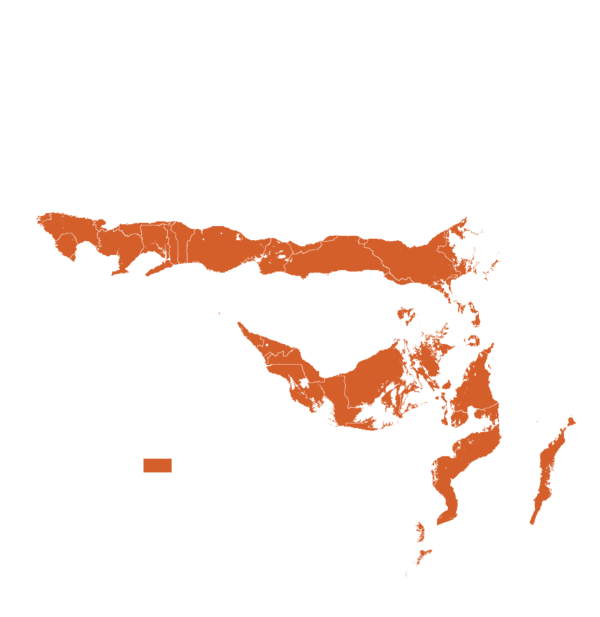
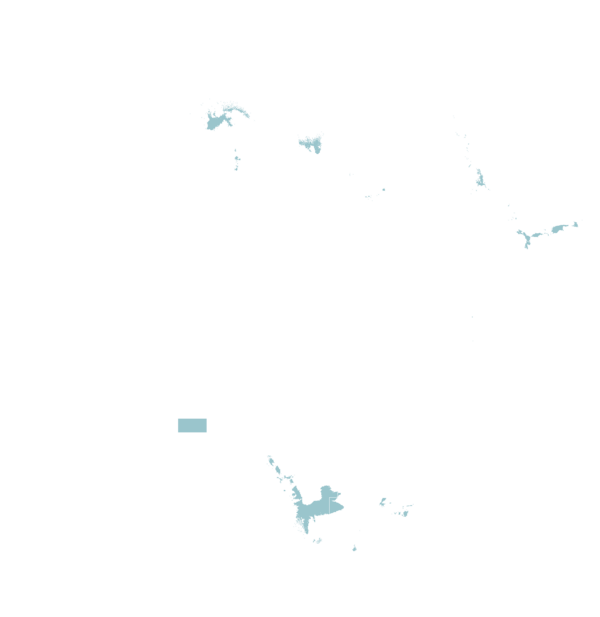
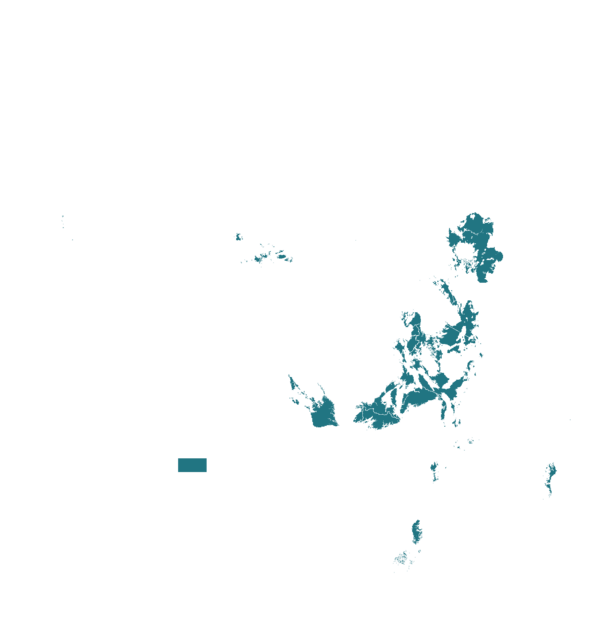
This technology can be used in the colored agro-ecological zones. Any zones shown in white are not suitable for this technology.
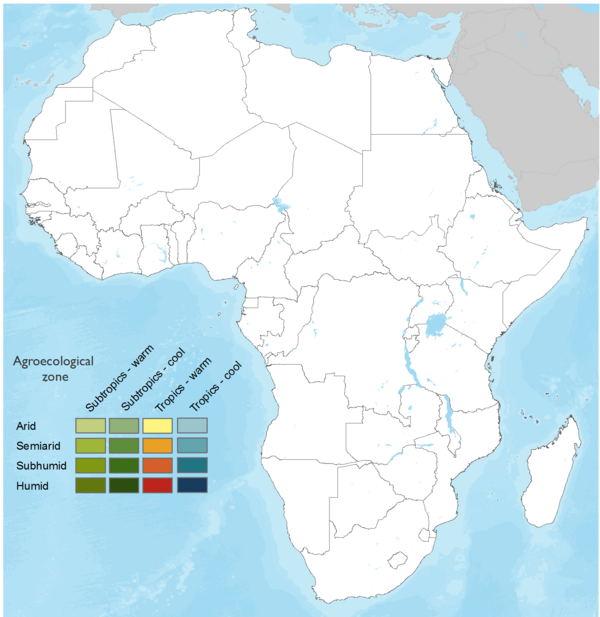
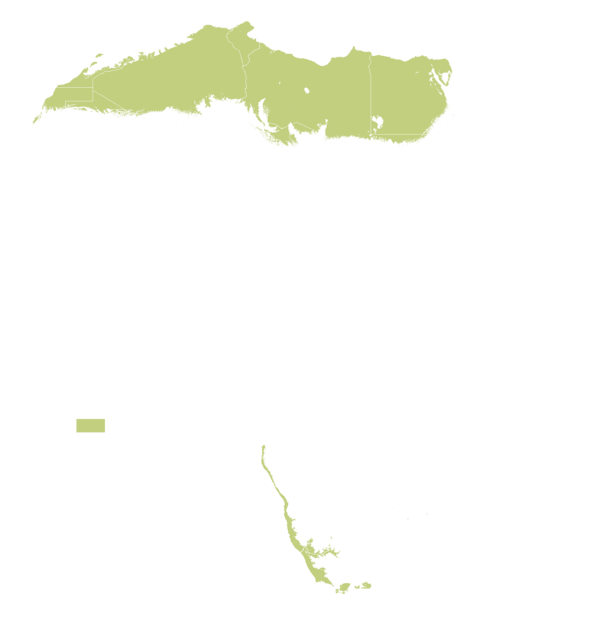
Agro-ecological zones where this technology can be used
AEZ Subtropic - warm Subtropic - cool Tropic - warm Tropic - cool
Arid
Semiarid
Subhumid
Humid

Source: HarvestChoice/IFPRI 2009

The United Nations Sustainable Development Goals that are applicable to this technology.
Sustainable Development Goal 2: zero hunger
Goal 2: zero hunger

The technology helps reduce insect-related losses in packaged staple foods, keeping more food available for consumption.
Sustainable Development Goal 8: decent work and economic growth
Goal 8: decent work and economic growth

The technology helps protect the commercial value of packaged food and reduce losses from rejected and returned stock, supporting more efficient food supply-chain operations.
Sustainable Development Goal 12: responsible production and consumption
Goal 12: responsible production and consumption

By reducing the disposal of food already produced, processed, packaged, and distributed, ProvisionGard™ helps reduce waste of resources embedded in food production and supply chains.
Sustainable Development Goal 13: climate action
Goal 13: climate action

Reducing avoidable food loss also helps avoid wasting the land, water, inputs, and other resources already used to produce food that would otherwise need to be replaced.

Key recommendations

  • Use ProvisionGard™ for packaged dry foods such as maize and wheat flour, rice, cereals, pasta, and other dry foods.
  • Use qualified packaging printers or converters to incorporate the treatment during normal packaging production.
  • Validate the treatment on the intended packaging system before commercial use to confirm processing and performance.
  • Follow the recommended addition rate for the adhesive system and consult ProvisionGard before application.
  • Use the treated packaging through normal filling, storage, distribution, retail, and household handling without cold-chain storage or re-treatment.

Step 1 – Incorporate ProvisionGard into the packaging

The packaging printer or converter incorporates ProvisionGard™ into the packaging during normal printing or production. The treatment is applied to the outer layer of the package and does not come into direct contact with the food.

Step 2 – Apply the recommended formulation rate

The treatment is added according to the adhesive system used. The Product Data Sheet recommends 1% of the solids portion for solvent-based applications and 0.5% of the total batch mix for solventless applications.

Step 3 – Fill the treated packaging

The miller or food processor uses the treated packaging on its existing filling line. No major changes to the filling process are required.

Step 4 – Store and distribute normally

The packaged food moves through normal transport, warehousing, and retail operations. No cold chain or additional re-treatment is required.

Step 5 – Maintain normal household storage

The consumer stores the packaged food normally, while the treated packaging continues to protect the product throughout its shelf life.

Downloads

Last updated on Sep 15, 2026