TAAT e-catalog
for
government
https://e-catalogs.taat-africa.org/gov/technologies/mobile-cassava-processing-plant
Transforming Cassava, Mobile Processing for Sustainable Agriculture
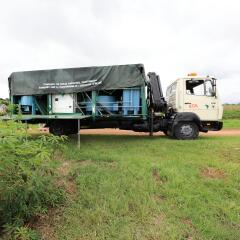
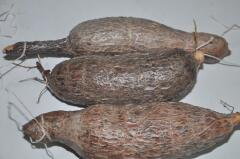
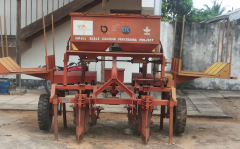
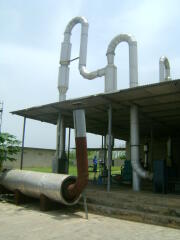
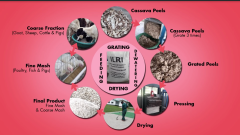
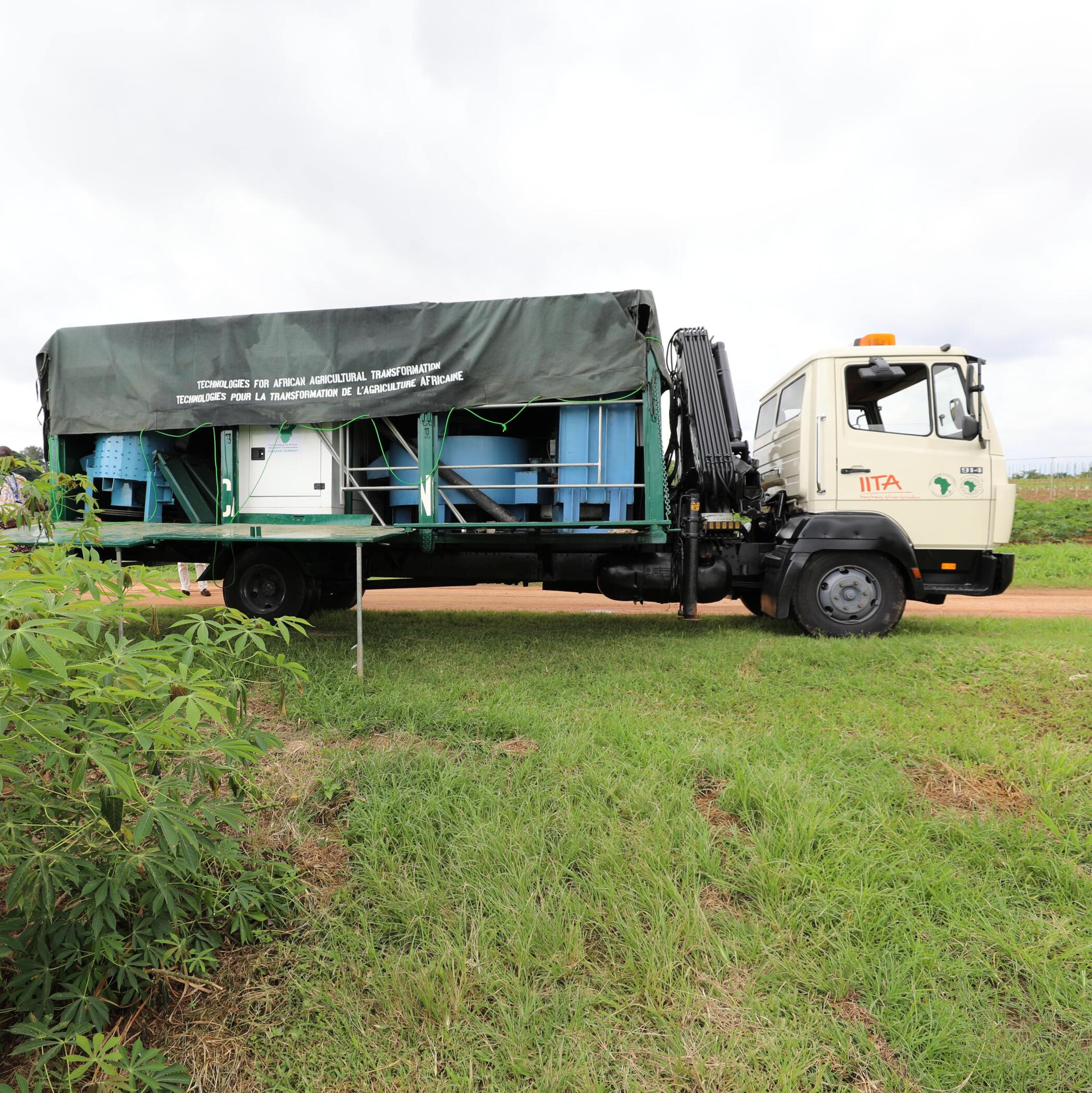
The specially constructed MCPP consists of modern processing machinery and an electricity generator housed on a six-wheel machinery carrier equipped with a loader crane. Both the back sides and the tailgate of the truck open flat to form a larger flatbed, platform or processing workspace. Depending on the product for which the mobile machinery was tailored, processing operations can be completed on the workspace combined with the ground-level workspace. Specific standard operating procedures are used for processing the product of choice.
This technology is TAAT1 validated.
Adults 18 and over: Positive high
The poor: Positive low
Under 18: Positive high
Women: Positive high
Climate adaptability: Highly adaptable
Decentralized, farmgate processing keeps operations running during climate disruptions. Mobile units reduce dependence on large centralized plants and long-distance transport. This flexibility supports continuity during floods, heatwaves, road cuts, or fuel shortages, improving system resilience.
Farmer climate change readiness: Significant improvement
Brings processing closer to farms, lowering climate-related logistics risks and losses. Farmgate processing shortens time from harvest to processing, reducing spoilage and income volatility when weather disrupts transport or utilities.
Carbon footprint: A bit less carbon released
Avoids hauling bulky fresh roots to central plants and reduces on-site emissions there. Decentralization (farmgate processing) cuts transport fuel use and shifts activity away from energy-intensive centers. Net effect should be verified by measuring fuel/electricity per ton processed for the mobile units.
Environmental health: Moderately improves environmental health
Reduces cyanide-rich wastewater and peel dumping around factories. Managing processing at farmgate lowers the risk of soil and water contamination from cassava effluent and toxic peels, decreasing pollution exposure for workers and nearby communities.
Water use: A bit less water used
Decentralization conserves water at central plants and enables local reuse. Farmgate processing can lower water-intensive operations at centralized facilities.
Introducing the Mobile Cassava Processing Plant (MCPP) offers an innovative solution for cassava processing, enhancing productivity in the agricultural sector. This technology aligns with Sustainable Development Goals 2, 5, and 13 by promoting food security, gender equality, and climate action.
To effectively integrate the MCPP into your project, consider the following steps and requirements:
Develop communication materials, including flyers, videos, and radio broadcasts, to educate stakeholders about the benefits and opportunities associated with mobile cassava processing.
Foster collaborations with agricultural development institutes, governmental agencies, and private sector stakeholders to facilitate the adoption and implementation of the MCPP technology nationwide.
Collaborate with agricultural development institutes and food industry stakeholders to facilitate the implementation of the technology in your country.
Startup Capital (gari production)
Startup capital (high-quality cassava cake)
ROI (high-quality cassava cake)
Open source / open access
Scaling Readiness describes how complete a technology's development is and its ability to be scaled. It produces a score that measures a technology's readiness along two axes: the level of maturity of the idea itself, and the level to which the technology has been used so far.
Each axis goes from 0 to 9 where 9 is the “ready-to-scale” status. For each technology profile in the e-catalogs we have documented the scaling readiness status from evidence given by the technology providers. The e-catalogs only showcase technologies for which the scaling readiness score is at least 8 for maturity of the idea and 7 for the level of use.
The graph below represents visually the scaling readiness status for this technology, you can see the label of each level by hovering your mouse cursor on the number.
Read more about scaling readiness ›
Semi-controlled environment: testing
Used by some projects NOT connected to technology provider
| Maturity of the idea | Level of use | |||||||||
| 9 | ||||||||||
| 8 | ||||||||||
| 7 | ||||||||||
| 6 | ||||||||||
| 5 | ||||||||||
| 4 | ||||||||||
| 3 | ||||||||||
| 2 | ||||||||||
| 1 | ||||||||||
| 1 | 2 | 3 | 4 | 5 | 6 | 7 | 8 | 9 | ||
| Project | Countries | Beneficiaries | Budget (USD) & duration | Key figures |
|---|---|---|---|---|
|
EFPEP Emergency Food Production Enhancement Project |
|
|
20.21 million 2022–2025 |
|
|
ENSURE Enabling Environments for Sustainable Regional Agriculture Extension |
|
|
13.14 million 2024–2027 |
|
|
ERAVCDP Eastern Region Agricultural Value Chain Development Project |
|
|
211.4 million 2026–2031 |
|
Figures in italic are from project plans and may change during implementation.
| Country | Testing ongoing | Tested | Adopted |
|---|---|---|---|
| Nigeria | –No ongoing testing | Tested | Adopted |
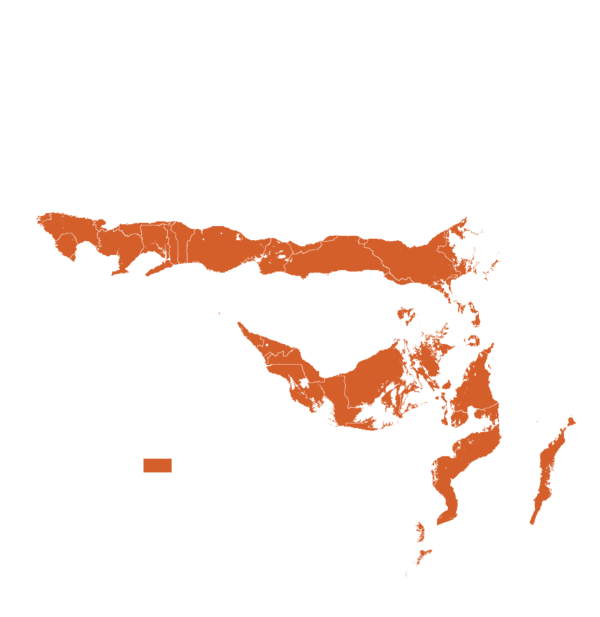
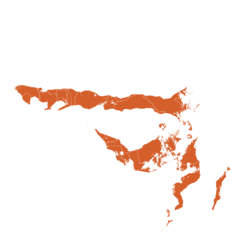
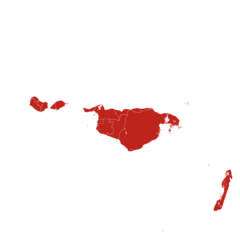
This technology can be used in the colored agro-ecological zones. Any zones shown in white are not suitable for this technology.
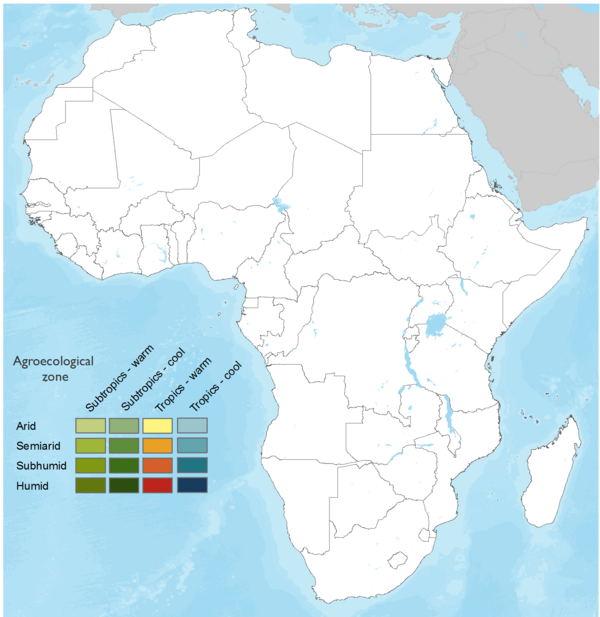


| AEZ | Subtropic - warm | Subtropic - cool | Tropic - warm | Tropic - cool |
|---|---|---|---|---|
| Arid | – | – | – | – |
| Semiarid | – | – | – | – |
| Subhumid | – | – | – | |
| Humid | – | – |
Source: HarvestChoice/IFPRI 2009
The United Nations Sustainable Development Goals that are applicable to this technology.
Preparation:
Transportation to Farm-Gate:
On-Site Processing:
Product Extraction:
Transportation of Processed Products:
Centralized Drying and Packaging:
Maintenance:
Recordkeeping:
Last updated on Sep 21, 2026
This technology can be used in the colored agro-ecological zones.


Mobile Cassava Processing Plant
https://e-catalogs.taat-africa.org/gov/technologies/mobile-cassava-processing-plant
Last updated on 21 September 2026, printed on Sep 24, 2026
Enquiries e-catalogs@taat.africa