TAAT e-catalog
for
government
https://e-catalogs.taat-africa.org/gov/technologies/beauveria-biopesticide-based-on-the-entomopathogenic-fungus-beauveria-bassiana
A Sustainable, Profitable Solution for Diamondback Moth and Beyond!
The technology is a biopesticide based on the entomopathogenic fungus Beauveria bassiana (Balsamo) Vuillemin, specifically the isolate Bb11 (Bba5653) from the IITA-Benin collection, found in Penessoulou, Benin. Originally designed to control the caterpillars of the cabbage moth (Plutella xylostella), also known as the diamondback moth, this natural fungus produces live spores called conidia. When applied to crops, these spores attach to the insect's cuticle (its outer layer), germinate, and penetrate the insect's internal tissues. The fungus then grows within the insect, causing rapid tissue damage and mortality. Safe for humans, animals, and beneficial insects, this biopesticide offers an eco-friendly, sustainable alternative to chemical pesticides. It is widely used as part of Integrated Pest Management (IPM) strategies for protecting crops from pest damage in both open-field and protected agriculture settings.
This technology is not yet validated.
Climate adaptability: Moderately adaptable
Farmer climate change readiness: Moderate improvement
Biodiversity: Positive impact on biodiversity
Carbon footprint: A bit less carbon released
Environmental health: Greatly improves environmental health
Soil quality: Improves soil health and fertility
Water use: Same amount of water used
Crop damage from pests such as fall armyworm, stem borers, thrips, and aphids leads to significant yield losses across various staple and cash crops.
Resistance to chemical pesticides is increasing, reducing the effectiveness of conventional pest control methods.
Health and environmental risks associated with synthetic pesticides threaten pollinators, soil biodiversity, and farmer well-being.
Limited access to biological alternatives leaves smallholder farmers with few sustainable pest management options.
Climate change exacerbates pest pressure, requiring resilient, eco-friendly solutions for long-term crop protection.
Controls a broad range of pests: Effectively manages major crop pests such as the fall armyworm (Spodoptera frugiperda), whiteflies, aphids, thrips, and stem borers through natural infection and colonization.
Safe for humans and the environment: Offers a low-toxicity alternative to synthetic pesticides, reducing health risks for farmers and consumers.
Preserves beneficial insects: Selectively targets pest species while sparing pollinators and natural enemies, helping maintain ecological balance.
Reduces pesticide resistance: Provides a biological mode of action that helps mitigate resistance problems often caused by chemical overuse.
Supports sustainable and organic agriculture: Compatible with integrated pest management (IPM) programs and certified organic farming systems.
Adaptable to various crops and conditions: Applicable on cereals, vegetables, fruits, and pulses under different agroecological zones.
Enhances soil health and biodiversity: Unlike chemical treatments, it leaves no toxic residues and contributes to healthier agroecosystems.
Beauveria bassiana (Bb11): A Sustainable Solution for Eco-Friendly Pest Management
Beauveria bassiana (Bb11) is a naturally derived biopesticide developed to combat destructive pests such as the diamondback moth, fall armyworm, stem borers, thrips, and aphids. Sourced from a locally validated fungal isolate (Bb11), this bio-based solution offers governments and development programs a cost-effective, environmentally responsible alternative to synthetic pesticides. It supports food security goals by reducing yield losses while preserving beneficial insects and soil health.
To integrate Beauveria bassiana (Bb11) into your agricultural initiative, follow these steps:
Estimate Product Requirements
Determine required quantities based on target crops and pest pressure. For example:
- Cabbage and leafy vegetables: Apply every 7–10 days during infestations.
- Maize or pulses: Adjust frequency based on pest monitoring, vegetative stage of the plant and climatic conditions.
Assess Local Availability
Verify if Bb11-based products are registered and available in the country. If importing, review logistics, regulatory approvals, and estimated costs.
Train Extension Agents and Farmers
Provide hands-on training for proper application—typically as foliar sprays under moderate temperatures and medium to high humidity. Emphasize early-stage pest targeting and compatibility with integrated pest management (IPM) practices.
Disseminate Awareness Materials
Develop and distribute flyers, videos, and radio content to inform farmers and stakeholders about the safety, usage, and effectiveness of Bb11.
Promote Integrated Pest Management (IPM)
Encourage the combination of Bb11 with resistant crop varieties, crop rotation, and other IPM tools to strengthen pest control and reduce pesticide resistance.
Foster Institutional Partnerships
Collaborate with research institutes, local agrodealers, and extension services to scale adoption and ensure continuous technical support.
By adopting Beauveria bassiana (Bb11), your program can enhance pest resilience, protect biodiversity, and promote sustainable, climate-smart agriculture at scale.
Additional workforce required
Location cost for specialized tools
Cost associated with training
Scaling Readiness describes how complete a technology's development is and its ability to be scaled. It produces a score that measures a technology's readiness along two axes: the level of maturity of the idea itself, and the level to which the technology has been used so far.
Each axis goes from 0 to 9 where 9 is the “ready-to-scale” status. For each technology profile in the e-catalogs we have documented the scaling readiness status from evidence given by the technology providers. The e-catalogs only showcase technologies for which the scaling readiness score is at least 8 for maturity of the idea and 7 for the level of use.
The graph below represents visually the scaling readiness status for this technology, you can see the label of each level by hovering your mouse cursor on the number.
Read more about scaling readiness ›
Semi-controlled environment: testing
By the whole project team + project partners
| Maturity of the idea | Level of use | |||||||||
| 9 | ||||||||||
| 8 | ||||||||||
| 7 | ||||||||||
| 6 | ||||||||||
| 5 | ||||||||||
| 4 | ||||||||||
| 3 | ||||||||||
| 2 | ||||||||||
| 1 | ||||||||||
| 1 | 2 | 3 | 4 | 5 | 6 | 7 | 8 | 9 | ||
| Country | Testing ongoing | Tested | Adopted |
|---|---|---|---|
| Benin | –No ongoing testing | Tested | Adopted |
| Burkina Faso | –No ongoing testing | –Not tested | Adopted |
| Ghana | –No ongoing testing | Tested | Adopted |
| Mali | –No ongoing testing | –Not tested | Adopted |
| Senegal | –No ongoing testing | –Not tested | Adopted |
| Togo | –No ongoing testing | Tested | Adopted |
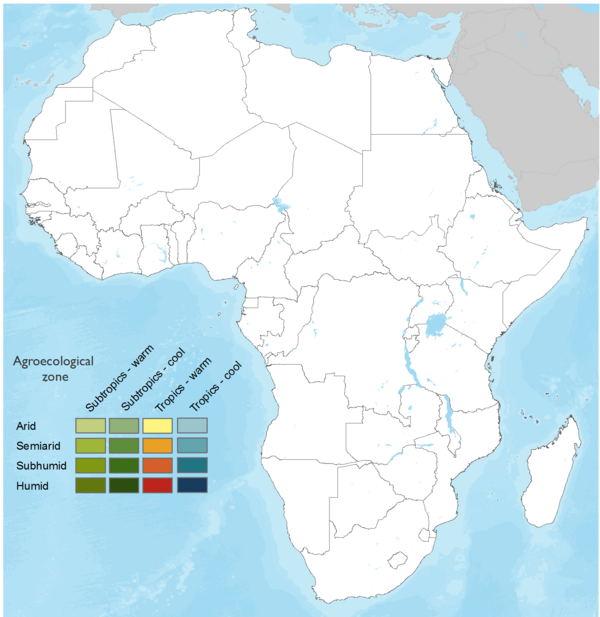
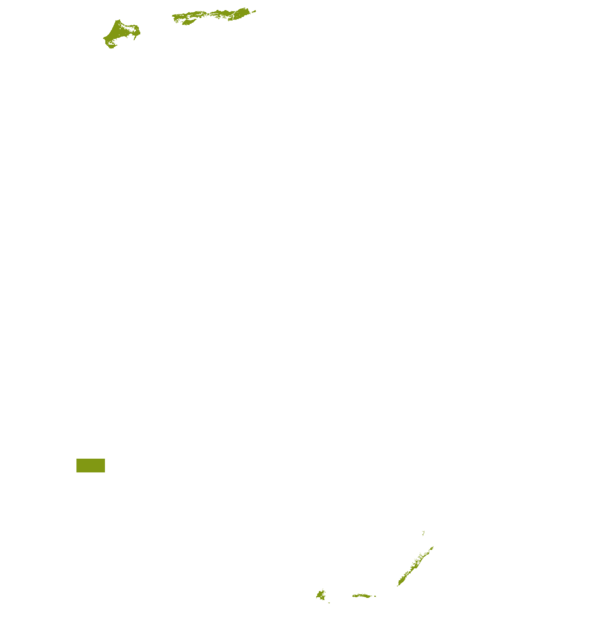
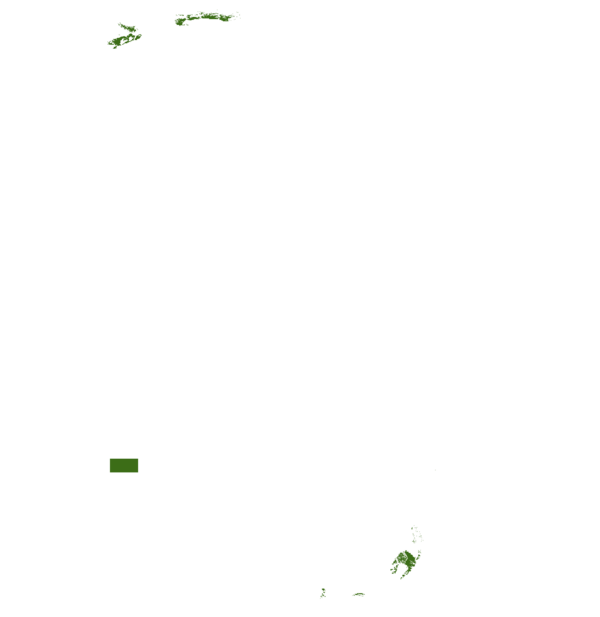
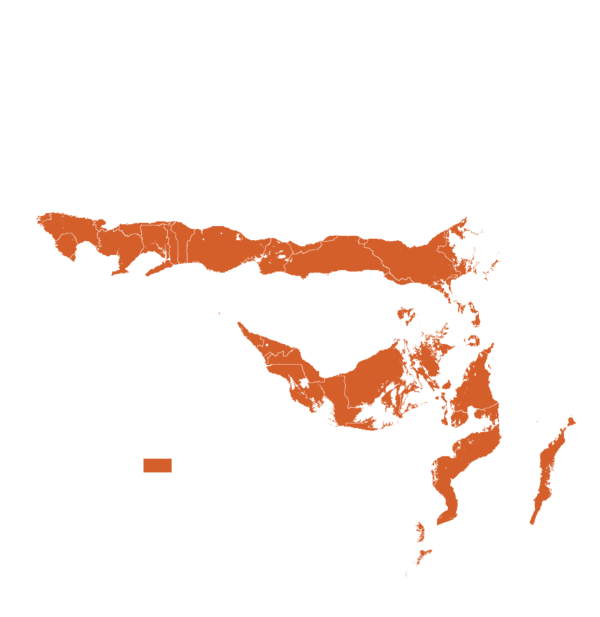
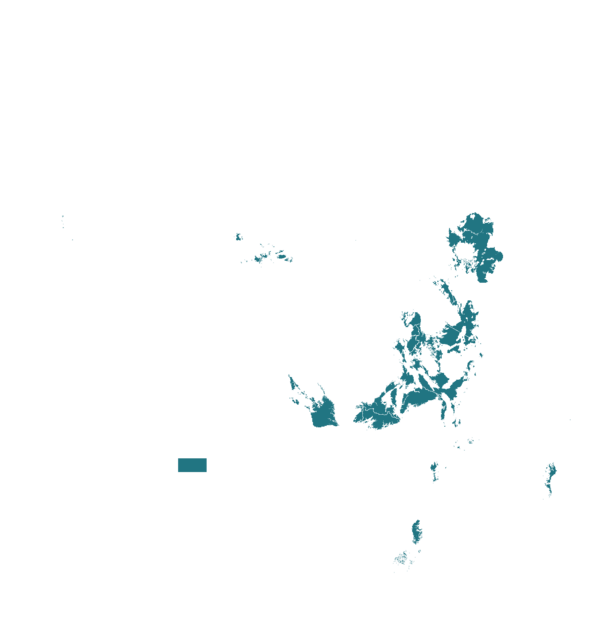
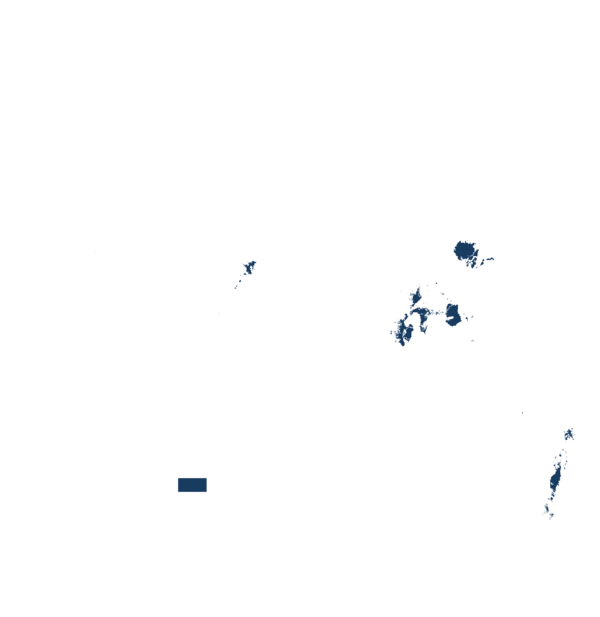
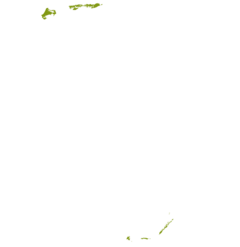
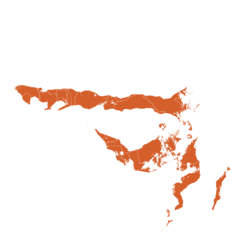
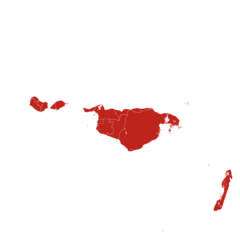
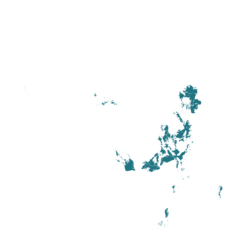
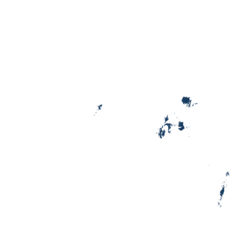
This technology can be used in the colored agro-ecological zones. Any zones shown in white are not suitable for this technology.



| AEZ | Subtropic - warm | Subtropic - cool | Tropic - warm | Tropic - cool |
|---|---|---|---|---|
| Arid | – | – | – | – |
| Semiarid | – | – | – | – |
| Subhumid | ||||
| Humid |
Source: HarvestChoice/IFPRI 2009
The United Nations Sustainable Development Goals that are applicable to this technology.
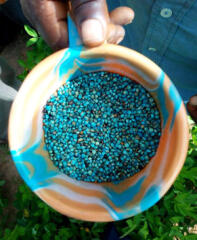
Formulation: The biopesticide is typically available in powder or liquid form containing viable spores of Beauveria bassiana.
Application method:
Timing:
Environmental conditions:
Compatibility:
Reapplication:
Depending on infestation levels and environmental conditions, reapply every 7–10 days as needed.
Last updated on Sep 14, 2026
This technology can be used in the colored agro-ecological zones.





Beauveria Biopesticide: Based on the entomopathogenic fungus Beauveria bassiana
https://e-catalogs.taat-africa.org/gov/technologies/beauveria-biopesticide-based-on-the-entomopathogenic-fungus-beauveria-bassiana
Last updated on 14 September 2026, printed on Sep 24, 2026
Enquiries e-catalogs@taat.africa