TAAT e-catalog
for
private sector
https://e-catalogs.taat-africa.org/com/technologies/kabamanoj-f1-high-yield-and-drought-tolerant-orange-maize-hybrid
Unleashing the Power of High-Yielding Orange Maize Across Africa!
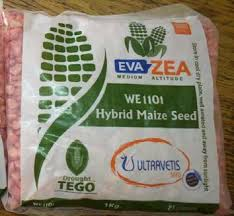
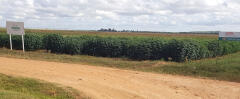
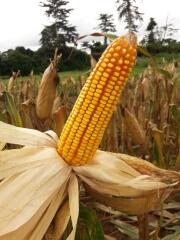
The new maize variety, KABAMANOJ F1, effectively addresses challenges like drought, disease, and climate change impacts. With a short cycle—105 days for dry grain, 70-80 days for grilled cob, and 85 days for silage—it matures quickly, enhancing its resilience to harsh climatic conditions. Yielding up to 10 tons per hectare, and with a potential of 12 tons per hectare, this protein-rich maize is ideal for both human consumption and poultry farming. Registered with ECOWAS, KABAMANOJ F1 adapts well to African climates, contributing significantly to food security and sustainable agriculture.
This technology is validated.
Operation cost
Benefit
Unknown
Drought and Climate Change Effects:
Poor Yield:
Long Maturity Period:
Pests and Diseases Attacks:
Reduced Growth Cycle:
High Yields and Cob Characteristics:
Resistance to Stresses:
Disease Tolerance:
Nutrient-Rich and Climate Adaptation:
ECOWAS Registration:
For Seed multipliers:
Developing Kabamanoj F1 maize technology opens avenues for market expansion, driving demand and revenue growth. It establishes a pioneering stance in innovation and sustainability, fostering trust among customers and ensuring continuous advancement.
To effectively multiply seeds, stocking up on Foundation or Registered Seed is essential, depending on your role in the seed development process. The technology multiplication process does not entail the purchase of a license.
Potential customers include wholesale distributors supplying retailers, development projects, government agencies, and NGOs. Cultivating robust partnerships with wholesale distributor networks is pivotal for business success.
For Users:
Using Kabamanoj F1 technology enhances crop yields, bolsters disease resistance, and fortifies climate resilience while optimizing costs and offering environmental advantages. Embracing this technology elevates agricultural productivity, reduces expenses, and fosters environmental sustainability.
The cost structure, one Kg price of Kabamanoj F1 Orange Maize, is set at 110 USD/ha average cost of seeds for a farmer.
Account for delivery costs from Kenya to the project site, and consider import clearance and duties if applicable.
You need to estimate the profit realized with the use of the product.
Adults 18 and over: Positive high
Its increases yields, which boosts income and provides financial stability.
The poor: Positive high
Its helps lift communities out of food insecurity by providing a reliable crop that thrives in drought conditions.
Under 18: Positive medium
Its improves food security and nutrition for children, as the high yield and Vitamin A content of the maize contribute to better diets and health outcomes.
Women: Positive high
Its enhances their economic resilience, empowering them to contribute more to their households and communities, improving their social standing and financial independence.
Climate adaptability: Highly adaptable
It is specifically designed to perform well in drought-prone areas, making it highly adaptable to changing climate conditions.
Farmer climate change readiness: Significant improvement
It provides a sustainable alternative to traditional maize varieties that may fail during dry seasons, increasing farmers' ability to withstand climate-related challenges.
Biodiversity: No impact on biodiversity
Water use: A bit less water used
Scaling Readiness describes how complete a technology's development is and its ability to be scaled. It produces a score that measures a technology's readiness along two axes: the level of maturity of the idea itself, and the level to which the technology has been used so far.
Each axis goes from 0 to 9 where 9 is the “ready-to-scale” status. For each technology profile in the e-catalogs we have documented the scaling readiness status from evidence given by the technology providers. The e-catalogs only showcase technologies for which the scaling readiness score is at least 8 for maturity of the idea and 7 for the level of use.
The graph below represents visually the scaling readiness status for this technology, you can see the label of each level by hovering your mouse cursor on the number.
Read more about scaling readiness ›
Uncontrolled environment: validated
Common use by intended users, in the real world
| Maturity of the idea | Level of use | |||||||||
| 9 | ||||||||||
| 8 | ||||||||||
| 7 | ||||||||||
| 6 | ||||||||||
| 5 | ||||||||||
| 4 | ||||||||||
| 3 | ||||||||||
| 2 | ||||||||||
| 1 | ||||||||||
| 1 | 2 | 3 | 4 | 5 | 6 | 7 | 8 | 9 | ||
| Project | Countries | Beneficiaries | Budget (USD) & duration | Key figures |
|---|---|---|---|---|
|
AFMPFNSHoA Additional Financing to Multinational Programme for Food & Nutrition Security in the Horn of Africa |
|
|
5.4 million 2022–2026 |
|
|
BRIDEP Multinational - Projet de Développement Intégré Burundi-Rwanda |
|
|
139,09 million 2024 - 2031 |
|
|
EFPFP Emergency Food Production Facility Project |
|
|
20.85 million 2022–2026 |
|
|
EFPP Guinea Emergency Food Production Programme |
|
|
25.23 million 2022–2024 |
|
|
EFPP(AEFPF) Emergency Food Production Project (AEFPF) |
|
|
25.5 million 2022–2026 |
|
|
ESFSP Emergency Support to Food Security Project |
|
|
6.5 million 2022–2024 |
|
|
PADCV-PTA Projet d’Appui au Developpement des Chaines de Valeurs en soutien au Programme de Transformation de l’Agriculture |
|
|
321 million 2024–2029 |
|
|
PADDAMAG Project to Support Agropastoral Development, Digitization and Market Access |
|
|
32.85 million 2023–2029 |
|
|
Post-Cyclone Recovery Programme Post Cyclone IDAI and Kenneth Emergency Recovery and Resilience Programme |
|
|
58,24 million 2022–2026 |
|
|
PUPSAN Emergency Production and Food & Nutrition Security Project |
|
|
7.04 million 2023–2026 |
|
|
PURPA Projet d’Urgence pour le Renforcement de la Production Agricole |
|
|
38.87 million 2022–2024 |
|
|
Regenerative agri Multinational - Evidence-based regenerative agriculture to address climate change in Africa |
|
|
975,000 2023 - 2026 |
|
|
RVCTP Additional Financing to the Rice Value Chain Transformation Programme |
|
|
3.5 million 2022–2025 |
|
|
SEPAREF Strengthening Emergency Preparedness and Response to Food Crisis |
|
|
10.56 million 2022–2025 |
|
Figures in italic are from project plans and may change during implementation.
| Country | Testing ongoing | Tested | Adopted |
|---|---|---|---|
| Benin | –No ongoing testing | –Not tested | Adopted |
| Burkina Faso | –No ongoing testing | –Not tested | Adopted |
| Cameroon | –No ongoing testing | –Not tested | Adopted |
| Côte d’Ivoire | –No ongoing testing | –Not tested | Adopted |
| Ghana | –No ongoing testing | –Not tested | Adopted |
| Guinea | –No ongoing testing | –Not tested | Adopted |
| Mali | –No ongoing testing | –Not tested | Adopted |
| Nigeria | –No ongoing testing | –Not tested | Adopted |
| Senegal | –No ongoing testing | –Not tested | Adopted |
| Sierra Leone | –No ongoing testing | –Not tested | Adopted |
| Togo | –No ongoing testing | –Not tested | Adopted |
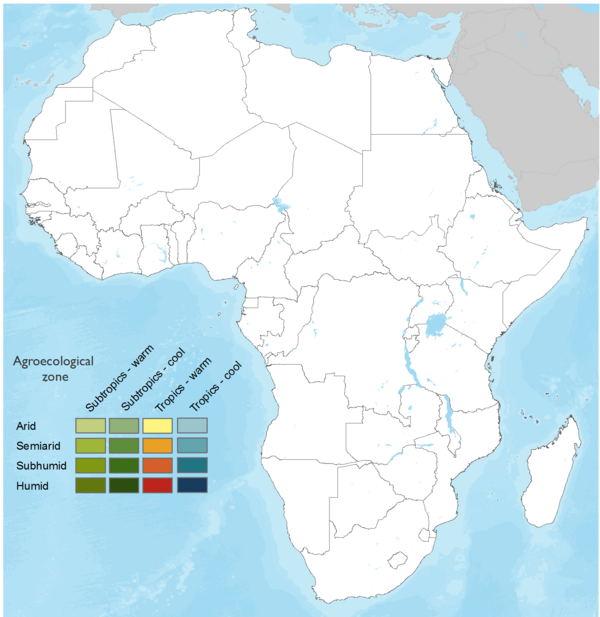
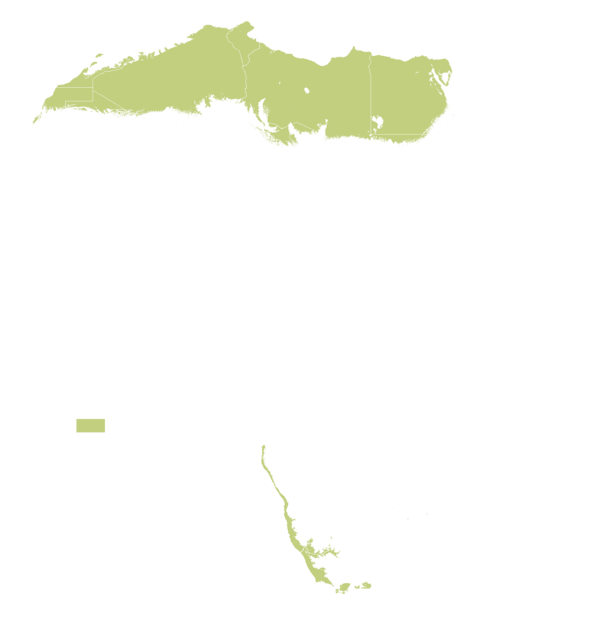
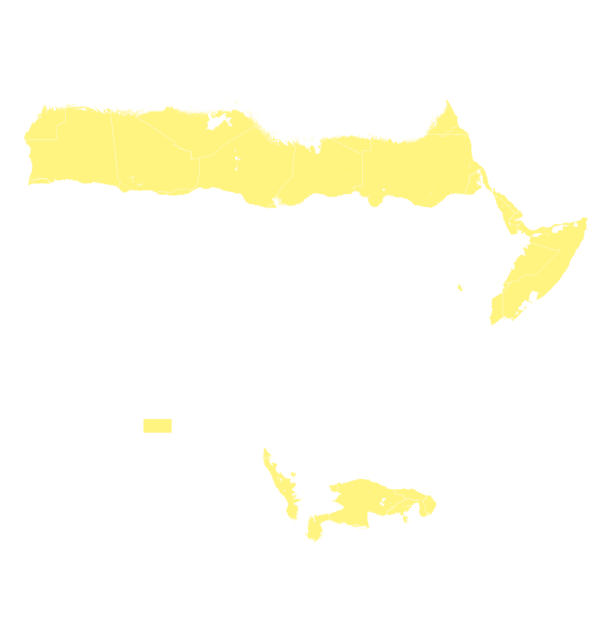
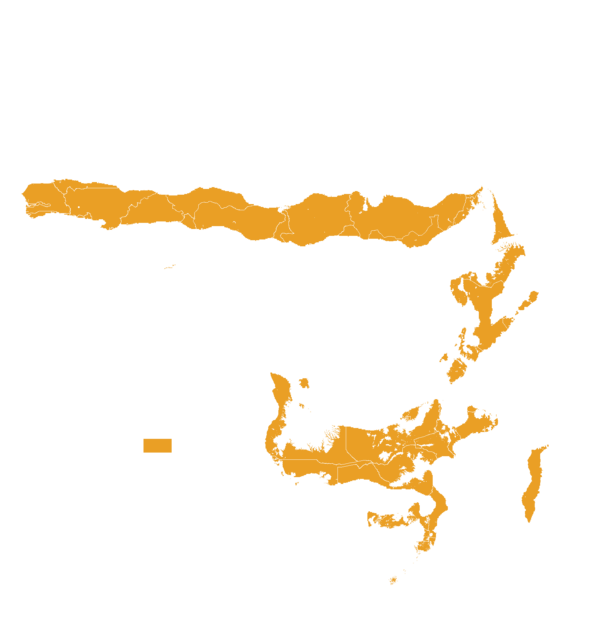
This technology can be used in the colored agro-ecological zones. Any zones shown in white are not suitable for this technology.


| AEZ | Subtropic - warm | Subtropic - cool | Tropic - warm | Tropic - cool |
|---|---|---|---|---|
| Arid | – | |||
| Semiarid | – | – | ||
| Subhumid | – | – | – | – |
| Humid | – | – | – | – |
Source: HarvestChoice/IFPRI 2009
The United Nations Sustainable Development Goals that are applicable to this technology.
By increasing maize yields and providing a reliable source of food even in drought-prone area.

By empowering women farmers, who are often responsible for maize production in many African communities.

By reducing the reliance on water-intensive crops and enhancing resilience in the face of changing weather patterns, it supports climate mitigation and adaptation efforts.
Land Prep: Till and clear the land for optimal soil conditions.
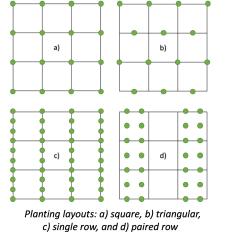
Sowing: Plant 20 kg/ha of quality seeds with 0.80m row spacing and 0.20m plant spacing.
Weed Control: Manage weeds for nutrient efficiency and yield protection.
Irrigation: Ensure consistent moisture, especially in dry regions.
Fertilization: Apply fertilizers based on soil analysis and crop needs.
Pest & Disease Management: Employ integrated strategies for pest and disease control.
Harvest: Monitor maturity and harvest when cobs reach optimal size.
Last updated on Sep 11, 2026
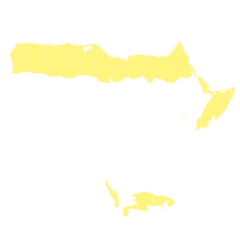
This technology can be used in the colored agro-ecological zones.






KABAMANOJ F1: High yield and drought tolerant orange maize hybrid
https://e-catalogs.taat-africa.org/com/technologies/kabamanoj-f1-high-yield-and-drought-tolerant-orange-maize-hybrid
Last updated on 11 September 2026, printed on Sep 12, 2026
Enquiries e-catalogs@taat.africa