TAAT e-catalog
for
private sector
https://e-catalogs.taat-africa.org/com/technologies/shade-tree-advice-tool-enhancing-resilience-and-adaptive-agricultural-livelihoods-in-uganda
Tips on shade trees for better cocoa crop yields
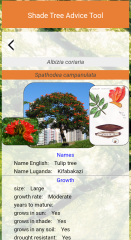
The Shade Tree Advice Tool utilizes the knowledge of expert and local farmers regarding trees in various agro-ecological zones. The tool provides accessible information online and offline, with pre-loaded locally specific content for optimal shade tree recommendations. Its architecture enables swift data transfers and ensures real-time synchronization between web and mobile devices. Additionally, the tool's simplicity allows for cost-effective adaptation and scalability of the application.
This technology is TAAT1 validated.
Open source / open access
In this section, you will soon discover essential elements to develop your business plan. You'll find a brief list of important questions to consider before launching your business, along with information on the technology's value proposition, target audience, key resources, strategic partners, and cost structure. This compilation will assist you in evaluating the various crucial aspects to ensure the success of your business.
In the meantime, use the 'Request information' button if you need to contact us.
Adults 18 and over: Positive high
The poor: Positive low
Women: Positive low
Climate adaptability: Highly adaptable
Farmer climate change readiness: Significant improvement
Biodiversity: Positive impact on biodiversity
Carbon footprint: Much less carbon released
Environmental health: Moderately improves environmental health
Soil quality: Does not affect soil health and fertility
Water use: Same amount of water used
Scaling Readiness describes how complete a technology's development is and its ability to be scaled. It produces a score that measures a technology's readiness along two axes: the level of maturity of the idea itself, and the level to which the technology has been used so far.
Each axis goes from 0 to 9 where 9 is the “ready-to-scale” status. For each technology profile in the e-catalogs we have documented the scaling readiness status from evidence given by the technology providers. The e-catalogs only showcase technologies for which the scaling readiness score is at least 8 for maturity of the idea and 7 for the level of use.
The graph below represents visually the scaling readiness status for this technology, you can see the label of each level by hovering your mouse cursor on the number.
Read more about scaling readiness ›
Semi-controlled environment: prototype
Common use by projects NOT connected to technology provider
| Maturity of the idea | Level of use | |||||||||
| 9 | ||||||||||
| 8 | ||||||||||
| 7 | ||||||||||
| 6 | ||||||||||
| 5 | ||||||||||
| 4 | ||||||||||
| 3 | ||||||||||
| 2 | ||||||||||
| 1 | ||||||||||
| 1 | 2 | 3 | 4 | 5 | 6 | 7 | 8 | 9 | ||
| Country | Testing ongoing | Tested | Adopted |
|---|---|---|---|
| Uganda | –No ongoing testing | Tested | Adopted |
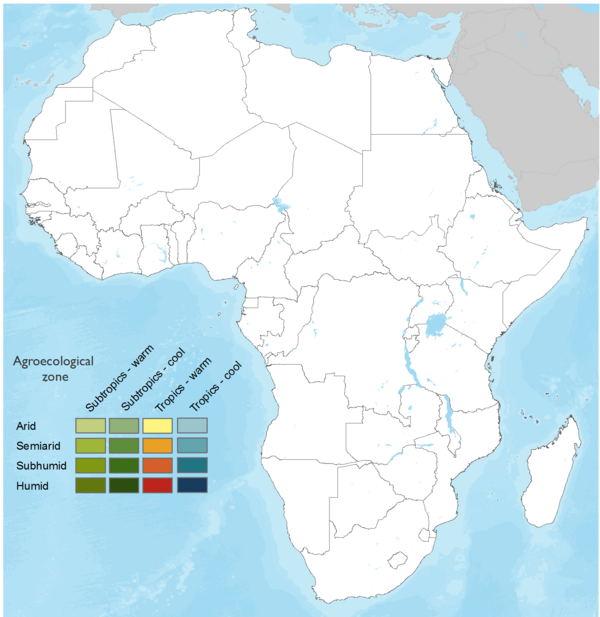
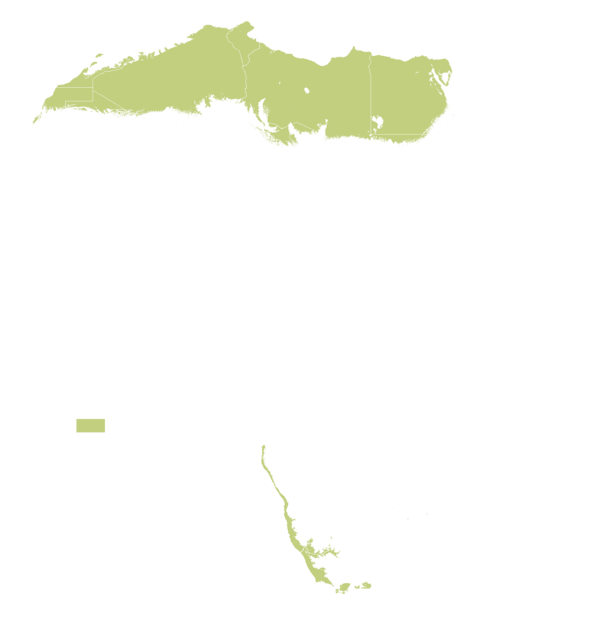
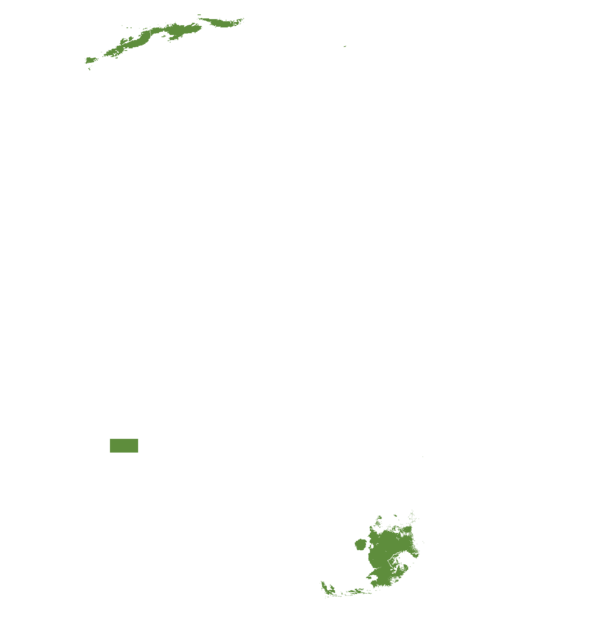
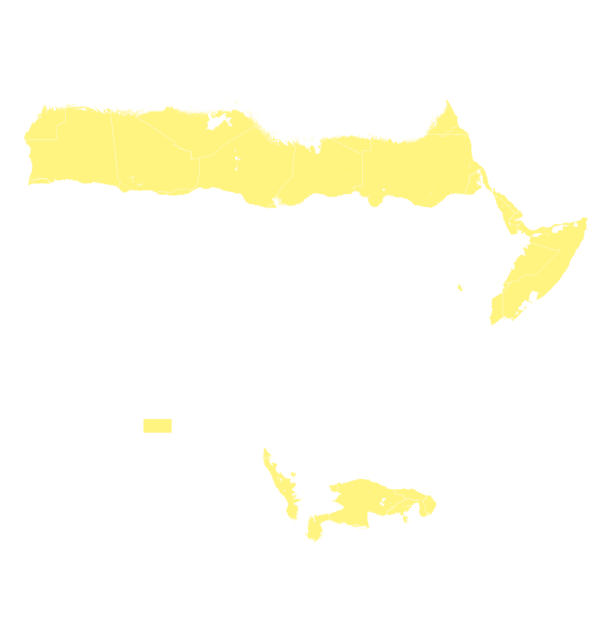
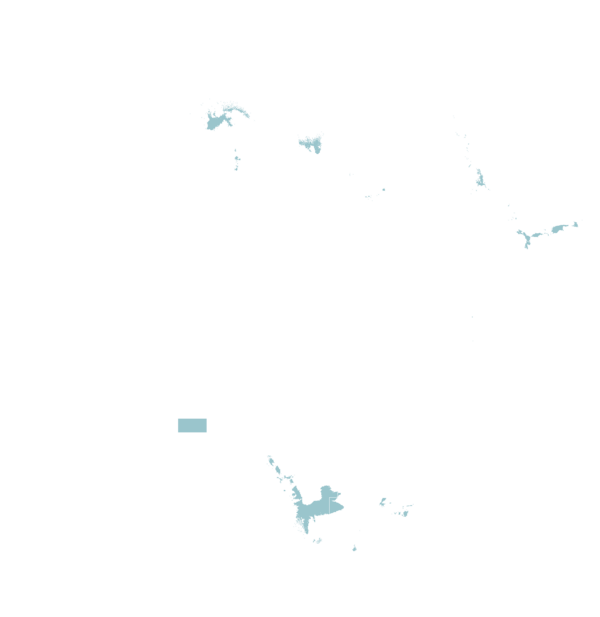
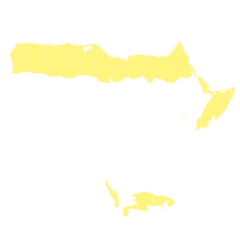
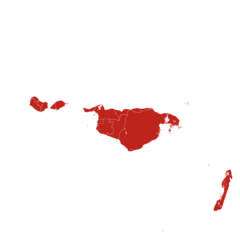
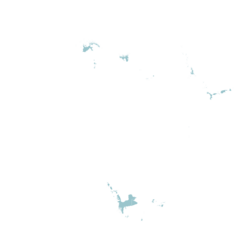
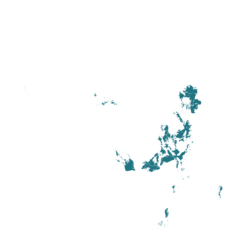
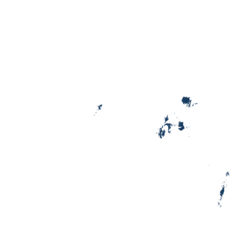
This technology can be used in the colored agro-ecological zones. Any zones shown in white are not suitable for this technology.










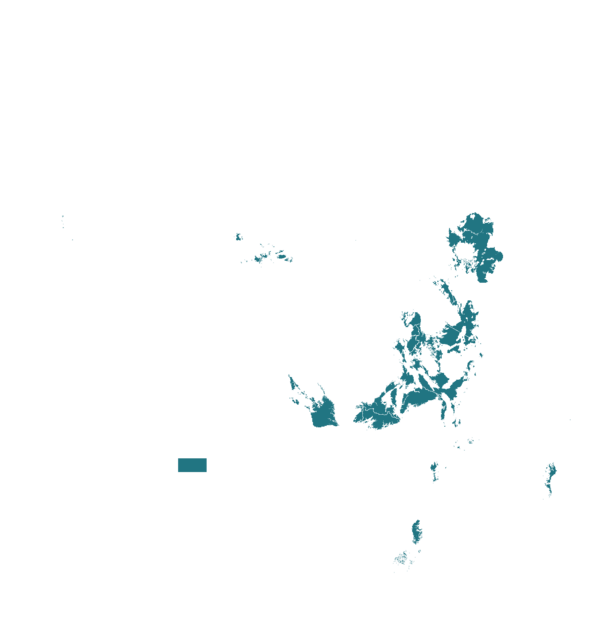

| AEZ | Subtropic - warm | Subtropic - cool | Tropic - warm | Tropic - cool |
|---|---|---|---|---|
| Arid | ||||
| Semiarid | ||||
| Subhumid | ||||
| Humid |
Source: HarvestChoice/IFPRI 2009
The United Nations Sustainable Development Goals that are applicable to this technology.


Last updated on Sep 9, 2026

This technology can be used in the colored agro-ecological zones.













Shade Tree Advice Tool: Enhancing Resilience and Adaptive Agricultural Livelihoods in Uganda
https://e-catalogs.taat-africa.org/com/technologies/shade-tree-advice-tool-enhancing-resilience-and-adaptive-agricultural-livelihoods-in-uganda
Last updated on 9 September 2026, printed on Sep 12, 2026
Enquiries e-catalogs@taat.africa