TAAT e-catalog
for
private sector
https://e-catalogs.taat-africa.org/com/technologies/gift-genetically-improved-farmed-tilapia-all-male-tilapia-fingerlings-with-greater-yield-and-uniformity
Greater yield and uniformity in tilapia farming
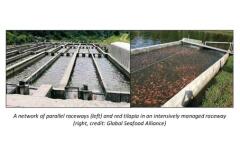
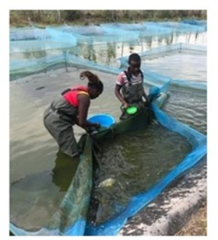
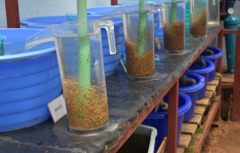
Mono-sex tilapia farming is a bit more complicated but it's worth it. It allows for mostly male tilapia to be grown, sometimes up to 98% male. This is done using methods like picking out males and females by hand, using hormones, or natural methods. Using specially bred tilapia (GIFT) is best for commercial farming. Using hormones can change most fish from female to male, usually about 98% of them. Another method uses changes in temperature after the fish hatch, turning about 86% of them into males. The natural method gives you all-natural males. It's important to know that with hormone-treated fish, some might look like males but genetically they're still females.
This technology is TAAT1 validated.
Cost of one month mono-sex fingerlings in Kenya
Weight of male fingerlings stocked in cages in 5 to 8 months of culture
Patent granted
This technology may be of interest to Manufacturers, resellers and users
Manufacturers
By adopting this technology, Fingerlings producers can achieve up to 98% all-male tilapia stocks, resulting in faster growth rates and improved feed conversion efficiency.
Collaborate with aquaculture equipment suppliers, feed manufacturers, and agribusiness distributors to expand market reach and enhance product offerings.
The cost structure for the production of All Male Tilapia Fingerlings includes expenses related to broodstock acquisition, breeding program management, setup expenses, operational costs, and potential licensing fees.
Compliance with licensing and regulatory requirements related to fish breeding, genetic manipulation and aquaculture practices, intellectual property laws and patent regulations for genetic technologies is essential for legal operations and market competitiveness.
Resellers
Resellers of All Male Tilapia Fingerlings provide fish farmers and aquaculturists with access to high quality, genetically improved mono-sex tilapia broodstock. By offering superior performance fingerlings, resellers enable customers to achieve higher growth rates, increased yields, and improved profitability in tilapia farming operations.
The cost structure for reselling All Male Tilapia Fingerlings includes expenses related to fingerling procurement, transportation, storage, and marketing. Investment in promotional activities, customer outreach, and market development initiatives contribute to the overall cost structure for resellers.
Compliance with licensing agreements, intellectual property regulations, and aquaculture certification standards is essential for legal operation and market credibility.
Users
Fish farmers benefit from adopting mono-sex male tilapia technology, which offers reliable growth rates, disease resistance, and uniform harvest sizes. This enhances farm productivity and profitability.
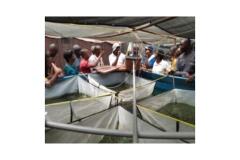
Comprehensive training programs empower end users with essential skills and knowledge for successful tilapia farming, covering breeding, management, and disease prevention techniques.
Collaborations with extension services, aquaculture consultants, and feed suppliers provide ongoing support and resources, ensuring optimized farm operations and sustainable aquaculture practices.
Adults 18 and over: Positive high
The poor: Positive low
Under 18: Positive low
Women: Positive medium
Climate adaptability: Moderately adaptable
Farmer climate change readiness: Significant improvement
Biodiversity: No impact on biodiversity
Carbon footprint: A bit less carbon released
Environmental health: Moderately improves environmental health
Soil quality: Does not affect soil health and fertility
Water use: Same amount of water used
Scaling Readiness describes how complete a technology's development is and its ability to be scaled. It produces a score that measures a technology's readiness along two axes: the level of maturity of the idea itself, and the level to which the technology has been used so far.
Each axis goes from 0 to 9 where 9 is the “ready-to-scale” status. For each technology profile in the e-catalogs we have documented the scaling readiness status from evidence given by the technology providers. The e-catalogs only showcase technologies for which the scaling readiness score is at least 8 for maturity of the idea and 7 for the level of use.
The graph below represents visually the scaling readiness status for this technology, you can see the label of each level by hovering your mouse cursor on the number.
Read more about scaling readiness ›
Uncontrolled environment: tested
Used by some intended users, in the real world
| Maturity of the idea | Level of use | |||||||||
| 9 | ||||||||||
| 8 | ||||||||||
| 7 | ||||||||||
| 6 | ||||||||||
| 5 | ||||||||||
| 4 | ||||||||||
| 3 | ||||||||||
| 2 | ||||||||||
| 1 | ||||||||||
| 1 | 2 | 3 | 4 | 5 | 6 | 7 | 8 | 9 | ||
| Project | Countries | Beneficiaries | Budget (USD) & duration | Key figures |
|---|---|---|---|---|
|
PROMAC Projet de Promotion de l’Aquaculture Durable et de Compétitivité des Chaines de Valeur de la Pêche |
|
|
102.86 million 2023–2028 |
|
Figures in italic are from project plans and may change during implementation.
| Country | Testing ongoing | Tested | Adopted |
|---|---|---|---|
| Benin | –No ongoing testing | Tested | Adopted |
| Cameroon | –No ongoing testing | Tested | Adopted |
| Ethiopia | –No ongoing testing | Tested | Adopted |
| Kenya | –No ongoing testing | Tested | Adopted |
| Malawi | –No ongoing testing | Tested | Adopted |
| Nigeria | –No ongoing testing | Tested | Adopted |
| Senegal | –No ongoing testing | Tested | Adopted |
| Tanzania | –No ongoing testing | Tested | Adopted |
| Uganda | –No ongoing testing | Tested | Adopted |
| Zambia | –No ongoing testing | Tested | Adopted |
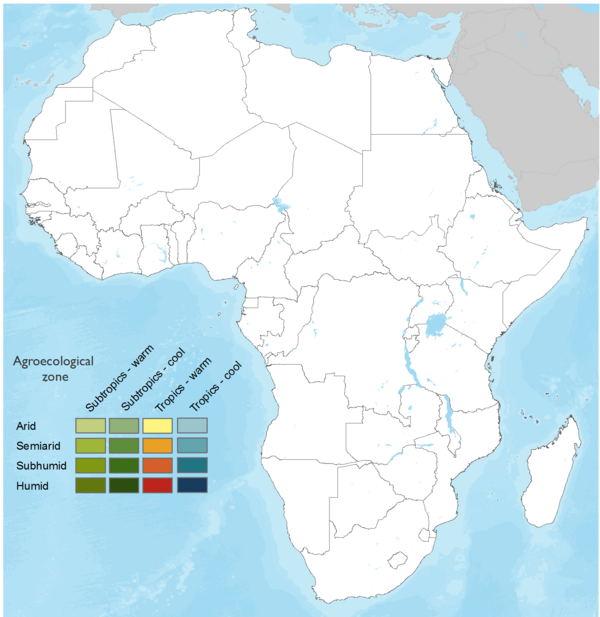
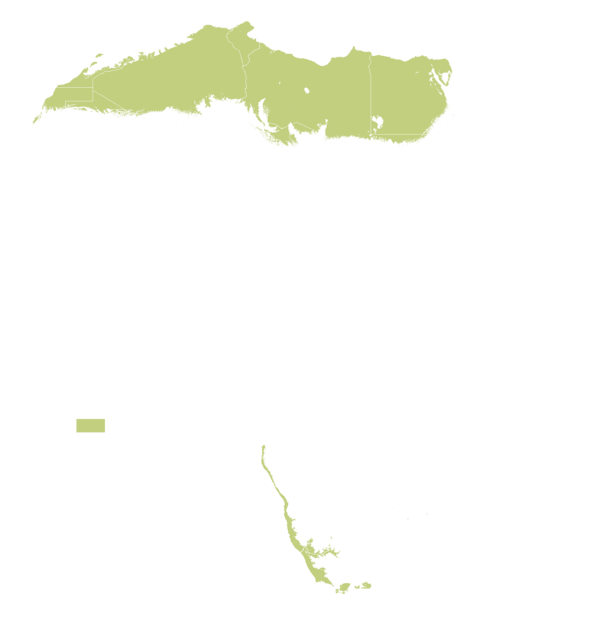
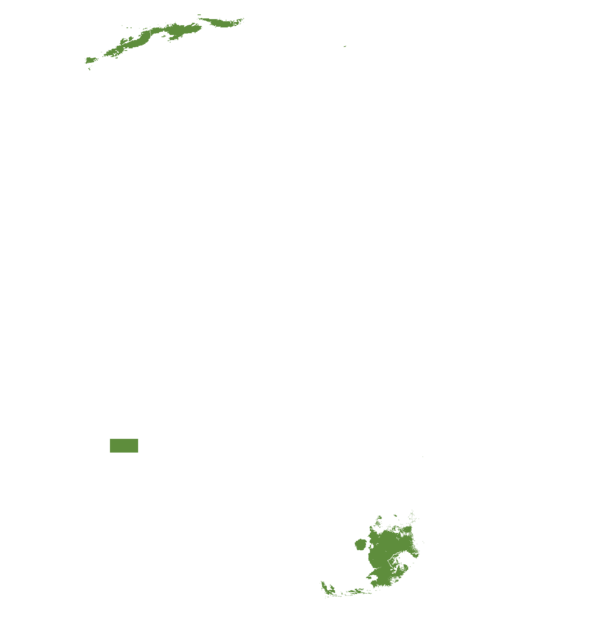
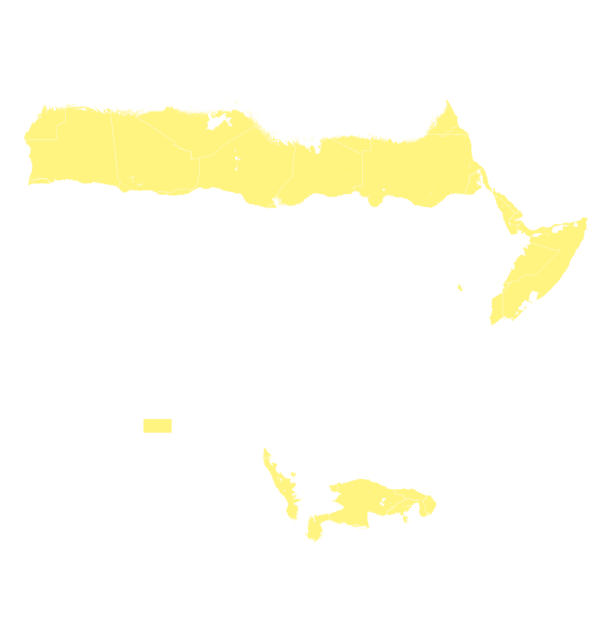
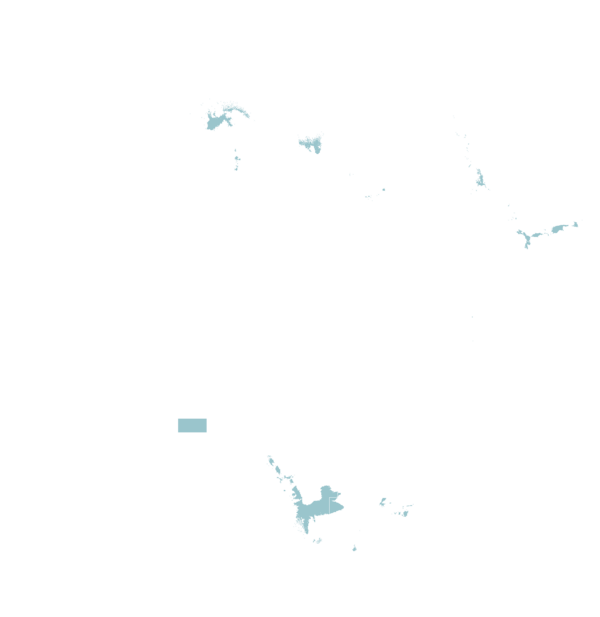
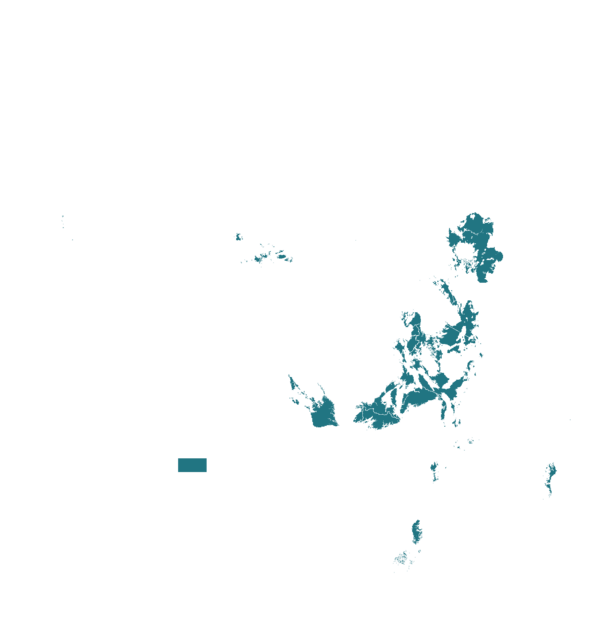
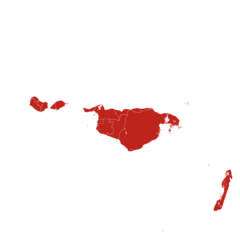
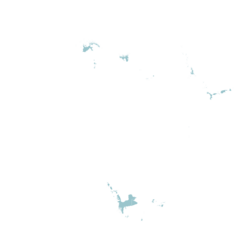
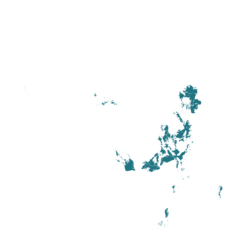
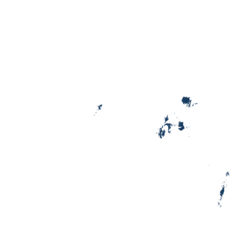
This technology can be used in the colored agro-ecological zones. Any zones shown in white are not suitable for this technology.











| AEZ | Subtropic - warm | Subtropic - cool | Tropic - warm | Tropic - cool |
|---|---|---|---|---|
| Arid | ||||
| Semiarid | ||||
| Subhumid | ||||
| Humid |
Source: HarvestChoice/IFPRI 2009
The United Nations Sustainable Development Goals that are applicable to this technology.

Selecting Broodstock:
Stocking Spawning Units:
Feeding and Temperature Control:
Monitoring Ovulation in Females:
Egg Collection and Incubation:
Transferring Fry to Rearing Units:
Hormonal Treatment (Optional):
Ensuring Proper Size Distribution:
Selection and Management of Broodstock for Future Cycles:
Provision of Adequate Resources:
Last updated on Sep 9, 2026
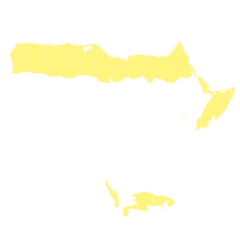
This technology can be used in the colored agro-ecological zones.













GIFT "Genetically Improved Farmed Tilapia": All Male Tilapia Fingerlings with Greater Yield and Uniformity
https://e-catalogs.taat-africa.org/com/technologies/gift-genetically-improved-farmed-tilapia-all-male-tilapia-fingerlings-with-greater-yield-and-uniformity
Last updated on 9 September 2026, printed on Sep 12, 2026
Enquiries e-catalogs@taat.africa