Logo
TAAT e-catalog for Development partners
https://e-catalogs.taat-africa.org/org/technologies/stepwise-climate-smart-investment-pathway
Request information View pitch brochure

Stepwise Climate Smart Investment Pathway

Accessible best agricultural practices for everyone

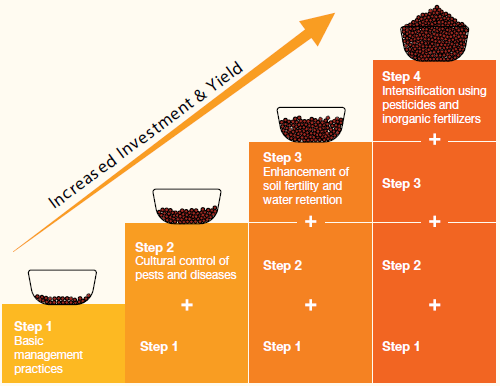
The Stepwise Climate Smart Investment Pathway (Stepwise) is an approach that breaks down the recommended best practices that many farmers cannot afford to implement into smaller, more affordable packages that can be implemented in phases. Stepwise considers specific agro-ecological variables and farmer needs and aspirations to guide incremental investment by the farmer in specific sets of, and timing of practices. This incremental investment is expected to subsequently increase coffee yields in a stepwise manner.
This technology is TAAT1 validated.

5•4

Scaling readiness: idea maturity 5/9; level of use 4/9

Adults 18 and over: Positive medium

The poor: Positive low

Under 18: No impact

Women: Positive medium

Climate adaptability: Highly adaptable

Farmer climate change readiness: Moderate improvement

Biodiversity: No impact on biodiversity

Carbon footprint: Same amount of carbon released

Environmental health: Does not improve environmental health

Soil quality: Does not affect soil health and fertility

Water use: Same amount of water used

Problem

  • High Costs: For instance, a farmer might be recommended to use a specific type of fertilizer or irrigation system that is beyond their financial means. This makes it difficult for them to improve their farming practices and increase their yield.

  • Agro-ecological Variables: A farmer in a region with heavy rainfall might struggle to implement a farming practice that is designed for areas with less rainfall. This mismatch between the practice and the agro-ecological conditions can lead to poor crop performance.

  • Farmer Needs and Aspirations: A farmer might aspire to grow a new type of crop but lacks the knowledge or resources to do so. Without guidance tailored to their specific needs and aspirations, they might make investments that do not yield the desired results.

  • Low Yields: A coffee farmer, for example, might be struggling with low yields due to pests or diseases. Without the right knowledge or resources, they might not know how to effectively address these issues to improve their yield.

  • Climate Change: A smallholder farmer in a region affected by climate change might experience unpredictable rainfall patterns. Without the resources and knowledge to implement Climate Smart Agriculture (CSA) practices, they might struggle to maintain their crop yield in the face of these changes. For instance, they might not know how to implement water conservation practices to cope with periods of drought.

Solution

  • Affordable Packages: For instance, instead of a farmer having to invest in a costly irrigation system all at once, the Stepwise approach might suggest starting with a smaller, more affordable drip irrigation system. As the farmer’s income increases, they can gradually upgrade their system.

  • Tailored Guidance: If a farmer is in a region with heavy rainfall, the Stepwise approach might guide them to invest in practices that are designed for such conditions, like certain types of crops or drainage systems. This reduces the risk of implementing a practice that won’t work well in their specific conditions.

  • Incremental Investments: A coffee farmer might be guided to first invest in disease-resistant coffee varieties and then, as their income increases, to invest in other practices like shade trees or organic fertilizers. This step-by-step investment can lead to a gradual increase in their coffee yields.

  • Climate Smart Agriculture: A farmer in a region affected by climate change might be guided to start by investing in drought-resistant crop varieties. As they are able to make further investments, they might be guided to implement water conservation practices or to diversify their crops to increase their resilience to climate change.

  • Farmer Empowerment: A farmer who aspires to grow a new type of crop might be guided on how to start small, perhaps by intercropping the new crop with their existing crops. As they learn and their new crop starts to generate income, they might be guided to gradually expand their cultivation of the new crop.

Key points to design your program

The Stepwise Climate Smart Investment Pathway enables farmers to adopt climate-smart agricultural practices through affordable, phased investments tailored to their needs and local conditions. The approach can be integrated into climate resilience, sustainable agriculture, livelihood improvement, and value chain development programs. Its adoption contributes to SDGs 1 (No Poverty), 2 (Zero Hunger), 8 (Decent Work and Economic Growth), and 13 (Climate Action).

To integrate this technology into your project, plan and budget for the following activities and prerequisites:

  • Assess farmer needs, climate risks, agro-ecological conditions, and production challenges in target communities.
  • Facilitate access to climate-smart technologies, extension services, and affordable investment packages adapted to local farming systems.
  • Support training for farmers, cooperatives, extension agents, women’s groups, and youth agripreneurs on climate-smart agriculture, farm planning, and incremental investment approaches.
  • Invest in demonstration plots, extension services, digital advisory tools, and climate information systems to promote awareness and adoption.
  • Promote phased and affordable investments that allow farmers to gradually adopt improved practices according to their resources and production goals.
  • Support the participation of women and youth in climate-smart agriculture and resilience-building activities.
  • Establish partnerships with IITA, research institutes, extension services, financial institutions, cooperatives, and private sector actors to support scaling and sustainability.
  • Track key indicators such as adoption of climate-smart practices, crop yields, farmer incomes, resilience to climate shocks, and number of farmers reached.

IP

Open source / open access

Scaling Readiness describes how complete a technology\’s development is and its ability to be scaled. It produces a score that measures a technology\’s readiness along two axes: the level of maturity of the idea itself, and the level to which the technology has been used so far.

Each axis goes from 0 to 9 where 9 is the “ready-to-scale” status. For each technology profile in the e-catalogs we have documented the scaling readiness status from evidence given by the technology providers. The e-catalogs only showcase technologies for which the scaling readiness score is at least 8 for maturity of the idea and 7 for the level of use.

The graph below represents visually the scaling readiness status for this technology, you can see the label of each level by hovering your mouse cursor on the number.

Read more about scaling readiness ›

Scaling readiness score of this technology

Maturity of the idea 5 out of 9

Controlled environment: model or early prototype

Level of use 5 out of 9

By some projects connected to technology providers

Maturity of the idea Level of use
9
8
7
6
5
4
3
2
1
1 2 3 4 5 6 7 8 9

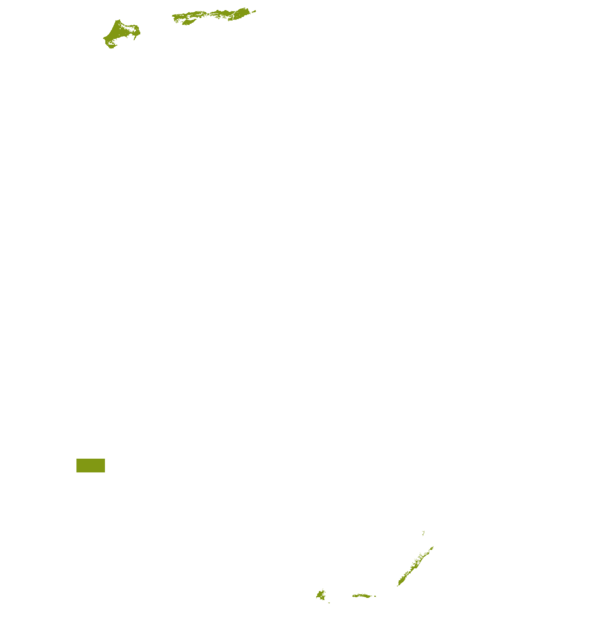
Countries with a green colour
Tested & adopted
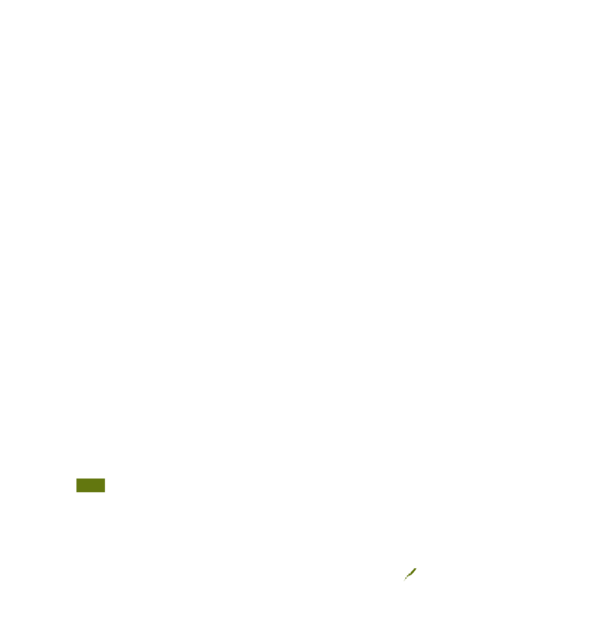
Countries with a bright green colour
Adopted
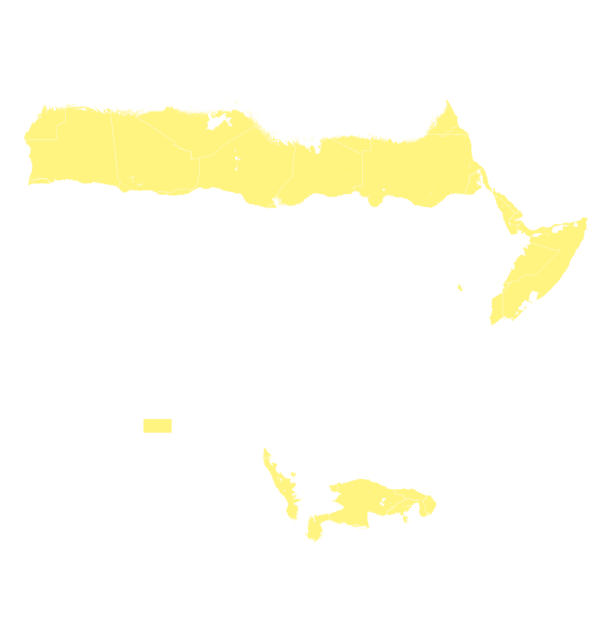
Countries with a yellow colour
Tested
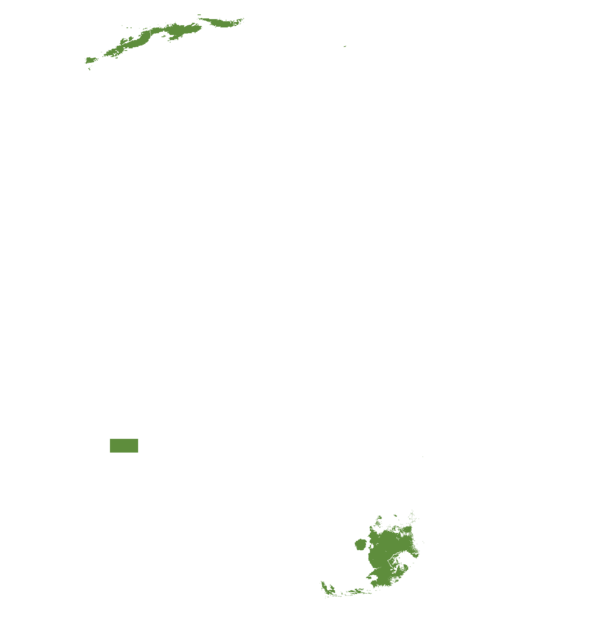
Countries with a blue colour
Testing ongoing
Egypt Equatorial Guinea Ethiopia Algeria Angola Benin Botswana Burundi Burkina Faso Democratic Republic of the Congo Djibouti Côte d’Ivoire Eritrea Gabon Gambia Ghana Guinea Guinea-Bissau Cameroon Kenya Libya Liberia Madagascar Mali Malawi Morocco Mauritania Mozambique Namibia Niger Nigeria Republic of the Congo Rwanda Zambia Senegal Sierra Leone Zimbabwe Somalia South Sudan Sudan South Africa Eswatini Tanzania Togo Tunisia Chad Uganda Western Sahara Central African Republic Lesotho
Countries where the technology is being tested or has been tested and adopted
Country Testing ongoing Tested Adopted
Ghana No ongoing testing Tested Adopted
Uganda No ongoing testing Tested Adopted

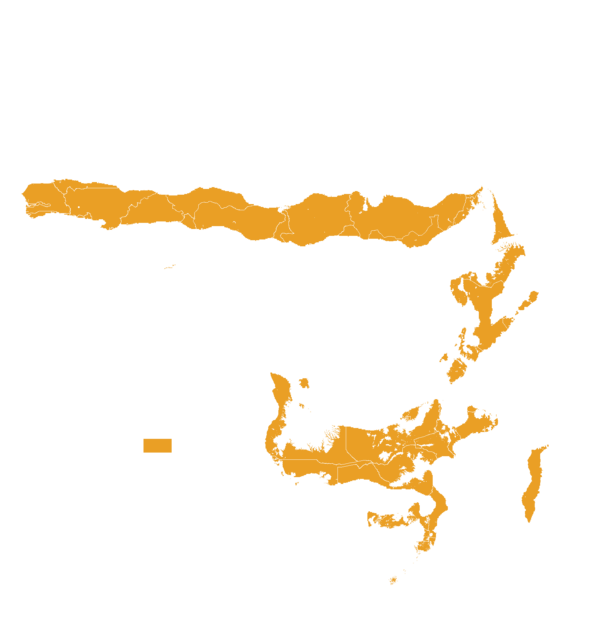
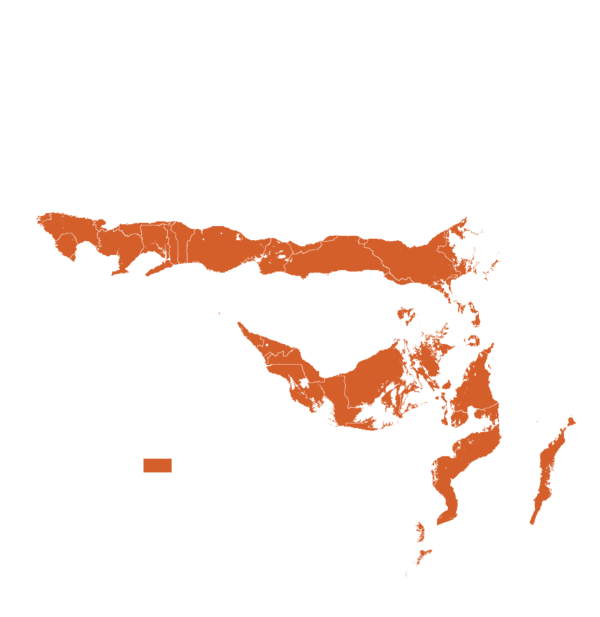
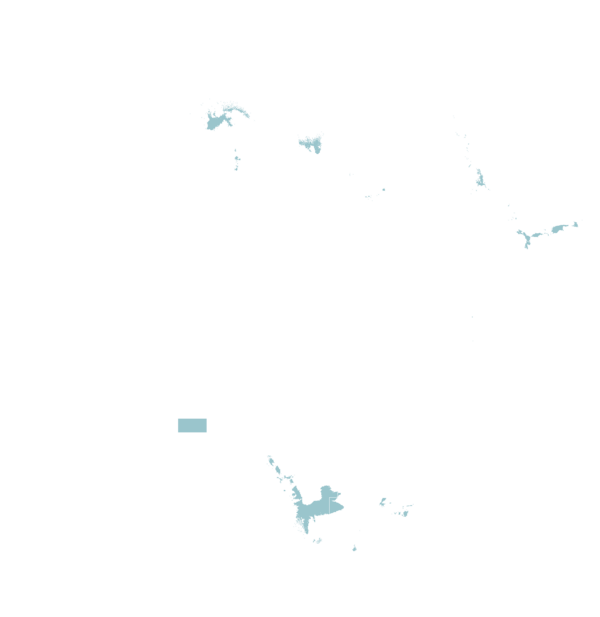
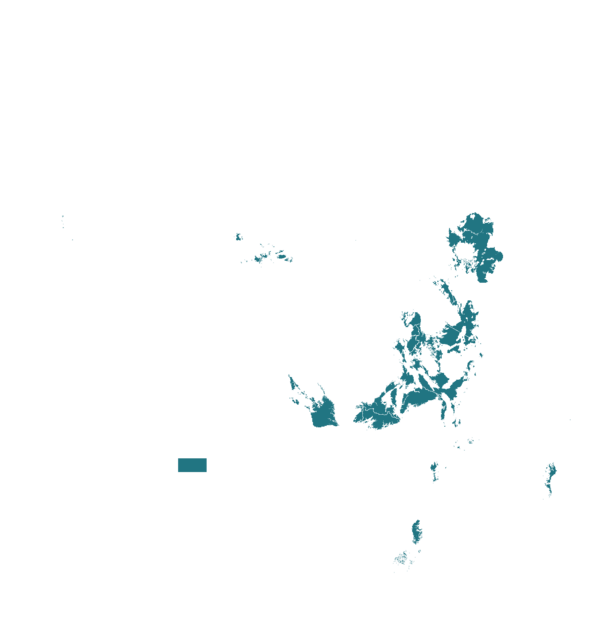
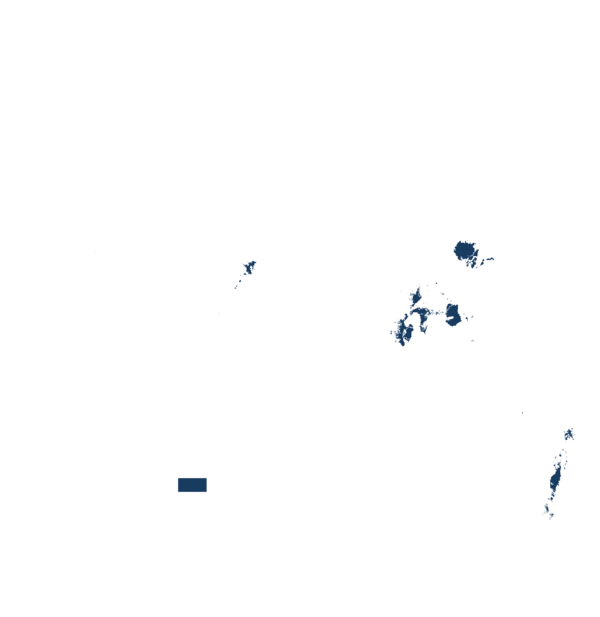
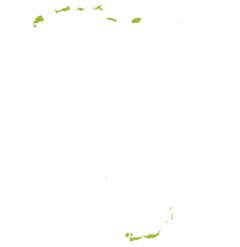
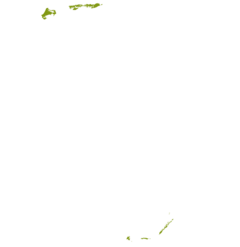
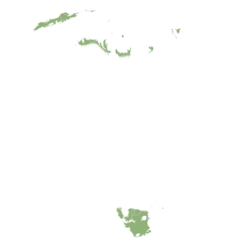
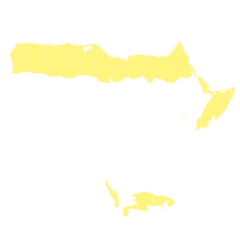
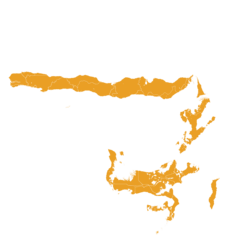
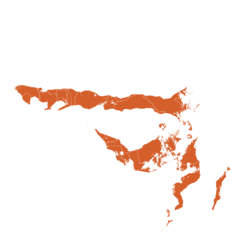
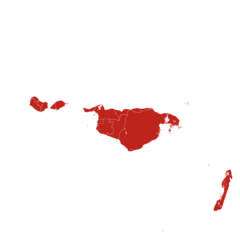
This technology can be used in the colored agro-ecological zones. Any zones shown in white are not suitable for this technology.
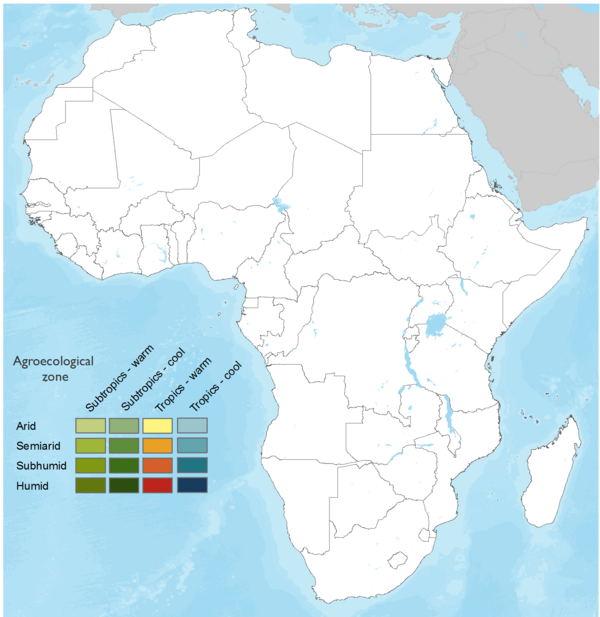
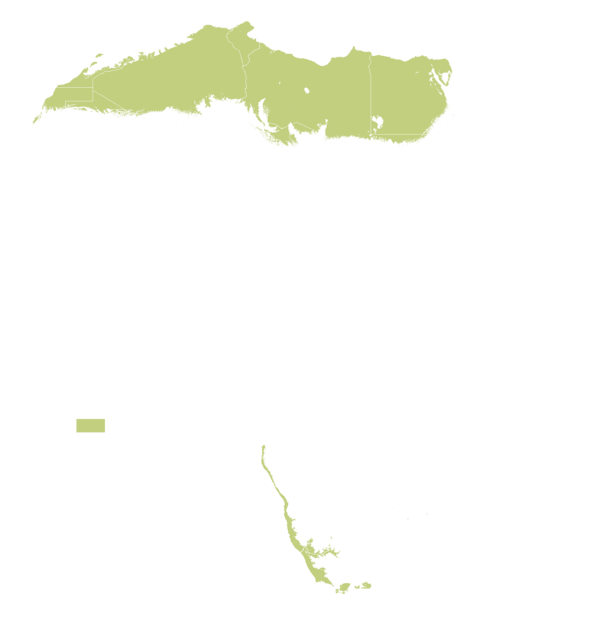
Agro-ecological zones where this technology can be used
AEZ Subtropic - warm Subtropic - cool Tropic - warm Tropic - cool
Arid
Semiarid
Subhumid
Humid

Source: HarvestChoice/IFPRI 2009

The United Nations Sustainable Development Goals that are applicable to this technology.
Sustainable Development Goal 2: zero hunger
Goal 2: zero hunger
Sustainable Development Goal 8: decent work and economic growth
Goal 8: decent work and economic growth
Sustainable Development Goal 10: reduced inequalities
Goal 10: reduced inequalities
Sustainable Development Goal 15: life on land
Goal 15: life on land

  1. Identification of Recommended Best Practices: Identify the recommended best practices that are often unaffordable for many farmers to implement. 
  2. Breaking Down into Smaller, Affordable Packages: Deconstruct these practices into smaller, more manageable and cost-effective packages.
  3. Phased Implementation Strategy: Design a phased implementation plan to incorporate these smaller packages in stages.
  4. Assessment of Agro-Ecological Variables and Farmer Needs: Consider specific agro-ecological variables and the needs of the farmers.
  5. Guiding Incremental Investment: Guide farmers on incremental investment in specific sets of practices according to their requirements and the timing of implementation.
  6. Informing Smallholder Farmers: Provide information to smallholder farmers regarding the most efficient incremental investments needed to improve coffee yields and enhance their livelihoods.
  7. Increasing Awareness and Knowledge: Increase awareness and knowledge about climate-smart agricultural practices, contributing to the resilience of smallholder farmers.
  8. Informing Public and Private Sectors: Inform both public and private sectors about more effective strategies for targeting extension support to smallholder coffee farmers.

Last updated on 2 July 2026