Logo
TAAT e-catalog for Development partners
https://e-catalogs.taat-africa.org/org/technologies/rok-varieties-high-yielding-climate-resilient-rice-varieties-for-africa
Request information View pitch brochure

ROK varieties: High Yielding Climate Resilient Rice Varieties for Africa

Climate resilient ROK varieties for enhanced rice productivity and nutrition

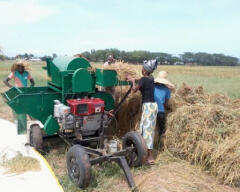
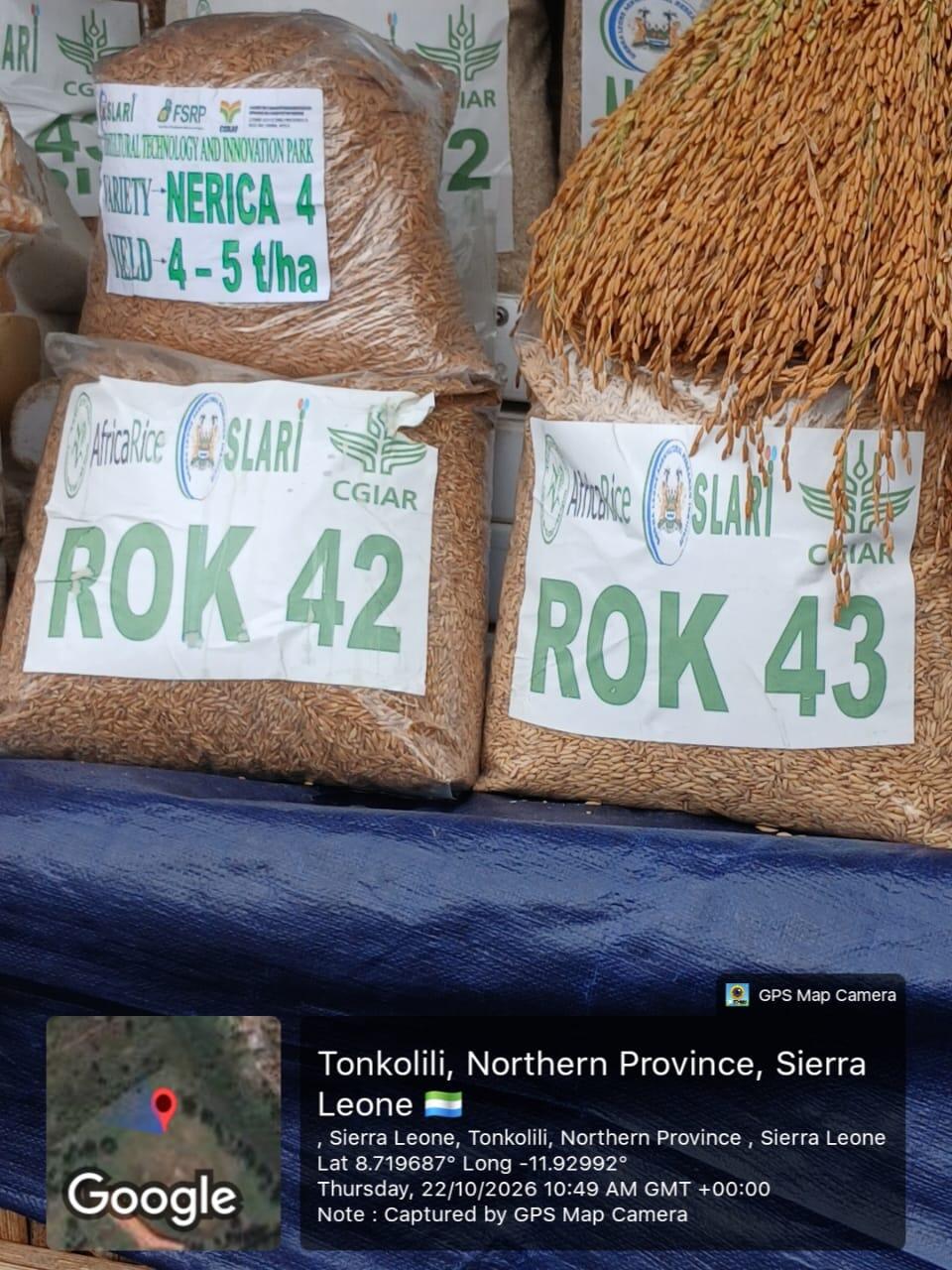
This technology is a group of improved, early-maturing rice varieties comprising ROK 42 and ROK 43, designed to help smallholder farmers improve rice production and manage environmental stresses. ROK 42 tolerates flooding and iron toxicity in rainfed lowlands, while ROK 43 tolerates drought in rainfed uplands. Their reported yield advantages of approximately 20% over ROK 24 and 15% over ROK 34, respectively, offer potential to improve household food availability and marketable surplus under suitable conditions. Both provide good milling and cooking qualities, with aromatic grains further distinguishing ROK 43. These characteristics support their use in programmes focused on resilient livelihoods and food security, while inclusive access to quality seed, training and extension is essential to reach women and resource-constrained farmers.
2

This technology is pre-validated.

9•9

Scaling readiness: idea maturity 9/9; level of use 9/9

Positive impacts: 12

Intersectional group

Potential positive impacts

Resource-constrained women farming flood- and iron-toxicity-affected lowlands

  • Production resilience: ROK 42’s tolerance can help protect production under these stresses.
  • Food availability: Its reported ~20% yield advantage over ROK 24 may increase household rice supplies.
  • Income opportunity: Additional marketable grain may support earnings where women control sales.

Resource-constrained young farmers in drought-prone uplands

  • Drought resilience: ROK 43’s tolerance can help manage unreliable rainfall.
  • Earlier harvest: Maturity in 90–96 days can bring forward food supplies and sales.
  • Marketable surplus: Its reported ~15% yield advantage over ROK 34 may increase grain available for sale.

Low-income smallholder households exposed to seasonal food shortages and climate shocks

  • Risk management: Selecting the locally appropriate variety can reduce exposure to specific production stresses.
  • Household consumption: Higher yields may increase rice retained for food.
  • Seasonal planning: Early maturity may help households manage harvest timing and seasonal risks.

Women and young entrepreneurs with limited capital entering seed multiplication or sales

  • Product opportunity: The two varieties serve distinct lowland and upland seed markets.
  • Customer appeal: Early maturity, reported yield gains and grain quality provide selling points.
  • Enterprise income: Seed multiplication and distribution offer potential earnings where demand and margins are viable.
More...

Climate adaptability: Highly adaptable

Flood/drought tolerance and early maturity support adaptation; suitability requires local validation.

Farmer climate change readiness: Moderate improvement

Supports seasonal risk management, conditional on seed access, training and crop management.

Biodiversity: No impact on biodiversity

Direct benefits are undocumented; habitat protection remains management-dependent.

Environmental health: Does not improve environmental health

Potentially reduces pesticide use and land-expansion pressure; benefits are unmeasured and management-dependent.

Soil quality: Does not affect soil health and fertility

Iron-toxicity tolerance does not improve soil; fertility benefits depend on soil and residue management.

Water use: A bit less water used

Drought tolerance supports adaptation; early maturity may reduce requirements, but savings are unverified.

Problem

  • Low farm productivity: Small harvests limit the rice available to feed farming households and reduce the surplus they can sell to meet other needs.
  • Livelihood insecurity: Unpredictable yields make agricultural income unreliable, complicating household spending and investment in subsequent cropping seasons.
  • Seasonal food insecurity: Poor harvests can leave households with insufficient rice stocks to cover their needs until the next harvest.
  • Climate vulnerability: Drought, flooding and irregular rainfall threaten crops and make rainfed farming livelihoods less predictable.
  • Soil constraints: Iron toxicity limits rice growth in affected lowland fields, adding to the production difficulties faced by farmers cultivating these areas.
  • Pests and diseases: Insect pests, blast and Rice Yellow Mottle Virus can reduce harvests and compound losses caused by environmental stresses.
  • Limited coping capacity: Households with few financial and productive resources have less capacity to withstand crop losses, maintain food supplies and finance the next season.

Solution

  • Household food availability: Reported yield advantages of approximately 20% for ROK 42 over ROK 24 and 15% for ROK 43 over ROK 34 can increase rice available for household consumption.
  • Livelihood opportunities: Higher production can generate additional marketable surplus, while good milling and cooking qualities support opportunities for processors and traders.
  • Resilience to shocks: ROK 42 tolerates flooding and iron toxicity in lowlands, while ROK 43 tolerates drought in uplands, helping farmers manage locally relevant stresses.
  • Earlier food supplies: Maturity in about 105 days for ROK 42 and 90–96 days for ROK 43 can bring forward harvests and the availability of rice for consumption or sale.
  • Reduced crop vulnerability: Reported resistance to lodging, blast and insect pests in both varieties, plus ROK 42’s resistance to Rice Yellow Mottle Virus, helps protect production.
  • Inclusive delivery: Seed distribution and training can deliberately reach women and resource-constrained farmers, although specific inclusion outcomes have not been measured.
  • Scaling potential: Complementary lowland and upland adaptation supports deployment across different farming environments in Sierra Leone; expansion elsewhere requires confirmation of local suitability.

Key points to design your program

Design support around smallholder households whose rice production is constrained by environmental stresses and low yields. Investment should connect access to suitable seed with farmer support and credible outcome monitoring, while assessing whether benefits can continue beyond donor funding.

  • Target beneficiaries: Prioritise smallholders in flood- and iron-toxicity-affected lowlands for ROK 42, and drought-prone uplands and suitable boli systems for ROK 43, subject to local suitability.
  • Development outcomes: Measure changes in household rice availability, marketable surplus and net farm income; distinguish expected benefits from demonstrated impacts.
  • Inclusion: Deliberately reach women and resource-constrained households through accessible seed distribution and training. Specific effects on women’s income, workload and decision-making have not been documented.
  • Implementation and partnerships: Coordinate with research institutions, local seed multipliers, extension services and farmer organisations to secure authentic seed, validate performance and provide locally appropriate crop management guidance.
  • Investment needs: Budget for seed multiplication and distribution, demonstrations, training, quality assurance and monitoring. The submission provides no verified programme costs or profitability estimates; clarify fertilizer recommendations before costing farmer input packages.
  • Evidence and risks: Reported yield advantages are approximately 20% for ROK 42 over ROK 24 and 15% for ROK 43 over ROK 34. These are reference results, not guaranteed programme outcomes; performance depends on local conditions, seed quality and management.
  • Sustainability: Assess seed affordability, farmer demand and local suppliers’ capacity to maintain quality seed availability after project support ends. Scale according to locally demonstrated results and applicable national requirements.

Cost vs. revenue

Data reliability of this estimate:: 80 %

Return on investment 23 %

Every USD invested returns USD 0.23 net income.

Detailed financial information ›

IP

Open source / open access

Technical characteristic ROK 42 ROK 43
Developer AfricaRice AfricaRice
Country and year of release Sierra Leone, 2025 Sierra Leone, 2025
Variety maintenance AfricaRice / SLARI AfricaRice / SLARI
Species Oryza sativa Oryza sativa
Genetic nature Pure line Pure line
Pedigree ART309-B-145-1-5 ART34-113-3-2-B-1
Parents NERICA-L-19//IRRI 119 WAB638-1/BRS PRIMAVERA
Production environment Rainfed lowlands: inland valley swamps, riverine lowlands and boli systems Rainfed uplands and boli systems
Days to 50% heading 75 days after sowing 60 days after sowing
Days to maturity About 105 days after sowing 90–96 days after sowing
Yield potential 6 t/ha 4.5 t/ha
Reported yield advantage Approximately 20% over ROK 24 Approximately 15% over ROK 34
Plant height 105 cm 115 cm
Tillering ability High High
Disease resistance Blast and Rice Yellow Mottle Virus (RYMV) Blast
Insect/pest resistance Reported; specific pests not identified Reported; specific pests not identified
Lodging resistance Reported Reported
Abiotic stress tolerance Flooding and iron toxicity Drought
1,000-grain weight 28.9 g 29.6 g
Grain shape and colour Medium; white Slender; white
Grain length × width Not provided 10.1 × 2.24 mm
Aroma Not specified Aromatic
Milling and cooking quality High milling recovery and good cooking quality; percentages not provided High milling recovery and good cooking quality; percentages not provided
Other reported traits Well-filled grains and attractive appearance Well-filled spikelets, attractive appearance, slow senescence and easy threshing
Seed rate 35–40 kg/ha in inland valley swamps; 60 kg/ha in boli systems 60 kg/ha
Plant spacing 20 × 20 cm 20 × 20 cm
Fertilizer recommendation as submitted NPK 15:15:15 at “60:40:40”; units and nutrient basis require clarification NPK 15:15:15 at “60:40:40”; units and nutrient basis require clarification

Yield potentials and reported advantages depend on growing conditions and crop management; suitability outside Sierra Leone requires local validation.

Scaling Readiness describes how complete a technology's development is and its ability to be scaled. It produces a score that measures a technology's readiness along two axes: the level of maturity of the idea itself, and the level to which the technology has been used so far.

Each axis goes from 0 to 9 where 9 is the “ready-to-scale” status. For each technology profile in the e-catalogs we have documented the scaling readiness status from evidence given by the technology providers. The e-catalogs only showcase technologies for which the scaling readiness score is at least 8 for maturity of the idea and 7 for the level of use.

The graph below represents visually the scaling readiness status for this technology, you can see the label of each level by hovering your mouse cursor on the number.

Read more about scaling readiness ›

Scaling readiness score of this technology

Maturity of the idea 9 out of 9

Uncontrolled environment: validated

Level of use 9 out of 9

Common use by intended users, in the real world

Maturity of the idea Level of use
9
8
7
6
5
4
3
2
1
1 2 3 4 5 6 7 8 9

Positive impact 12

Intersectional group

Potential positive impacts

Resource-constrained women farming flood- and iron-toxicity-affected lowlands

  • Production resilience: ROK 42’s tolerance can help protect production under these stresses.
  • Food availability: Its reported ~20% yield advantage over ROK 24 may increase household rice supplies.
  • Income opportunity: Additional marketable grain may support earnings where women control sales.

Resource-constrained young farmers in drought-prone uplands

  • Drought resilience: ROK 43’s tolerance can help manage unreliable rainfall.
  • Earlier harvest: Maturity in 90–96 days can bring forward food supplies and sales.
  • Marketable surplus: Its reported ~15% yield advantage over ROK 34 may increase grain available for sale.

Low-income smallholder households exposed to seasonal food shortages and climate shocks

  • Risk management: Selecting the locally appropriate variety can reduce exposure to specific production stresses.
  • Household consumption: Higher yields may increase rice retained for food.
  • Seasonal planning: Early maturity may help households manage harvest timing and seasonal risks.

Women and young entrepreneurs with limited capital entering seed multiplication or sales

  • Product opportunity: The two varieties serve distinct lowland and upland seed markets.
  • Customer appeal: Early maturity, reported yield gains and grain quality provide selling points.
  • Enterprise income: Seed multiplication and distribution offer potential earnings where demand and margins are viable.

Unintended impact 12

Intersectional group Potential unintended impacts Corresponding mitigation
Resource-constrained women farming flood- and iron-toxicity-affected lowlands
  • Workload increase: Larger harvests may add processing labour.
  • Income capture: Others may control additional sales revenue.
  • Financial exposure: Input spending may rise without assured returns.
Labour support: Facilitate shared harvesting and processing services.
Income control: Include women in marketing arrangements and household benefit discussions.
Phased adoption: Test small areas and assess net margins before expansion.
Resource-constrained young farmers in drought-prone uplands
  • Overconfidence: Drought tolerance may be mistaken for protection against all droughts.
  • Debt pressure: Borrowing for expansion may exceed realised earnings.
  • Price disappointment: Aromatic grain may not earn an expected premium.
  • Risk awareness: Explain performance limits and demonstrate local results.
  • Prudent investment: Use conservative budgets and phased investment.
  • Market verification: Check buyer preferences and prices before scaling.
Low-income smallholder households exposed to seasonal food shortages and climate shocks
  • Food–cash trade-off: Sales may leave inadequate household rice stocks.
  • Varietal concentration: Replacing existing varieties may narrow risk management options.
  • Resource strain: Expansion may stretch labour and input budgets.
  • Food planning: Account for household food needs before selling.
  • Gradual introduction: Retain locally useful varieties alongside initial plantings.
  • Capacity planning: Match planted area to household resources.
Women and young entrepreneurs with limited capital entering seed multiplication or sales
  • Unsold stocks: Demand may fall below production forecasts.
  • Quality liability: Poor-quality seed may damage trust and income.
  • Unequal returns: Larger partners may capture disproportionate margins.
  • Demand planning: Assess markets and seek advance orders where feasible.
  • Quality assurance: Maintain traceability, testing and appropriate storage.
  • Fair agreements: Clarify prices, responsibilities and payment terms.

Barriers 12

Intersectional group Potential barriers Corresponding mitigation
Resource-constrained women farming flood- and iron-toxicity-affected lowlands
  • Seed affordability: Limited cash may restrict purchases.
  • Land access: Limited control over suitable plots may restrict adoption.
  • Training access: Timing and mobility constraints may limit participation.
  • Affordable access: Offer accessible pack sizes and targeted seed support.
  • Land-use inclusion: Include women in plot selection and land-use arrangements.
  • Accessible training: Hold nearby demonstrations at suitable times.
Resource-constrained young farmers in drought-prone uplands
  • Working capital: Limited funds may delay seed and input purchases.
  • Land insecurity: Uncertain access may discourage investment.
  • Limited experience: Unfamiliar management may reduce performance.
  • Finance access: Link farmers to affordable, seasonally appropriate finance.
  • Secure arrangements: Support clear seasonal land-use agreements.
  • Practical support: Provide demonstrations and extension follow-up.
Low-income smallholder households exposed to seasonal food shortages and climate shocks
  • Seed availability: Quality seed may arrive too late for planting.
  • Adoption risk: Households may be unable to absorb a failed trial.
  • Management costs: Recommended inputs may exceed household budgets.
  • Timely supply: Estimate demand early and organise local distribution.
  • Small-scale trials: Support demonstration plots before wider adoption.
  • Local costing: Validate management requirements and costs before promotion.
Women and young entrepreneurs with limited capital entering seed multiplication or sales
  • Starting material: Authentic multiplication seed may be difficult to secure.
  • Quality requirements: Testing, certification and storage costs may constrain entry.
  • Market access: Limited distribution networks may restrict sales.
  • Supply agreements: Establish links with authorised seed sources.
  • Shared services: Facilitate quality assurance services and regulatory guidance.
  • Distribution partnerships: Connect entrepreneurs with agro-dealers, farmer organisations and extension providers.

Cost of the investment
Sum of all fixed and operational expenses.
USD 1,076
per hectare
Gross revenue
Sum of all income before subtracting costs.
USD 1,320
per hectare
Net income
Gross revenue minus total cost.
USD 244
per hectare
Return on investment
Percentage of income earned for each dollar invested, calculated as:
(income ÷ cost of investment) × 100
23 %
per hectare

References:

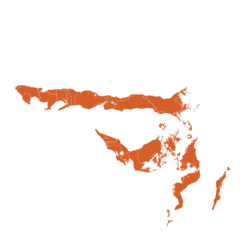
Countries with a green colour
Tested & adopted
Countries with a bright green colour
Adopted
Countries with a yellow colour
Tested
Countries with a blue colour
Testing ongoing
Egypt Equatorial Guinea Ethiopia Algeria Angola Benin Botswana Burundi Burkina Faso The Democratic Republic of the Congo Djibouti Côte d'Ivoire Eritrea Gabon Gambia Ghana Guinea Guinea-Bissau Cameroon Kenya Libya Liberia Madagascar Mali Malawi Morocco Mauritania Mozambique Namibia Niger Nigeria Congo Rwanda Zambia Senegal Sierra Leone Zimbabwe Somalia South Sudan The Republic of the Sudan South Africa Eswatini Tanzania, United Republic Togo Tunisia Chad Uganda Western Sahara Central African Republic Lesotho
Countries where the technology is being tested or has been tested and adopted
Country Testing ongoing Tested Adopted
Sierra Leone –No ongoing testing Tested Adopted

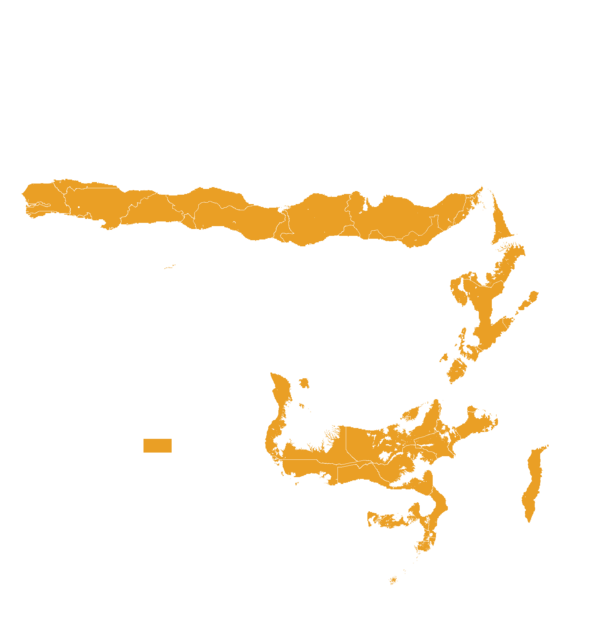
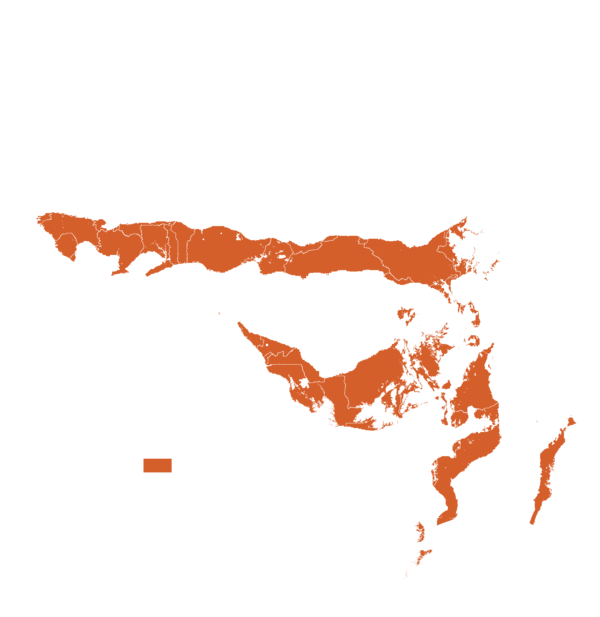
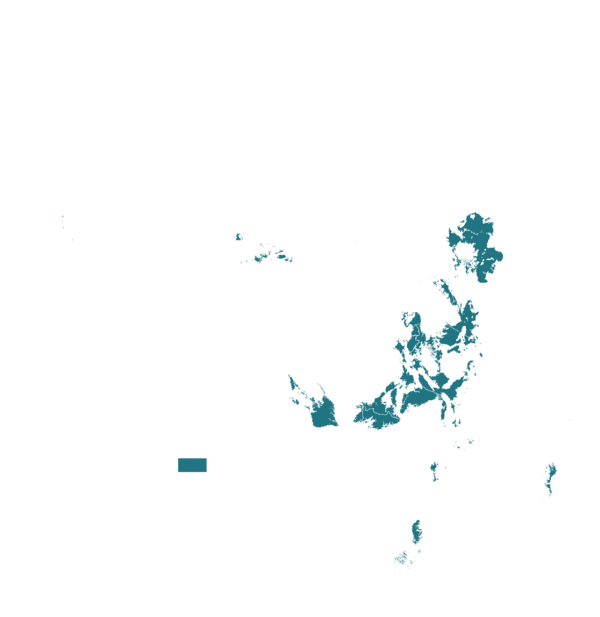
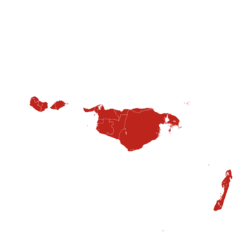
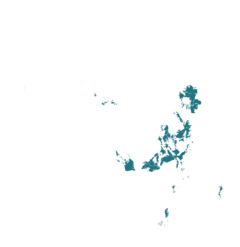
This technology can be used in the colored agro-ecological zones. Any zones shown in white are not suitable for this technology.
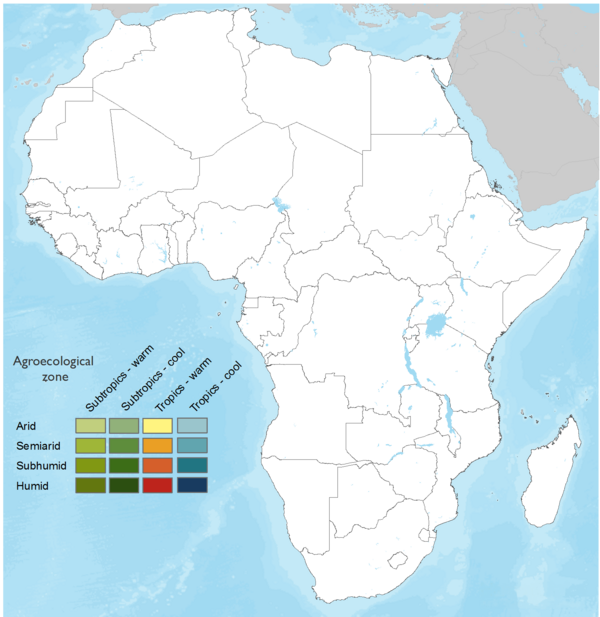
Agro-ecological zones where this technology can be used
AEZ Subtropic - warm Subtropic - cool Tropic - warm Tropic - cool
Arid – – – –
Semiarid –
Subhumid –
Humid –

Source: HarvestChoice/IFPRI 2009

The United Nations Sustainable Development Goals that are applicable to this technology.
Sustainable Development Goal 1: no poverty
Goal 1: no poverty

Increased marketable surplus may improve income; poverty impacts are unmeasured.
Sustainable Development Goal 2: zero hunger
Goal 2: zero hunger

Reported yield gains of approximately 20% and 15% support increased rice availability under suitable conditions.

Sustainable Development Goal 13: climate action
Goal 13: climate action

Flood and drought tolerance directly support adaptation; mitigation remains unverified.

  1. Select the appropriate variety: Use ROK 42 for rainfed lowlands, inland valley swamps (IVS), riverine lowlands and boli systems, particularly where flooding and iron toxicity occur; use ROK 43 for upland and boli systems where drought is a concern.
  2. Prepare the field: Clear and prepare a field suited to the selected variety to support seed establishment and crop growth.
  3. Plant at the start of reliable rains: Use 20 cm × 20 cm spacing, with seed rates of 35–40 kg/ha for ROK 42 in IVS, 60 kg/ha for ROK 42 in boli, and 60 kg/ha for ROK 43.
  4. Apply fertilizer and control weeds: The submission specifies NPK 15:15:15 at 60:40:40, but does not clarify the units or nutrient basis; confirm the application rate with local extension services and keep fields free of weeds, especially during early growth.
  5. Monitor crop health: Check regularly for pests and diseases; both varieties have reported resistance to blast, insect pests and lodging, while ROK 42 also resists Rice Yellow Mottle Virus.
  6. Harvest at maturity: Harvest ROK 42 at approximately 105 days after sowing and ROK 43 at 90–96 days, depending on growing conditions.
  7. Thresh, dry and store: Thresh harvested rice, dry the grain properly and store it in clean bags in a dry, well-ventilated place to maintain quality.

Last updated on Nov 10, 2026