TAAT e-catalog
for
Development partners
https://e-catalogs.taat-africa.org/org/technologies/improved-varieties-of-banana-for-the-african-highlands
Cultivate superior banana varieties for abundant yields and enhanced food security.
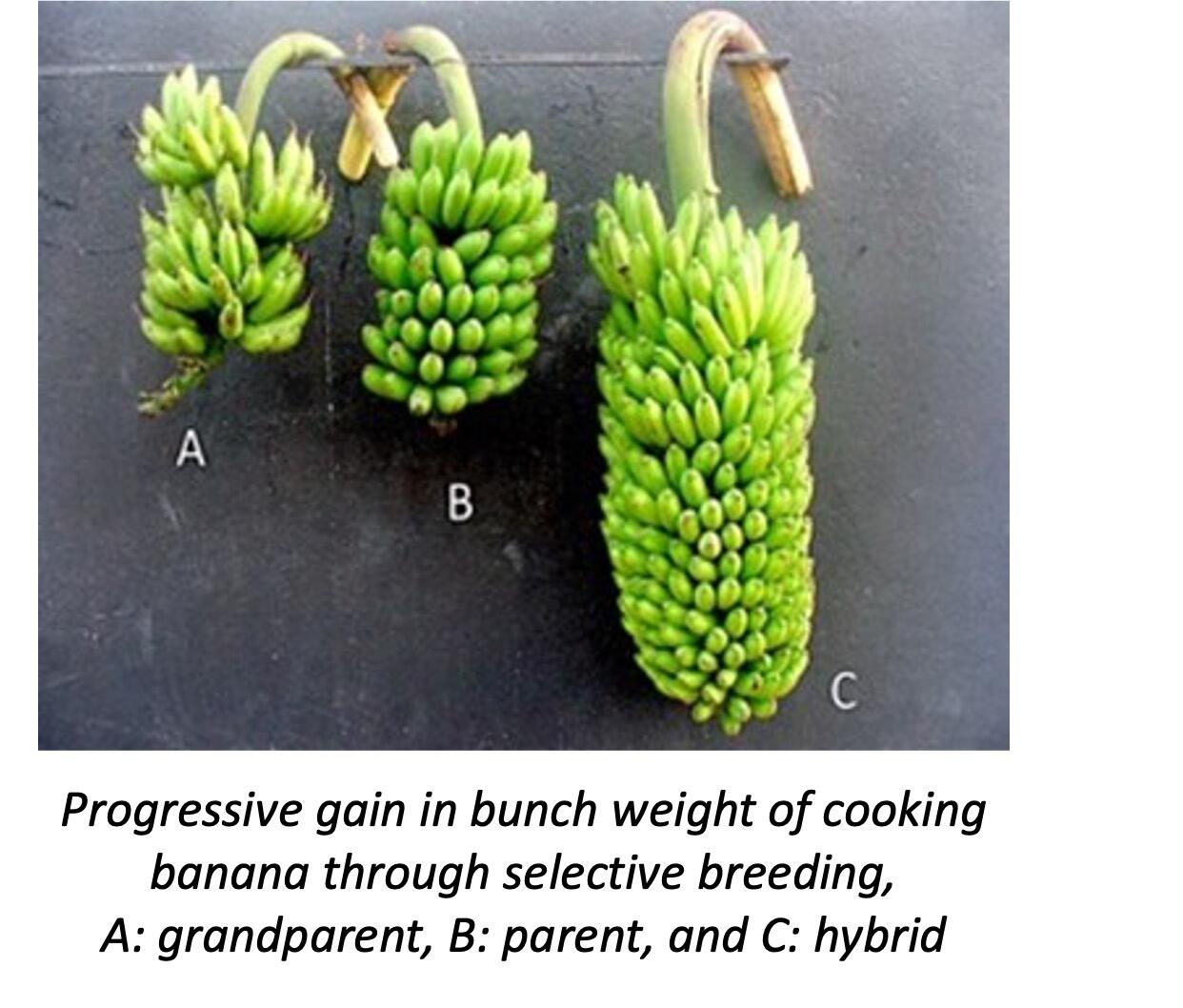
These disease-resistant hybrid banana varieties are characterized by their robust and compact bunches, bearing larger and heavier fruits compared to conventional cultivars. Among these hybrids, TARIBAN2 stands out for its exceptional sturdiness, effectively reducing vulnerability to wind damage. Moreover, these cultivars produce distinct sword-like leaves and have fewer suckers, except TARIBAN3. This technology provides a reliable and resilient alternative to traditional varieties, ensuring higher yields and increased food security. Additionally, these varieties exhibit notable resilience to black leaf streak, nematodes, and bunchy top disease, further bolstering their capacity to deliver consistent and dependable yields.
This technology is TAAT1 validated.
Adults 18 and over: Positive high
The poor: Positive high
Under 18: Positive medium
Women: Positive high
Climate adaptability: Highly adaptable
Farmer climate change readiness: Significant improvement
Biodiversity: No impact on biodiversity
Carbon footprint: Same amount of carbon released
Environmental health: Greatly improves environmental health
Soil quality: Does not affect soil health and fertility
Water use: Same amount of water used
Improved Banana Varieties for the African Highlands (NARITA hybrids) help restore banana productivity by replacing traditional varieties that are highly susceptible to pests, diseases, declining soil fertility, and drought. The technology provides high-yielding, disease-resistant hybrids that improve yield stability, strengthen household food security, and reduce the risk of crop failure across diverse production environments. It is well suited for food security, nutrition, and sustainable agricultural development programmes, contributing to SDGs 1 (No Poverty), 2 (Zero Hunger), and 3 (Good Health and Well-being). The technology also creates opportunities for women and youth through nursery enterprises, quality planting material production, and improved participation in banana value chains. To successfully integrate this technology, consider the following key actions:
per hectare for inputs
per hectare for labor
Open source / open access
Scaling Readiness describes how complete a technology's development is and its ability to be scaled. It produces a score that measures a technology's readiness along two axes: the level of maturity of the idea itself, and the level to which the technology has been used so far.
Each axis goes from 0 to 9 where 9 is the “ready-to-scale” status. For each technology profile in the e-catalogs we have documented the scaling readiness status from evidence given by the technology providers. The e-catalogs only showcase technologies for which the scaling readiness score is at least 8 for maturity of the idea and 7 for the level of use.
The graph below represents visually the scaling readiness status for this technology, you can see the label of each level by hovering your mouse cursor on the number.
Read more about scaling readiness ›
Uncontrolled environment: tested
Used by some intended users, in the real world
| Maturity of the idea | Level of use | |||||||||
| 9 | ||||||||||
| 8 | ||||||||||
| 7 | ||||||||||
| 6 | ||||||||||
| 5 | ||||||||||
| 4 | ||||||||||
| 3 | ||||||||||
| 2 | ||||||||||
| 1 | ||||||||||
| 1 | 2 | 3 | 4 | 5 | 6 | 7 | 8 | 9 | ||
| Country | Testing ongoing | Tested | Adopted |
|---|---|---|---|
| Burundi | –No ongoing testing | –Not tested | Adopted |
| Cameroon | –No ongoing testing | –Not tested | Adopted |
| Ethiopia | –No ongoing testing | –Not tested | Adopted |
| Malawi | –No ongoing testing | –Not tested | Adopted |
| Rwanda | –No ongoing testing | –Not tested | Adopted |
| South Sudan | –No ongoing testing | –Not tested | Adopted |
| Tanzania, United Republic | –No ongoing testing | –Not tested | Adopted |
| The Democratic Republic of the Congo | –No ongoing testing | –Not tested | Adopted |
| Uganda | –No ongoing testing | –Not tested | Adopted |
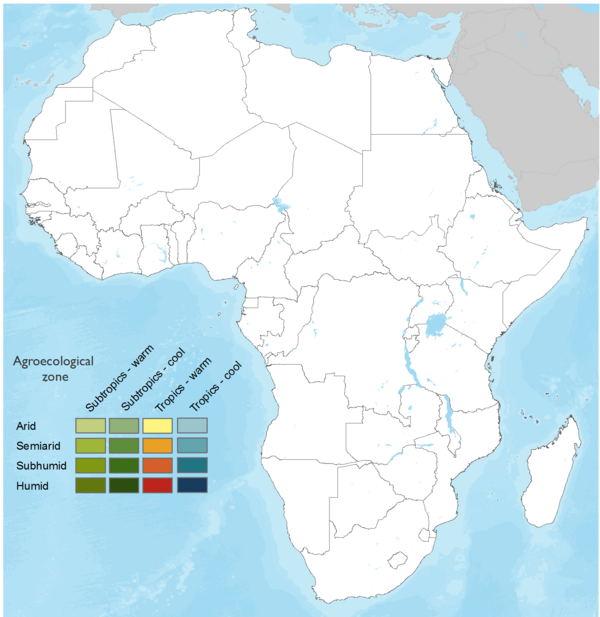
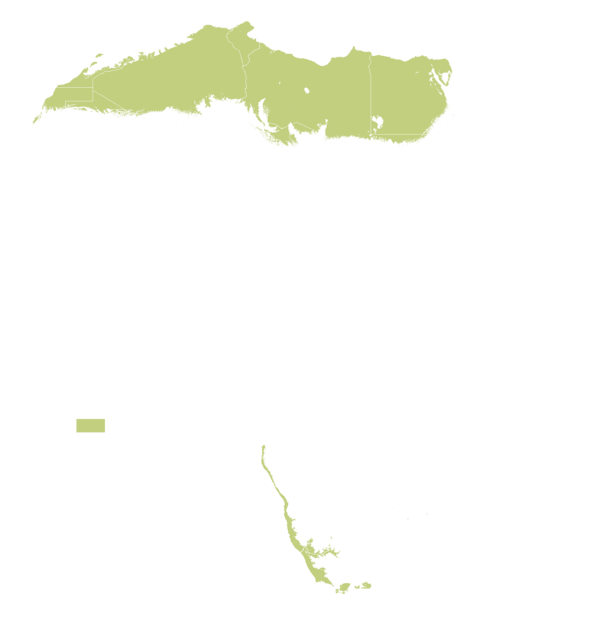
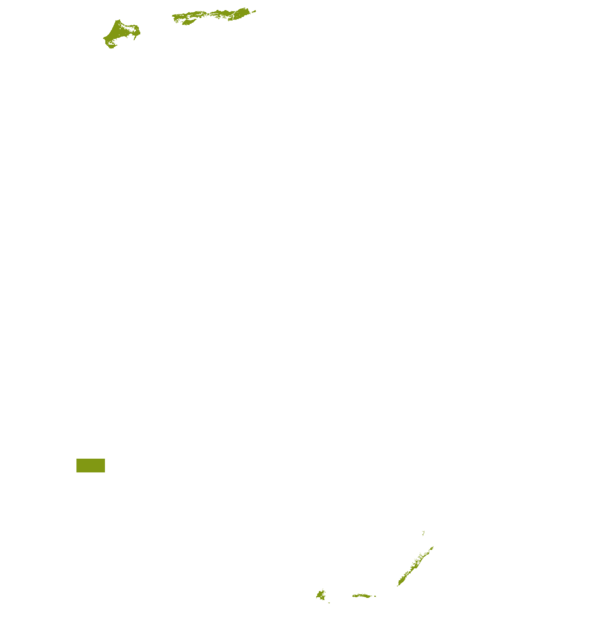
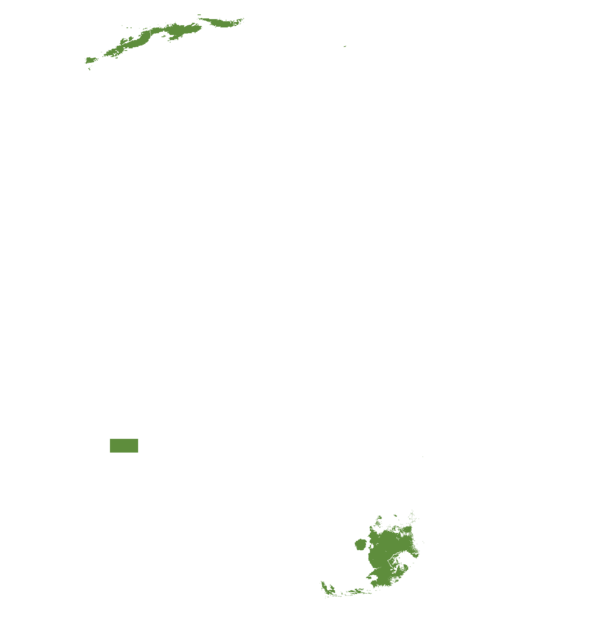
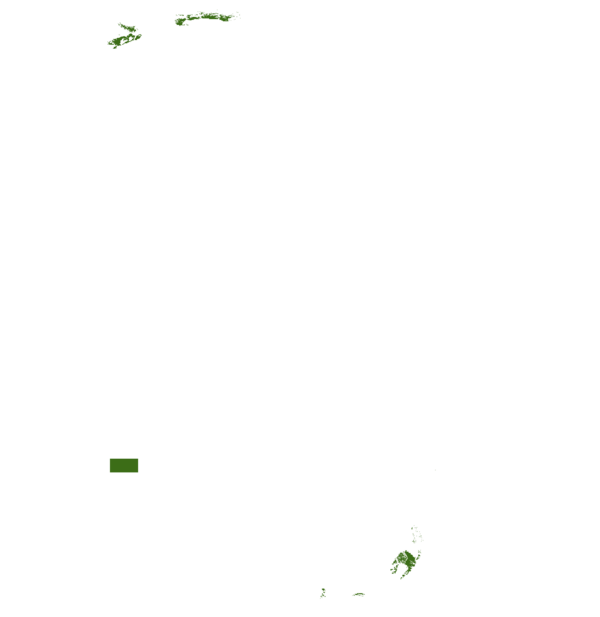
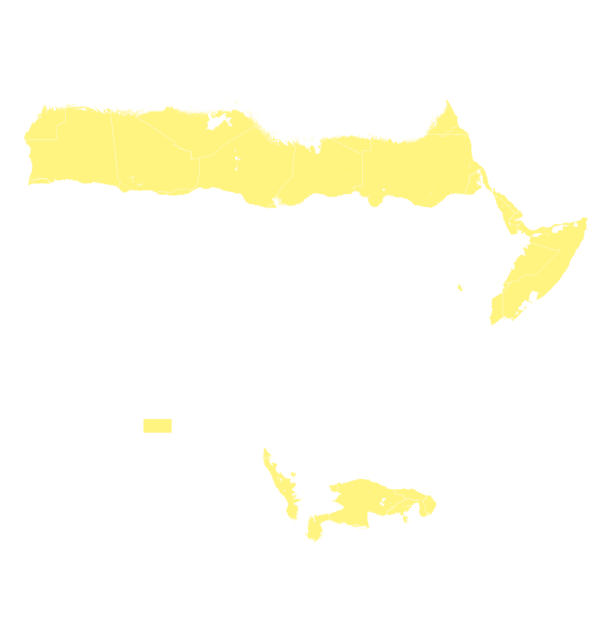
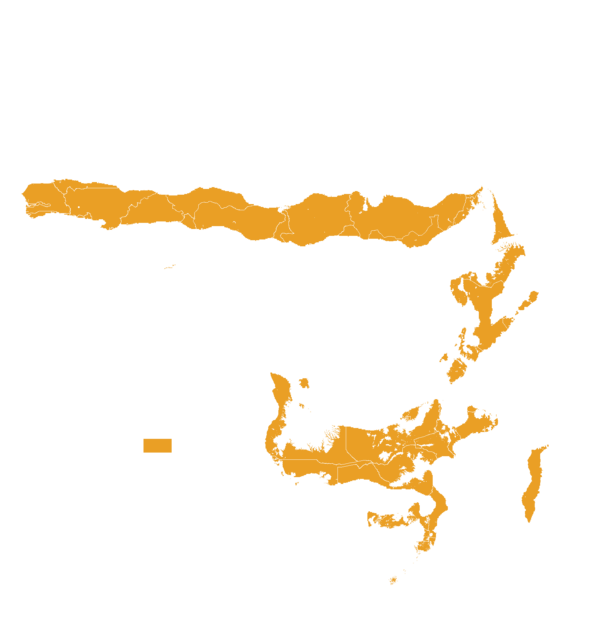
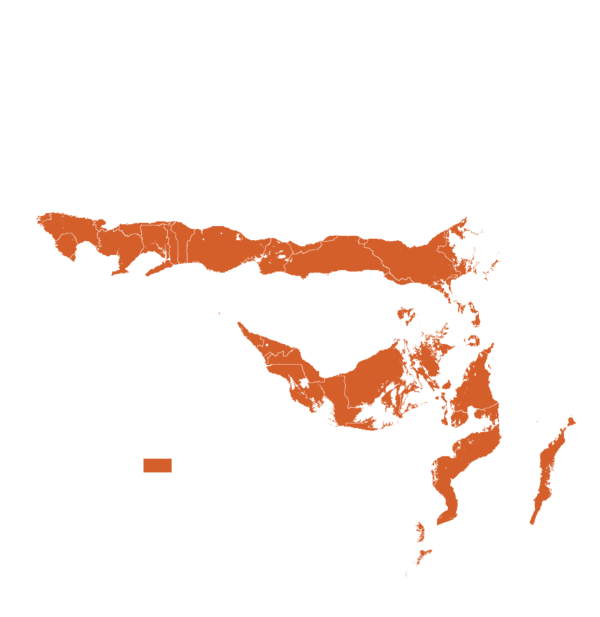
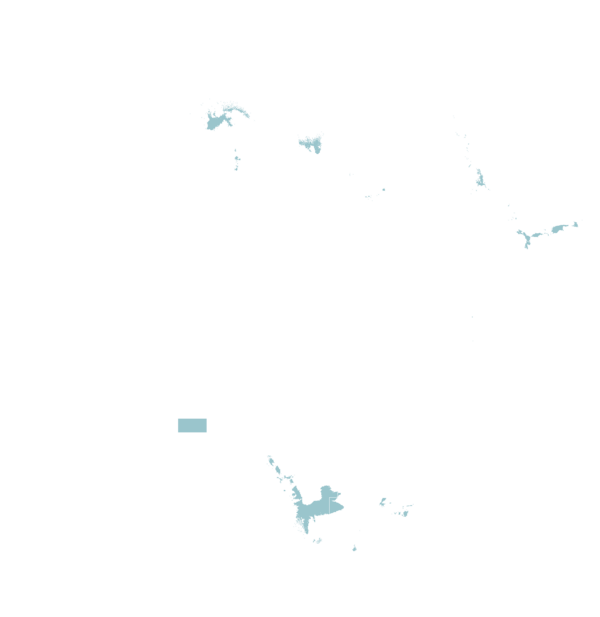
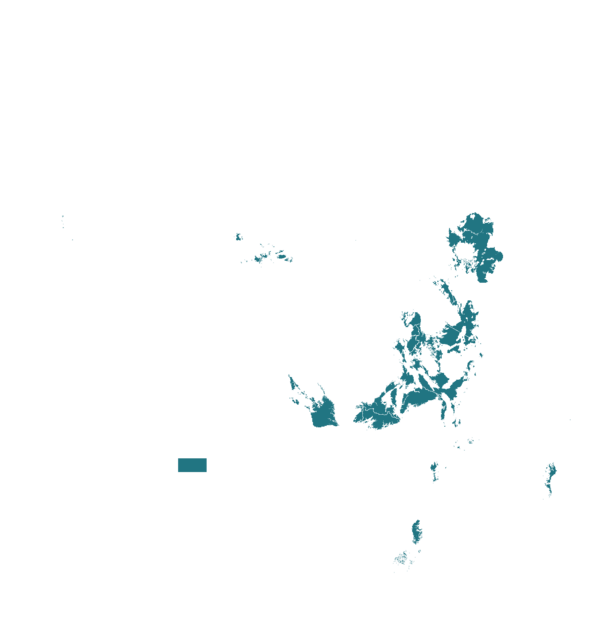
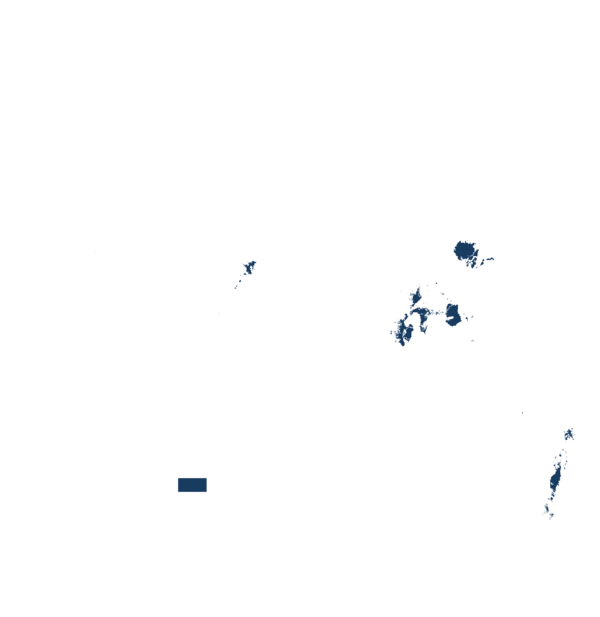
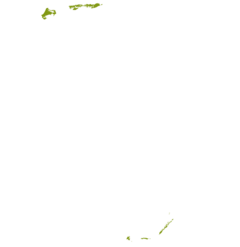
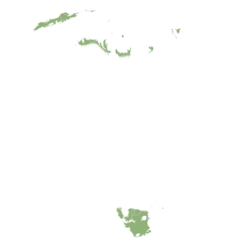
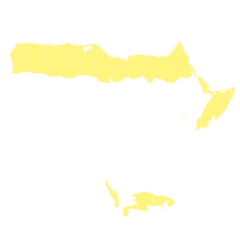
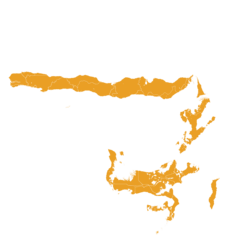
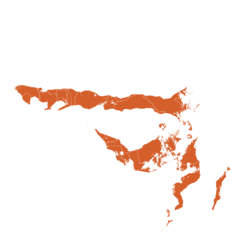
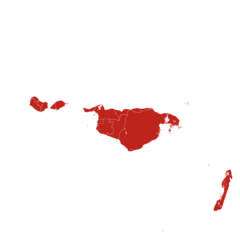
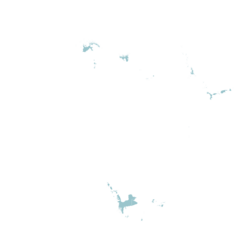
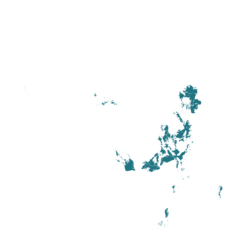
This technology can be used in the colored agro-ecological zones. Any zones shown in white are not suitable for this technology.






| AEZ | Subtropic - warm | Subtropic - cool | Tropic - warm | Tropic - cool |
|---|---|---|---|---|
| Arid | ||||
| Semiarid | ||||
| Subhumid | ||||
| Humid |
Source: HarvestChoice/IFPRI 2009
The United Nations Sustainable Development Goals that are applicable to this technology.

Last updated on Sep 21, 2026
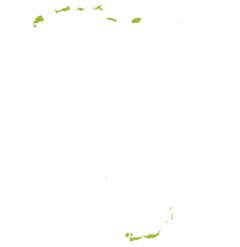
This technology can be used in the colored agro-ecological zones.








Improved Varieties of Banana for the African Highlands
https://e-catalogs.taat-africa.org/org/technologies/improved-varieties-of-banana-for-the-african-highlands
Last updated on 21 September 2026, printed on Oct 24, 2026
Enquiries e-catalogs@taat.africa