TAAT e-catalog
for
Development partners
https://e-catalogs.taat-africa.org/org/technologies/drought-and-virus-tolerant-orange-fleshed-sweet-potato
Resilient and Nutrient-Rich OFSP for Better Agriculture
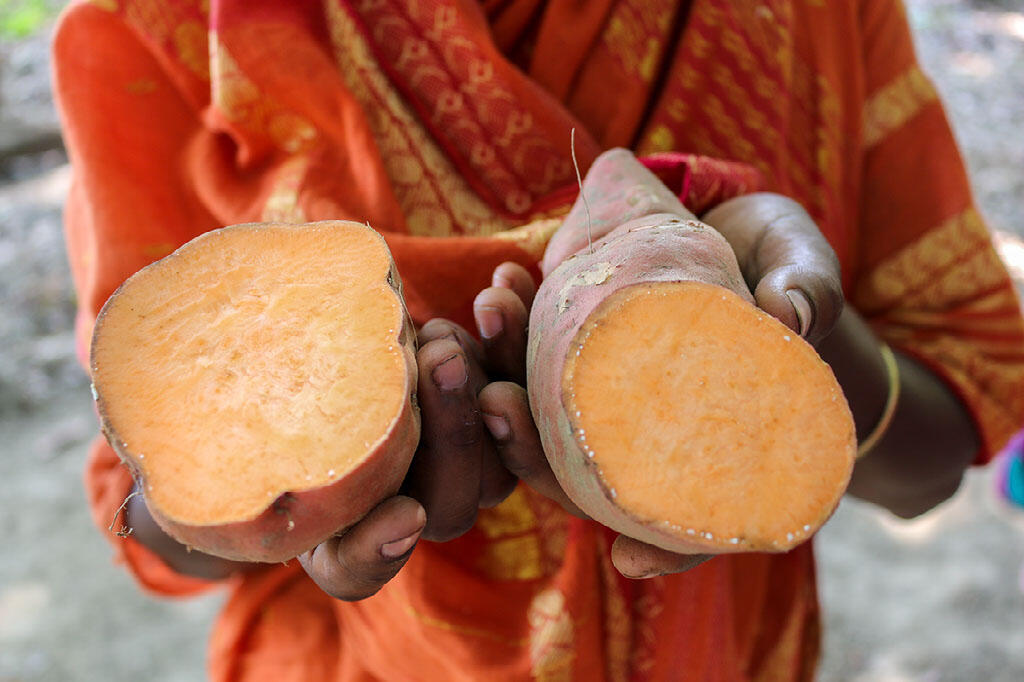
The orange-fleshed sweet potato (OFSP) technology is a variety of sweet potato adapted to drought, heat stress, and withstand infections by common viruses affecting the crop. Within an harvest maturity of 90 days, it can escape the risk tuber filling where rainfall is more uncertain toward the end of season. The technology of "Drought and Virus Tolerant Orange-Fleshed Sweet Potato" addresses agricultural challenges related to climate, pests, and viruses, while also promoting food security, nutrition, and economic sustainability in Sub-Saharan Africa.
This technology is TAAT1 validated.
| Project | Countries | Beneficiaries | Budget (USD) & duration | Key figures |
|---|---|---|---|---|
|
ESFSP Emergency Support to Food Security Project |
|
|
6.5 million 2022–2024 |
|
|
IsDB Root and Tuber IsDB Root and Tuber Value Chains Development Project |
|
|
550.000 2021-2026 |
|
Figures in italic are from project plans and may change during implementation.
Adults 18 and over: Positive high
Its provides a stable, nutritious food source and an opportunity to generate income from surplus yields, offering economic resilience in drought-prone areas.
The poor: Positive medium
It helps reduce vulnerability to food insecurity during droughts and supports a more consistent income stream through potential sales, improving livelihoods for poor families.
Under 18: Positive medium
Its helps improve nutrition for children, reducing risks of vitamin deficiencies in communities with limited access to diverse food sources.
Women: Positive medium
Its helps improve household income, allowing women to better support their families.
Climate adaptability: Highly adaptable
Its is well-suited for regions facing extreme weather, particularly drought, and performs consistently in low-water environments, making it an ideal crop for climate-affected regions.
Farmer climate change readiness: Significant improvement
Its empowers farmers to adapt to changing climate conditions by providing a reliable crop that can withstand droughts and reduce dependency on other, less resilient crops.
Biodiversity: Positive impact on biodiversity
Its supports crop diversity, helping to reduce reliance on monocultures and promote a healthier ecosystem that benefits from varied plant species.
Environmental health: Greatly improves environmental health
Its natural disease resistance minimizes the need for pesticides, contributing to a healthier ecosystem by reducing chemical exposure for surrounding plants, animals, and water sources.
Water use: Same amount of water used
A Solution for Sweet Potato farming in Africa
This technology addresses key challenges, particularly vulnerability to drought and viral diseases. In regions like sub-Saharan Africa, where sweet potatoes are a vital source of nutrition, it has demonstrated exceptional resilience, offering improved yields even under harsh climatic conditions. In Malawi, following the 2016 drought, 300,000 households were able to survive due to the high yields of this variety, demonstrating its impact on food security and economic resilience.
This technology supports several Sustainable Development Goals (SDGs): SDG 2 by improving food security and increasing yields, SDG 5 by empowering women farmers who are often responsible for sweet potato production, and SDG 13 by reducing reliance on water-intensive crops and minimizing the need for chemical interventions.
As part of the Sweet potato technologies toolkit, this technology works in synergy with other innovations such as Raised beds for sweet potato production and weed management. Together, they enhance the productivity and resilience of sweet potato plantations.
Ideal for development programs focused on improving food security, farmer incomes, and promoting sustainability, this technology offers a reliable, climate-resilient crop. Partnering with the International Potato Center (CIP) ensures technical support and ongoing monitoring for successful implementation.
Days to maturity
Open source / open access
Scaling Readiness describes how complete a technology's development is and its ability to be scaled. It produces a score that measures a technology's readiness along two axes: the level of maturity of the idea itself, and the level to which the technology has been used so far.
Each axis goes from 0 to 9 where 9 is the “ready-to-scale” status. For each technology profile in the e-catalogs we have documented the scaling readiness status from evidence given by the technology providers. The e-catalogs only showcase technologies for which the scaling readiness score is at least 8 for maturity of the idea and 7 for the level of use.
The graph below represents visually the scaling readiness status for this technology, you can see the label of each level by hovering your mouse cursor on the number.
Read more about scaling readiness ›
Semi-controlled environment: prototype
Common use by projects NOT connected to technology provider
| Maturity of the idea | Level of use | |||||||||
| 9 | ||||||||||
| 8 | ||||||||||
| 7 | ||||||||||
| 6 | ||||||||||
| 5 | ||||||||||
| 4 | ||||||||||
| 3 | ||||||||||
| 2 | ||||||||||
| 1 | ||||||||||
| 1 | 2 | 3 | 4 | 5 | 6 | 7 | 8 | 9 | ||
| Project | Countries | Beneficiaries | Budget (USD) & duration | Key figures |
|---|---|---|---|---|
|
ESFSP Emergency Support to Food Security Project |
|
|
6.5 million 2022–2024 |
|
|
IsDB Root and Tuber IsDB Root and Tuber Value Chains Development Project |
|
|
550.000 2021-2026 |
|
Figures in italic are from project plans and may change during implementation.
| Country | Testing ongoing | Tested | Adopted |
|---|---|---|---|
| Kenya | –No ongoing testing | Tested | Adopted |
| Mozambique | –No ongoing testing | Tested | Adopted |
| Uganda | –No ongoing testing | Tested | Adopted |
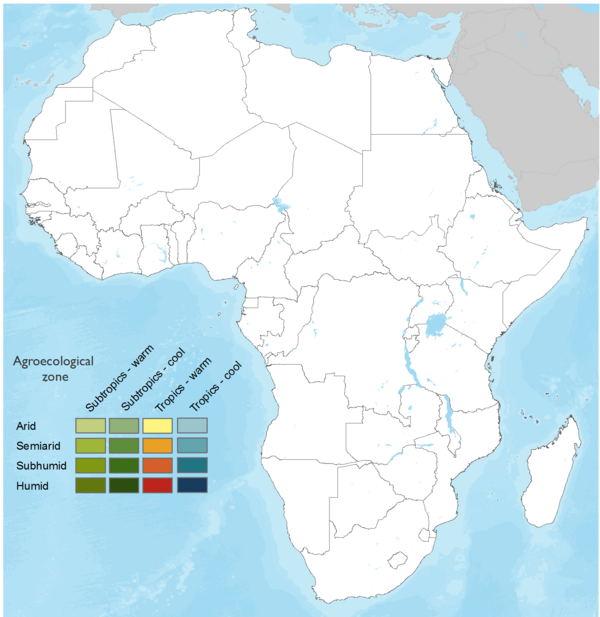
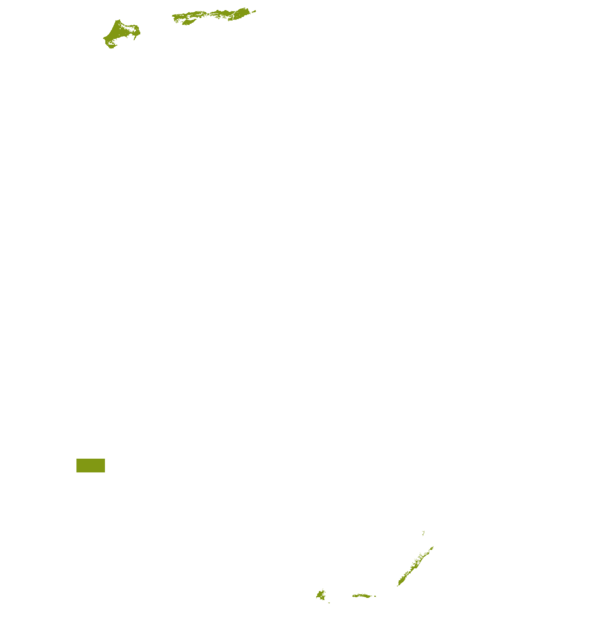
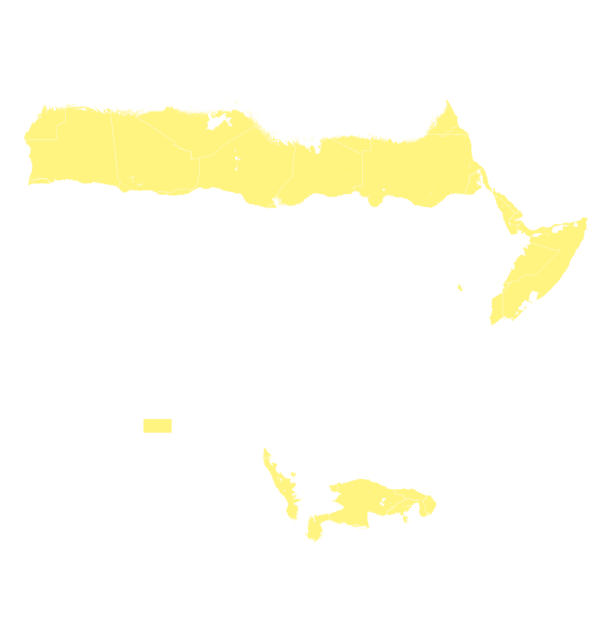
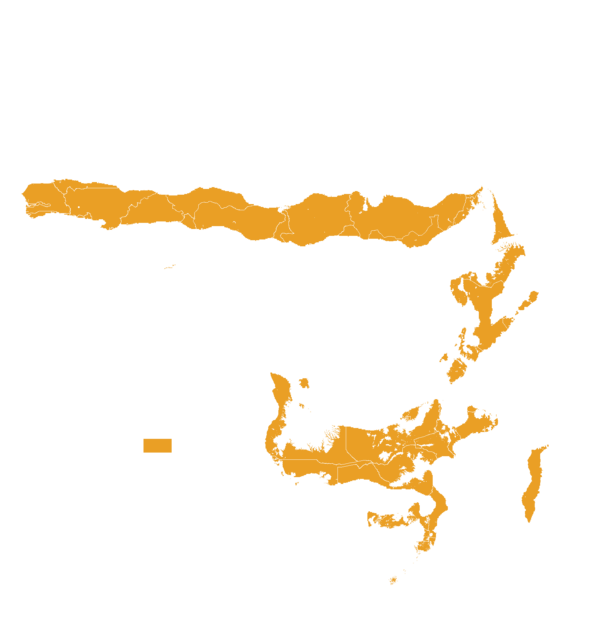
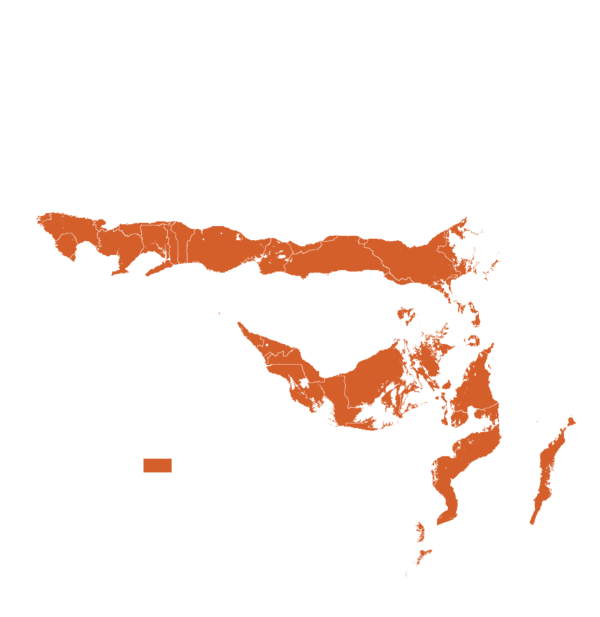
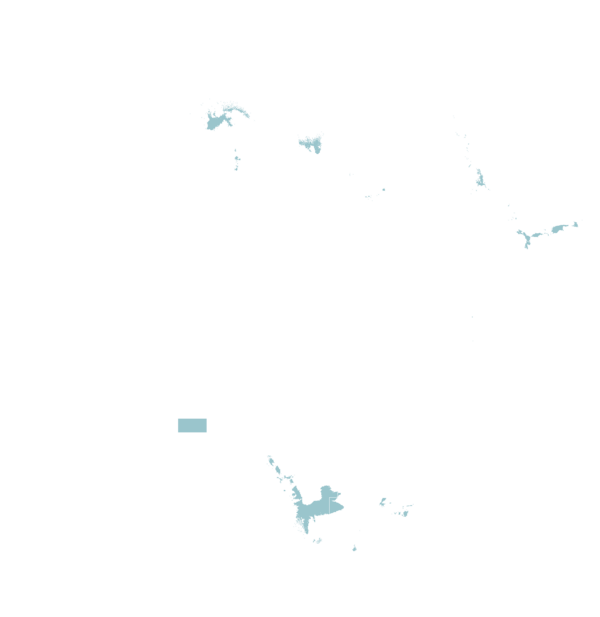
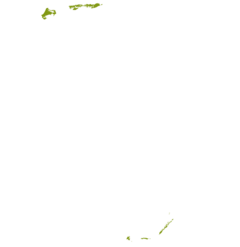
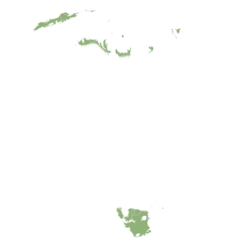
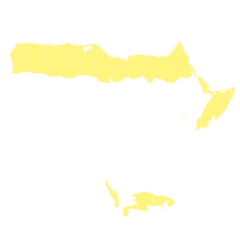
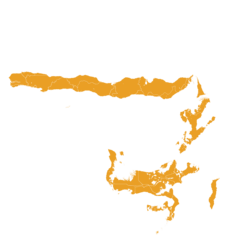
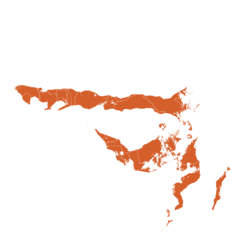
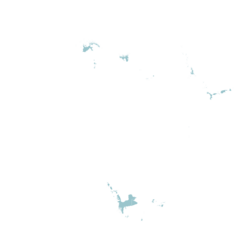
This technology can be used in the colored agro-ecological zones. Any zones shown in white are not suitable for this technology.
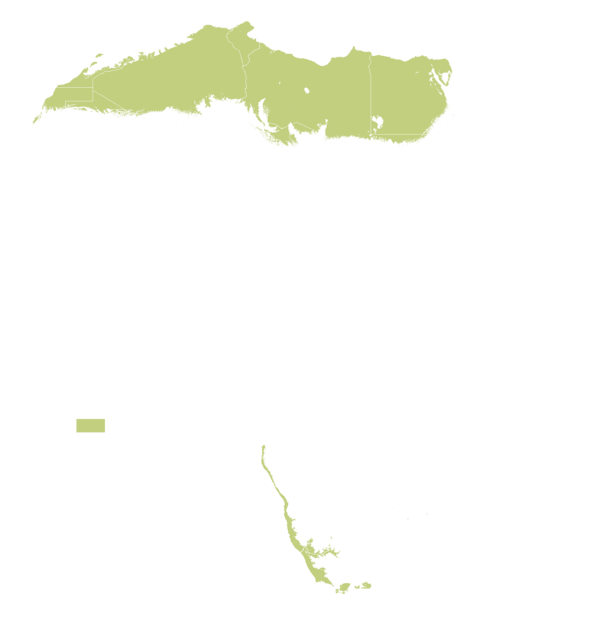


| AEZ | Subtropic - warm | Subtropic - cool | Tropic - warm | Tropic - cool |
|---|---|---|---|---|
| Arid | ||||
| Semiarid | – | – | ||
| Subhumid | – | – | ||
| Humid | – | – | – | – |
Source: HarvestChoice/IFPRI 2009
The United Nations Sustainable Development Goals that are applicable to this technology.
By enhancing food security with high yields under drought conditions, OFSP provides a reliable food source in regions susceptible to climate change, directly addressing hunger and malnutrition.
By contributing to better nutrition and health, particularly in communities vulnerable to nutrient deficiencies.

By reducing the need for water and chemical inputs, supporting sustainable farming practices that lower environmental impact.
To cultivate the drought and virus-tolerant orange-fleshed sweet potato varieties (OFSP), the following steps are required:
Choose drought and virus-tolerant OFSP varieties for propagation. Propagation material can be obtained from seeds, tubers, or vines.
The same procedures as non-adapted cultivars can be followed for propagation.
Cuttings from vines are the most commonly used planting material. Ensure the cuttings are healthy and disease-free.
Plant slips from tubers or cuttings from vines in nursery beds or by placing the base of the stem in water.
Select healthy slips or cuttings for planting. Ensure they have well-developed roots and shoots.
Plant the healthy slips or cuttings in the main field. Insert them at an angle into the soil. Maintain a spacing of 50cm between rows. Space the plants 30cm apart from each other.
Last updated on Sep 21, 2026
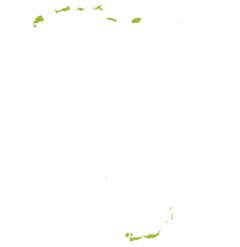
This technology can be used in the colored agro-ecological zones.



Drought and Virus Tolerant Orange-Fleshed Sweet Potato
https://e-catalogs.taat-africa.org/org/technologies/drought-and-virus-tolerant-orange-fleshed-sweet-potato
Last updated on 21 September 2026, printed on Oct 9, 2026
Enquiries e-catalogs@taat.africa