TAAT e-catalog
for
Development partners
https://e-catalogs.taat-africa.org/org/technologies/cassava-seed-bulking-farms

Quality cassava cuttings close to the fields
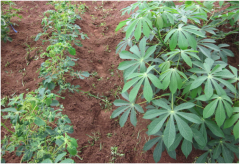
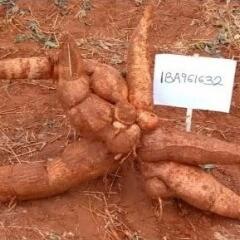
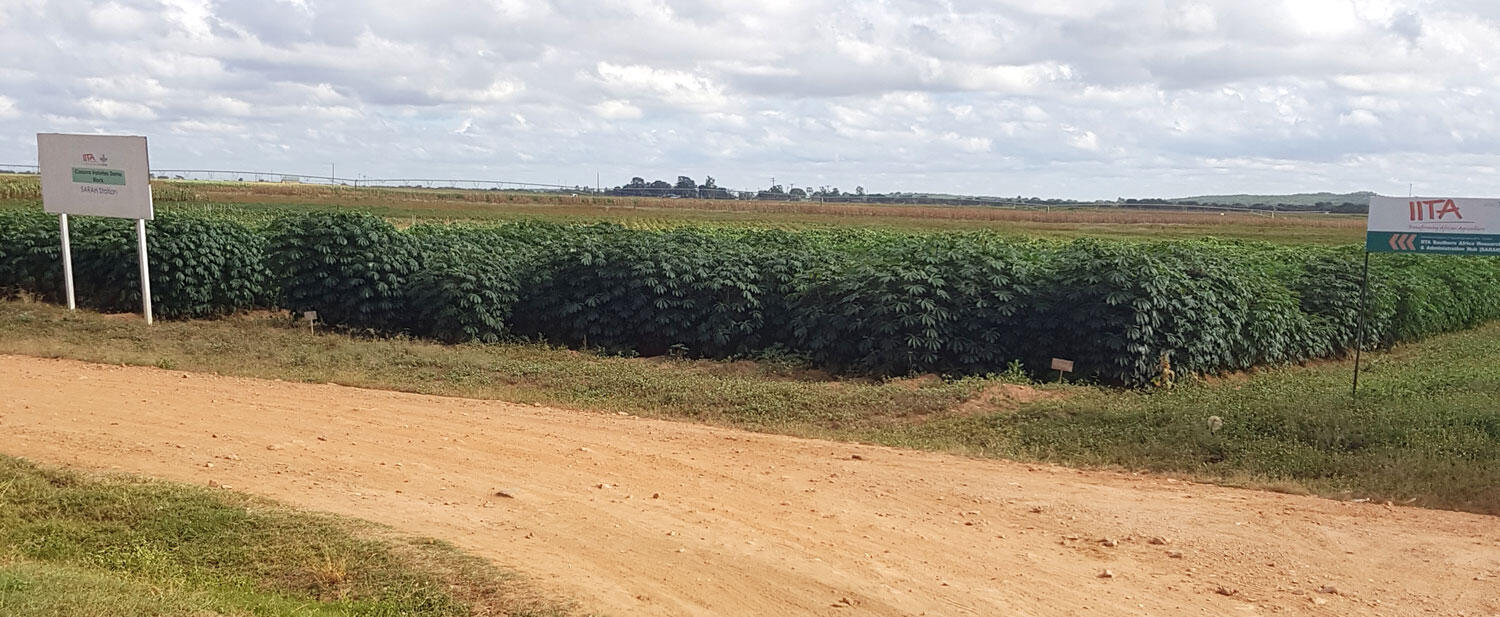
Seed-bulking farms for cassava provide quality planting material to smallholder farmers directly close to their field. Seed-bulking farms are decentralized systems of production of large amounts of cutting from improved cassava varieties that are free of pest and diseases. In addition to facilitating access to improved varieties, these farms reduce the cost of transporting cuttings to the farmers’ field, thus increasing the profitability.
This technology is TAAT1 validated.
| Project | Countries | Beneficiaries | Budget (USD) & duration | Key figures |
|---|---|---|---|---|
|
ENSURE Enabling Environments for Sustainable Regional Agriculture Extension |
|
|
13.14 million 2024–2027 |
|
Figures in italic are from project plans and may change during implementation.
Adults 18 and over: Positive high
Adults, particularly farmers, benefit from increased yields and improved cassava varieties, enhancing food security and generating higher incomes.
The poor: Positive high
Seed-bulking farms bring these materials closer to their communities, reducing the costs of procurement and transportation.
Under 18: Positive low
Establishing seed-bulking farms provides new opportunities for young people to engage in agriculture, especially in managing the farms, handling logistics, and marketing improved cassava stem cuttings.
Women: Positive high
The technology simplifies the process of obtaining and planting cassava cuttings, reducing the time and effort women typically invest in agricultural activities.
Climate adaptability: Highly adaptable
By providing access to disease-resistant and drought-tolerant cassava varieties, seed-bulking farms can enhance the climate adaptability of cassava crops. These improved varieties are more resilient to extreme weather conditions such as droughts and floods, making them suitable for cultivation in regions facing climate challenges.
Farmer climate change readiness: Significant improvement
Farmers have access to high-quality planting materials that are more resistant to pests, diseases, and climate variability, making them better equipped to deal with changing environmental conditions.
Biodiversity: Positive impact on biodiversity
The introduction of multiple improved varieties reduces dependence on a single type of cassava, thus supporting agro-biodiversity and enhancing ecosystem resilience.
Carbon footprint: Much less carbon released
Seed-bulking farms are localized, which minimizes the need for transporting planting materials over long distances, thus lowering greenhouse gas emissions related to logistics.
Environmental health: Greatly improves environmental health
Disease-resistant cassava varieties require fewer pesticides and herbicides, reducing environmental pollution and safeguarding local ecosystems from harmful chemical runoff.
Soil quality: Improves soil health and fertility
Seed-bulking farms promote good soil management practices, including the use of pest-resistant varieties that require fewer chemical inputs, thereby maintaining soil fertility and structure.
Water use: Same amount of water used
The ability to cultivate resilient varieties reduces the need for intensive irrigation practices, thus conserving water resources and contributing to the sustainable use of water in agriculture.
Cassava Seed Bulking Farms are decentralized seed multiplication systems that produce high-quality, disease-free cassava planting materials close to farmers' fields, improving access to improved varieties, reducing transport costs, and strengthening local seed systems. The technology can be integrated into cassava seed system development, food security, rural livelihood, and value chain development programs to increase cassava productivity and farmers' incomes. Its adoption contributes to SDGs 1 (No Poverty), 2 (Zero Hunger), and 8 (Decent Work and Economic Growth).
To integrate this technology into your project, plan and budget for the following activities and prerequisites:
per ha planted every 16 months
Open source / open access
Scaling Readiness describes how complete a technology's development is and its ability to be scaled. It produces a score that measures a technology's readiness along two axes: the level of maturity of the idea itself, and the level to which the technology has been used so far.
Each axis goes from 0 to 9 where 9 is the “ready-to-scale” status. For each technology profile in the e-catalogs we have documented the scaling readiness status from evidence given by the technology providers. The e-catalogs only showcase technologies for which the scaling readiness score is at least 8 for maturity of the idea and 7 for the level of use.
The graph below represents visually the scaling readiness status for this technology, you can see the label of each level by hovering your mouse cursor on the number.
Read more about scaling readiness ›
Uncontrolled environment: tested
Common use by projects NOT connected to technology provider
| Maturity of the idea | Level of use | |||||||||
| 9 | ||||||||||
| 8 | ||||||||||
| 7 | ||||||||||
| 6 | ||||||||||
| 5 | ||||||||||
| 4 | ||||||||||
| 3 | ||||||||||
| 2 | ||||||||||
| 1 | ||||||||||
| 1 | 2 | 3 | 4 | 5 | 6 | 7 | 8 | 9 | ||
| Project | Countries | Beneficiaries | Budget (USD) & duration | Key figures |
|---|---|---|---|---|
|
ENSURE Enabling Environments for Sustainable Regional Agriculture Extension |
|
|
13.14 million 2024–2027 |
|
Figures in italic are from project plans and may change during implementation.
| Country | Testing ongoing | Tested | Adopted |
|---|---|---|---|
| Democratic Republic of the Congo | –No ongoing testing | Tested | Adopted |
| Kenya | –No ongoing testing | Tested | Adopted |
| Nigeria | –No ongoing testing | Tested | Adopted |
| Tanzania | –No ongoing testing | Tested | Adopted |
| Zambia | –No ongoing testing | Tested | Adopted |
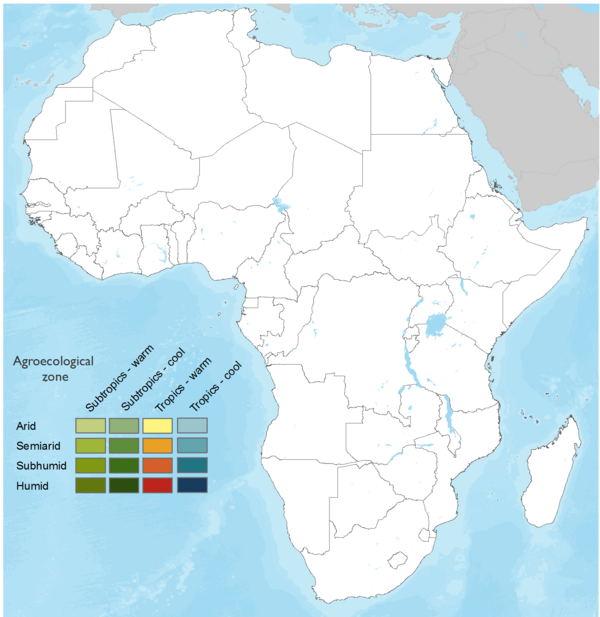
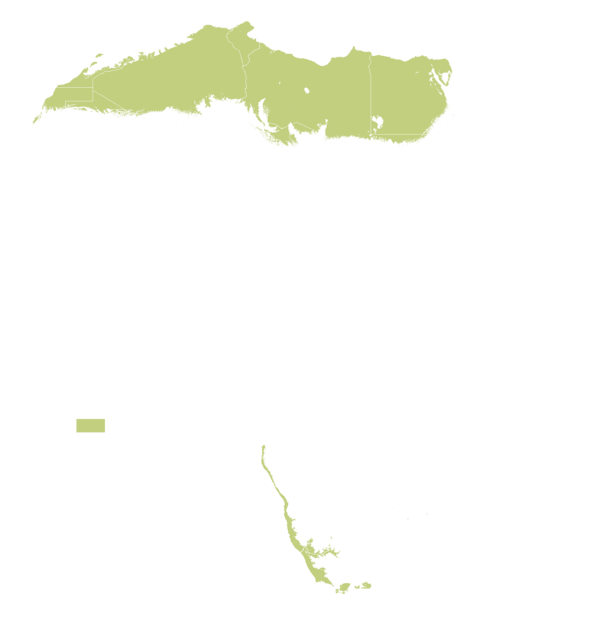
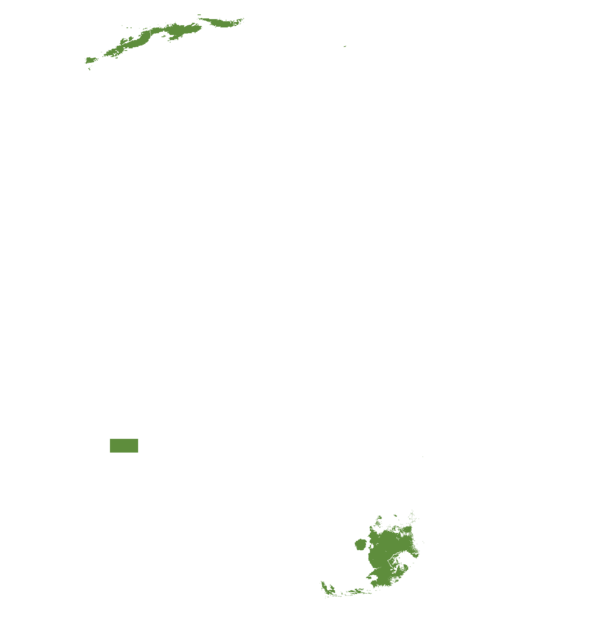
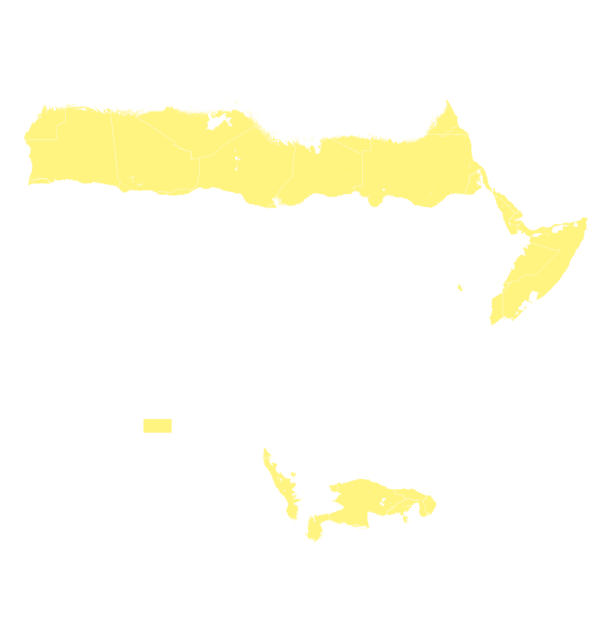
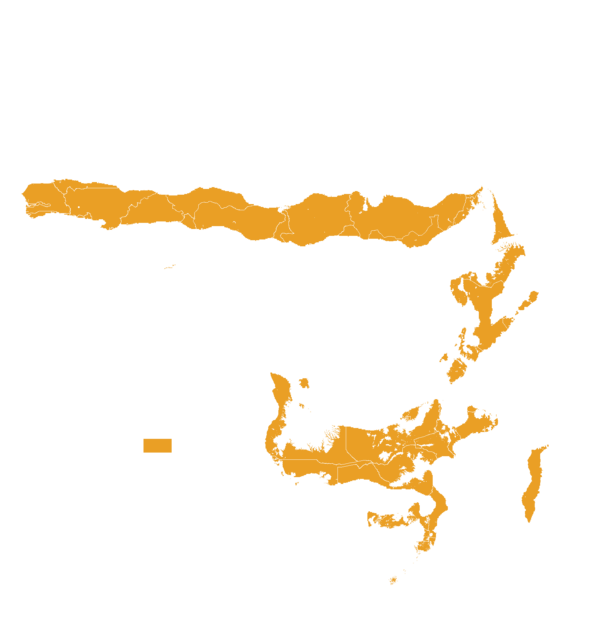
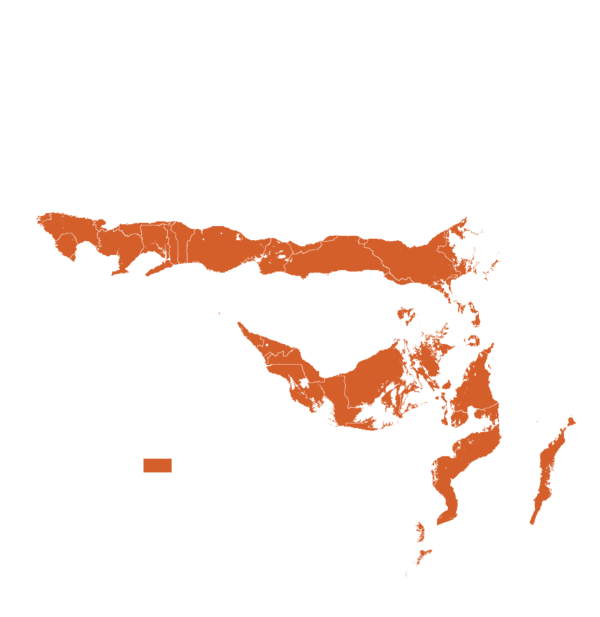
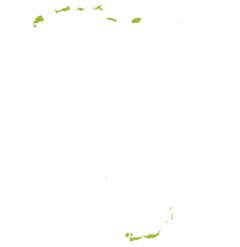
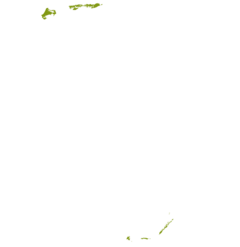
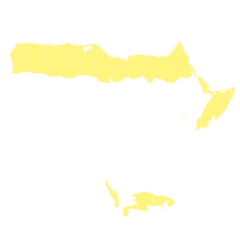
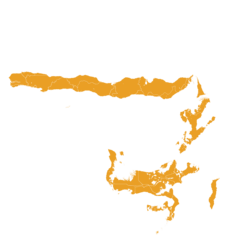
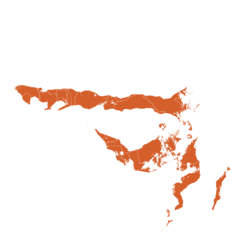
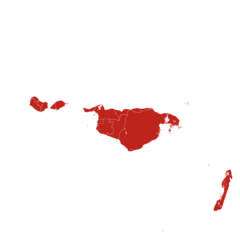
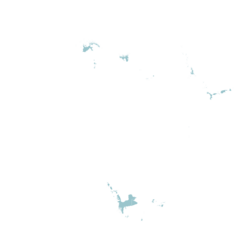
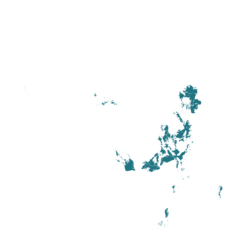
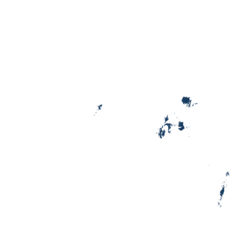
This technology can be used in the colored agro-ecological zones. Any zones shown in white are not suitable for this technology.







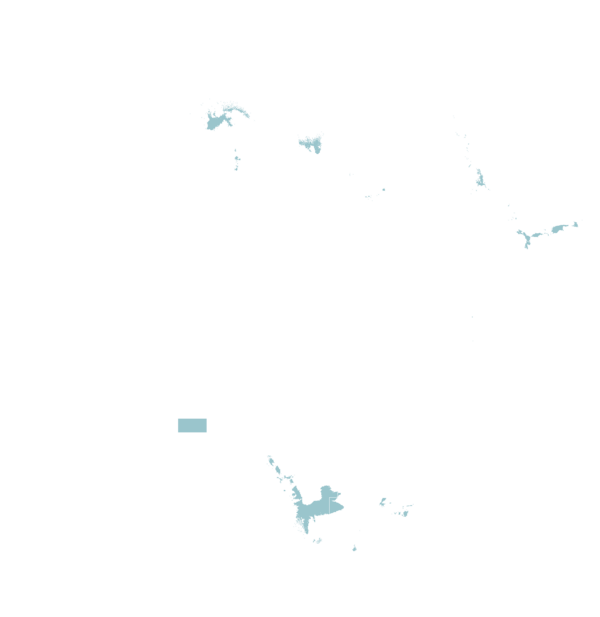

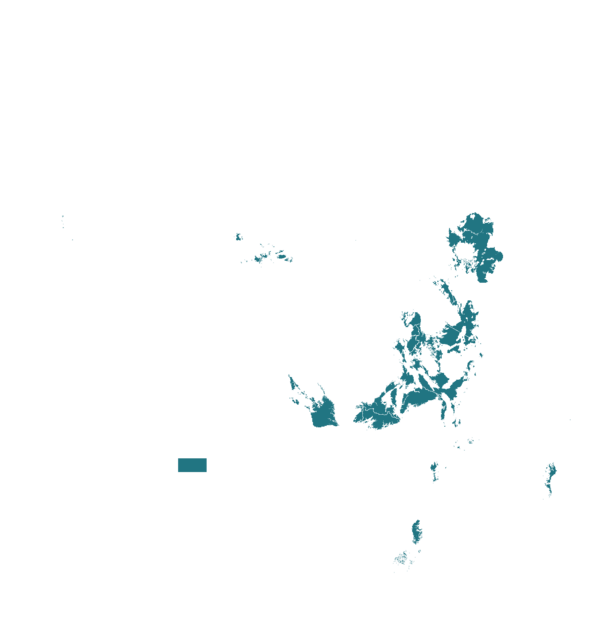

| AEZ | Subtropic - warm | Subtropic - cool | Tropic - warm | Tropic - cool |
|---|---|---|---|---|
| Arid | ||||
| Semiarid | ||||
| Subhumid | ||||
| Humid |
Source: HarvestChoice/IFPRI 2009
The United Nations Sustainable Development Goals that are applicable to this technology.
By improving access to high-quality cassava planting materials, seed-bulking farms boost productivity, allowing smallholder farmers to produce more and earn higher incomes. This helps lift communities, particularly in rural areas, out of poverty.
The technology enables farmers to access disease-resistant and high-yielding cassava varieties, which increases agricultural productivity. This results in greater food availability, reducing hunger and improving nutrition in regions where cassava is a staple crop.
The technology improves agricultural efficiency, enabling farmers to produce more with fewer inputs, which drives economic growth and development in rural communities.
To establish a Cassava Seed-Bulking Farm, the following steps are required:
Last updated on Oct 1, 2026
This technology can be used in the colored agro-ecological zones.









Cassava seed-bulking farms
https://e-catalogs.taat-africa.org/org/technologies/cassava-seed-bulking-farms
Last updated on 1 October 2026, printed on Oct 8, 2026
Enquiries e-catalogs@taat.africa