TAAT e-catalog
for
Development partners
https://e-catalogs.taat-africa.org/org/technologies/disease-resistant-cassava-varieties
Disease-Resistant Cassava Cuttings for Higher Yields
The "Disease Resistant Cassava Varieties" technology refers to a range of cassava varieties specially selected and developed to resist the viral diseases that hamper cassava production in sub-Saharan Africa, in particular cassava mosaic and cassava brown streak. These cassava varieties have been created to address the major challenges affecting this key crop in the region. The adoption of these disease-resistant varieties offers farmers a sustainable means of protecting their cassava crops, improving yields and enhancing food security in sub-Saharan Africa. What's more, these varieties often display resistance to other common cassava pathogens, promoting integrated crop health management. Breeding and development programs continue to identify new disease-resistant cassava varieties, contributing to the sustainability of cassava production in sub-Saharan Africa.
This technology is TAAT1 validated.
| Project | Countries | Beneficiaries | Budget (USD) & duration | Key figures |
|---|---|---|---|---|
|
EFPP Guinea Emergency Food Production Programme |
|
|
25.23 million 2022–2024 |
|
|
ENSURE Enabling Environments for Sustainable Regional Agriculture Extension |
|
|
13.14 million 2024–2027 |
|
|
ERAVCDP Eastern Region Agricultural Value Chain Development Project |
|
|
211.4 million 2026–2031 |
|
|
PADCV-PTA Projet d’Appui au Developpement des Chaines de Valeurs en soutien au Programme de Transformation de l’Agriculture |
|
|
321 million 2024–2029 |
|
Figures in italic are from project plans and may change during implementation.
Adults 18 and over: Positive high
The poor: Positive high
Under 18: No impact
Women: Positive high
Climate adaptability: Highly adaptable
Farmer climate change readiness: Significant improvement
Biodiversity: No impact on biodiversity
Carbon footprint: A bit less carbon released
Environmental health: Moderately improves environmental health
Soil quality: Does not affect soil health and fertility
Water use: Same amount of water used
Disease-Resistant Cassava Varieties are improved cassava varieties that resist major viral diseases such as cassava mosaic disease and cassava brown streak disease, increasing yields, reducing crop losses, and improving food security. The technology can be integrated into cassava value chain development, food security, climate-smart agriculture, sustainable crop protection, and rural livelihood programs to strengthen cassava productivity and resilience. Its adoption contributes to SDGs 2 (Zero Hunger), 8 (Decent Work and Economic Growth), 13 (Climate Action), and 15 (Life on Land).
To integrate this technology into your project, plan and budget for the following activities and prerequisites:
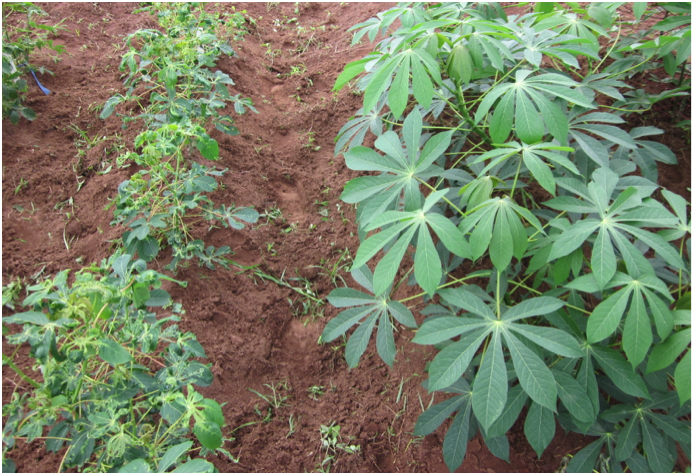
Incidences of cassava mosaic disease with resistant varieties
Scaling Readiness describes how complete a technology's development is and its ability to be scaled. It produces a score that measures a technology's readiness along two axes: the level of maturity of the idea itself, and the level to which the technology has been used so far.
Each axis goes from 0 to 9 where 9 is the “ready-to-scale” status. For each technology profile in the e-catalogs we have documented the scaling readiness status from evidence given by the technology providers. The e-catalogs only showcase technologies for which the scaling readiness score is at least 8 for maturity of the idea and 7 for the level of use.
The graph below represents visually the scaling readiness status for this technology, you can see the label of each level by hovering your mouse cursor on the number.
Read more about scaling readiness ›
Semi-controlled environment: prototype
Common use by projects NOT connected to technology provider
| Maturity of the idea | Level of use | |||||||||
| 9 | ||||||||||
| 8 | ||||||||||
| 7 | ||||||||||
| 6 | ||||||||||
| 5 | ||||||||||
| 4 | ||||||||||
| 3 | ||||||||||
| 2 | ||||||||||
| 1 | ||||||||||
| 1 | 2 | 3 | 4 | 5 | 6 | 7 | 8 | 9 | ||
| Project | Countries | Beneficiaries | Budget (USD) & duration | Key figures |
|---|---|---|---|---|
|
EFPP Guinea Emergency Food Production Programme |
|
|
25.23 million 2022–2024 |
|
|
ENSURE Enabling Environments for Sustainable Regional Agriculture Extension |
|
|
13.14 million 2024–2027 |
|
|
ERAVCDP Eastern Region Agricultural Value Chain Development Project |
|
|
211.4 million 2026–2031 |
|
|
PADCV-PTA Projet d’Appui au Developpement des Chaines de Valeurs en soutien au Programme de Transformation de l’Agriculture |
|
|
321 million 2024–2029 |
|
Figures in italic are from project plans and may change during implementation.
| Country | Testing ongoing | Tested | Adopted |
|---|---|---|---|
| Benin | –No ongoing testing | Tested | Adopted |
| Burkina Faso | –No ongoing testing | Tested | Adopted |
| Burundi | –No ongoing testing | Tested | Adopted |
| Cameroon | –No ongoing testing | Tested | Adopted |
| Democratic Republic of the Congo | –No ongoing testing | Tested | Adopted |
| Ethiopia | –No ongoing testing | Tested | Adopted |
| Kenya | –No ongoing testing | Tested | Adopted |
| Liberia | –No ongoing testing | Tested | Adopted |
| Madagascar | –No ongoing testing | Tested | Adopted |
| Malawi | –No ongoing testing | Tested | Adopted |
| Mozambique | –No ongoing testing | Tested | Adopted |
| Nigeria | –No ongoing testing | Tested | Adopted |
| Rwanda | –No ongoing testing | Tested | Adopted |
| Uganda | –No ongoing testing | Tested | Adopted |
| Zambia | –No ongoing testing | Tested | Adopted |
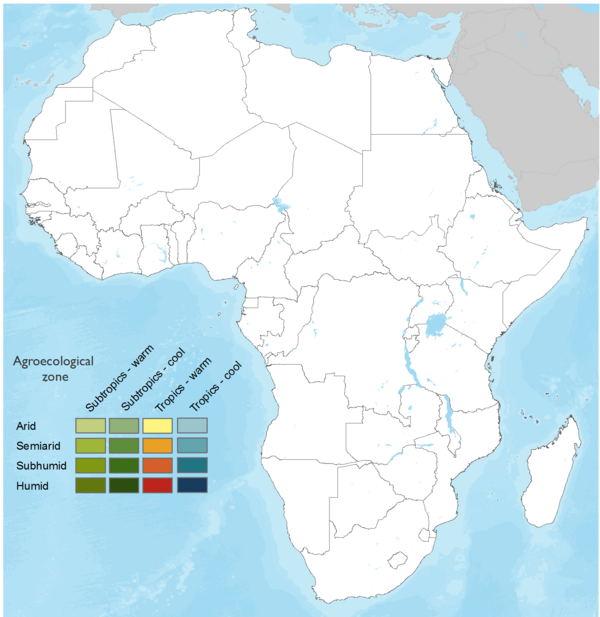
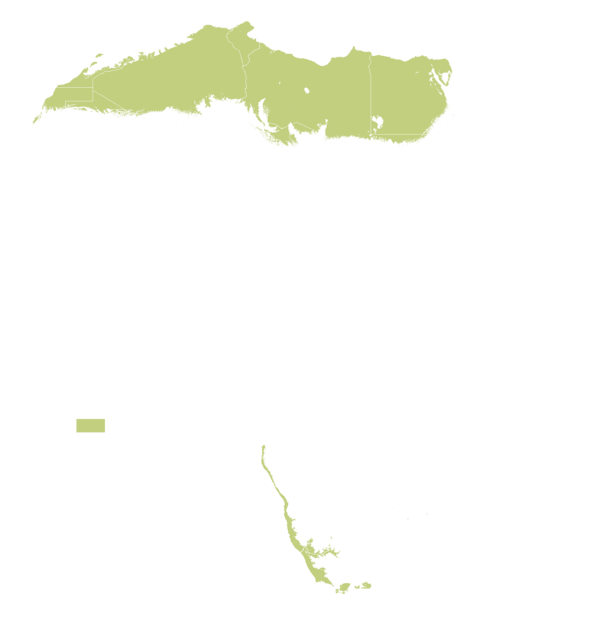
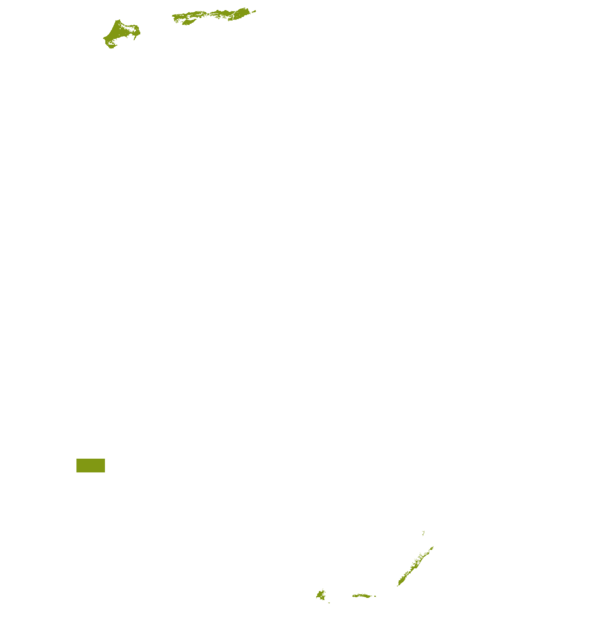
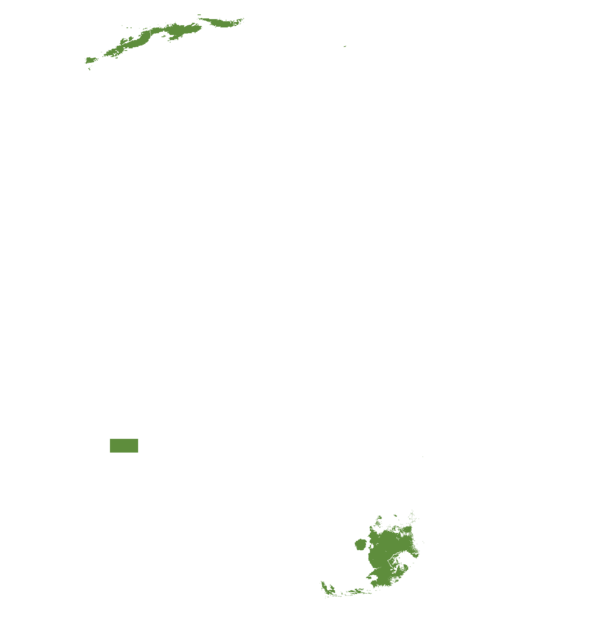
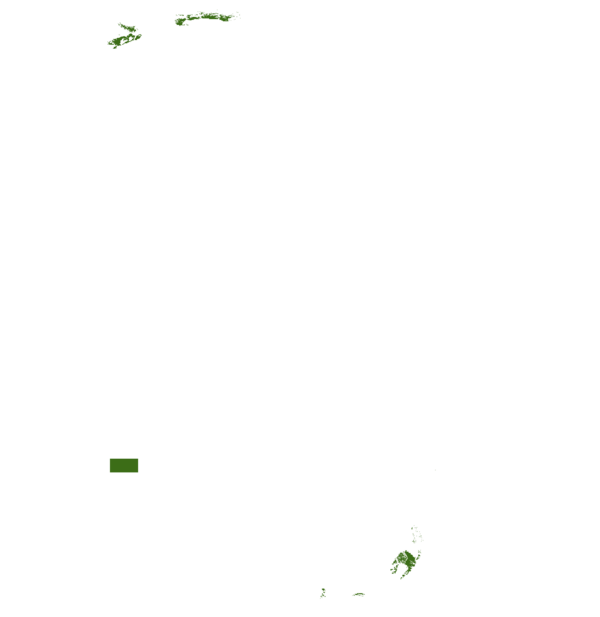
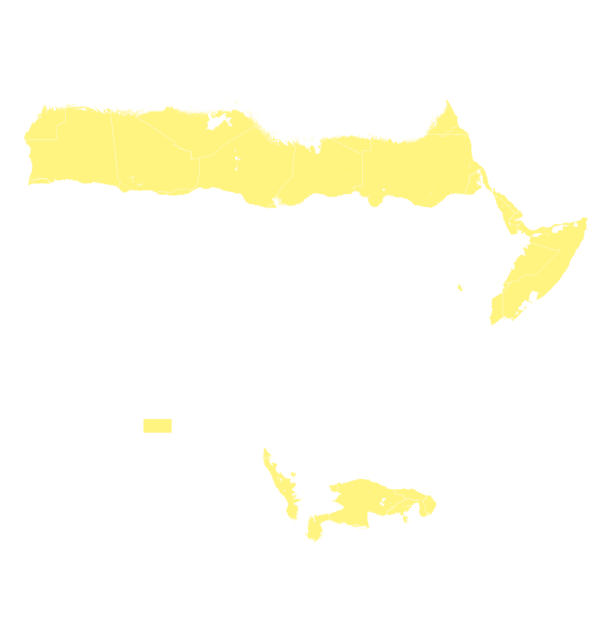
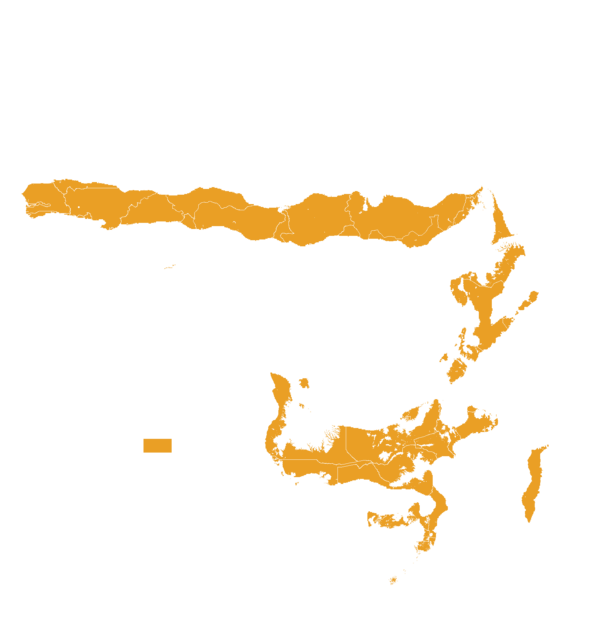
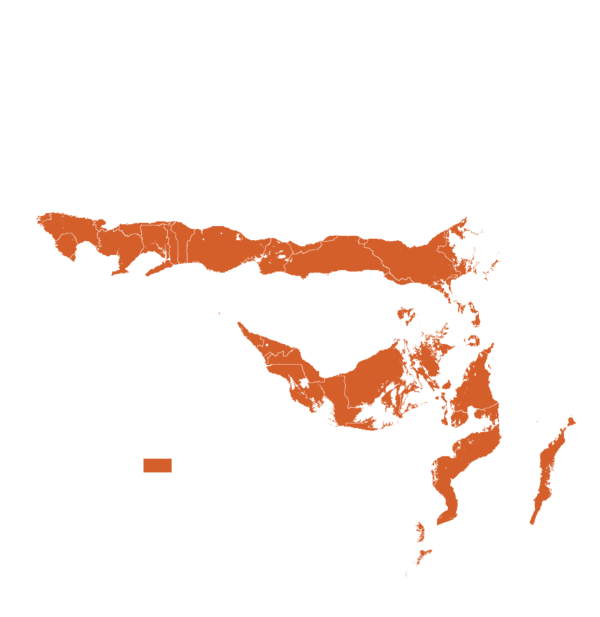
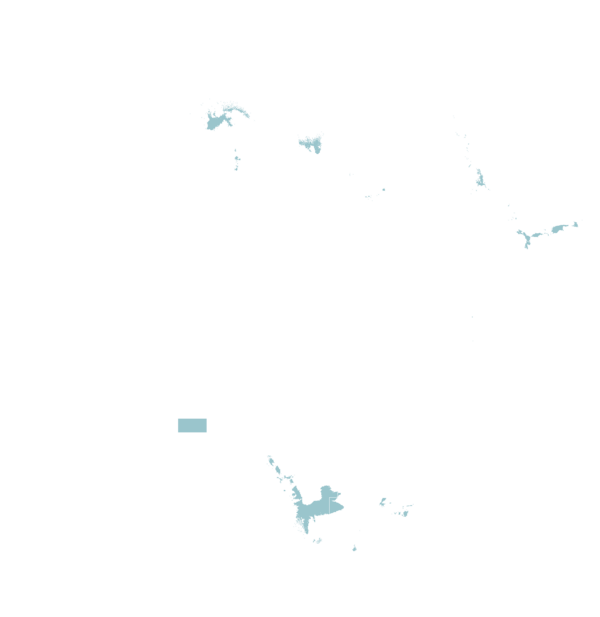
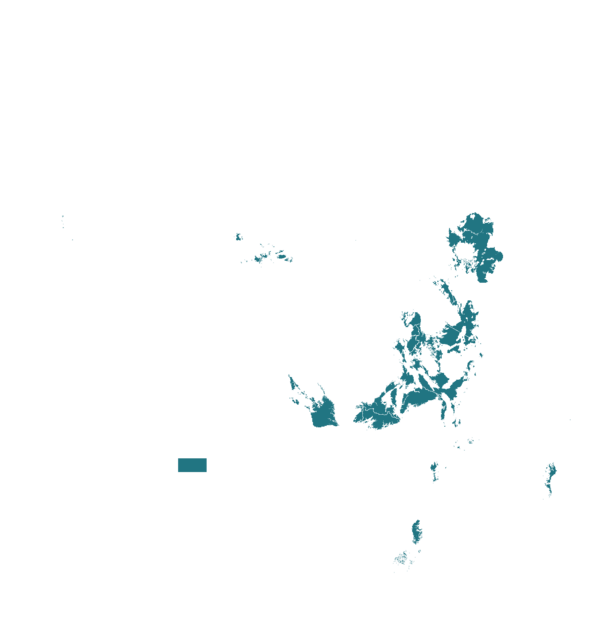
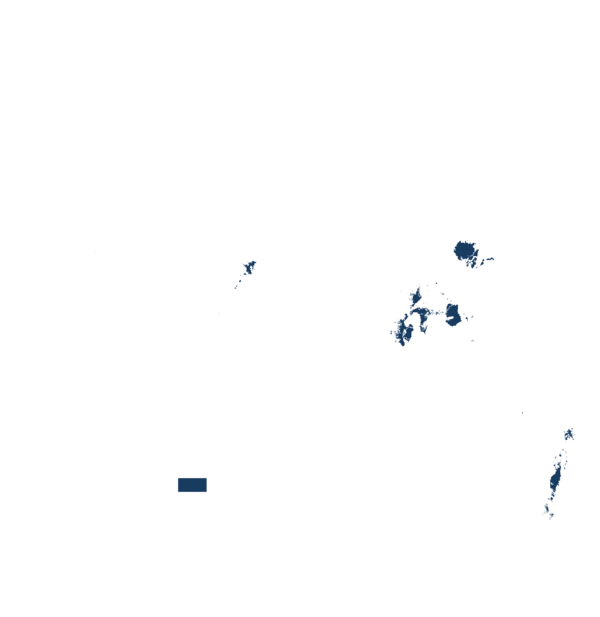
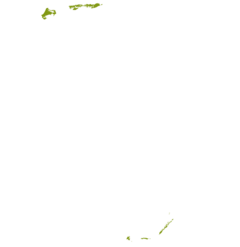
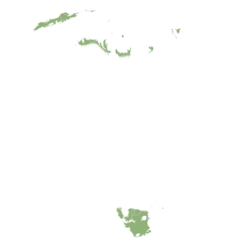
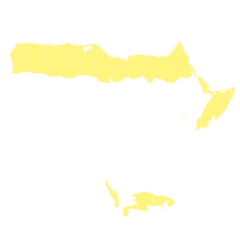
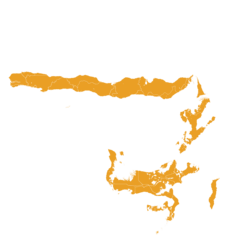
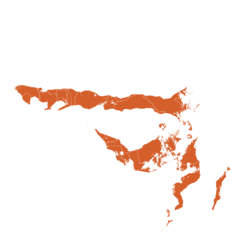
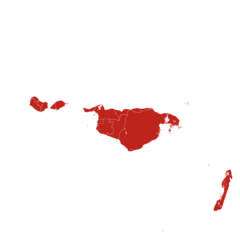
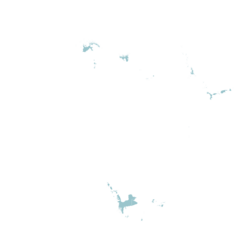
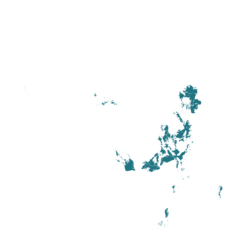
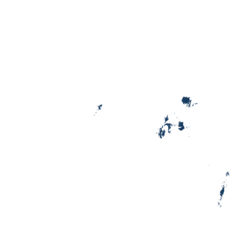
This technology can be used in the colored agro-ecological zones. Any zones shown in white are not suitable for this technology.






| AEZ | Subtropic - warm | Subtropic - cool | Tropic - warm | Tropic - cool |
|---|---|---|---|---|
| Arid | ||||
| Semiarid | ||||
| Subhumid | ||||
| Humid |
Source: HarvestChoice/IFPRI 2009
The United Nations Sustainable Development Goals that are applicable to this technology.


Last updated on Oct 1, 2026
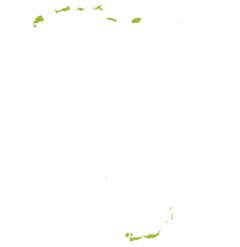
This technology can be used in the colored agro-ecological zones.








Disease resistant cassava varieties
https://e-catalogs.taat-africa.org/org/technologies/disease-resistant-cassava-varieties
Last updated on 1 October 2026, printed on Oct 9, 2026
Enquiries e-catalogs@taat.africa