TAAT e-catalog
for
government
https://e-catalogs.taat-africa.org/gov/technologies/low-cost-staking-for-climbing-beans
Empowering Beans, Sustaining Growth!
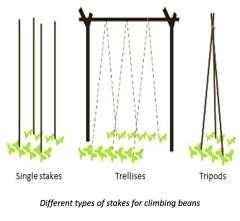
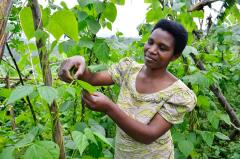
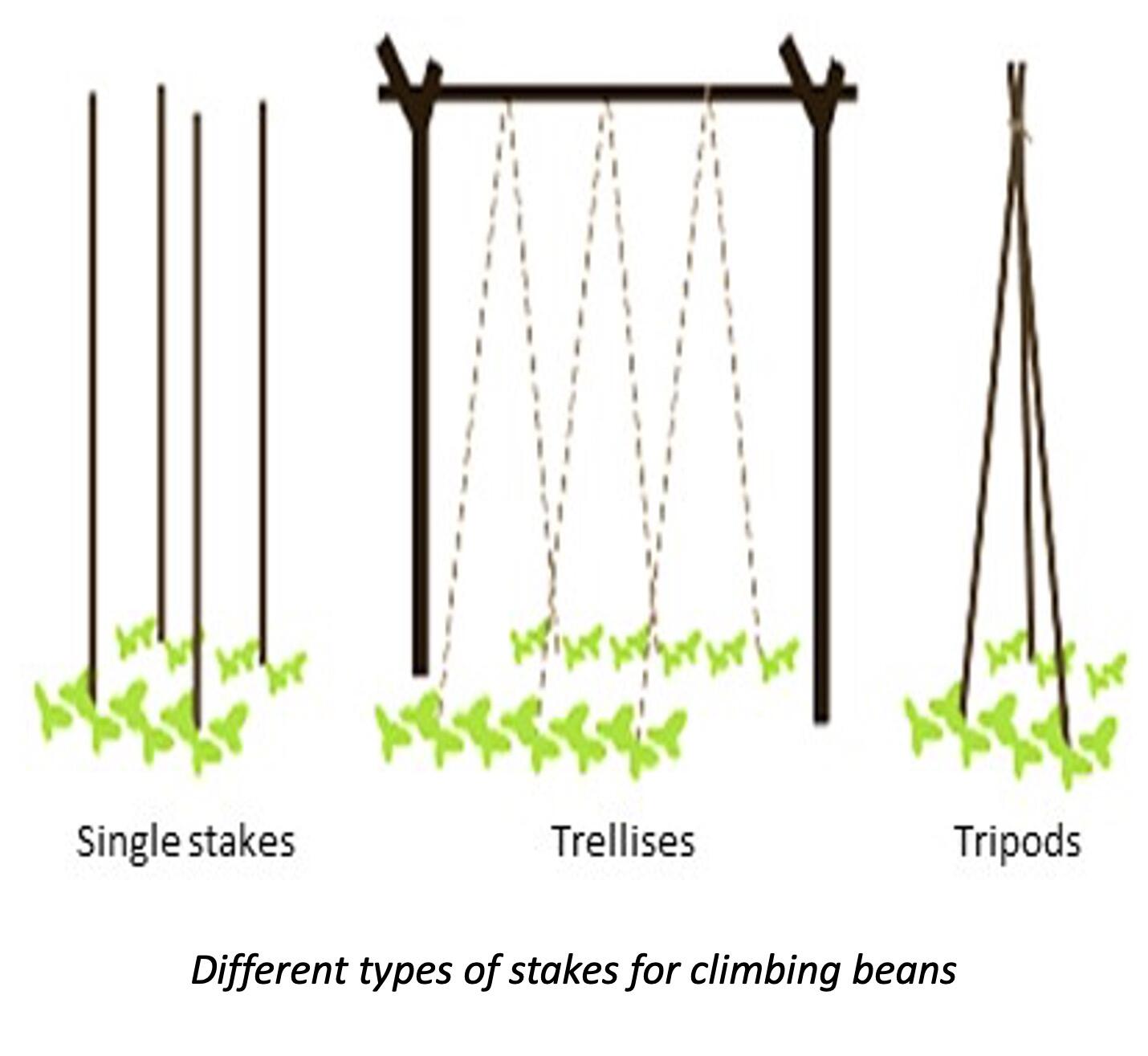
The Low-Cost Staking practice offers innovative and affordable methods to address challenges in climbing bean cultivation, particularly the need for plant support. It focuses on reducing the use of wooden stakes by employing alternative materials and techniques such as tripod staking, wooden string trellises, and live plant support. These approaches aim to enhance yield while minimizing environmental damage caused by deforestation from excessive stake harvesting.
This technology is TAAT1 validated.
Adults 18 and over: Positive medium
The poor: Positive medium
Under 18: Positive low
Women: Positive medium
Climate adaptability: Highly adaptable
Farmer climate change readiness: Moderate improvement
Biodiversity: No impact on biodiversity
Carbon footprint: Much less carbon released
Environmental health: Greatly improves environmental health
Soil quality: Does not affect soil health and fertility
Water use: A bit less water used
The technology significantly reduces bean cultivation expenses, aiding in poverty alleviation among small-scale farmers. It concurrently bolsters food security through enhanced yields and generates employment opportunities in rural areas. Moreover, by advocating for eco-friendly practices and diminishing dependence on deforestation for stakes, it actively promotes sustainability and biodiversity conservation.
To incorporate this technology into your project, consider these steps and prerequisites:
Raise awareness about the positive impact of proper staking on climbing bean yields.
Educate farmers about the array of low-cost technologies available for staking.
Disseminate decision support tools and recommendations through farmer networks and extension agencies.
Ensure access to small loans to offset initial investments for staking materials and labor.
Allocate resources for comprehensive training and post-training support during project implementation.
Collaborate with agricultural development institutions to facilitate widespread adoption of the technology.
Explore opportunities to integrate complementary technologies, such as Climbing Bean with High Yield and N Fixation, for further efficiency gains.
Increase in yields compared to bush beans
Staking density for highest yields
Height of stakes for highest yields
Plant population per hectare
Open source / open access
Scaling Readiness describes how complete a technology's development is and its ability to be scaled. It produces a score that measures a technology's readiness along two axes: the level of maturity of the idea itself, and the level to which the technology has been used so far.
Each axis goes from 0 to 9 where 9 is the “ready-to-scale” status. For each technology profile in the e-catalogs we have documented the scaling readiness status from evidence given by the technology providers. The e-catalogs only showcase technologies for which the scaling readiness score is at least 8 for maturity of the idea and 7 for the level of use.
The graph below represents visually the scaling readiness status for this technology, you can see the label of each level by hovering your mouse cursor on the number.
Read more about scaling readiness ›
Uncontrolled environment: tested
Used by some intended users, in the real world
| Maturity of the idea | Level of use | |||||||||
| 9 | ||||||||||
| 8 | ||||||||||
| 7 | ||||||||||
| 6 | ||||||||||
| 5 | ||||||||||
| 4 | ||||||||||
| 3 | ||||||||||
| 2 | ||||||||||
| 1 | ||||||||||
| 1 | 2 | 3 | 4 | 5 | 6 | 7 | 8 | 9 | ||
| Project | Countries | Beneficiaries | Budget (USD) & duration | Key figures |
|---|---|---|---|---|
|
ENSURE Enabling Environments for Sustainable Regional Agriculture Extension |
|
|
13.14 million 2024–2027 |
|
Figures in italic are from project plans and may change during implementation.
| Country | Testing ongoing | Tested | Adopted |
|---|---|---|---|
| Benin | –No ongoing testing | Tested | Adopted |
| Burundi | –No ongoing testing | Tested | Adopted |
| Cameroon | –No ongoing testing | Tested | Adopted |
| Central African Republic | –No ongoing testing | Tested | Adopted |
| Côte d’Ivoire | –No ongoing testing | Tested | Adopted |
| Democratic Republic of the Congo | –No ongoing testing | Tested | Adopted |
| Ethiopia | –No ongoing testing | Tested | Adopted |
| Ghana | –No ongoing testing | Tested | Adopted |
| Kenya | –No ongoing testing | Tested | Adopted |
| Malawi | –No ongoing testing | Tested | Adopted |
| Mozambique | –No ongoing testing | Tested | Adopted |
| Nigeria | –No ongoing testing | Tested | Adopted |
| Rwanda | –No ongoing testing | Tested | Adopted |
| South Sudan | –No ongoing testing | Tested | Adopted |
| Tanzania | –No ongoing testing | Tested | Adopted |
| Uganda | –No ongoing testing | Tested | Adopted |
| Zambia | –No ongoing testing | Tested | Adopted |
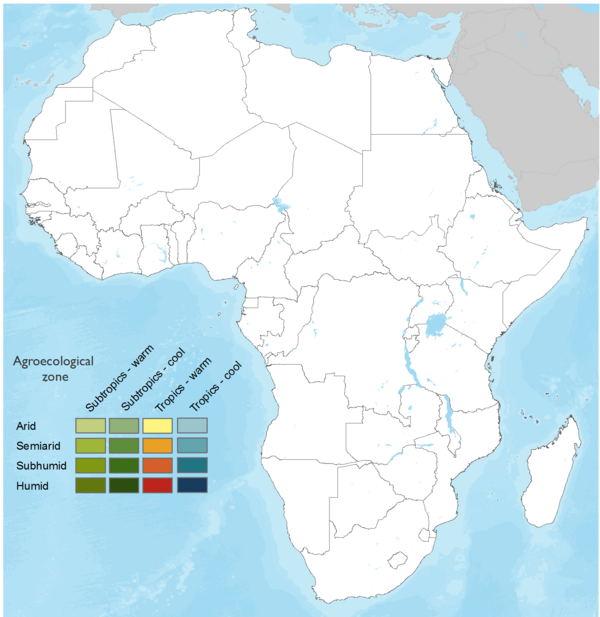
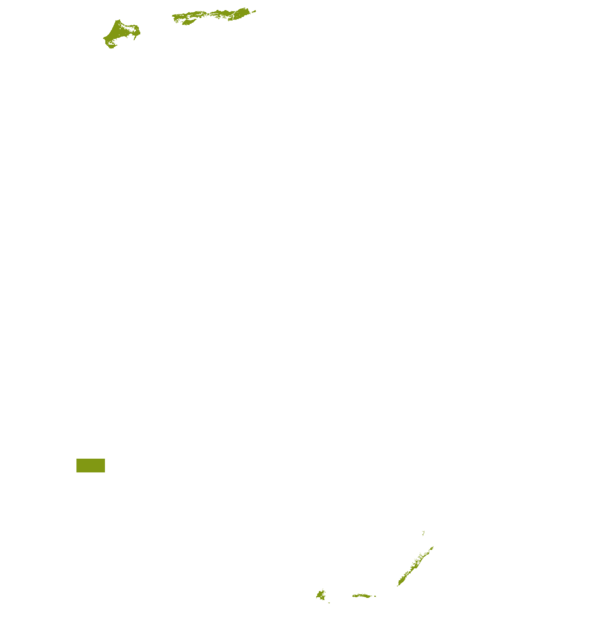
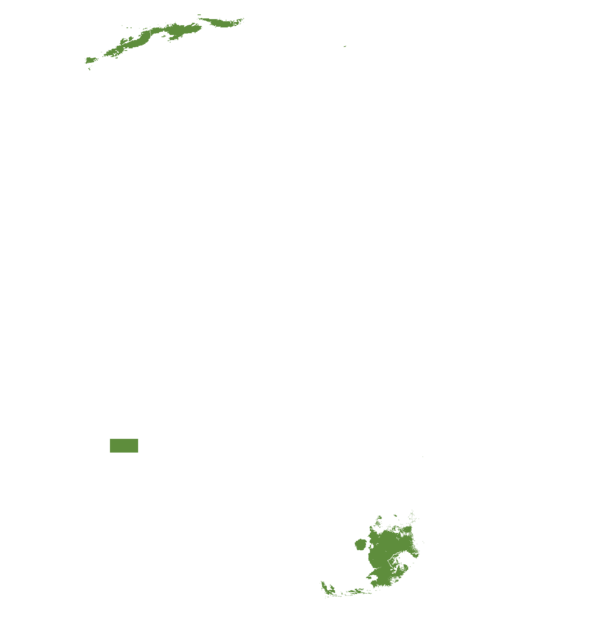
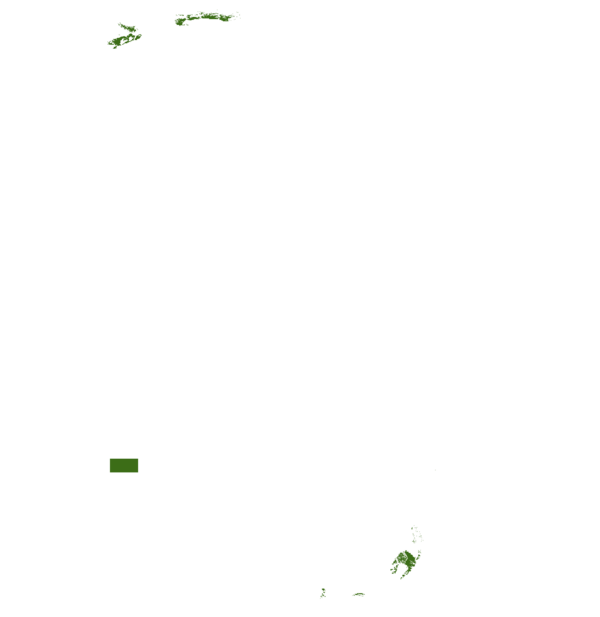
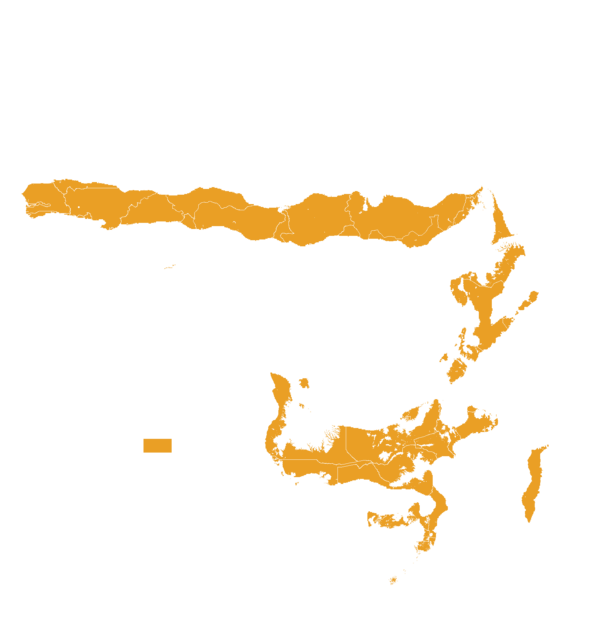
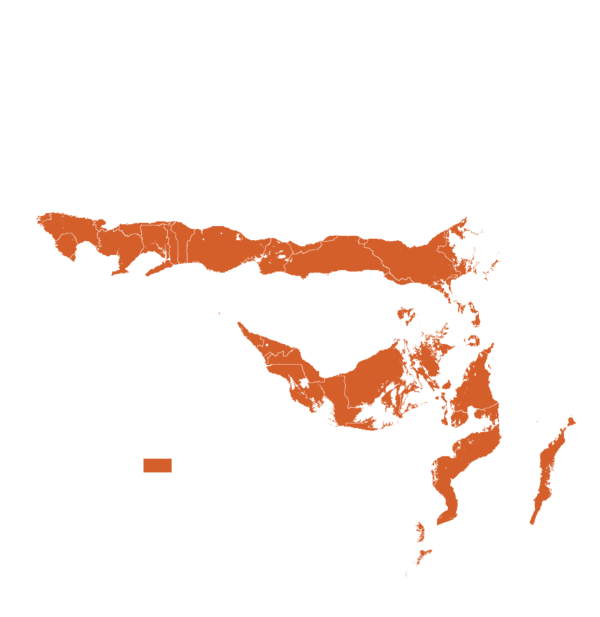
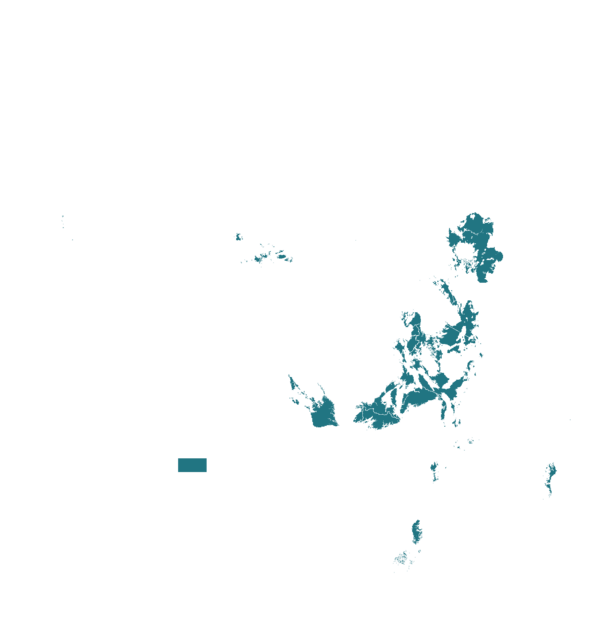
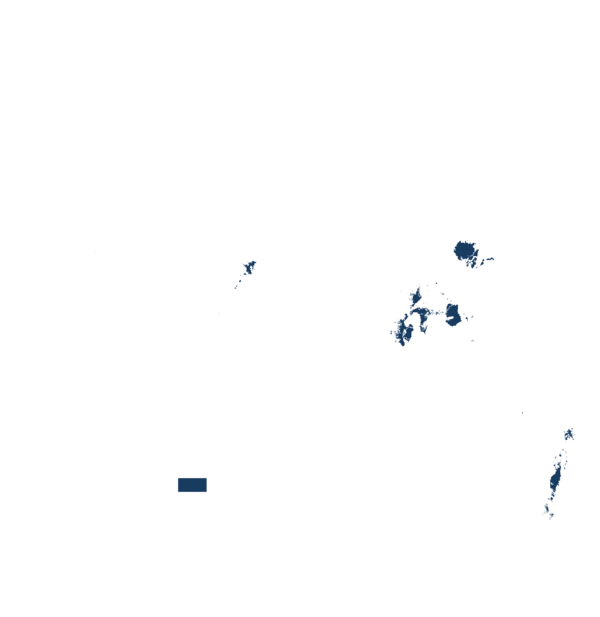
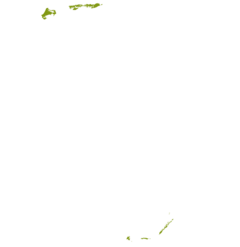
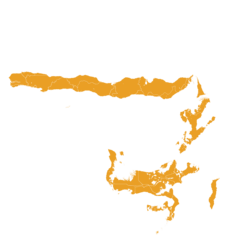
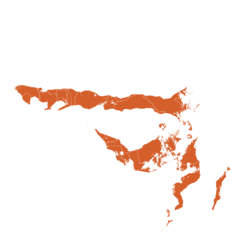
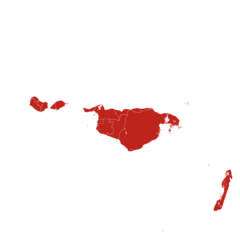
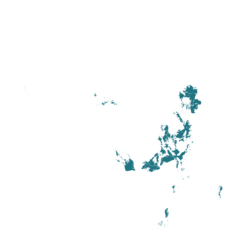
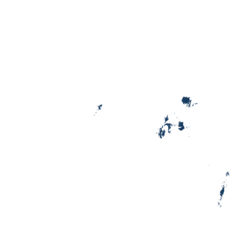
This technology can be used in the colored agro-ecological zones. Any zones shown in white are not suitable for this technology.





| AEZ | Subtropic - warm | Subtropic - cool | Tropic - warm | Tropic - cool |
|---|---|---|---|---|
| Arid | – | – | – | – |
| Semiarid | ||||
| Subhumid | ||||
| Humid |
Source: HarvestChoice/IFPRI 2009
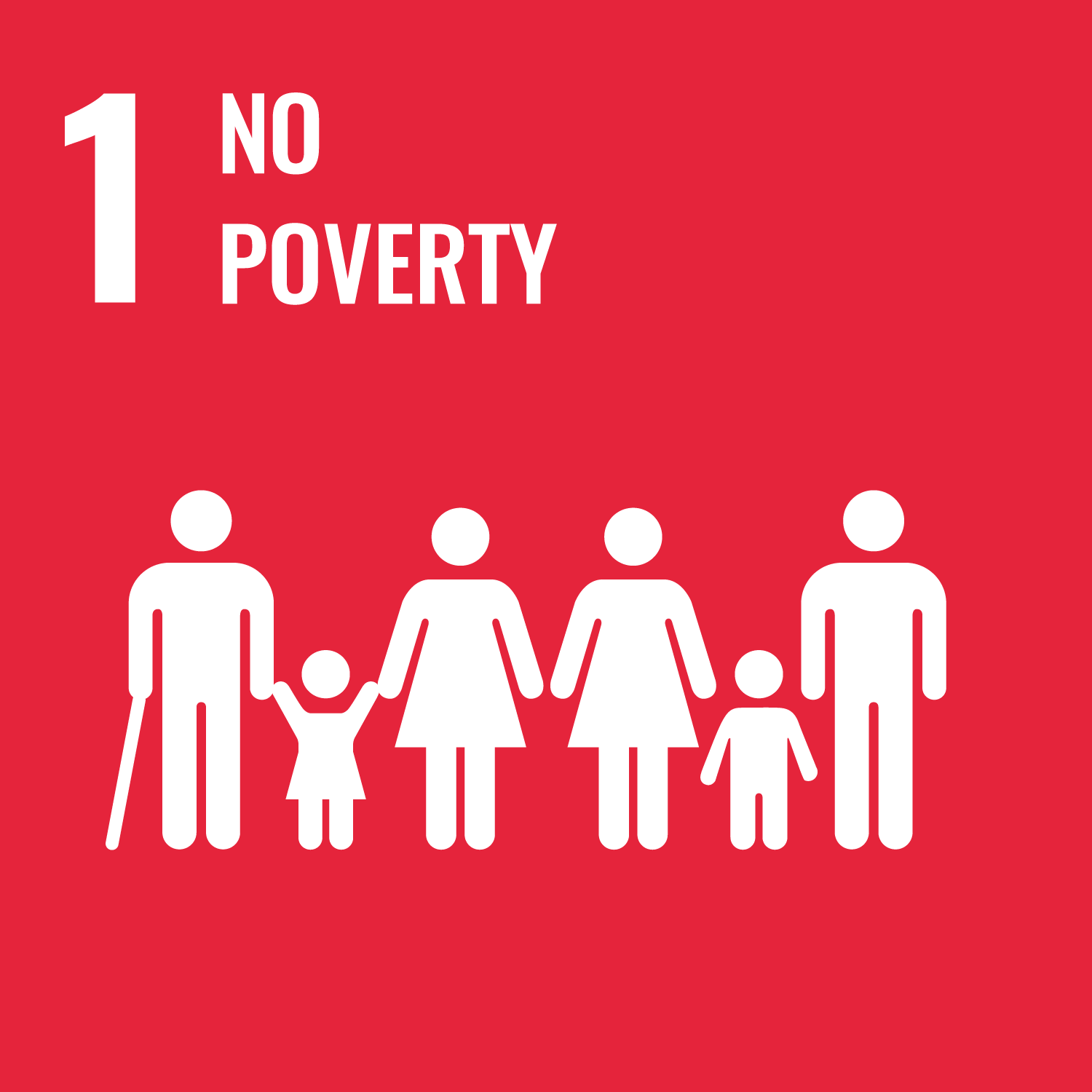
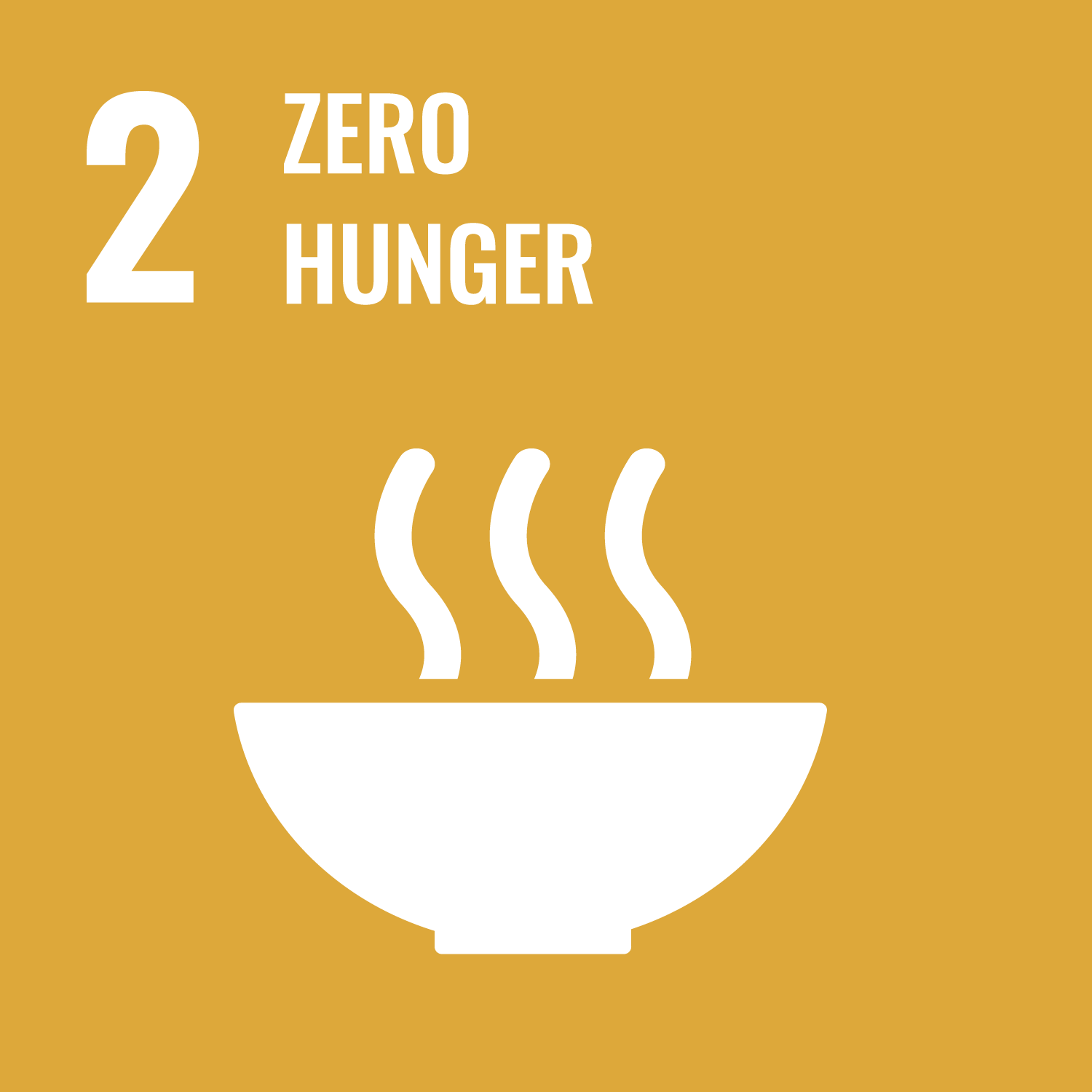
The United Nations Sustainable Development Goals that are applicable to this technology.
Last updated on Sep 21, 2026
This technology can be used in the colored agro-ecological zones.







Low-Cost Staking for Climbing Beans
https://e-catalogs.taat-africa.org/gov/technologies/low-cost-staking-for-climbing-beans
Last updated on 21 September 2026, printed on Sep 24, 2026
Enquiries e-catalogs@taat.africa