Logo
TAAT e-catalog for government
https://e-catalogs.taat-africa.org/gov/technologies/e-pinea-digital-supply-chain-solution-for-pineapple-market-access-and-traceability
Request information View pitch brochure

e-pineA: Digital Supply Chain Solution for Pineapple Market Access and Traceability

e-pineA is the ideal solution to facilitate market access for agricultural products and reduce post-harvest losses

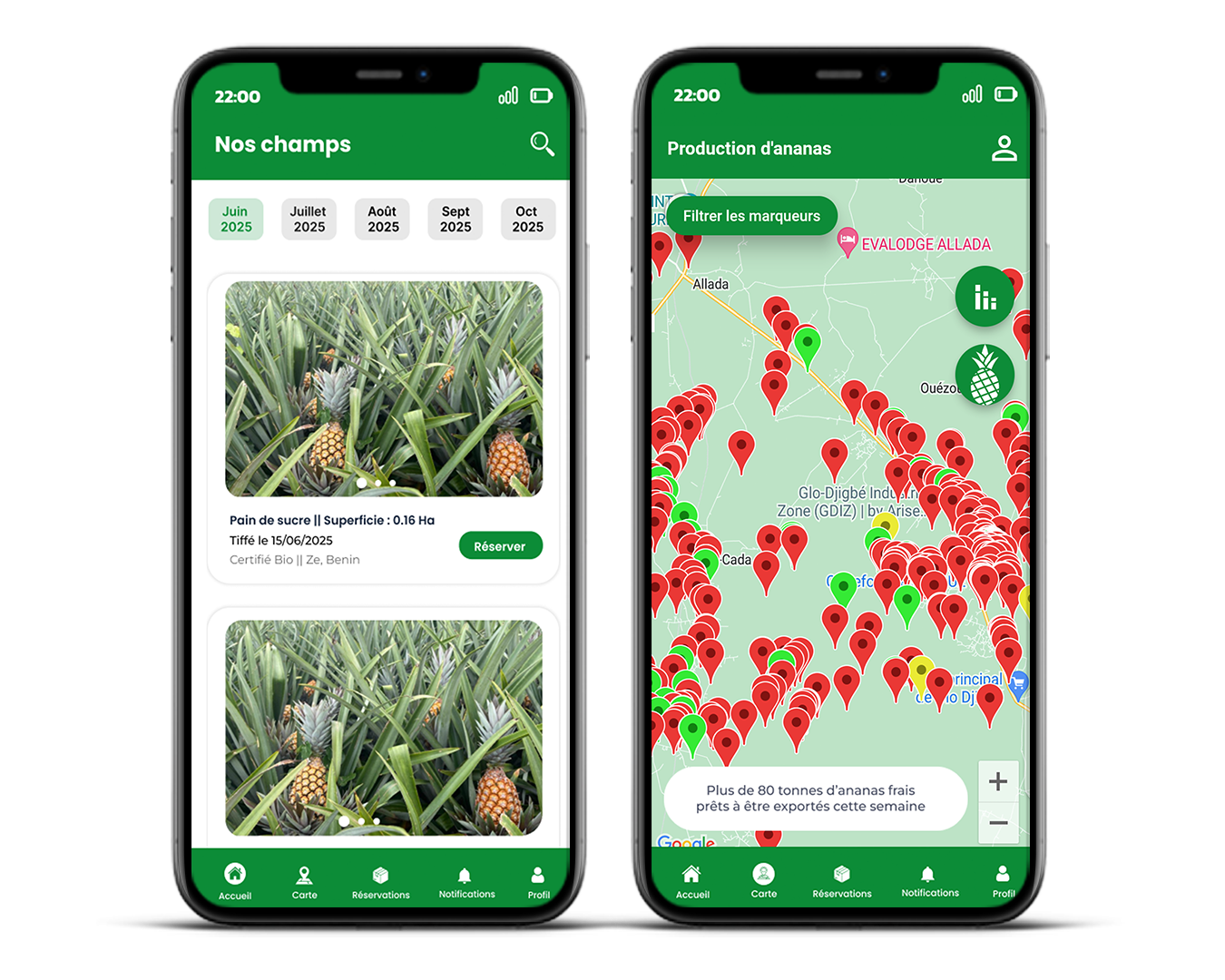
e-pineA is a digital platform developed by BioLife Tech that helps agribusinesses and exporters secure reliable, high-quality, and traceable pineapple supply. It provides real-time data on field location, crop maturity, expected yields, and harvest timing, allowing buyers to plan procurement more accurately and reduce sourcing risks. By giving visibility on available volumes and quality in advance, e-pineA enables companies to source more efficiently, limit rejection rates, and meet international market requirements.

In a context where inconsistent supply and quality are major constraints, the platform directly connects production to market demand, ensuring better alignment from the start of the production cycle. With proven traction and growing adoption, e-pineA offers a practical and scalable solution for businesses looking to strengthen their supply chains and access export-ready produce with greater confidence.
This technology is pre-validated.

9•9

Scaling readiness: idea maturity 9/9; level of use 9/9

Positive impacts: 15

Target Group

Positive Impacts

Women smallholder farmers in remote areas

- Women farmers gain direct access to local and international buyers through the e-pineA platform.
- They increase their income by selling higher-quality produce at better prices.
- Digital mapping of their fields allows them to monitor crop maturity and improve harvest timing.
- Participation in training and support programs strengthens agricultural knowledge and digital skills.
- They gain greater bargaining power in cooperatives and market transactions.

Youth farmers in remote or marginalized regions

- Youth farmers can leverage e-pineA to identify profitable market opportunities for pineapple sales.
- The platform enhances their digital literacy and technology skills.
- Real-time market and production data help youth plan harvests and supply more efficiently.
- Increased visibility to buyers allows youth to scale small enterprises.
- They develop networks with other farmers, buyers, and cooperatives.

Women-headed households with climate-vulnerable farms

- Women-headed households can use e-pineA to anticipate market demand and plan production more efficiently.
- Access to advisory tools and crop tracking improves resilience to climate variability.
- Timely notifications and data reduce post-harvest losses.
- Participation in digital market systems increases income security.
- Women gain confidence and control over production and sales decisions.

More...

Climate adaptability: Moderately adaptable

e-pineA enables farmers to monitor crop maturity and plan harvests in line with changing weather patterns. The platform’s predictive analytics help adapt planting and harvesting schedules based on seasonal trends and climate variability.

Farmer climate change readiness: Moderate improvement

Farmers gain access to data-driven guidance, allowing them to anticipate climate impacts such as droughts or irregular rainfall. However, readiness depends on training and adoption rates, particularly among women and youth in remote areas.

Biodiversity: Positive impact on biodiversity

By promoting agroecological practices through training modules integrated with e-pineA, farmers reduce monoculture risks and encourage intercropping. However, adoption of biodiversity-friendly practices is still limited by local knowledge and resource access.

Carbon footprint: A bit less carbon released

e-pineA itself has a minimal carbon footprint as a digital platform. By reducing post-harvest losses and optimizing logistics, it indirectly reduces greenhouse gas emissions from wasted produce and inefficient transport. The impact could improve further with adoption of sustainable farming inputs.

Environmental health: Moderately improves environmental health

Through guidance on reduced overuse of chemical fertilizers and pesticides, e-pineA helps protect soil and water quality. Positive environmental health impacts are contingent on farmers following recommendations.

Soil quality: Improves soil health and fertility

Encouraging good agricultural practices, including organic inputs and crop rotation, improves soil fertility over time. e-pineA tracks fertilizer use and planting practices, helping prevent soil degradation from over-fertilization.

Water use: A bit less water used

Improved planning and field monitoring enable more efficient irrigation scheduling and better water resource management. Predictive harvest data reduces the risk of over- or under-watering, though adoption depends on infrastructure availability.

Problem

  • Low export performance: Inconsistent quality and non-compliance with standards lead to missed revenue opportunities.
  • Weak coordination: Poor integration between farmers, cooperatives, and buyers reduces value chain efficiency.
  • High post-harvest losses: Losses undermine food security and national income.
  • Limited market access for smallholders: Farmers cannot fully participate in structured markets, limiting income and poverty reduction.
  • Low adoption of sustainable practices: Limited uptake of climate-smart agriculture reduces resilience and productivity.
  • Traceability gaps: Lack of data makes monitoring compliance and implementing policies difficult.
  • Production-demand misalignment: Poor integration of market demand into planning causes inefficiencies and economic losses.
  • National competitiveness risk: Rejected or non-compliant exports harm the country’s reputation in international markets.

Solution

  • Increased export volumes and revenue: By improving product quality and market compliance, e-pineA helps reduce rejections and boosts exports.
  • Improved coordination: The platform links farmers, cooperatives, and buyers, increasing value chain efficiency.
  • Reduced post-harvest losses: Better alignment of production with demand minimizes wastage and strengthens food security.
  • Smallholder market inclusion: Farmers gain access to structured and higher-value markets, improving income and reducing poverty.
  • Sustainable practices adoption: Training and field support promote climate-smart and sustainable agriculture, enhancing resilience and productivity.
  • Traceability and data for oversight: e-pineA provides actionable data for monitoring compliance and implementing agricultural policies.
  • Better integration of market demand: The platform ensures production planning aligns with actual market needs, reducing inefficiencies and economic losses.
  • Strengthened competitiveness: Reliable supply and compliance with standards improve the country’s reputation in international markets.

Key points to design your project

e-pineA provides governments with tools to increase pineapple export volumes, strengthen smallholder market inclusion, reduce post-harvest losses, and enhance national competitiveness. The platform supports policy planning, monitoring, and market alignment initiatives.

Key Points for Government Implementation:

  • Strategic Objective: Improve export quality, reduce post-harvest losses, and enhance food security.
  • Target Beneficiaries: Smallholder producers, cooperatives, and agribusinesses.
  • Program Phases:
    • Preparation: Identify priority regions, set standards, engage stakeholders.
    • Pilot: Test platform adoption with selected producer groups, train extension agents.
    • Implementation: Scale across regions, monitor compliance, coordinate logistics.
  • Integration with Policy Goals: Supports Sustainable Development Goals (SDG 2, SDG 1, SDG 8) and climate-smart agriculture initiatives.
  • Key Partners: Ministries of Agriculture, export promotion agencies, producer associations, technical partners.
  • Resources Required: Field staff, data infrastructure, training materials, logistics support.
  • Monitoring & Evaluation: Track export volumes, smallholder income, post-harvest loss reduction, and adoption of good agricultural practices.

IP

No formal IP rights

Scaling Readiness describes how complete a technology’s development is and its ability to be scaled. It produces a score that measures a technology’s readiness along two axes: the level of maturity of the idea itself, and the level to which the technology has been used so far.

Each axis goes from 0 to 9 where 9 is the “ready-to-scale” status. For each technology profile in the e-catalogs we have documented the scaling readiness status from evidence given by the technology providers. The e-catalogs only showcase technologies for which the scaling readiness score is at least 8 for maturity of the idea and 7 for the level of use.

The graph below represents visually the scaling readiness status for this technology, you can see the label of each level by hovering your mouse cursor on the number.

Read more about scaling readiness ›

Scaling readiness score of this technology

Maturity of the idea 9 out of 9

Uncontrolled environment: validated

Level of use 9 out of 9

Common use by intended users, in the real world

Maturity of the idea Level of use
9
8
7
6
5
4
3
2
1
1 2 3 4 5 6 7 8 9

Positive impact 15

Target Group

Positive Impacts

Women smallholder farmers in remote areas

- Women farmers gain direct access to local and international buyers through the e-pineA platform.
- They increase their income by selling higher-quality produce at better prices.
- Digital mapping of their fields allows them to monitor crop maturity and improve harvest timing.
- Participation in training and support programs strengthens agricultural knowledge and digital skills.
- They gain greater bargaining power in cooperatives and market transactions.

Youth farmers in remote or marginalized regions

- Youth farmers can leverage e-pineA to identify profitable market opportunities for pineapple sales.
- The platform enhances their digital literacy and technology skills.
- Real-time market and production data help youth plan harvests and supply more efficiently.
- Increased visibility to buyers allows youth to scale small enterprises.
- They develop networks with other farmers, buyers, and cooperatives.

Women-headed households with climate-vulnerable farms

- Women-headed households can use e-pineA to anticipate market demand and plan production more efficiently.
- Access to advisory tools and crop tracking improves resilience to climate variability.
- Timely notifications and data reduce post-harvest losses.
- Participation in digital market systems increases income security.
- Women gain confidence and control over production and sales decisions.

Unintended impact 9

Target Group

Unintended Impacts

Mitigation Measures

Women smallholder farmers in remote areas

- Some women may struggle with digital literacy and navigation of the platform.
- Increased platform use could add to their workload during busy harvest periods.
- Cultural barriers may limit their direct interaction with buyers.

- Provide gender-sensitive training and field agent support.
- Offer offline functionality to ease data entry.
- Pair women with mentors or cooperative support to facilitate engagement.

Youth farmers in remote or marginalized regions

- Youth may overestimate market potential or income from platform use.
- They may face tension with older farmers due to increased competition.
- Over-reliance on e-pineA could reduce diversification of income streams.

- Provide market awareness and realistic income projection training.
- Encourage cooperative and peer-supported approaches.
- Promote diversified production planning alongside platform adoption.

Women-headed households with climate-vulnerable farms

- Predictive data may be inaccurate under extreme climate events.
- Dependence on digital tools may reduce flexibility in adjusting production practices.
- Limited technical support could cause stress during harvest or sales periods.

- Combine predictive analytics with local field advisory support.
- Provide contingency planning strategies for climate risks.
- Maintain ongoing field agent support for troubleshooting and guidance.

Barriers 9

Target Group

Barriers

Mitigation Measures

Women smallholder farmers in remote areas

- Limited smartphone ownership and internet access restrict platform use.
- Cultural norms may restrict mobility and market engagement.
- Low literacy or digital literacy reduces adoption.

- Provide shared devices and offline-enabled features.
- Partner with women-focused cooperatives and local facilitators.
- Offer visual/audio guides and field agent support.

Youth farmers in remote or marginalized regions

- Limited experience with market access and digital platforms.
- Lack of financial resources to invest in production or technology.
- Weak professional networks reduce market opportunities.

- Offer youth-focused digital training and mentorship programs.
- Facilitate access to microfinance or startup grants.
- Build peer networks and cooperative linkages.

Women-headed households with climate-vulnerable farms

- Climate shocks reduce production and income, limiting engagement with e-pineA.
- Limited access to weather data and technical support hinders planning.
- Multiple vulnerabilities (gender, climate, resource constraints) compound risk.

- Integrate climate-smart advisory services into platform features.
- Provide real-time weather updates and adaptive planning guidance.
- Ensure continuous field support and training on risk mitigation.

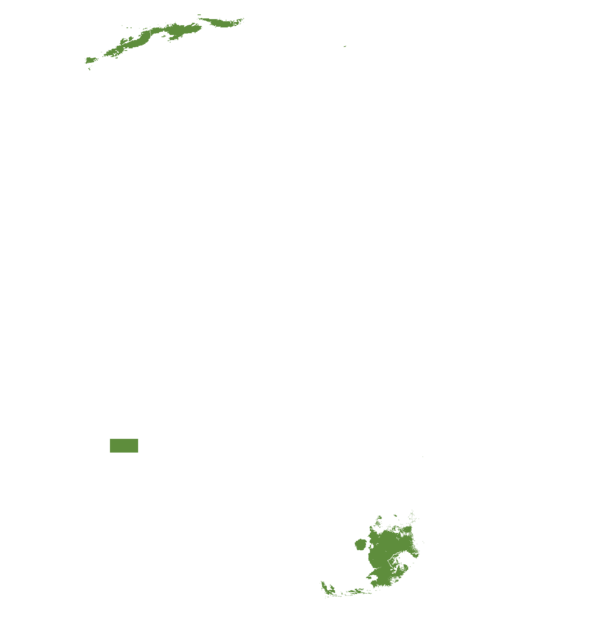
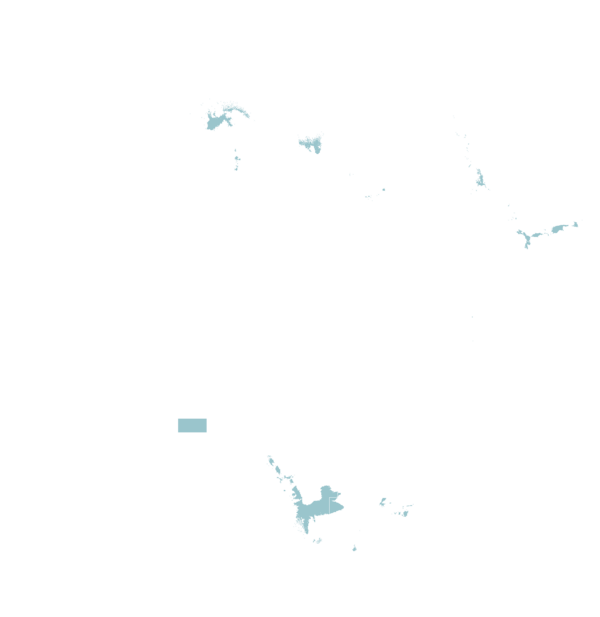
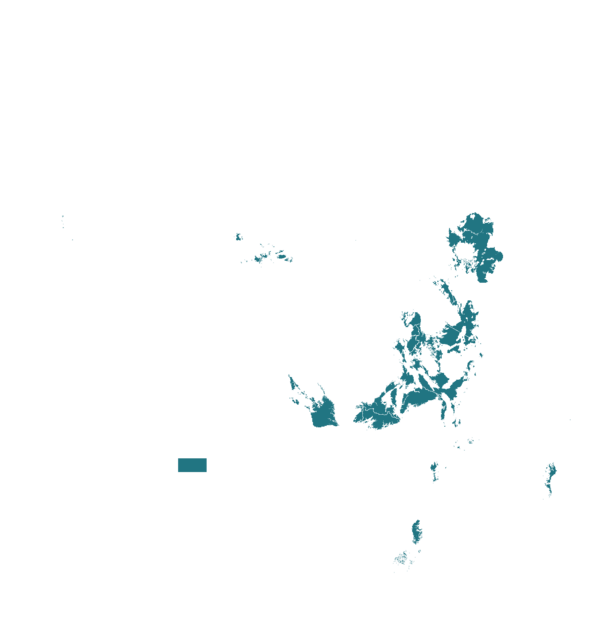
Countries with a green colour
Tested & adopted
Countries with a bright green colour
Adopted
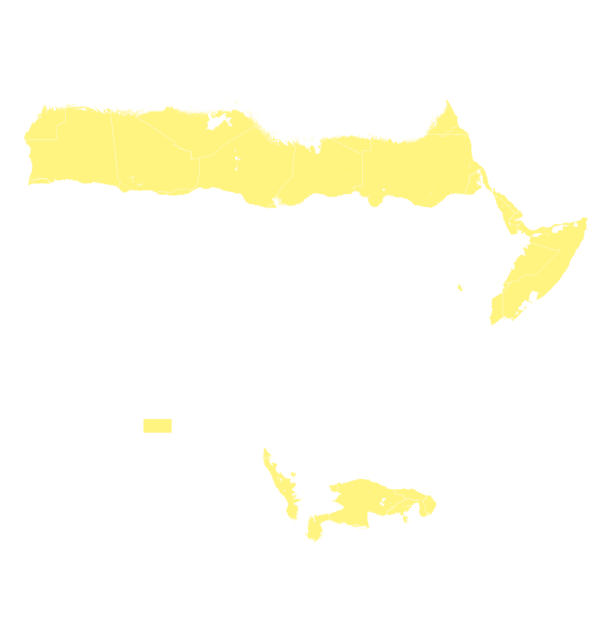
Countries with a yellow colour
Tested
Countries with a blue colour
Testing ongoing
Egypt Equatorial Guinea Ethiopia Algeria Angola Benin Botswana Burundi Burkina Faso Democratic Republic of the Congo Djibouti Côte d’Ivoire Eritrea Gabon Gambia Ghana Guinea Guinea-Bissau Cameroon Kenya Libya Liberia Madagascar Mali Malawi Morocco Mauritania Mozambique Namibia Niger Nigeria Republic of the Congo Rwanda Zambia Senegal Sierra Leone Zimbabwe Somalia South Sudan Sudan South Africa Eswatini Tanzania Togo Tunisia Chad Uganda Western Sahara Central African Republic Lesotho
Countries where the technology is being tested or has been tested and adopted
Country Testing ongoing Tested Adopted
Benin No ongoing testing Tested Adopted

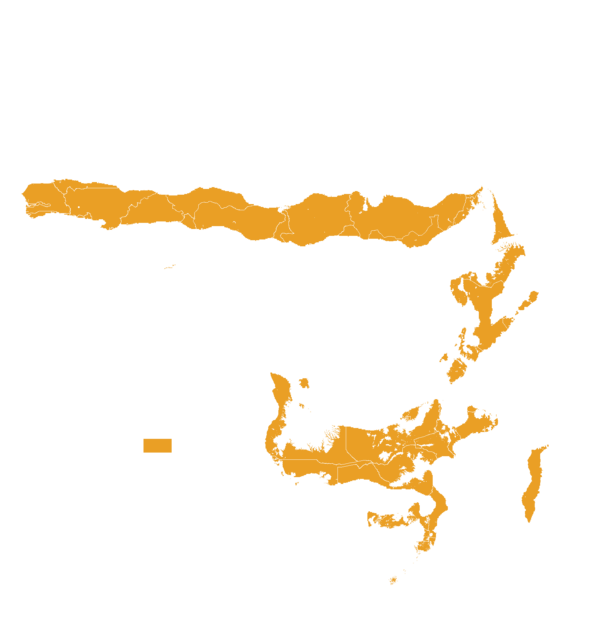
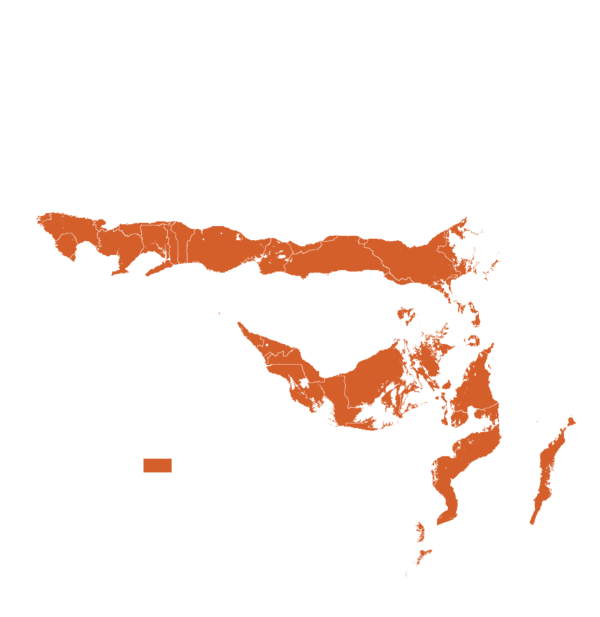
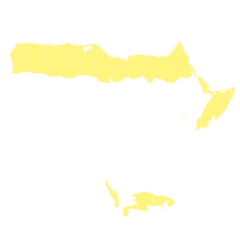
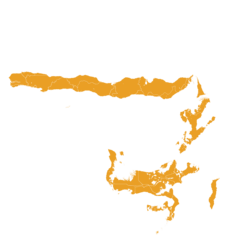
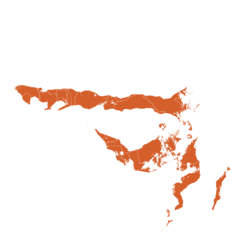
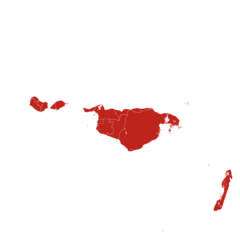
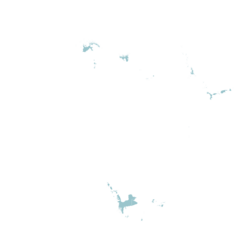
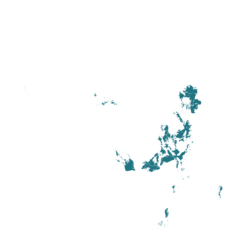
This technology can be used in the colored agro-ecological zones. Any zones shown in white are not suitable for this technology.
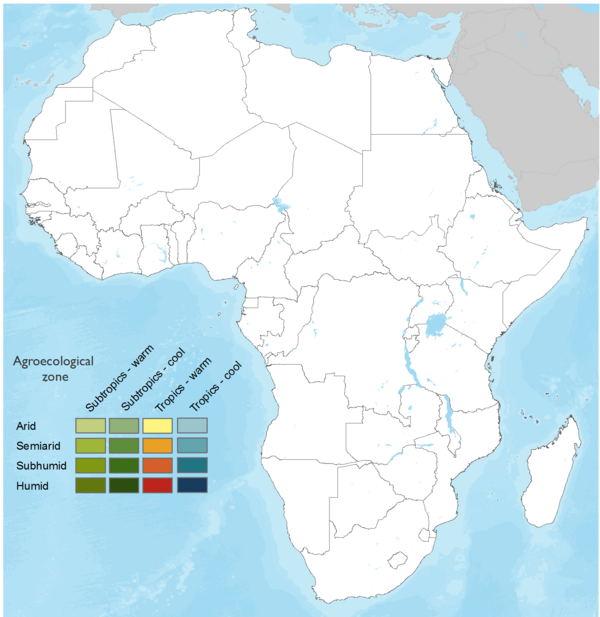
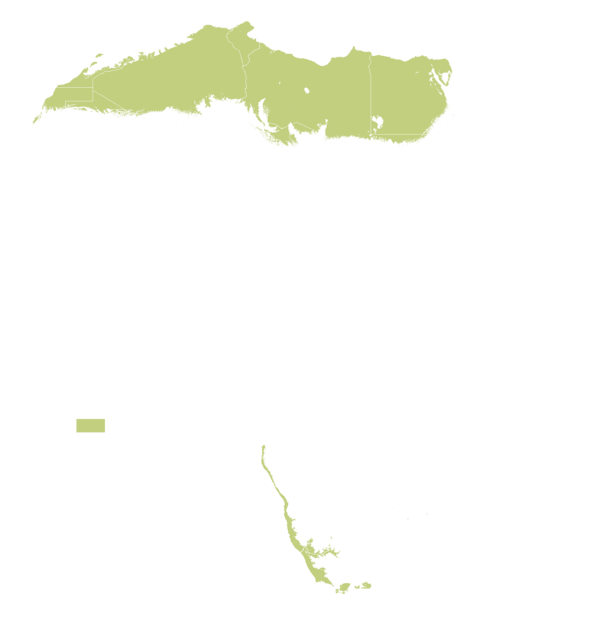
Agro-ecological zones where this technology can be used
AEZ Subtropic - warm Subtropic - cool Tropic - warm Tropic - cool
Arid
Semiarid
Subhumid
Humid

Source: HarvestChoice/IFPRI 2009

The United Nations Sustainable Development Goals that are applicable to this technology.
Sustainable Development Goal 1: no poverty
Goal 1: no poverty

e-pineA improves market access for smallholder farmers, especially women and youth, enabling them to sell their pineapples at higher prices.
Sustainable Development Goal 2: zero hunger
Goal 2: zero hunger

By reducing post-harvest losses and improving production efficiency, e-pineA increases the availability of quality pineapple for local consumption and export.
Sustainable Development Goal 5: gender equality
Goal 5: gender equality

The technology explicitly benefits women smallholders by providing equal access to digital tools, training, and market opportunities.
Sustainable Development Goal 8: decent work and economic growth
Goal 8: decent work and economic growth

e-pineA facilitates formalized market connections between farmers and agribusinesses, encouraging fair pricing and reliable supply chains.
Sustainable Development Goal 12: responsible production and consumption
Goal 12: responsible production and consumption

Reduces post-harvest losses, improving resource efficiency and minimizing food waste.
Sustainable Development Goal 13: climate action
Goal 13: climate action

Integrates climate-smart practices and predictive analytics to mitigate the impact of weather variability on crops.
Sustainable Development Goal 17: partnerships for the goals
Goal 17: partnerships for the goals

e-pineA connects multiple stakeholders: smallholders, agribusinesses, exporters, government, and development partners.

  • Create an account
    Producers and buyers start by downloading the e-pineA app and creating an account. Buyers can register directly through the app, while producers can either self-register or be onboarded with the help of field agents from BioLife Tech.
  • Register and map fields
    Producers enter their field information, including location, size, variety, planting date, and GPS coordinates. This data allows the platform to create a dynamic map showing all registered fields and tracking crop development over time.
  • Track production
    Producers receive guidance from agricultural technicians on best practices, sustainable farming, and market requirements. They regularly update field information such as fertilizer usage, treatments, and crop growth stages.
  • Forecast harvests
    e-pineA uses the collected data to predict yields, estimate harvest periods, and display the maturity level of crops with an intuitive color-coded system. This helps buyers plan procurement accurately.
  • Search and order products
    Buyers can filter fields by maturity level, quantity, location, quality, or certifications. Once suitable fields are identified, buyers can place orders directly through the app, with payment options including Mobile Money or bank transfer.
  • Harvest and pack
    After confirming the order, producers organize harvesting and packaging with support from BioLife Tech field agents to ensure quality standards are met.
  • Payment and transaction completion
    Producers receive payment promptly (typically within 24 hours), while buyers receive a final invoice. The platform ensures transparent transactions and traceability for all parties.
  • Offline functionality
    The app can be used without an internet connection. Data entered offline is automatically synchronized once connectivity is available. Field agents assist producers who may have difficulty using the app independently.

Downloads

Last updated on 5 May 2026