TAAT e-catalog
for
government
https://e-catalogs.taat-africa.org/gov/technologies/awd-alternate-wetting-and-drying-irrigation-system
Dry Out the Methane. Green Up Your Harvest.
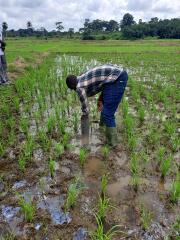
Alternate Wetting and Drying is a scheme-ready water-management protocol that replaces continuous flooding with controlled wet–dry cycles triggered by a defined subsurface water level. It raises water productivity, allowing the same water to cover more area or more farmers, while maintaining yields. The practice also reduces methane emissions from rice paddies, supporting national climate targets, and is low-cost to integrate into irrigation scheduling and extension packages.
This technology is validated.
Climate adaptability: Highly adaptable
Farmer climate change readiness: Significant improvement
Carbon footprint: Much less carbon released
Environmental health: Moderately improves environmental health
Soil quality: Does not affect soil health and fertility
Water use: Much less water used
Insufficient water to serve all farmers/hectares: Current schemes cannot cover demand in dry periods under continuous flooding.
Over-extraction and stress on canals/groundwater: Continuous flooding accelerates withdrawals beyond sustainable limits.
Agricultural methane undermining climate targets: Rice methane is a large share of sector emissions and needs practical mitigation.
High public spending on irrigation energy: More water pumped means higher subsidies or public power costs.
Inconsistent, non-standard water management: Lack of a simple protocol reduces scheme efficiency and complicates extension. (AWD is codified in technical guidance and standards.)
This technology aims to support forest landscape restoration, enhance biodiversity, and empower smallholder farmers through digital tools that combine scientific and traditional knowledge.
To integrate this technology into your project, create a list of activities and prerequisites, including:
Raising awareness among farmers and communities about the benefits and availability of My Farm Trees.
Connecting local producers with seed suppliers, financial support, and restoration markets.
Estimate the number of My Farm Trees users needed for your project, considering costs for digital devices.
Since this is a digital platform, include expenses for smartphones and data plans. Continuous support and refresher trainings from trainers will help ensure effective adoption.
Develop communication materials such as brochures, videos, and local radio messages to promote the technology.
To implement My Farm Trees in your country, consider partnerships with forestry departments, seeds centers, nurseries managers, community organizations, NGOs, and research institutions focused on forest landscape restoration, agroforestry and agroecology.
Open source / open access
| Project | Countries | Beneficiaries | Budget (USD) & duration | Key figures |
|---|---|---|---|---|
|
Agro-Industrial Zones Promotion of Sustainable Agricultural Value Chains in Special Agro-Industrial Processing Zones Program |
|
|
285.38 million 2024–2029 |
|
|
Decarbonizing Rice Improving Rice Productivity by Decarbonizing Cultivation For 12,000 Hectares of Irrigated Land in Benin Republic |
|
|
900.000 2023–2026 |
|
|
EFPP(AEFPF) Emergency Food Production Project (AEFPF) |
|
|
25.5 million 2022–2026 |
|
|
Regenerative agri Multinational - Evidence-based regenerative agriculture to address climate change in Africa |
|
|
975,000 2023 - 2026 |
|
|
SSEFPP-1 SSEFPP-1 Emergency Food Production Plan |
|
|
8.1 million 2022–2023 |
|
Figures in italic are from project plans and may change during implementation.
| Country | Testing ongoing | Tested | Adopted |
|---|---|---|---|
| Côte d’Ivoire | –No ongoing testing | Tested | Adopted |
| Ghana | –No ongoing testing | Tested | Adopted |
| Nigeria | –No ongoing testing | Tested | Adopted |
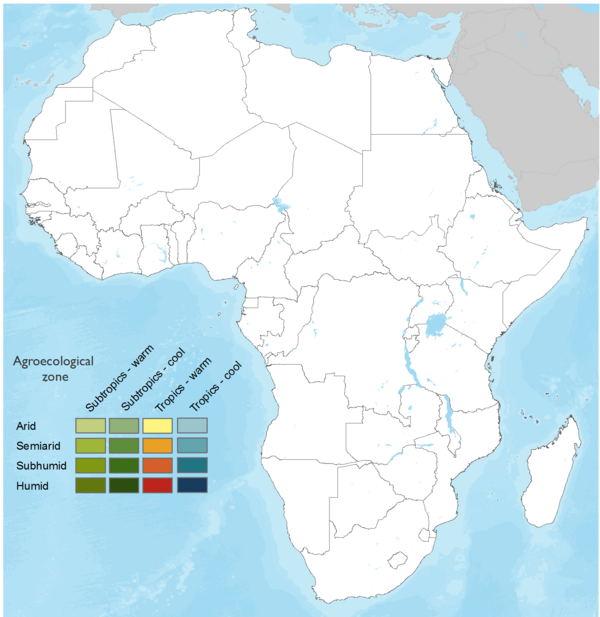
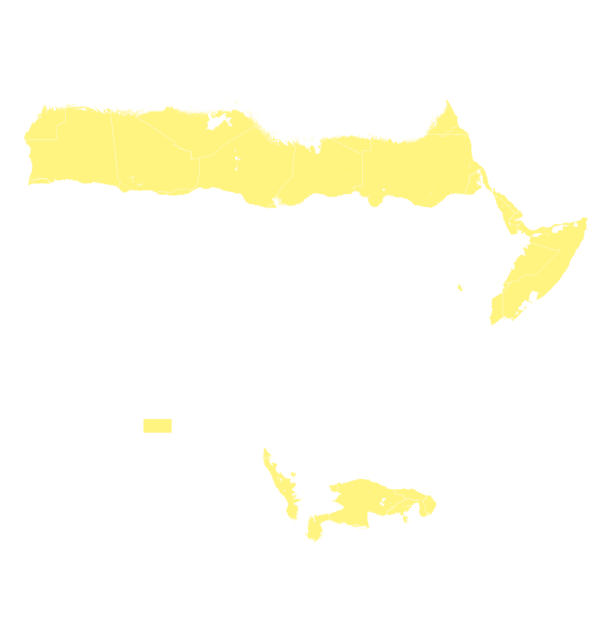
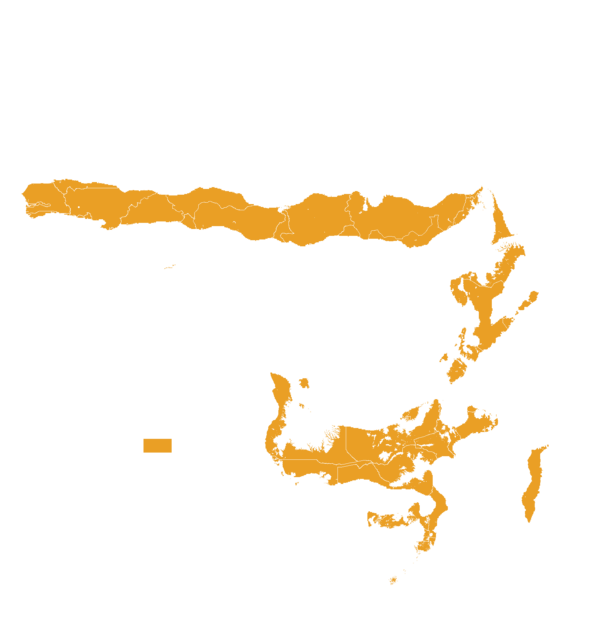
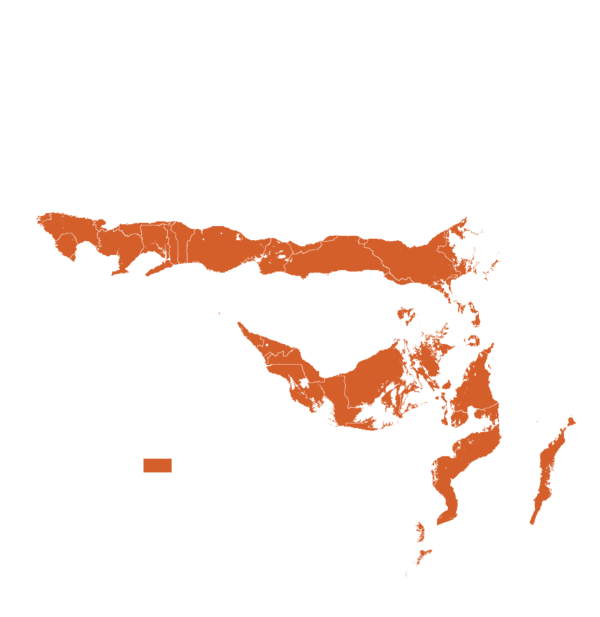
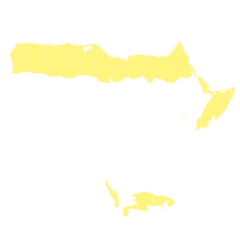
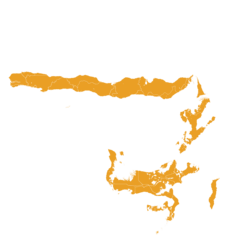
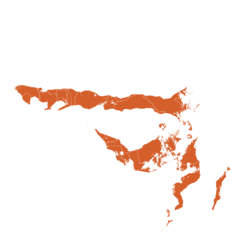
This technology can be used in the colored agro-ecological zones. Any zones shown in white are not suitable for this technology.
| AEZ | Subtropic - warm | Subtropic - cool | Tropic - warm | Tropic - cool |
|---|---|---|---|---|
| Arid | – | – | – | |
| Semiarid | – | – | – | |
| Subhumid | – | – | – | |
| Humid | – | – | – | – |
Source: HarvestChoice/IFPRI 2009
The United Nations Sustainable Development Goals that are applicable to this technology.
AWD reduces irrigation costs (fuel, labor, water fees), helping smallholder farmers lower production expenses and improve net income, especially in pump-irrigated systems.
AWD maintains or slightly improves rice yields while saving water. It enhances resilience to drought and supports stable food production, especially in water-stressed areas.
AWD reduces water use by 25–40%, conserving irrigation water and reducing pressure on shared or limited water resources. It also promotes more equitable water access within irrigation schemes.
AWD encourages efficient resource use—especially water and energy (fuel/electricity for pumps)—and supports sustainable rice intensification.
AWD significantly reduces methane emissions from flooded rice fields (up to 70%), making it a key practice in low-emission rice farming strategies and NDCs (Nationally Determined Contributions).
AWD relies on monitoring the water level below the soil surface using a simple tool called a Field Water Tube.
Here is a step-by-step guide on how to use the AWD technique clearly and in detail:
The field water tube is the key tool used to monitor the water level below the soil surface.
AWD cycles typically start about 15 days after sowing (DAS), or one to two weeks after transplanting, once the crop roots are established.
During the most sensitive stage of rice growth, continuous flooding must be temporarily maintained to protect the crop and secure the yield.
Last updated on Sep 11, 2026
This technology can be used in the colored agro-ecological zones.


AWD: Alternate Wetting and Drying Irrigation System
https://e-catalogs.taat-africa.org/gov/technologies/awd-alternate-wetting-and-drying-irrigation-system
Last updated on 11 September 2026, printed on Oct 5, 2026
Enquiries e-catalogs@taat.africa