TAAT e-catalog
for
Development partners
https://e-catalogs.taat-africa.org/org/technologies/theater-of-the-oppressed-a-participatory-approach-for-social-inclusion-and-community-empowerment
Anyone can act
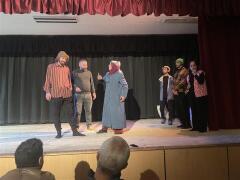
Theatre of the Oppressed is a scalable participatory methodology that strengthens community engagement by bringing together rural communities, facilitators, theatre professionals, and local stakeholders. It addresses social barriers, gender inequality, discrimination, and limited participation through real-life scenarios and Forum Theatre. By enabling communities to discuss challenges, test solutions, and reflect collectively, the approach supports more inclusive and gender-responsive development interventions across different sectors and livelihood systems.
This technology is pre-validated.
| Target Groups | Positive Impacts |
|---|---|
| Women in rural communities |
|
| Youth and young community members |
|
| Marginalized and disadvantaged community members |
|
| Rural communities and community stakeholders |
|
Limited community participation: Rural communities, particularly women and marginalized groups, may have limited opportunities to express their experiences, concerns, and needs in development initiatives.
Gender inequality and restrictive social norms: Discrimination, unequal roles, and social norms can limit women’s participation, access to opportunities, and ability to influence decisions.
Limited spaces for dialogue: Communities may lack safe and participatory spaces to openly discuss social challenges and barriers affecting their lives.
Weak community-driven problem-solving: Limited opportunities to test alternative responses can constrain communities’ ability to identify and explore practical solutions collectively.
Limited empowerment and collective action: Low self-confidence and weak participation can reduce the ability of community members to speak up, engage in collective action, and advocate for change.
Challenges in designing inclusive interventions: Limited understanding of community experiences and perspectives can constrain development partners’ ability to design responsive, inclusive, and gender-transformative interventions.
Theatre of the Oppressed strengthens community engagement, promotes social inclusion, and supports gender-responsive development through participatory theatre and Forum Theatre. It can be integrated into rural development, women’s empowerment, gender transformation, social inclusion, and community engagement programs. Its adoption contributes to SDGs 4, 5, 10, 11, and 16.
To integrate this methodology into your project, plan and budget for the following activities and prerequisites:
Open source / open access
Scaling Readiness describes how complete a technology's development is and its ability to be scaled. It produces a score that measures a technology's readiness along two axes: the level of maturity of the idea itself, and the level to which the technology has been used so far.
Each axis goes from 0 to 9 where 9 is the “ready-to-scale” status. For each technology profile in the e-catalogs we have documented the scaling readiness status from evidence given by the technology providers. The e-catalogs only showcase technologies for which the scaling readiness score is at least 8 for maturity of the idea and 7 for the level of use.
The graph below represents visually the scaling readiness status for this technology, you can see the label of each level by hovering your mouse cursor on the number.
Read more about scaling readiness ›
Uncontrolled environment: validated
Common use by intended users, in the real world
| Maturity of the idea | Level of use | |||||||||
| 9 | ||||||||||
| 8 | ||||||||||
| 7 | ||||||||||
| 6 | ||||||||||
| 5 | ||||||||||
| 4 | ||||||||||
| 3 | ||||||||||
| 2 | ||||||||||
| 1 | ||||||||||
| 1 | 2 | 3 | 4 | 5 | 6 | 7 | 8 | 9 | ||
| Target Groups | Positive Impacts |
|---|---|
| Women in rural communities |
|
| Youth and young community members |
|
| Marginalized and disadvantaged community members |
|
| Rural communities and community stakeholders |
|
| Target Groups | Unintended Impacts | Mitigation Measures |
|---|---|---|
| Women in rural communities |
|
|
| Youth and young community members |
|
|
| Marginalized and disadvantaged community members |
|
|
| Rural communities and community stakeholders |
|
|
| Target Groups | Barriers to Adoption | Mitigation Measures |
|---|---|---|
| Women in rural communities |
|
|
| Youth and young community members |
|
|
| Marginalized and disadvantaged community members |
|
|
| Rural communities and community stakeholders |
|
|
The cost of implementing Theatre of the Oppressed mainly relates to trained facilitators, theatre professionals, scenario development, rehearsals, performances, logistics, and follow-up monitoring and evaluation. Costs vary according to the location, number of participants, duration, and scale of the intervention.
There is no standard cost publicly available for implementing the methodology. Implementation costs should therefore be determined based on the activities required, the number of communities and participants involved, and the level of facilitation and theatre expertise needed.
The methodology does not generate a direct financial return on investment. Its returns are primarily social and community-based, including increased empowerment, participation, confidence, social inclusion, dialogue, collective action, and positive changes in attitudes and behaviors.
The profile should therefore present implementation costs according to the specific intervention while documenting the social and behavioral outcomes generated, rather than assigning a single ROI value to the methodology.
| Country | Testing ongoing | Tested | Adopted |
|---|---|---|---|
| Morocco | –No ongoing testing | Tested | Adopted |
| Tunisia | –No ongoing testing | Tested | Adopted |
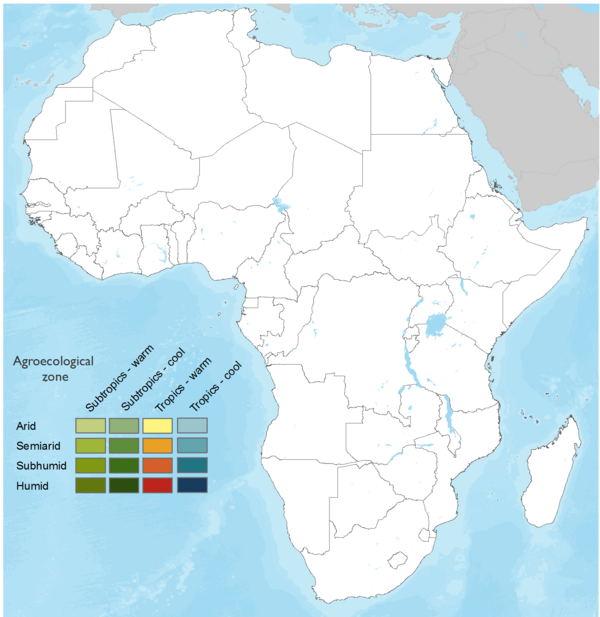
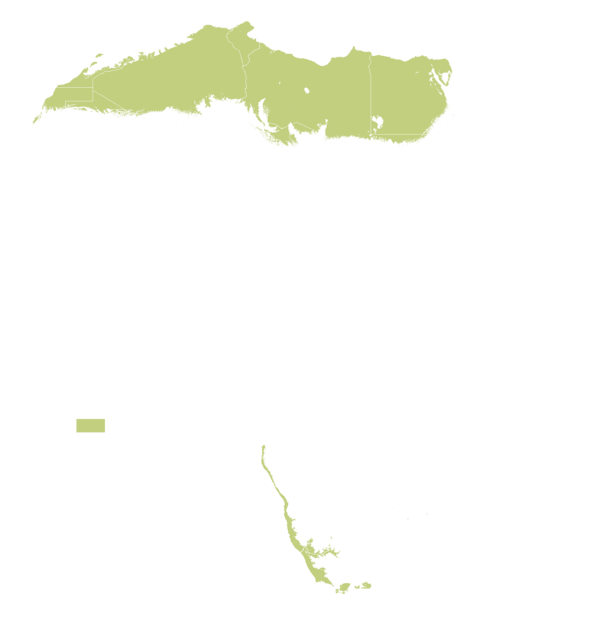
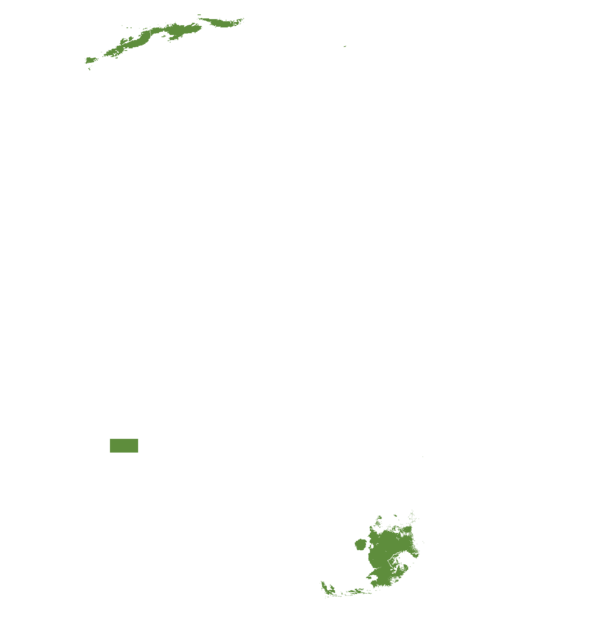
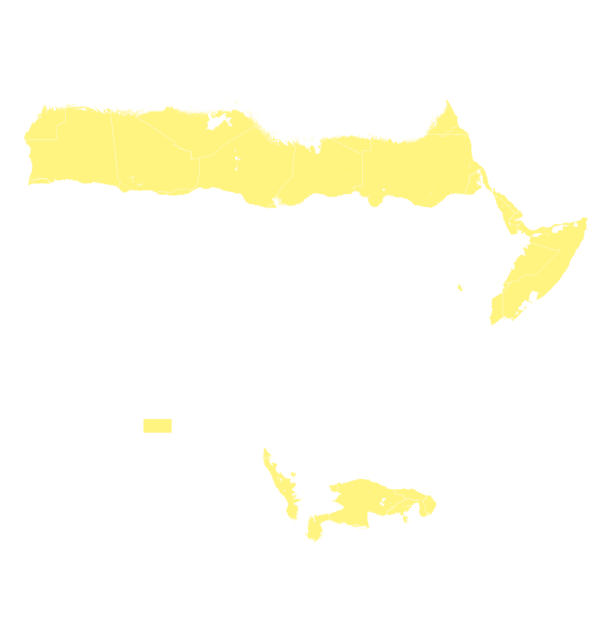
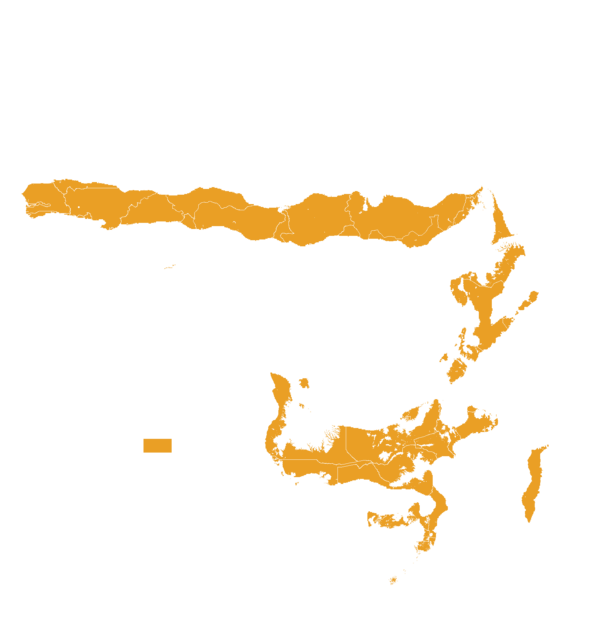
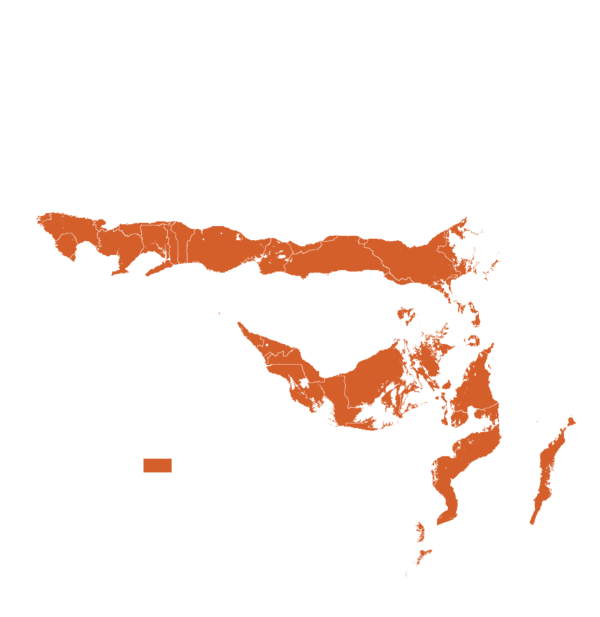
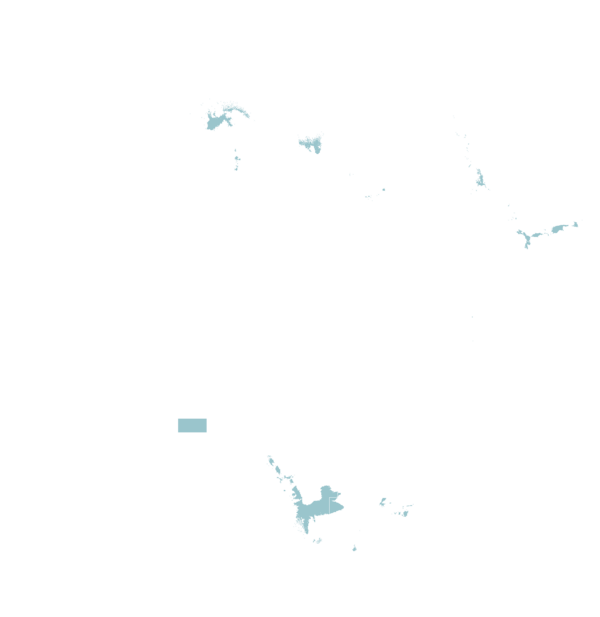
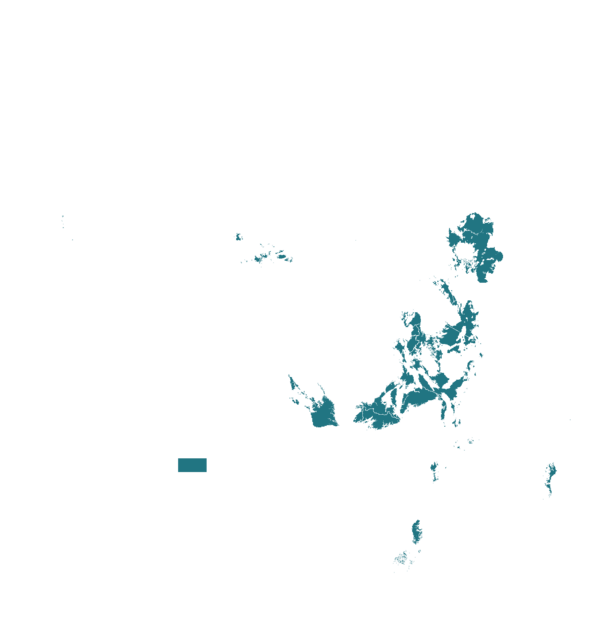
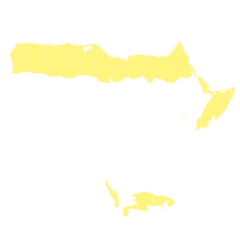
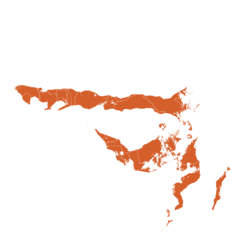
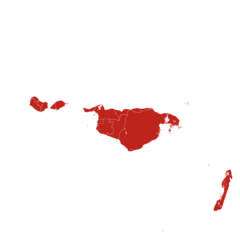
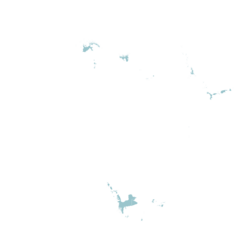
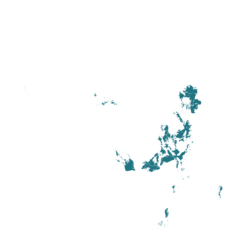
This technology can be used in the colored agro-ecological zones. Any zones shown in white are not suitable for this technology.








| AEZ | Subtropic - warm | Subtropic - cool | Tropic - warm | Tropic - cool |
|---|---|---|---|---|
| Arid | ||||
| Semiarid | ||||
| Subhumid | ||||
| Humid | – |
Source: HarvestChoice/IFPRI 2009
The United Nations Sustainable Development Goals that are applicable to this technology.
Theatre of the Oppressed promotes participatory and experiential learning, enabling participants to critically reflect on social issues, develop problem-solving skills, and gain knowledge through interactive dialogue and collective action.

Theatre of the Oppressed promotes participatory and experiential learning, enabling participants to critically reflect on social issues, develop problem-solving skills, and gain knowledge through interactive dialogue and collective action.
Theatre of the Oppressed helps reduce inequalities by giving voice to marginalized and underrepresented groups, promoting inclusive participation, and addressing social norms and power imbalances that contribute to exclusion.
The approach strengthens community cohesion and resilience by fostering dialogue, collective reflection, and collaborative problem-solving around locally relevant social challenges.

Theatre of the Oppressed promotes inclusive participation, dialogue, and constructive engagement among community members, encouraging peaceful conflict resolution and greater involvement in community decision-making processes.
Step 1 – Identify community issues
Identify social challenges through participatory discussions, focus groups, or community consultations.
Step 2 – Develop theatre scenarios
Develop scenarios with trained Theatre of the Oppressed facilitators and theatre professionals based on participants’ real-life experiences.
Step 3 – Rehearse the scenarios
Rehearse the scenarios with community members and prepare them for performance.
Step 4 – Perform the scenarios
Perform the scenarios before the community, presenting real-life situations related to inequality, exclusion, discrimination, or other barriers.
Step 5 – Facilitate Forum Theatre
Engage the audience in discussing the problems presented and proposing alternative solutions.
Step 6 – Intervene in the scenes
Allow participants to replace actors, introduce alternative actions, and test potential solutions directly in the performance.
Step 7 – Facilitate collective reflection
Guide participants in discussing the different solutions explored and their possible implications.
Step 8 – Monitor and evaluate changes
Conduct follow-up interviews, focus groups, or other participatory assessments to document changes in knowledge, attitudes, behaviors, and community engagement.
Last updated on Sep 30, 2026
This technology can be used in the colored agro-ecological zones.












Theater of The Oppressed: A Participatory Approach for Social Inclusion and Community Empowerment
https://e-catalogs.taat-africa.org/org/technologies/theater-of-the-oppressed-a-participatory-approach-for-social-inclusion-and-community-empowerment
Last updated on 30 September 2026, printed on Oct 9, 2026
Enquiries e-catalogs@taat.africa