
TAAT e-catalog
for
Development partners
https://e-catalogs.taat-africa.org/org/technologies/multifunctional-biopesticide-ecopticide-agri
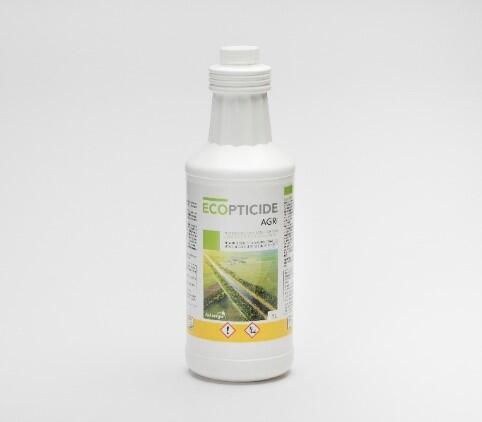
Ecopticide Agri, your 3-in-1 bio product against insect, fungi and nematode
Ecopticide Agri is a multifunctional environmental solution that functions as an insecticide, fungicide, nematicide, and bactericide. It offers comprehensive protection against various pests and pathogens, including Fall armyworm, Oidium, Botrytis, Powdery mildew, Downy mildew, Leaf spots, Molds, Nematodes, Leaf Bright, Coleoptera, and Sclerotinia sclerotiorum. The product's formulation aims to prevent resistance development among pests, and its preventive use helps reduce the risk of pest invasions.
This technology is validated.
Adults 18 and over: Positive high
Increased agricultural productivity due to more effective and eco-friendly pest control, improving livelihoods for adult farmers.
Others: Positive low
Benefits communities by promoting healthier ecosystems and reducing chemical contamination in local environments.
The poor: Positive medium
Lowers costs associated with synthetic pesticides, making pest control more accessible to smallholder farmers.
Under 18: Positive low
Safer agricultural environments with reduced exposure to harmful synthetic pesticides, lowering health risks for children living near farming areas.
Women: Positive medium
Supports women farmers, who often manage small-scale farms, by improving crop resilience and reducing input costs.
Climate adaptability: Highly adaptable
Natural formulation from plant essential oils and microorganisms enhances performance in diverse climates. It Reduces reliance on synthetic chemicals that may struggle in extreme weather conditions.
Farmer climate change readiness: Significant improvement
It enhances resilience by offering pest and disease control in changing climates
Biodiversity: Positive impact on biodiversity
Natural ingredients help preserve beneficial insects and soil organisms.
Carbon footprint: A bit less carbon released
Reduces reliance on fossil fuel-derived synthetic pesticides, leading to a smaller carbon footprint.
Environmental health: Greatly improves environmental health
Lowers ecological footprint, supporting sustainable and eco-friendly agricultural practices.
Soil quality: Improves soil health and fertility
Acts as a nematicide, reducing harmful nematode populations in the soil.
Water use: Same amount of water used
Product efficacy is not affected by water quality, suitable for areas with poor water quality.
Crop losses undermine programme results: Pest and disease pressure can reduce the productivity gains expected from agricultural development interventions.
Limited effectiveness of existing control options: Pest resistance and the restricted spectrum of some pesticides can limit the effectiveness of crop protection activities.
Environmental sustainability concerns: Heavy reliance on conventional pesticides can create risks for biodiversity, soil health, and water quality.
Health and safety risks: Inadequate pesticide handling and exposure can affect farmers and agricultural workers.
High cost of pest management: Repeated applications and the use of multiple products can increase the cost of crop protection for smallholder farmers.
Challenges promoting integrated pest management: Farmers may lack accessible alternatives that can complement existing pest management practices and reduce dependence on conventional synthetic products.
Support biological crop protection: Development partners can assess Ecopticide Agri as a potential component of integrated pest management for priority crops and target pests.
Strengthen field validation and monitoring: Field trials can evaluate pest control efficacy, crop response, yield effects, and performance under local agroecological conditions.
Build farmer and extension capacity: Training can cover target pest identification, correct dilution, foliar and soil application, protective equipment, and safe handling.
Support responsible resistance management: Technical guidance can help farmers use the product appropriately within integrated pest management strategies rather than relying on a single control method.
Improve access and distribution: Partnerships with authorized suppliers, agro-dealers, and agricultural advisory services can help farmers access the product where it is registered and recommended.
Monitor environmental and production outcomes: Programmes can track pest damage, marketable yield, product use, farmer adoption, pesticide-use patterns, and relevant environmental indicators to assess the technology's contribution.
Ecopticide Agri is a multifunctional biopesticide developed from natural bioactive compounds that provides insecticidal, fungicidal, and nematicidal protection with minimal chemical residues. By combining a triple mode of action with a 100% biodegradable formulation free from harmful solvents, the technology reduces reliance on conventional pesticides, improves food safety, protects biodiversity, and promotes sustainable crop production. Suitable for integrated pest management, food safety, sustainable intensification, and climate-smart agriculture programmes, it contributes to SDGs 2 (Zero Hunger), 3 (Good Health and Well-being), 6 (Clean Water and Sanitation), 12 (Responsible Consumption and Production), and 13 (Climate Action). The technology creates opportunities for women, youth, and agricultural service providers by supporting safer and more sustainable crop protection practices.
To successfully integrate this technology, consider the following key actions:
Initial investment for manufacturer
Operating Investment
Scaling Readiness describes how complete a technology's development is and its ability to be scaled. It produces a score that measures a technology's readiness along two axes: the level of maturity of the idea itself, and the level to which the technology has been used so far.
Each axis goes from 0 to 9 where 9 is the “ready-to-scale” status. For each technology profile in the e-catalogs we have documented the scaling readiness status from evidence given by the technology providers. The e-catalogs only showcase technologies for which the scaling readiness score is at least 8 for maturity of the idea and 7 for the level of use.
The graph below represents visually the scaling readiness status for this technology, you can see the label of each level by hovering your mouse cursor on the number.
Read more about scaling readiness ›
Uncontrolled environment: validated
Common use by intended users, in the real world
| Maturity of the idea | Level of use | |||||||||
| 9 | ||||||||||
| 8 | ||||||||||
| 7 | ||||||||||
| 6 | ||||||||||
| 5 | ||||||||||
| 4 | ||||||||||
| 3 | ||||||||||
| 2 | ||||||||||
| 1 | ||||||||||
| 1 | 2 | 3 | 4 | 5 | 6 | 7 | 8 | 9 | ||
| Country | Testing ongoing | Tested | Adopted |
|---|---|---|---|
| Benin | –No ongoing testing | Tested | –Not adopted |
| Burkina Faso | –No ongoing testing | Tested | –Not adopted |
| Ghana | –No ongoing testing | Tested | Adopted |
| Sierra Leone | –No ongoing testing | Tested | –Not adopted |
| The Democratic Republic of the Congo | –No ongoing testing | Tested | –Not adopted |
| Togo | –No ongoing testing | Tested | Adopted |
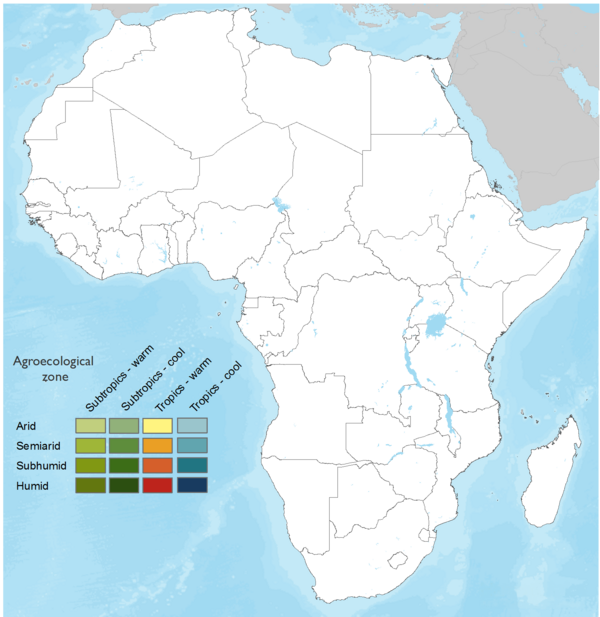
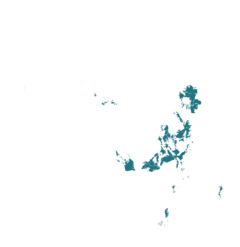
This technology can be used in the colored agro-ecological zones. Any zones shown in white are not suitable for this technology.

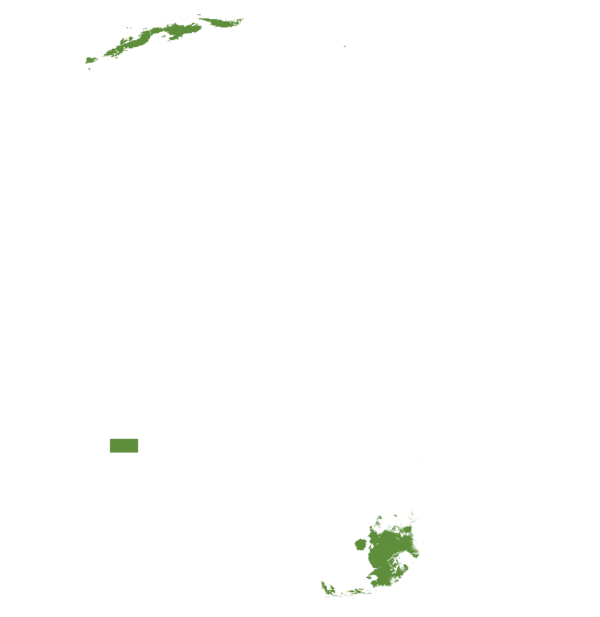




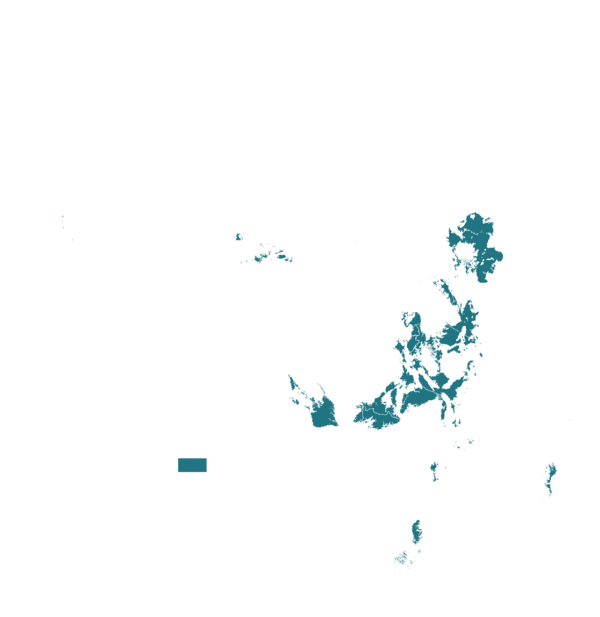

| AEZ | Subtropic - warm | Subtropic - cool | Tropic - warm | Tropic - cool |
|---|---|---|---|---|
| Arid | – | – | – | – |
| Semiarid | – | – | ||
| Subhumid | – | – | ||
| Humid |
Source: HarvestChoice/IFPRI 2009
The United Nations Sustainable Development Goals that are applicable to this technology.

Reduces crop losses due to pests and diseases, helping ensure consistent food supplies.

Reduces the use of harmful synthetic pesticides, decreasing health risks for farmers, farmworkers, and surrounding communities.

Helps farmers adapt to climate variability by providing a pest control solution that is effective in various climates.

Lowers the risk of water contamination by reducing chemical pesticide runoff into water bodies.

Reduces dependence on synthetic chemicals, promoting more responsible and sustainable production.
Formulation Composition:
Dilution Process:
Dilution Ratio:
Foliar Application:
Soil Application:
Last updated on Oct 21, 2026
This technology can be used in the colored agro-ecological zones.









Multifunctional biopesticide: Ecopticide Agri
https://e-catalogs.taat-africa.org/org/technologies/multifunctional-biopesticide-ecopticide-agri
Last updated on 21 October 2026, printed on Oct 24, 2026
Enquiries e-catalogs@taat.africa