TAAT e-catalog
for
Development partners
https://e-catalogs.taat-africa.org/org/technologies/motorized-planter-and-fertilizer-applicator-senekela-mechanized-tillers-planters-and-fertilizer-applicators
Make farming easier with planting and fertilizing machines
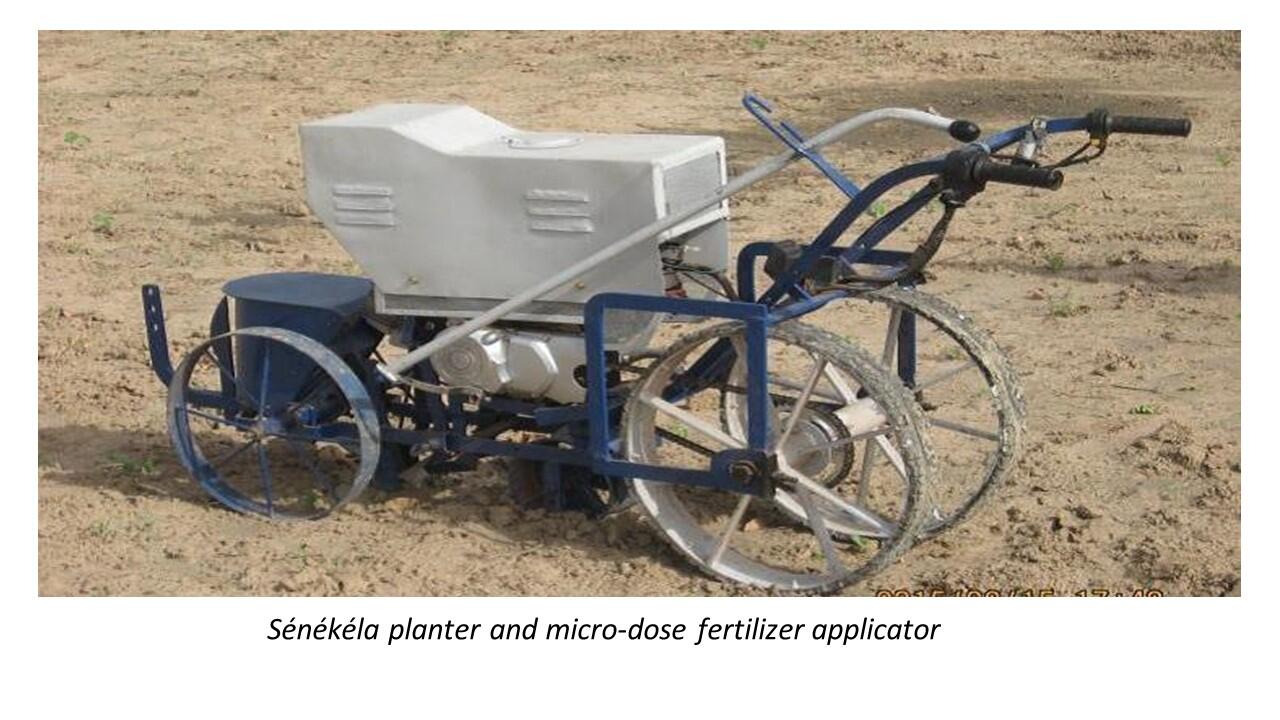
This technology is designed to reduce the workload for millet and sorghum producers. It includes walking-style power tillers, hand-pushed planters, fertilizer applicators, small engine backpack brush cutters and paddle weeders, and power sprayers. The motorized planter and fertilizer micro-dose applicator, known as "Sénékéla", provides precise and fast placement of seeds and mineral inputs on prepared soils or ridges. These technologies aim to improve efficiency and productivity in small-scale farming, especially in regions with limited access to markets and infrastructure.
This technology is TAAT1 validated.
Adults 18 and over: Positive high
The poor: Positive low
Under 18: Positive low
Women: Positive low
Climate adaptability: Moderately adaptable
Farmer climate change readiness: Significant improvement
Biodiversity: No impact on biodiversity
Environmental health: Does not improve environmental health
Soil quality: Does not affect soil health and fertility
Mechanized Tillers, Planters, and Fertilizer Applicators help reduce labor constraints and improve the timeliness and efficiency of millet and sorghum production. The technology can be integrated into food security, mechanization, climate resilience, women’s economic empowerment, and youth employment programs. Its adoption contributes to SDG 1 (No Poverty), SDG 2 (Zero Hunger), SDG 5 (Gender Equality), and SDG 8 (Decent Work and Economic Growth).
To integrate this technology into your project, plan and budget for the following activities and prerequisites:
Open source / open access
Scaling Readiness describes how complete a technology's development is and its ability to be scaled. It produces a score that measures a technology's readiness along two axes: the level of maturity of the idea itself, and the level to which the technology has been used so far.
Each axis goes from 0 to 9 where 9 is the “ready-to-scale” status. For each technology profile in the e-catalogs we have documented the scaling readiness status from evidence given by the technology providers. The e-catalogs only showcase technologies for which the scaling readiness score is at least 8 for maturity of the idea and 7 for the level of use.
The graph below represents visually the scaling readiness status for this technology, you can see the label of each level by hovering your mouse cursor on the number.
Read more about scaling readiness ›
Uncontrolled environment: tested
Used by some intended users, in the real world
| Maturity of the idea | Level of use | |||||||||
| 9 | ||||||||||
| 8 | ||||||||||
| 7 | ||||||||||
| 6 | ||||||||||
| 5 | ||||||||||
| 4 | ||||||||||
| 3 | ||||||||||
| 2 | ||||||||||
| 1 | ||||||||||
| 1 | 2 | 3 | 4 | 5 | 6 | 7 | 8 | 9 | ||
| Country | Testing ongoing | Tested | Adopted |
|---|---|---|---|
| Ethiopia | –No ongoing testing | –Not tested | Adopted |
| Kenya | –No ongoing testing | –Not tested | Adopted |
| Mali | –No ongoing testing | –Not tested | Adopted |
| Niger | –No ongoing testing | –Not tested | Adopted |
| Nigeria | –No ongoing testing | –Not tested | Adopted |
| Senegal | –No ongoing testing | –Not tested | Adopted |
| Tanzania, United Republic | –No ongoing testing | –Not tested | Adopted |
| The Republic of the Sudan | –No ongoing testing | –Not tested | Adopted |
| Zimbabwe | –No ongoing testing | –Not tested | Adopted |
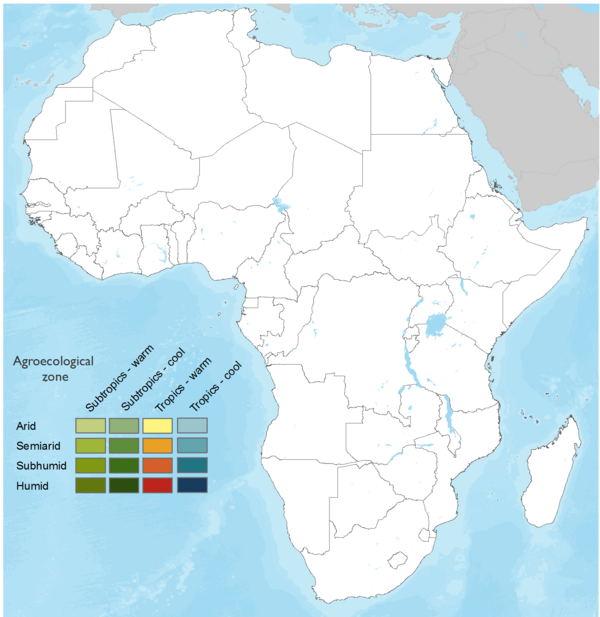
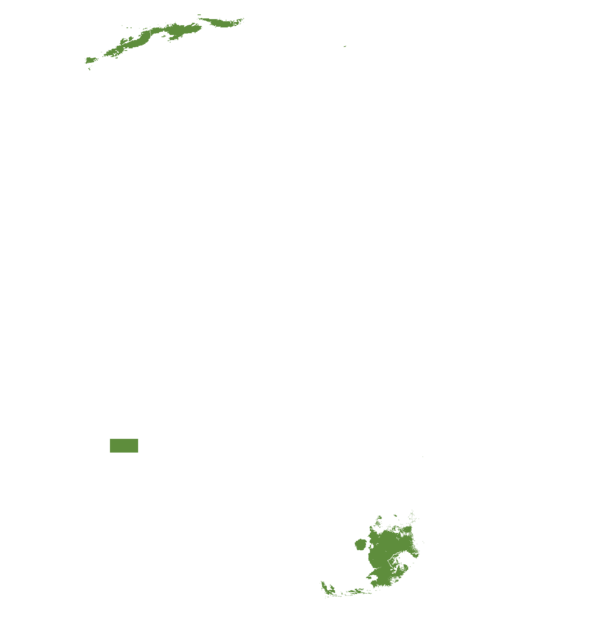
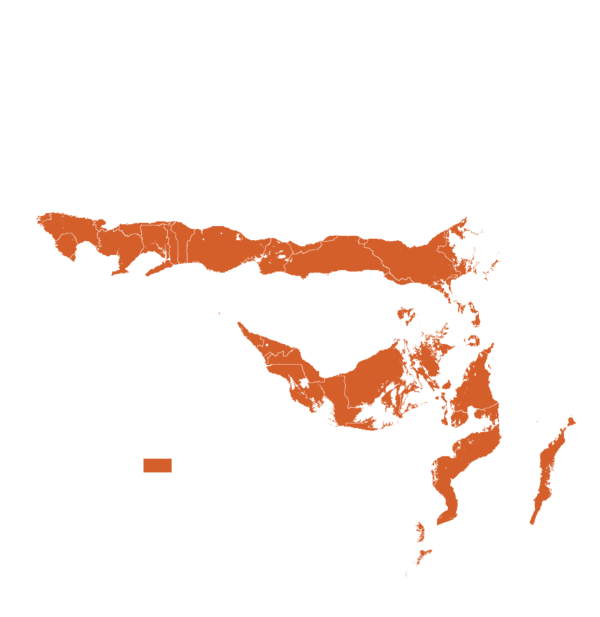
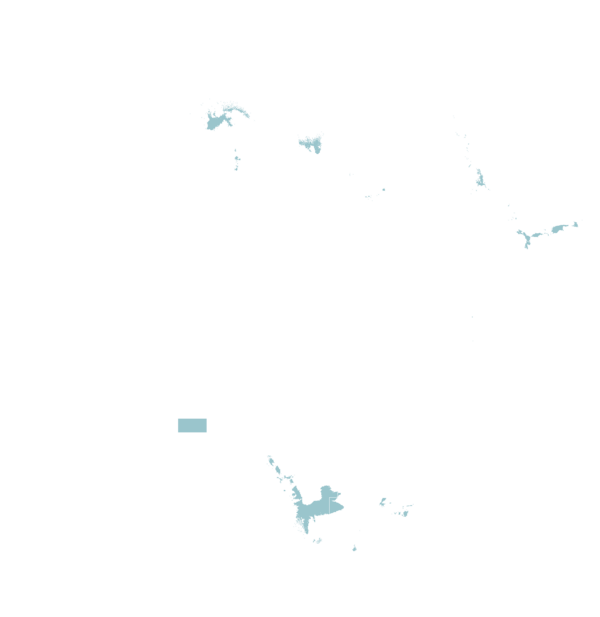
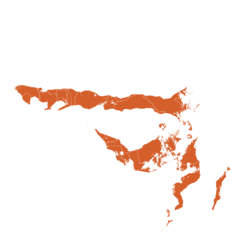
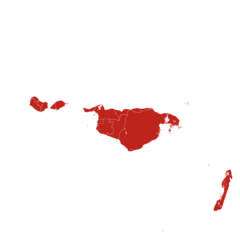
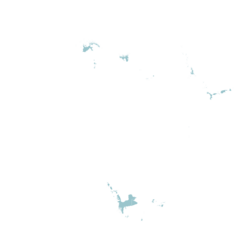
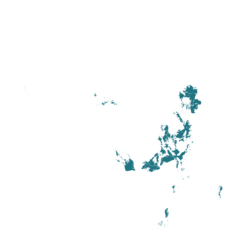
This technology can be used in the colored agro-ecological zones. Any zones shown in white are not suitable for this technology.






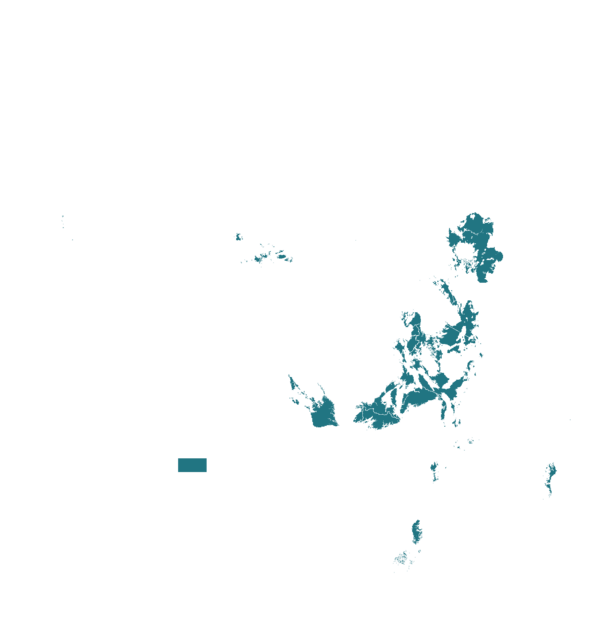
| AEZ | Subtropic - warm | Subtropic - cool | Tropic - warm | Tropic - cool |
|---|---|---|---|---|
| Arid | – | – | ||
| Semiarid | – | – | ||
| Subhumid | ||||
| Humid | – | – |
Source: HarvestChoice/IFPRI 2009
The United Nations Sustainable Development Goals that are applicable to this technology.
Last updated on Sep 9, 2026
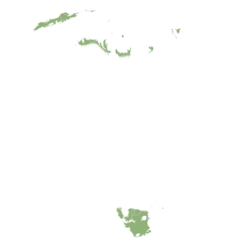
This technology can be used in the colored agro-ecological zones.







Motorized Planter and Fertilizer Applicator (Sénékéla): Mechanized Tillers, Planters and Fertilizer Applicators
https://e-catalogs.taat-africa.org/org/technologies/motorized-planter-and-fertilizer-applicator-senekela-mechanized-tillers-planters-and-fertilizer-applicators
Last updated on 9 September 2026, printed on Oct 23, 2026
Enquiries e-catalogs@taat.africa