Logo
TAAT e-catalog for Development partners
https://e-catalogs.taat-africa.org/org/technologies/integrated-rice-field-pond-system-irfps-linking-rice-fish-vegetables-and-livestock
Request information View pitch brochure

Integrated Rice-Field Pond System (IRFPS): Linking Rice, Fish, Vegetables and Livestock

Supporting Year-Round Food and Water Availability while Diversifying Farm Income and Building Climate Resilience

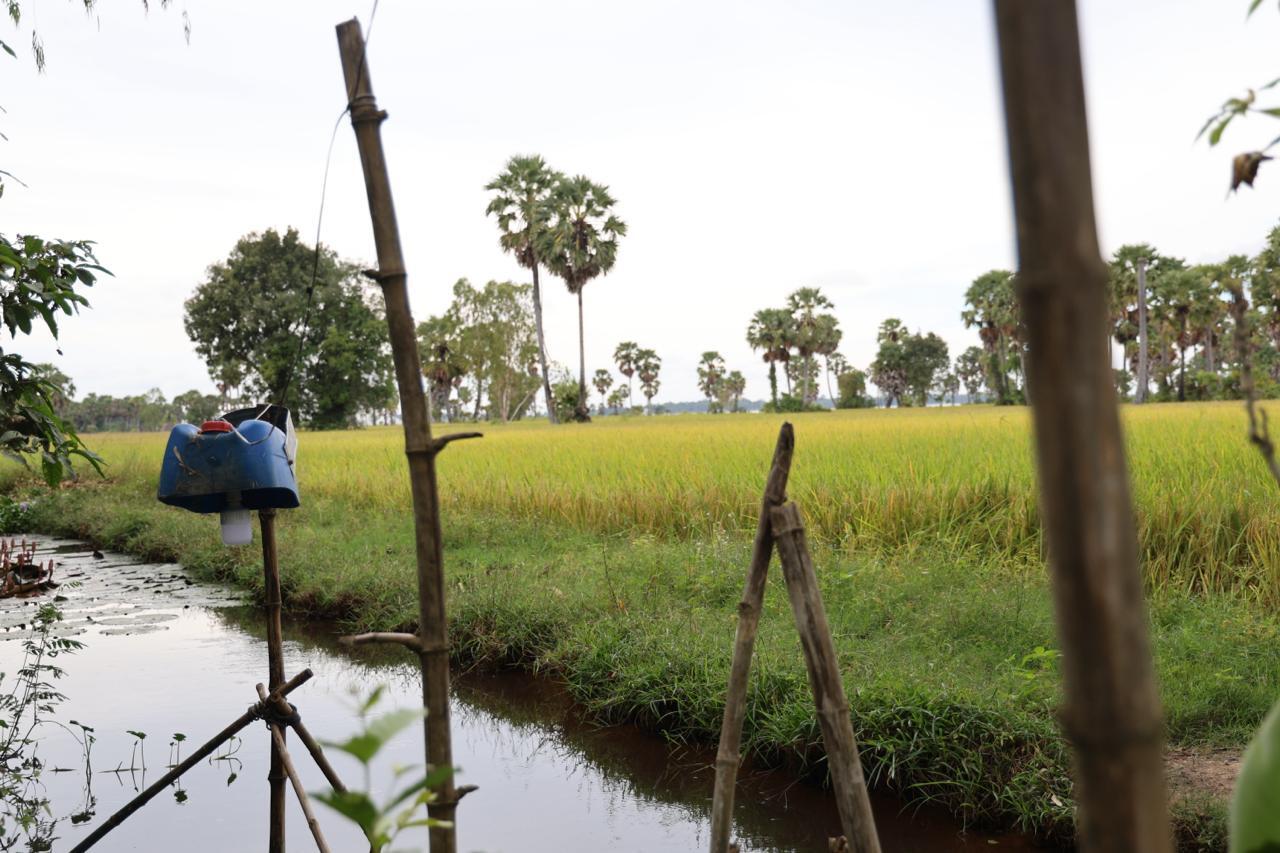
The Integrated Rice-Field Pond System (IRFPS) improves existing ricefield ponds through an integrated package of water, fish habitat and ecological management practices that can be adapted to local farming conditions. Pond–ricefield connectivity supports water exchange and fish movement, while aquatic vegetation and shelters improve habitat. Rice and fish production is combined with vegetables and, where appropriate, small livestock, supported by nutrient recycling and reduced pesticide use. Complementary options such as Black Soldier Fly larvae and solar insect-attracting lights can be introduced according to farmer needs and capacity.
This technology is pre-validated.

8•7

Scaling readiness: idea maturity 8/9; level of use 7/9

Positive impacts: 14

Target Groups Positive Impacts
Low-income farmers with insecure pond tenure and limited access to extension/training services
  • Better use of existing resources: Where sufficiently stable pond-use rights exist, IRFPS enables greater productive use of existing ponds, water and ricefields without requiring costly new infrastructure.
  • Lower dependence on some purchased inputs: Locally available shelters, compost and natural or farm-produced feed can reduce reliance on some external inputs.
  • Improved production opportunities: IRFPS increased rice yields by 57% to 3.45 t/ha and fish production to about 65 kg/pond under documented implementation conditions.
  • Skills development: Practical training strengthens knowledge of water, fish habitat and integrated production management.
Low-income women farmers with insecure pond tenure
  • Diversified food and livelihood opportunities: Rice, fish, vegetables and poultry provide multiple products for household consumption or sale where women can participate in and benefit from production.
  • Better use of accessible farm resources: Where sufficient pond-use rights exist, pond water, bunds and surrounding spaces can support additional productive activities.
  • Potential economic benefits: Increased rice and fish production can generate additional economic opportunities where women have access to and benefit from the resulting production and income.
Women farmers with insecure pond tenure and limited access to extension/training services
  • Access to practical knowledge: Training can strengthen skills in water management, fish habitat, diversified production and ecological management.
  • Broader participation in production: Where pond-use rights are sufficient, integrated fish, vegetable, poultry and rice production creates several entry points for productive participation.
  • Locally manageable practices: Compost, locally available fish shelters and farm-based feed options can facilitate implementation where access to external inputs and advisory services is limited.
Low-income women farmers with limited access to extension/training services
  • Production and livelihood diversification: Combining rice with fish, vegetables and poultry provides several potential sources of food and income rather than dependence on rice alone.
  • Productivity opportunities: IRFPS increased rice yields by 57% and fish yields by 67% under documented implementation conditions.
  • Capacity development: Practical training can strengthen knowledge of integrated production and water management.
  • More accessible production options: Locally available materials, compost and farm-produced feed can reduce reliance on some purchased inputs.
More...

Climate adaptability: Highly adaptable

IRFP is highly adaptable because it is not climate-specific and relies on existing ricefield ponds, natural fish stocking, and locally adaptable components, allowing it to be implemented across diverse agroecological conditions where suitable ricefields and ponds are available.

Farmer climate change readiness: Moderate improvement

The practice helps farmers adapt by retaining water, preserving fish stocks, and diversifying production. it provides practical resilience measures against droughts and floods.

Biodiversity: Positive impact on biodiversity

By reducing pesticide use, adding fish shelters, and maintaining aquatic vegetation, RFP supports wild fish and pond ecosystems, strengthening local biodiversity and ecological balance.

Carbon footprint: A bit less carbon released

RFP uses low-input practices, solar-powered lighting, nutrient recycling, and reduced chemical inputs, which can help reduce some emission sources compared with more input-intensive production systems.

Environmental health: Moderately improves environmental health

RFP reduces chemical pesticide use and promotes organic inputs and nutrient recycling, helping protect pond water, fish, and other aquatic organisms and supporting healthier ricefield–pond ecosystems.

Soil quality: Improves soil health and fertility

RFP promotes the production and application of organic compost on pond bunds, supporting soil fertility and nutrient recycling while reducing reliance on chemical inputs.

Water use: A bit less water used

RFP improves water retention and reuse by storing pond water for supplementary irrigation during dry periods, helping reduce water losses and reliance on additional water sources.

Problem

  • Climate-sensitive food production: Droughts, irregular rainfall, flooding and seasonal pond drying increase the vulnerability of rice- and fish-based food production.
  • Limited food and livelihood diversification: Dependence on rice production and underuse of existing ponds restrict households' opportunities to diversify food sources and farm income.
  • Low productivity of existing farm resources: Poor pond–ricefield connectivity, water management and fish habitat prevent households from realizing the productive potential of existing ponds and rice fields.
  • Pressure on aquatic resources: Habitat degradation, disrupted water connectivity and pesticide use affect fish populations and the ecological functions supporting ricefield fisheries.

Solution

  • Builds resilience of food production: Improved water management, pond–ricefield connectivity and diversified production help farming households maintain rice and fish production under seasonal and climate-related constraints.
  • Diversifies food and livelihood opportunities: Combining rice, fish, vegetables and livestock provides households with multiple sources of food and potential income.
  • Improves productivity of existing farm assets: Better management of existing ponds and rice fields increases their productive potential without requiring costly new infrastructure.
  • Supports ecological management of aquatic resources: Improved fish habitat and connectivity, reduced pesticide use and nutrient recycling support healthier ricefield–pond ecosystems.

Key points to design your program

The Integrated Rice-Field Pond System (IRFPS) integrates food and nutrition security, livelihood diversification, climate resilience and sustainable management of ricefield aquatic resources within the same intervention, contributing to SDGs 1, 2, 13 and 14. IRFPS increased rice yields by 57% to 3.45 t/ha and fish yields by 67% to about 65 kg/pond. To integrate and scale IRFPS:

  • Target suitable farming communities: Prioritize rice-farming households with existing ponds within or near ricefields, particularly where seasonal pond drying, declining fish stocks and limited production diversification constrain food and livelihood opportunities.
  • Integrate food, livelihood and resilience objectives: Combine rice, fish, vegetables and, where appropriate, small livestock to diversify food and income sources while improving the productive use of existing land and water resources.
  • Build implementation capacity: Fund practical training, demonstration sites and farmer-to-farmer learning on pond–ricefield connectivity, water and fish-stock management, fish habitat and diversified production.
  • Plan resources according to local needs: Budget for essential pond improvements, connectivity, fish shelters and training, adding BSF larvae production and solar insect-attracting lights where appropriate and affordable.
  • Build delivery partnerships: Engage farmer groups, agricultural and fisheries extension services and local institutions, with WorldFish providing technical guidance for adaptation and deployment.
  • Monitor impact and inclusion: Track adoption, rice and fish production, livelihood, nutrition and ecological outcomes, including participation and benefits for targeted women and vulnerable groups.
  • Plan for continuity: Strengthen local extension capacity and farmer learning networks and prioritize locally manageable practices that can continue beyond project funding.

43 USD/household

Initial cost of the IRFPS

57 %

Increase in rice yield

67 %

Increase in wild fish production

250 USD/year

Additional income from diversified production

IP

No formal IP rights

Scaling Readiness describes how complete a technology's development is and its ability to be scaled. It produces a score that measures a technology's readiness along two axes: the level of maturity of the idea itself, and the level to which the technology has been used so far.

Each axis goes from 0 to 9 where 9 is the “ready-to-scale” status. For each technology profile in the e-catalogs we have documented the scaling readiness status from evidence given by the technology providers. The e-catalogs only showcase technologies for which the scaling readiness score is at least 8 for maturity of the idea and 7 for the level of use.

The graph below represents visually the scaling readiness status for this technology, you can see the label of each level by hovering your mouse cursor on the number.

Read more about scaling readiness ›

Scaling readiness score of this technology

Maturity of the idea 8 out of 9

Uncontrolled environment: tested

Level of use 7 out of 9

Common use by projects NOT connected to technology provider

Maturity of the idea Level of use
9
8
7
6
5
4
3
2
1
1 2 3 4 5 6 7 8 9

Positive impact 14

Target Groups Positive Impacts
Low-income farmers with insecure pond tenure and limited access to extension/training services
  • Better use of existing resources: Where sufficiently stable pond-use rights exist, IRFPS enables greater productive use of existing ponds, water and ricefields without requiring costly new infrastructure.
  • Lower dependence on some purchased inputs: Locally available shelters, compost and natural or farm-produced feed can reduce reliance on some external inputs.
  • Improved production opportunities: IRFPS increased rice yields by 57% to 3.45 t/ha and fish production to about 65 kg/pond under documented implementation conditions.
  • Skills development: Practical training strengthens knowledge of water, fish habitat and integrated production management.
Low-income women farmers with insecure pond tenure
  • Diversified food and livelihood opportunities: Rice, fish, vegetables and poultry provide multiple products for household consumption or sale where women can participate in and benefit from production.
  • Better use of accessible farm resources: Where sufficient pond-use rights exist, pond water, bunds and surrounding spaces can support additional productive activities.
  • Potential economic benefits: Increased rice and fish production can generate additional economic opportunities where women have access to and benefit from the resulting production and income.
Women farmers with insecure pond tenure and limited access to extension/training services
  • Access to practical knowledge: Training can strengthen skills in water management, fish habitat, diversified production and ecological management.
  • Broader participation in production: Where pond-use rights are sufficient, integrated fish, vegetable, poultry and rice production creates several entry points for productive participation.
  • Locally manageable practices: Compost, locally available fish shelters and farm-based feed options can facilitate implementation where access to external inputs and advisory services is limited.
Low-income women farmers with limited access to extension/training services
  • Production and livelihood diversification: Combining rice with fish, vegetables and poultry provides several potential sources of food and income rather than dependence on rice alone.
  • Productivity opportunities: IRFPS increased rice yields by 57% and fish yields by 67% under documented implementation conditions.
  • Capacity development: Practical training can strengthen knowledge of integrated production and water management.
  • More accessible production options: Locally available materials, compost and farm-produced feed can reduce reliance on some purchased inputs.

Unintended impact 13

Groups Unintended Impacts Mitigation Measures
Low-income farmers with insecure pond tenure and limited access to extension/training services
  • Loss of investment: Pond improvements may be lost if farmers subsequently lose access or use rights.
  • Financial loss from incorrect implementation: Scarce household resources may be invested in components that perform poorly because of insufficient technical knowledge.
  • Additional maintenance costs: Equipment such as solar lights may create maintenance or replacement expenses.
  • Confirm sufficiently secure pond-use arrangements before supporting structural or longer-term investments.
  • Introduce investments progressively and provide practical training and technical follow-up before additional expenditure.
  • Prioritize locally manageable components and ensure maintenance and replacement options are accessible before introducing external equipment.
Low-income women farmers with insecure pond tenure
  • Increased workload: Adding fish, vegetables, poultry or supplementary-feed activities may increase women's productive workload.
  • Unequal distribution of benefits: Greater participation in production may not translate into equivalent participation in decisions over products or income.
  • Loss of invested labour or resources: Women may lose investments made in the system if their pond access or use rights change.
  • Assess labour requirements and introduce additional activities progressively while encouraging household task-sharing.
  • Include women in decisions on production, harvesting, consumption, marketing and use of resulting income.
  • Clarify continued pond access and benefit arrangements before substantial labour or resources are invested.
Women farmers with insecure pond tenure and limited access to extension/training services
  • Increased workload and management burden: Managing several integrated production components may add substantial responsibilities.
  • Poor system performance from incorrect management: Inappropriate water, habitat, nutrient or pesticide management may reduce production or harm aquatic organisms.
  • Unequal distribution of benefits: Increased participation may not translate into equivalent control over outputs and benefits.
  • Introduce activities progressively according to available labour and encourage household task-sharing.
  • Provide practical and visual training and continued technical support on critical management practices.
  • Include women in management and benefit-sharing decisions and monitor who participates and benefits.
Low-income women farmers with limited access to extension/training services
  • Increased workload: Managing fish, vegetables, poultry and complementary components may add to existing productive and household responsibilities.
  • Financial exposure: Scarce resources may be invested in components that households cannot maintain.
  • Poor management of integrated components: Limited technical knowledge may reduce expected system performance.
  • Unequal control of additional outputs or income: Increased production may not result in proportional benefits for women involved in implementation.
  • Assess workload and introduce components progressively according to household labour capacity.
  • Start with essential and affordable components and add further investments according to capacity and performance.
  • Provide practical, visual and continued technical support on critical management practices.
  • Include women in decisions on production, sales, consumption and use of resulting income.


Barriers 13

Groups Barriers Mitigation Measures
Low-income farmers with insecure pond tenure and limited access to extension/training services
  • Insecure pond-use rights: Farmers may be unwilling or unable to modify ponds when they lack sufficiently secure long-term access.
  • Limited financial capacity: Even relatively low-cost improvements and complementary components may be difficult to afford.
  • Limited technical knowledge and advisory access: Managing water, fish habitat, vegetation, feeding and diversified production requires practical knowledge that may not be readily accessible.
  • Assess and clarify pond-use arrangements before supporting structural or longer-term investments.
  • Prioritize essential, affordable and locally available components and allow progressive implementation according to farmers’ resources.
  • Provide practical demonstrations, visual training and continued local advisory support on integrated system management.
Low-income women farmers with insecure pond tenure
  • Insecure pond access and use rights: Women may lack sufficiently secure rights to undertake or maintain pond improvements.
  • Limited financial capacity: Low income may constrain investment in essential improvements and complementary components.
  • Limited participation in productive decisions: Where present, limited decision-making authority may restrict decisions on pond modification, investment or adoption.
  • Clarify women’s pond-access and use arrangements before longer-term investments and involve relevant rights holders where necessary.
  • Enable progressive adoption using affordable and locally available components.
  • Include women directly in planning and decision-making on pond management, investment and production.
Women farmers with insecure pond tenure and limited access to extension/training services
  • Insecure pond-use rights: Unstable access may discourage or prevent longer-term establishment of IRFPS.
  • Limited technical knowledge and advisory access: Women may lack access to the practical support needed to establish and manage the system.
  • Constraints to training participation: Where present, timing, location or other participation constraints may limit effective access to training.
  • Clarify pond-use arrangements before structural modifications or longer-term investments.
  • Provide decentralized, practical and continued advisory support, including demonstrations and visual materials.
  • Adapt training timing, location and delivery methods to facilitate women’s participation.
Low-income women farmers with limited access to extension/training services
  • Limited affordability: Low income may restrict investment in pond improvements or complementary components.
  • Limited technical knowledge and advisory support: Limited extension access may constrain correct management of IRFPS components.
  • Time constraints: Household and farming responsibilities may limit participation in training and additional activities.
  • Limited participation in productive decisions: Where present, women may have limited influence over investment, pond management or technology-adoption decisions.
  • Phase implementation and prioritize essential, low-cost components before adding complementary options.
  • Provide hands-on, visual and continued technical support on critical management practices.
  • Adapt training schedules and introduce activities progressively according to available time and labour.
  • Include women directly in technology-adoption, investment and production-management decisions.

IRFPS builds on existing rice fields and ponds, limiting the need for major new infrastructure. Indicative costs include USD 10–30 per season for organic fertilizer or compost and vegetable seeds, and USD 20–40 for an optional Black Soldier Fly (BSF) larvae starter kit. A solar insect-attracting light, where used, costs about USD 13 per unit. Additional annual income from vegetables, livestock and improved fish harvests is estimated at USD 100–400 per household. Actual investment requirements and returns depend on the existing pond, selected components and local production conditions.

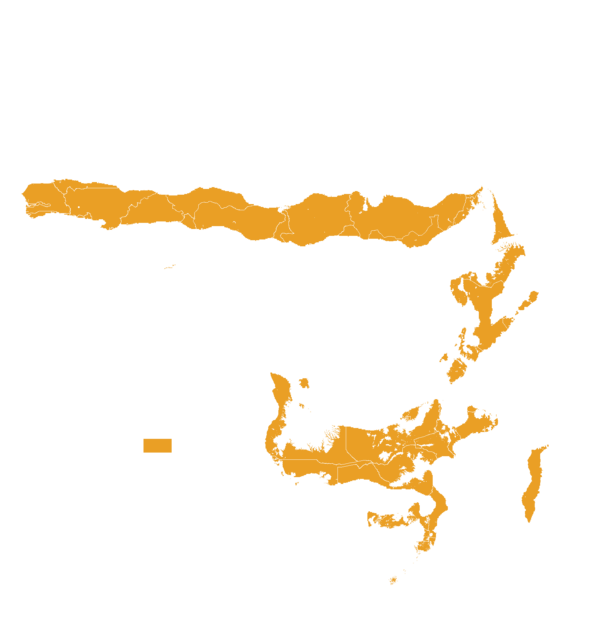
Countries with a green colour
Tested & adopted
Countries with a bright green colour
Adopted
Countries with a yellow colour
Tested
Countries with a blue colour
Testing ongoing
Egypt Equatorial Guinea Ethiopia Algeria Angola Benin Botswana Burundi Burkina Faso Democratic Republic of the Congo Djibouti Côte d’Ivoire Eritrea Gabon Gambia Ghana Guinea Guinea-Bissau Cameroon Kenya Libya Liberia Madagascar Mali Malawi Morocco Mauritania Mozambique Namibia Niger Nigeria Republic of the Congo Rwanda Zambia Senegal Sierra Leone Zimbabwe Somalia South Sudan Sudan South Africa Eswatini Tanzania Togo Tunisia Chad Uganda Western Sahara Central African Republic Lesotho
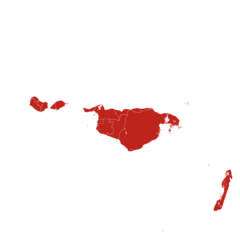
Countries where the technology is being tested or has been tested and adopted
Country Testing ongoing Tested Adopted
Ghana –No ongoing testing –Not tested Adopted
Madagascar –No ongoing testing –Not tested Adopted

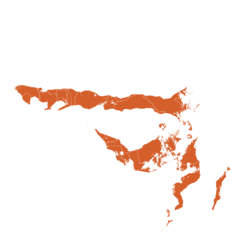
This technology can be used in the colored agro-ecological zones. Any zones shown in white are not suitable for this technology.
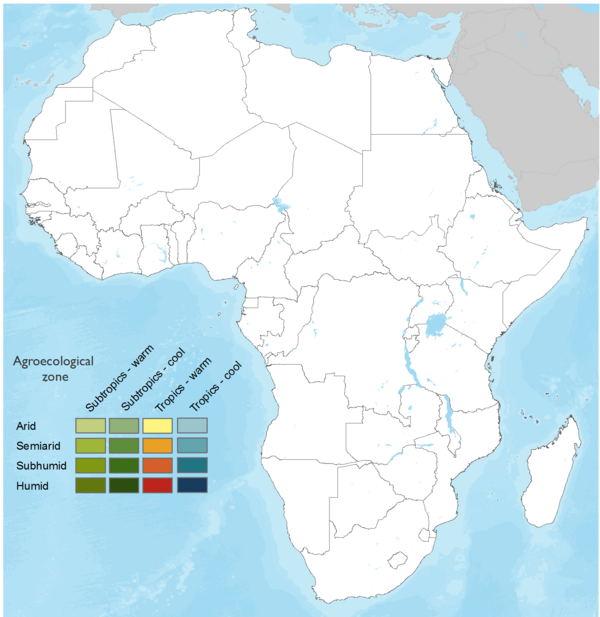
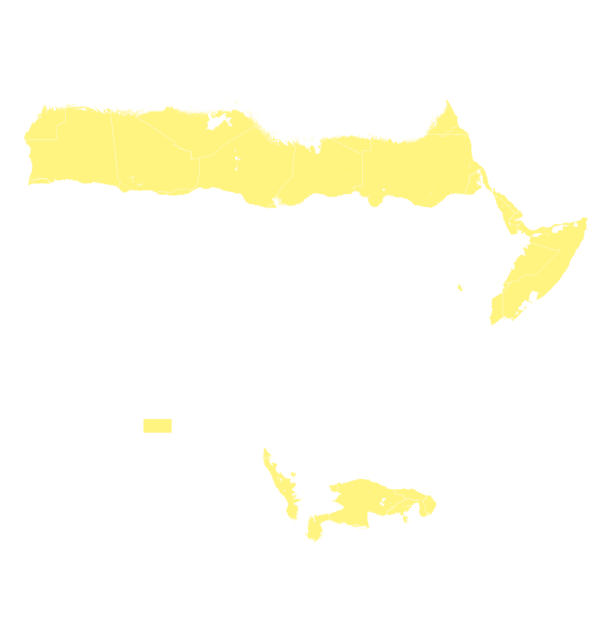
Agro-ecological zones where this technology can be used
AEZ Subtropic - warm Subtropic - cool Tropic - warm Tropic - cool
Arid – – –
Semiarid – – –
Subhumid – – –
Humid – – –

Source: HarvestChoice/IFPRI 2009

The United Nations Sustainable Development Goals that are applicable to this technology.
Sustainable Development Goal 1: no poverty
Goal 1: no poverty

Diversifies farm production and income opportunities through rice, fish, vegetables and small livestock, with documented increases in profit.
Sustainable Development Goal 2: zero hunger
Goal 2: zero hunger

Increases rice and fish production and diversifies household food sources through fish, vegetables and poultry.
Sustainable Development Goal 13: climate action
Goal 13: climate action

Strengthens adaptation through dry-season water retention, preservation of fish stocks and diversified production, improving resilience to climate variability.
Sustainable Development Goal 14: life below water
Goal 14: life below water

Supports wild aquatic biodiversity through fish refuges, ricefield–pond connectivity, managed aquatic vegetation and reduced pesticide pressure.

The Integrated Rice-Field Pond System (IRFPS) is implemented by improving and managing an existing ricefield pond and its connection with surrounding rice fields as an integrated system for water, fish, rice, vegetables and other farm resources.

Step 1 – Improve the existing ricefield pond: Assess the existing pond and improve its design where needed by adjusting pond depth and side slopes, strengthening embankments, and maintaining vegetation along pond edges to reduce erosion and improve pond functionality.

Step 2 – Connect the pond and rice field: Install and manage suitable inlets and outlets between the pond and surrounding rice fields to improve water circulation and allow seasonal fish movement and natural recruitment.

Step 3 – Manage and retain water: Capture and retain wet-season rainfall in the pond for use during dry periods. Manage water levels according to the needs of rice, fish and vegetables, and monitor water conditions such as clarity, temperature and dissolved oxygen.

Step 4 – Improve fish habitat and maintain fish stocks: Establish underwater shelters using locally available materials such as bamboo, branches or brush piles, and maintain approximately 20–40% aquatic vegetation cover. Retain healthy mature fish at the end of the production cycle to help sustain fish populations for subsequent cycles.

Step 5 – Protect aquatic biodiversity: Minimize unnecessary pesticide and herbicide use and apply integrated pest management practices where possible. Maintain vegetation around the pond to reduce erosion and runoff, improve water quality and provide habitat for beneficial organisms.

Step 6 – Recycle nutrients and integrate farm production: Use locally available crop residues, livestock manure, household organic waste and aquatic vegetation for compost and nutrient recycling. Grow vegetables on or around pond bunds and integrate suitable small livestock where appropriate so that resources from one farm component can support another.

Step 7 – Add complementary feed options where appropriate: Natural fish food can be supplemented with locally produced Black Soldier Fly (BSF) larvae and other suitable natural feed sources. Solar-powered insect-attracting lights can also be introduced where appropriate as a complementary feeding option.

Step 8 – Manage the system through the production cycle: Regularly monitor pond water, fish habitat and stocks, crops and integrated farm components. Harvest rice, fish, vegetables and livestock products according to their respective production cycles while maintaining the water, habitat and fish resources needed for continued production.

Last updated on Sep 25, 2026