
TAAT e-catalog
for
Development partners
https://e-catalogs.taat-africa.org/org/technologies/index-based-agricultural-insurance-for-climate-risk-management
Protect farmers’ investment from weather shocks
Index-based crop insurance provides financial compensation to farmers when measured weather conditions—such as drought or flooding—reduce crop production in a defined area. Because payouts are based on data rather than field inspections, the system can reach more farmers at lower delivery cost for insurers and programs. For strong impact, programs must ensure farmers clearly understand how payouts are triggered, make premiums affordable for low-income farmers, and design products that accurately reflect local weather risks and farming systems.
This technology is pre-validated.
| Groups | Positive impacts |
|---|---|
| Women-headed households (poor, high care burden) | Insurance payouts after shocks increase food consumption and stabilize household welfare. |
| Women with direct responsibility for food, health, education expenses | When contracts are aligned to their needs, insurance supports essential household spending and resilience. |
| Members of cooperatives / savings groups (women and men) | Group-based access improves understanding, uptake, and effective use of insurance benefits. |
| Pastoralist women and livestock-dependent households | Gender-inclusive contract design increases demand and improves protection of consumption and assets. |
| Youth farmers (women and men) | Insurance can support investment decisions and adoption of improved practices when understood and trusted. |
| Persons with disabilities in rural areas | Index insurance reduces need for physical verification, improving access to compensation mechanisms. |
Climate adaptability: Highly adaptable
Index-based crop insurance is a crucial tool for climate adaptation, especially in regions where climate change threatens agricultural production. By reducing investment risks, insurance enables farmers, seed companies, banks, and agribusinesses to invest in climate adaptation measures. Programs can also bundle insurance with climate-smart technologies and practices, helping to promote their adoption. Moreover, insurance products and arrangements can be tailored to specific contexts and types of climate-related risks, making them highly flexible and adaptable.
Farmer climate change readiness: Significant improvement
Index-based crop insurance is becoming an increasingly important tool for farmers, seed companies, banks, and agribusinesses as climate change heightens the risks of crop losses due to extreme or adverse weather. As growing conditions become more unpredictable, index-based tools can track weather data and provide timely compensation when conditions negatively affect production. These flexible, data-driven approaches will be essential for building climate resilience and preparing food systems for a future of greater uncertainty.
Environmental health: Not verified
Insurance tools do not directly target environmental health, and their overall impact depends on the context and design of the interventions. While insurance can sometimes encourage agricultural intensification that may harm the environment, it can also be paired with complementary measures to promote sustainable practices and environmentally smart intensification, generating positive environmental outcomes.
Soil quality: Not yet estimated
Insurance tools do not explicitly target soil health, and their effects can vary across contexts. While insurance may encourage fertilizer use, which can improve soil health in the short term, it can also lead to over intensification and soil nutrient depletion. Over the long term, insurance should be complemented with additional tools or practices to promote and sustain healthy soils.
Index-based insurance can be used to protect farmer livelihoods, reduce vulnerability to climate shocks, and support sustained agricultural investment. Its value lies in both immediate protection after shocks and longer-term resilience.
Plan activities around:
Define the expected development impact
The insurance protects farmer income when weather conditions reduce production, allowing farmers to recover after shocks and continue investing in the next season. It supports more stable food production, improves access to credit by reducing default risk, and can help households maintain consumption and productive assets during climate shocks.
Align with Sustainable Development Goals (SDGs)
The technology contributes directly to:
SDG 1 (No Poverty) by reducing income losses after shocks
SDG 2 (Zero Hunger) by stabilizing production and food access
SDG 5 (Gender Equality) when designed to reach women and vulnerable groups
SDG 13 (Climate Action) by strengthening adaptation to climate variability
Additional contributions may include SDG 8 (Decent Work and Economic Growth) through more stable agricultural systems.
Define the pathway to scale
Scaling requires moving from pilot to integration in large programs. This includes embedding insurance into national agricultural or climate programs, expanding through financial institutions and agribusiness networks, and using digital platforms for wider reach. Scaling is supported by improving product design, reducing costs, and building farmer trust over multiple seasons.
Identify key partnerships
Implementation requires coordination between:
government institutions for policy support and targeting
insurance companies for product delivery and payouts
research and technical partners for index design and data systems
financial institutions for credit linkage
NGOs and local organizations for farmer engagement and inclusion
Partnerships with trusted local actors are critical to reach vulnerable groups.
Identify risks and mitigation measures
Key risks include mismatch between payouts and actual losses, low adoption due to cost or lack of understanding, exclusion of vulnerable groups, and weak data systems. These can be mitigated by improving index design (e.g. multiple indicators), providing premium support, investing in farmer training, adapting delivery to local contexts, and using reliable weather or satellite data.
Define monitoring indicators
Track progress using clear indicators such as:
number of farmers enrolled (disaggregated by gender and location)
percentage of target population covered
number and value of payouts made
time taken to deliver payouts
changes in farmer investment (use of inputs, access to credit)
changes in recovery after shocks (ability to replant, maintain production)
farmer understanding and satisfaction with the product
For best results, focus on achieving measurable resilience outcomes, ensuring inclusion of vulnerable groups, and building systems that can scale beyond the project.
No formal IP rights
Index-based insurance protects farmers against weather risks such as drought or excess rainfall. Before the season starts, the insurance provider and client fix the amount covered by the policy based on the cost of production, the value of insured inputs, or the size of the loan that is insured. This so-called "sum insured" represents the maximum amount the farmer can receive if damage occurs. Farmers or other value chain actors interested in insurance then pay a premium, usually between 5% and 10% (sometimes even up to 25%) of that amount, depending on the crop, location, and level of risk. This premium is not refunded if no insurance payout is made; it is the cost of being protected against weather risk during the season.
Payouts are triggered automatically when a predefined weather or yield threshold is reached, based on rainfall or satellite data, or average yields in the area. If this happens, the insured farmer or entity can receive any amount, usually ranging from 20% to 100% of the amount covered, depending on the severity of the event. If the predefined threshold is not reached, no payout is made.
Such insurance helps farmers recover after climate shocks by providing cash to cover part of the production loss and to prepare for the next season. It can also improve access to credit because lenders face less risk of default when farmers are insured.
Scaling Readiness describes how complete a technology's development is and its ability to be scaled. It produces a score that measures a technology's readiness along two axes: the level of maturity of the idea itself, and the level to which the technology has been used so far.
Each axis goes from 0 to 9 where 9 is the “ready-to-scale” status. For each technology profile in the e-catalogs we have documented the scaling readiness status from evidence given by the technology providers. The e-catalogs only showcase technologies for which the scaling readiness score is at least 8 for maturity of the idea and 7 for the level of use.
The graph below represents visually the scaling readiness status for this technology, you can see the label of each level by hovering your mouse cursor on the number.
Read more about scaling readiness ›
Uncontrolled environment: validated
Common use by projects NOT connected to technology provider
| Maturity of the idea | Level of use | |||||||||
| 9 | ||||||||||
| 8 | ||||||||||
| 7 | ||||||||||
| 6 | ||||||||||
| 5 | ||||||||||
| 4 | ||||||||||
| 3 | ||||||||||
| 2 | ||||||||||
| 1 | ||||||||||
| 1 | 2 | 3 | 4 | 5 | 6 | 7 | 8 | 9 | ||
| Groups | Positive impacts |
|---|---|
| Women-headed households (poor, high care burden) | Insurance payouts after shocks increase food consumption and stabilize household welfare. |
| Women with direct responsibility for food, health, education expenses | When contracts are aligned to their needs, insurance supports essential household spending and resilience. |
| Members of cooperatives / savings groups (women and men) | Group-based access improves understanding, uptake, and effective use of insurance benefits. |
| Pastoralist women and livestock-dependent households | Gender-inclusive contract design increases demand and improves protection of consumption and assets. |
| Youth farmers (women and men) | Insurance can support investment decisions and adoption of improved practices when understood and trusted. |
| Persons with disabilities in rural areas | Index insurance reduces need for physical verification, improving access to compensation mechanisms. |
| Groups | Unintended impacts | Mitigation measures |
|---|---|---|
| Poor households (women and men) | Payment of premiums reduces food consumption in seasons without payouts (liquidity pressure). | Introduce flexible payment (installments), targeted subsidies, and link with savings groups. |
| Women in male-headed households | Insurance payouts may be controlled by men, limiting impact on women’s welfare. | Register contracts in women’s names, ensure payments to personal mobile accounts, promote co-subscription. |
| Women excluded by eligibility criteria (no land title, no ID, no phone) | Structural exclusion from insurance access. | Use alternative eligibility (GPS, cooperative validation), group policies, assisted enrollment channels. |
| Low-literacy users (especially women) | Misunderstanding of product reduces trust and uptake. | Use visual/audio tools, local facilitators, simple messaging, repeated awareness campaigns. |
| Mobile or remote populations (pastoralists) | Difficulty understanding triggers and accessing services. | Adapt products to mobility patterns, use local agents and flexible communication channels. |
| Better-off farmers (often men) | Capture a larger share of benefits when subsidies are not targeted. | Apply pro-poor targeting, subsidy caps, and monitor benefit distribution. |
| Groups | Adoption barriers | Mitigation measures |
|---|---|---|
| Women-headed poor households | Low liquidity, limited ability to pay premiums, low financial literacy. | Micro-payments, savings-linked insurance, simplified products, targeted training. |
| Women in male-headed households | Limited decision power, time constraints, restricted mobility. | Flexible enrollment (time/location), female agents, safe spaces for engagement. |
| Women without land titles | Ineligibility due to formal requirements. | Use use-right validation, cooperative-based enrollment, alternative KYC systems. |
| Youth farmers | Low experience, irregular income, weak trust in financial products. | Digital + human support channels, simple onboarding, pilot-based trust building. |
| Persons with disabilities | Physical and informational access barriers. | Accessible formats (audio, large text), trained agents, partnerships with OPDs. |
| Rural poor (men and women) | Low awareness, weak distribution channels, low financial literacy. | Multi-channel awareness campaigns, local ambassadors, combined physical + digital delivery. |
| Country | Testing ongoing | Tested | Adopted |
|---|---|---|---|
| Algeria | –No ongoing testing | Tested | –Not adopted |
| Angola | –No ongoing testing | –Not tested | Adopted |
| Benin | –No ongoing testing | –Not tested | Adopted |
| Botswana | –No ongoing testing | –Not tested | Adopted |
| Burkina Faso | –No ongoing testing | –Not tested | Adopted |
| Burundi | –No ongoing testing | –Not tested | Adopted |
| Cameroon | –No ongoing testing | Tested | –Not adopted |
| Côte d’Ivoire | –No ongoing testing | –Not tested | Adopted |
| Democratic Republic of the Congo | –No ongoing testing | –Not tested | Adopted |
| Djibouti | –No ongoing testing | –Not tested | Adopted |
| Egypt | –No ongoing testing | Tested | –Not adopted |
| Ethiopia | –No ongoing testing | –Not tested | Adopted |
| Gambia | –No ongoing testing | Tested | –Not adopted |
| Ghana | –No ongoing testing | –Not tested | Adopted |
| Guinea | –No ongoing testing | –Not tested | Adopted |
| Kenya | –No ongoing testing | –Not tested | Adopted |
| Lesotho | –No ongoing testing | Tested | –Not adopted |
| Madagascar | –No ongoing testing | –Not tested | Adopted |
| Malawi | –No ongoing testing | –Not tested | Adopted |
| Mali | –No ongoing testing | Tested | –Not adopted |
| Mauritania | –No ongoing testing | Tested | –Not adopted |
| Mauritius | –No ongoing testing | –Not tested | Adopted |
| Morocco | –No ongoing testing | Tested | –Not adopted |
| Namibia | –No ongoing testing | –Not tested | Adopted |
| Niger | –No ongoing testing | Tested | –Not adopted |
| Nigeria | –No ongoing testing | –Not tested | Adopted |
| Rwanda | –No ongoing testing | –Not tested | Adopted |
| Senegal | –No ongoing testing | –Not tested | Adopted |
| Sierra Leone | –No ongoing testing | Tested | –Not adopted |
| South Africa | –No ongoing testing | –Not tested | Adopted |
| Sudan | –No ongoing testing | Tested | –Not adopted |
| Tanzania | –No ongoing testing | –Not tested | Adopted |
| Togo | –No ongoing testing | –Not tested | Adopted |
| Tunisia | –No ongoing testing | Tested | –Not adopted |
| Uganda | –No ongoing testing | Tested | –Not adopted |
| Zambia | –No ongoing testing | –Not tested | Adopted |
| Zimbabwe | –No ongoing testing | Tested | –Not adopted |
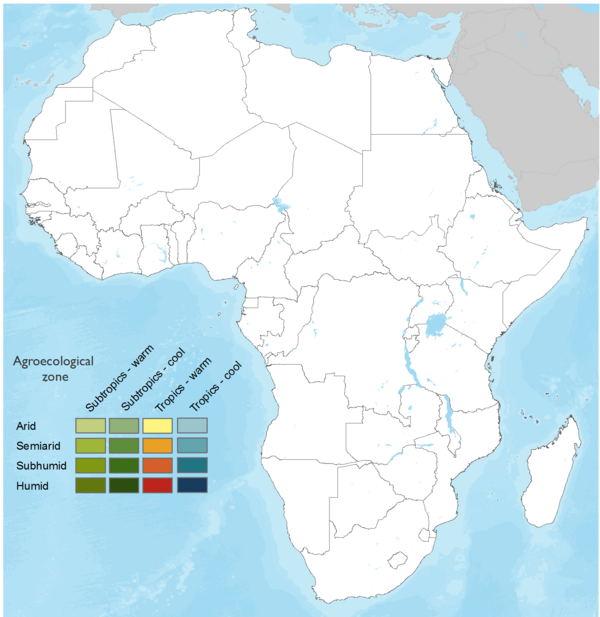
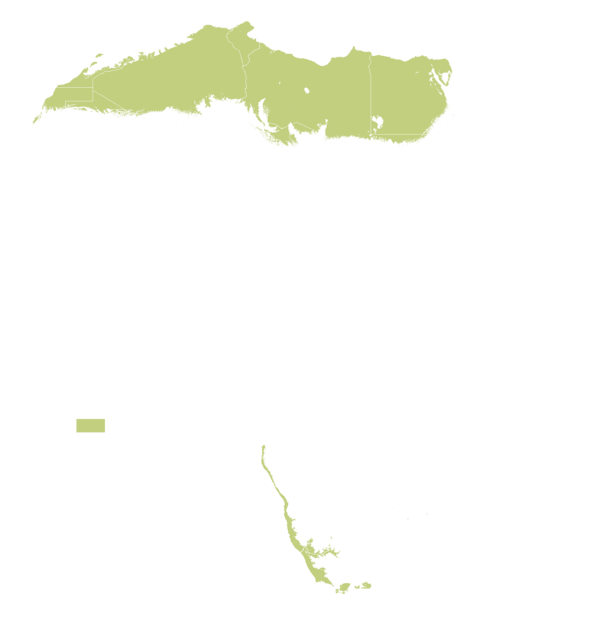
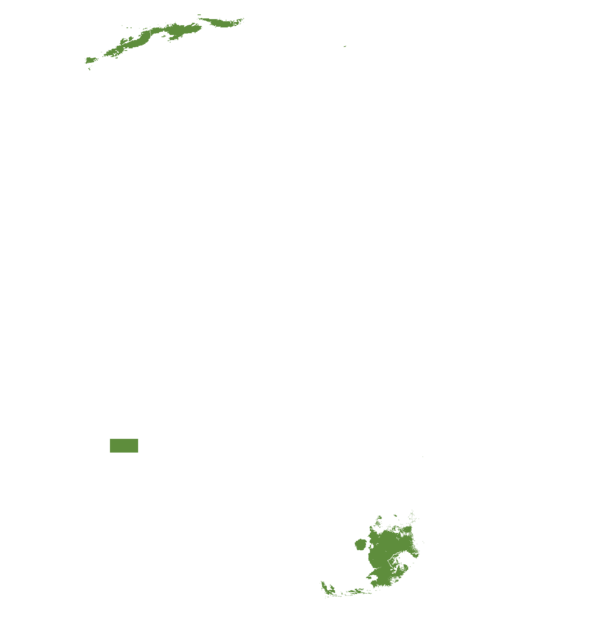
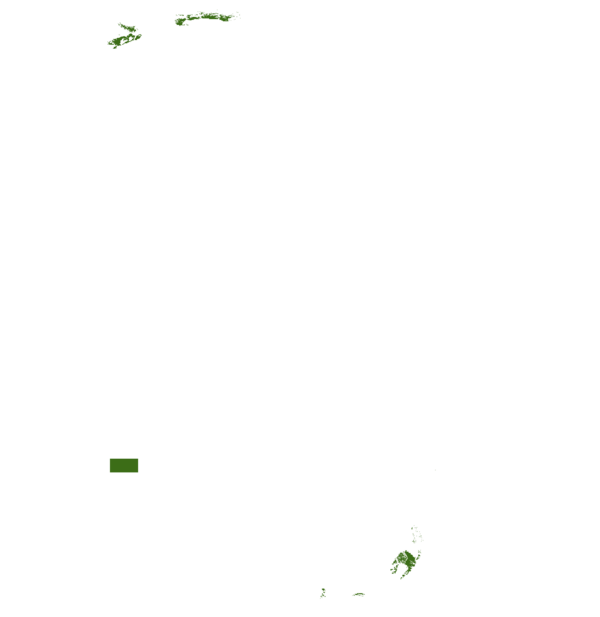
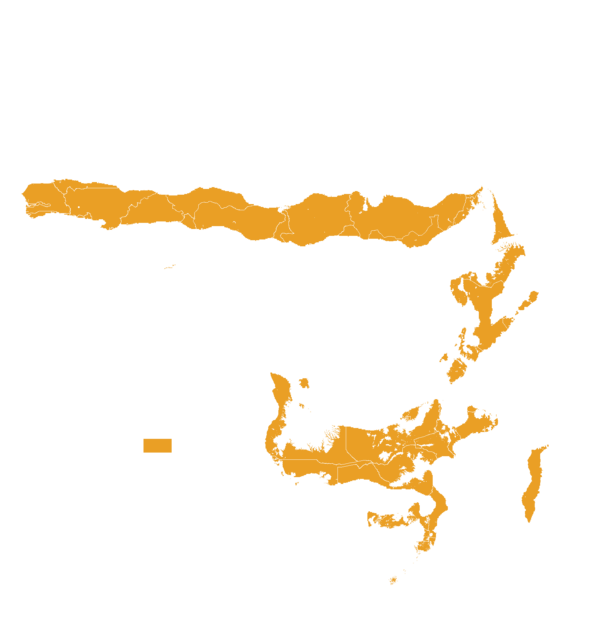
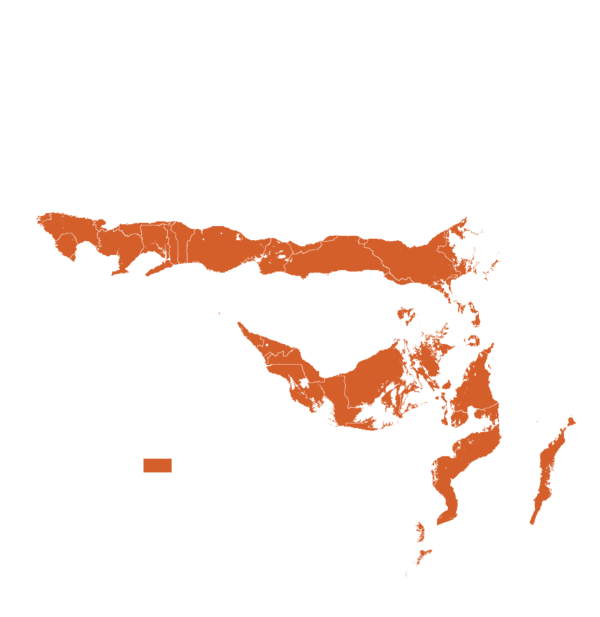
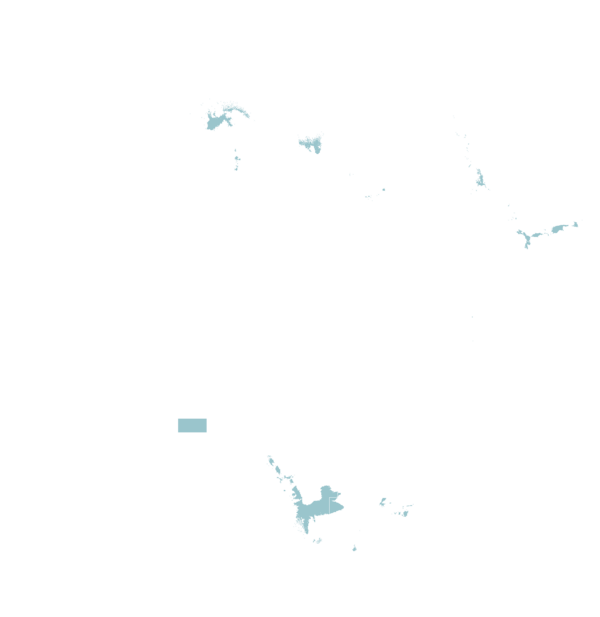
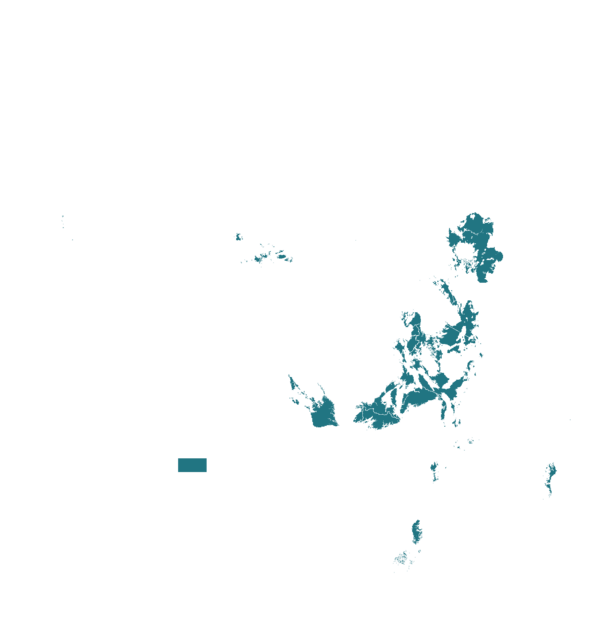
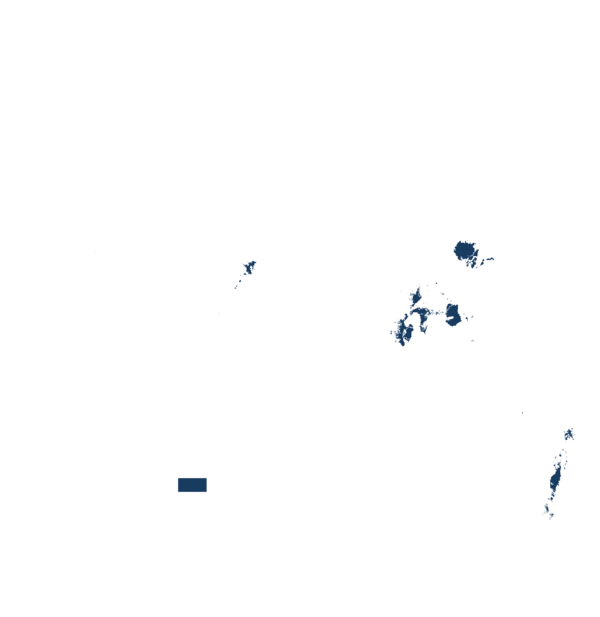
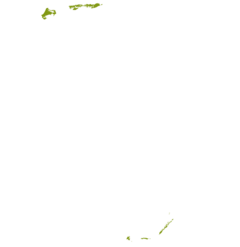
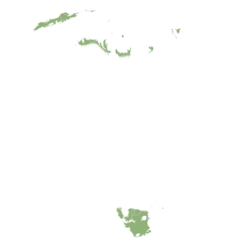
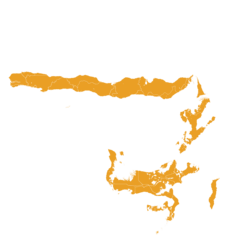
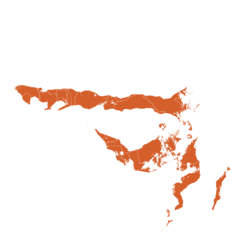
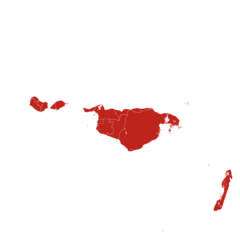
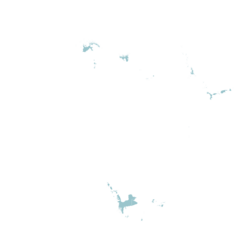
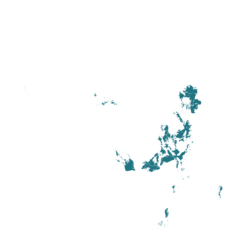
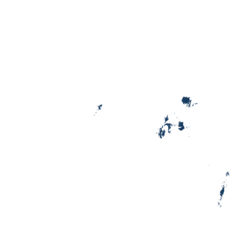
This technology can be used in the colored agro-ecological zones. Any zones shown in white are not suitable for this technology.







| AEZ | Subtropic - warm | Subtropic - cool | Tropic - warm | Tropic - cool |
|---|---|---|---|---|
| Arid | – | |||
| Semiarid | ||||
| Subhumid | ||||
| Humid |
Source: HarvestChoice/IFPRI 2009
The United Nations Sustainable Development Goals that are applicable to this technology.
By protecting food system actors from shocks and enabling investment, index-based insurance can contribute to increased productivity and safeguard incomes.
Index-based crop insurance protects food system actors from unexpected shocks that may impact crop production. By offering payouts when these shocks occur, insurance can protect incomes and make food supply more resilient. Index-based crop insurance also enables investment that can lead to greater productivity and resilience in value chains.
Women are often disproportionately affected by adverse shocks in agrifood systems and therefore stand to benefit significantly from index-based crop insurance.
Index-based crop insurance protects the livelihoods of food system actors from external shocks. Insurance payouts can help actors recover faster after a shock and avoid selling off productive assets. Insurance also enables investment that can improve livelihoods by increasing productivity and resilience.
Index-based crop insurance offers a safety net for low-income food system actors who are particularly vulnerable to shocks. By providing payouts when shocks occur, insurance can help them avoid selling off assets and falling into a poverty trap.
Index-based crop insurance is a critical tool for climate resilience in food systems that can allow food system actors to cope with increased uncertainty and risk driven by more frequent extreme weather under climate change.
4. Farm as usual during the season
Continue your normal farming activities. The insurance does not require field inspections or reporting of losses.
5. Follow seasonal updates (if available)
Some providers share updates on rainfall or crop conditions. These can help you understand how the season is progressing.
6. Receive payout if conditions are met
If the measured weather conditions in your area reach the defined threshold, you automatically receive a payout. You do not need to submit a claim.
7. Use the payout to recover
Use the compensation to cover part of your losses, repay loans if needed, and prepare for the next season.
Last updated on Sep 9, 2026
This technology can be used in the colored agro-ecological zones.









Index-Based Agricultural Insurance for Climate Risk Management
https://e-catalogs.taat-africa.org/org/technologies/index-based-agricultural-insurance-for-climate-risk-management
Last updated on 9 September 2026, printed on Oct 9, 2026
Enquiries e-catalogs@taat.africa