TAAT e-catalog
for
Development partners
https://e-catalogs.taat-africa.org/org/technologies/fodder-system-management
Reduced Overgrazing and Rangeland Rehabilitation for small livestock
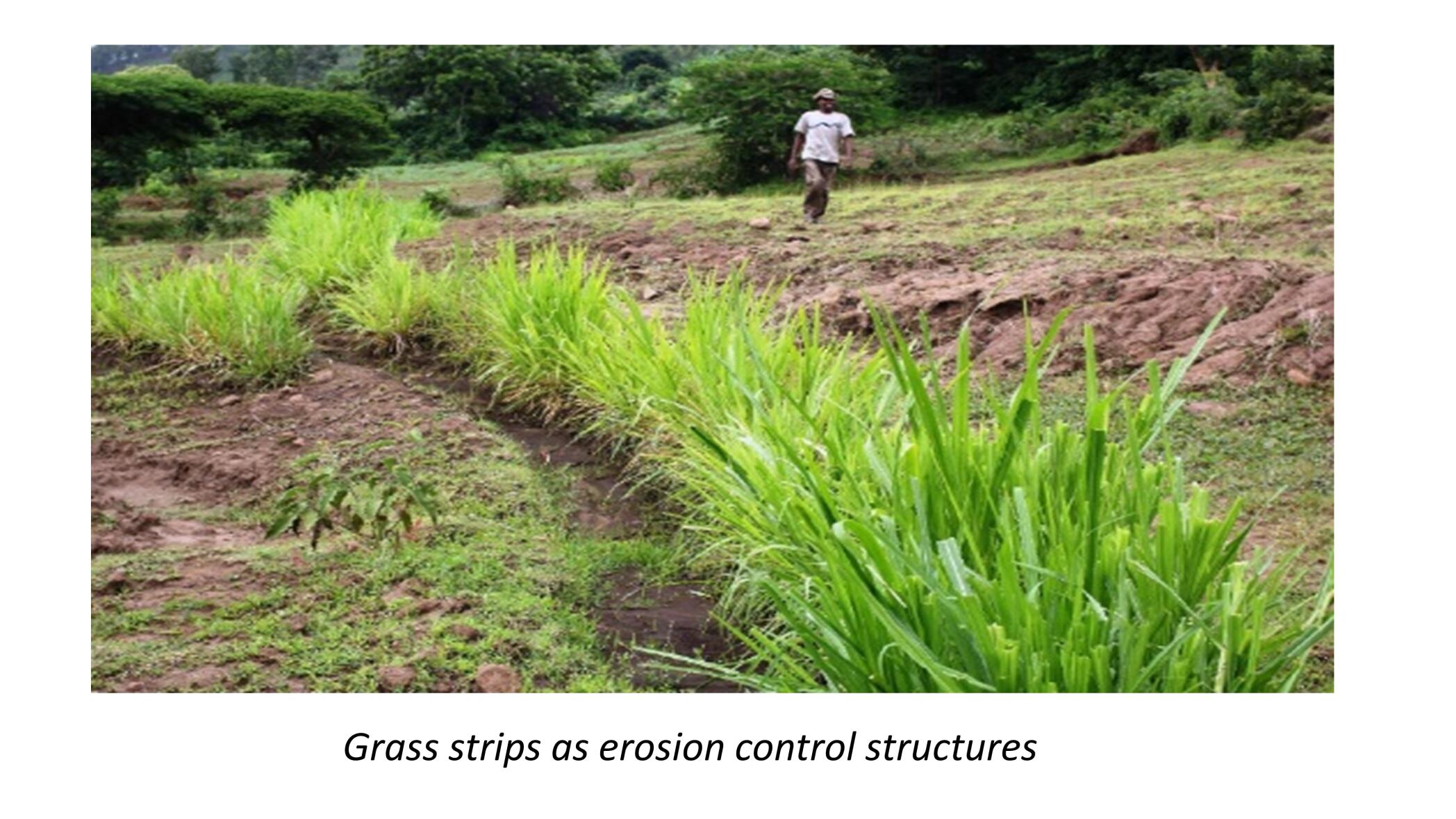
"Reduced Overgrazing and Rangeland Rehabilitation" represents a holistic approach to land management and conservation, particularly in regions where overgrazing and rangeland degradation are prevalent. This technology embodies a comprehensive strategy aimed at restoring and maintaining the health and productivity of these ecosystems. It involves the implementation of various practices, methodologies, and systems that enable the sustainable use and rehabilitation of overgrazed rangelands. Through the application of diverse techniques such as rotational grazing, silvo-pastoralism, fodder production, improved pasture management, and sustainable intensification of ruminant production, the technology aims to restore ecological balance. Moreover, the focus is not just on addressing the consequences of overgrazing but also on preventing and managing conflicts arising from grazing rights and land usage between different stakeholders, such as pastoralists and farmers. This technology seeks to establish a harmonious and sustainable coexistence among various users of these lands by encouraging participatory and collaborative approaches in resource management.
This technology is TAAT1 validated.
Adults 18 and over: Positive high
The poor: Positive medium
Under 18: Positive medium
Women: Positive medium
Climate adaptability: Highly adaptable
Farmer climate change readiness: Significant improvement
Biodiversity: No impact on biodiversity
Carbon footprint: A bit less carbon released
Environmental health: Greatly improves environmental health
Soil quality: Does not affect soil health and fertility
Water use: Same amount of water used
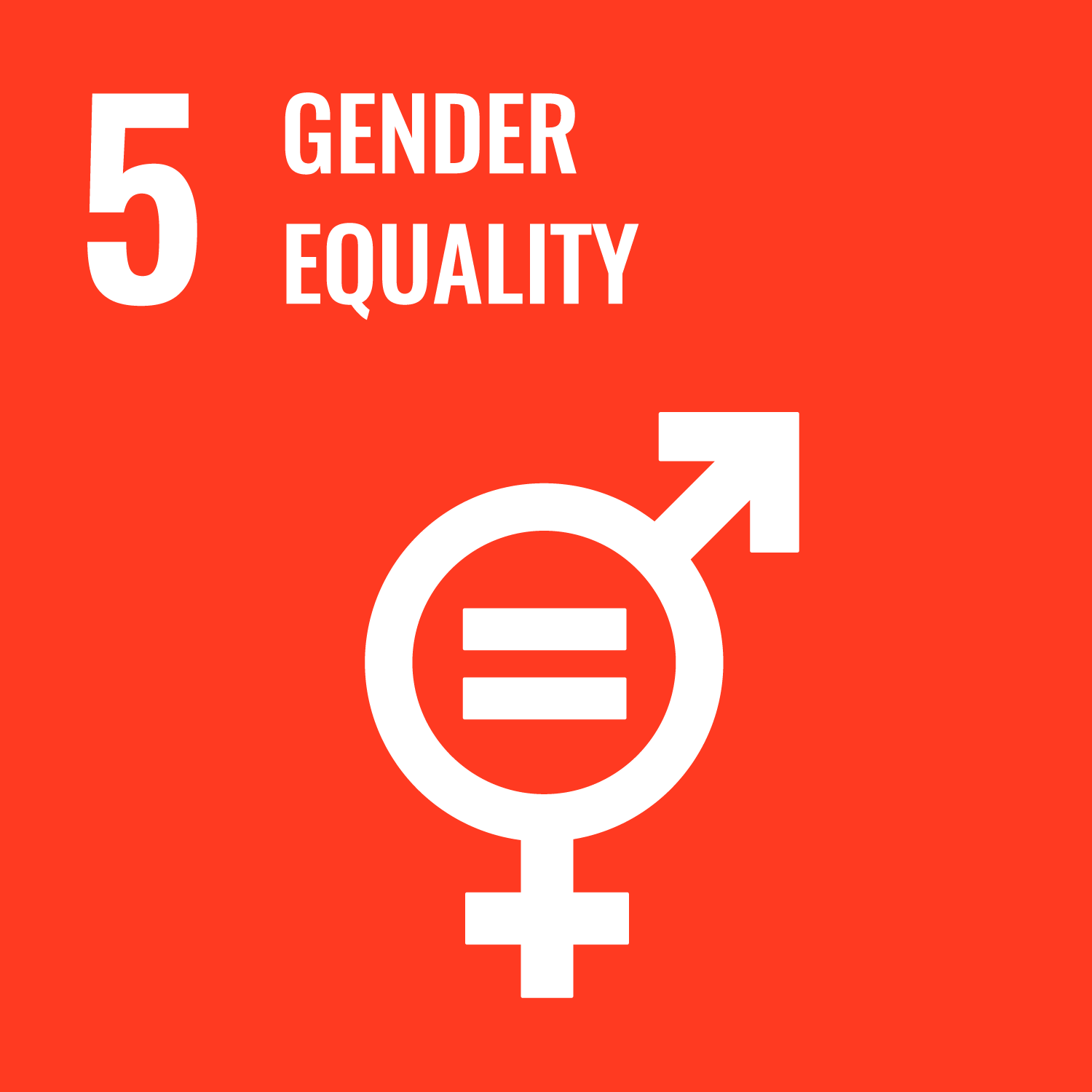
Fodder System Management improves livestock productivity, restores degraded rangelands, and promotes sustainable grazing practices through improved pasture management, fodder production, and rangeland rehabilitation. The technology can be integrated into livestock development, climate resilience, land restoration, food security, and natural resource management programs. Its adoption contributes to SDGs 2 (Zero Hunger), 5 (Gender Equality), 13 (Climate Action), and 15 (Life on Land).
To integrate this technology into your project, plan and budget for the following activities and prerequisites:
Open source / open access
Scaling Readiness describes how complete a technology's development is and its ability to be scaled. It produces a score that measures a technology's readiness along two axes: the level of maturity of the idea itself, and the level to which the technology has been used so far.
Each axis goes from 0 to 9 where 9 is the “ready-to-scale” status. For each technology profile in the e-catalogs we have documented the scaling readiness status from evidence given by the technology providers. The e-catalogs only showcase technologies for which the scaling readiness score is at least 8 for maturity of the idea and 7 for the level of use.
The graph below represents visually the scaling readiness status for this technology, you can see the label of each level by hovering your mouse cursor on the number.
Read more about scaling readiness ›
Semi-controlled environment: prototype
Common use by projects NOT connected to technology provider
| Maturity of the idea | Level of use | |||||||||
| 9 | ||||||||||
| 8 | ||||||||||
| 7 | ||||||||||
| 6 | ||||||||||
| 5 | ||||||||||
| 4 | ||||||||||
| 3 | ||||||||||
| 2 | ||||||||||
| 1 | ||||||||||
| 1 | 2 | 3 | 4 | 5 | 6 | 7 | 8 | 9 | ||
| Country | Testing ongoing | Tested | Adopted |
|---|---|---|---|
| Burkina Faso | –No ongoing testing | Tested | Adopted |
| Cameroon | –No ongoing testing | Tested | Adopted |
| Ethiopia | –No ongoing testing | Tested | Adopted |
| Kenya | –No ongoing testing | Tested | Adopted |
| Mali | –No ongoing testing | Tested | Adopted |
| Niger | –No ongoing testing | Tested | Adopted |
| Nigeria | –No ongoing testing | Tested | Adopted |
| Senegal | –No ongoing testing | Tested | Adopted |
| South Sudan | –No ongoing testing | Tested | Adopted |
| Tanzania | –No ongoing testing | Tested | Adopted |
| Uganda | –No ongoing testing | Tested | Adopted |
| Zimbabwe | –No ongoing testing | Tested | Adopted |
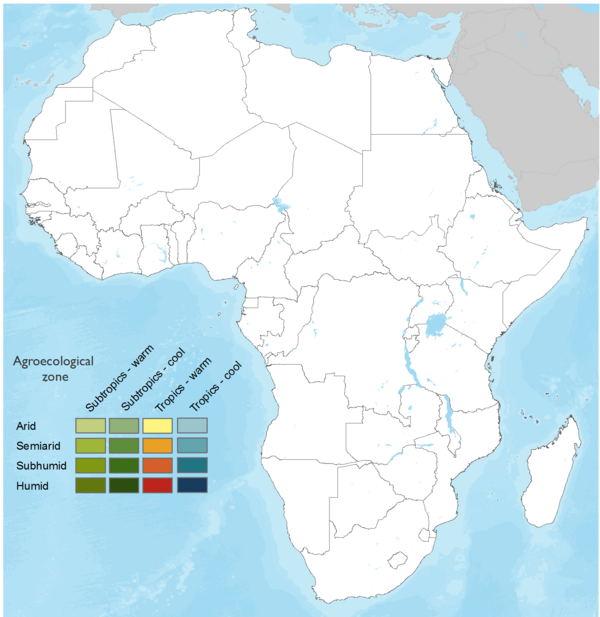
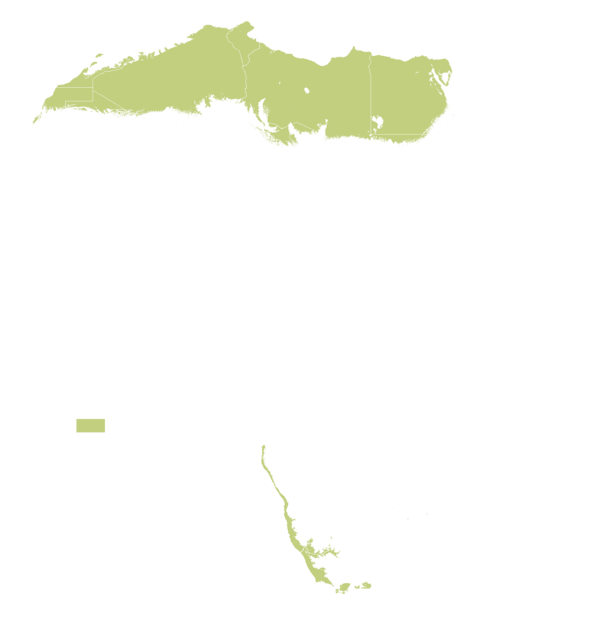
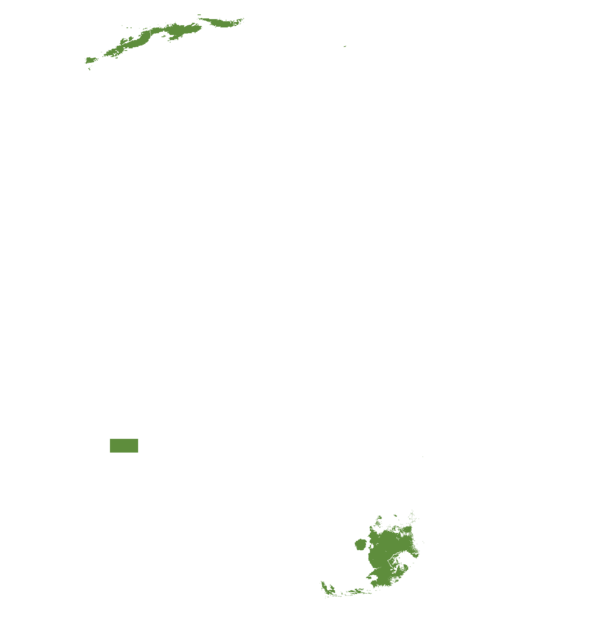
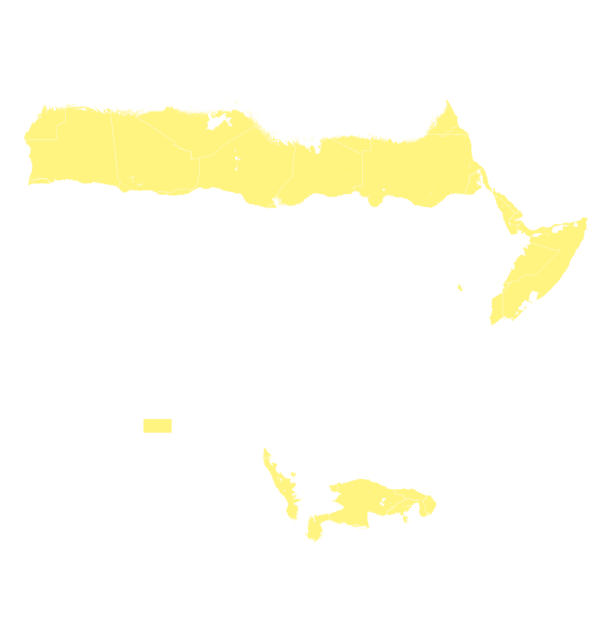
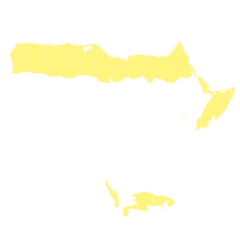
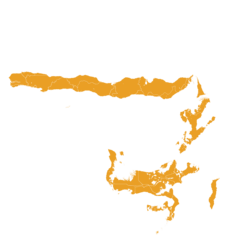
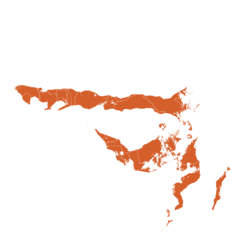
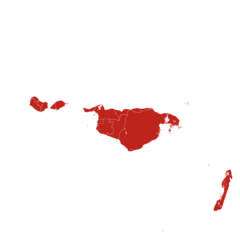
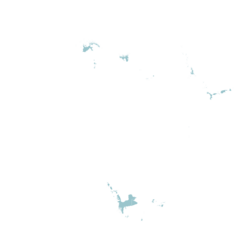
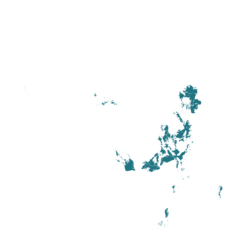
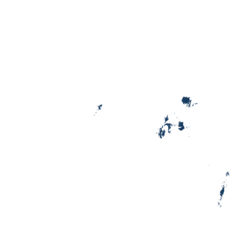
This technology can be used in the colored agro-ecological zones. Any zones shown in white are not suitable for this technology.






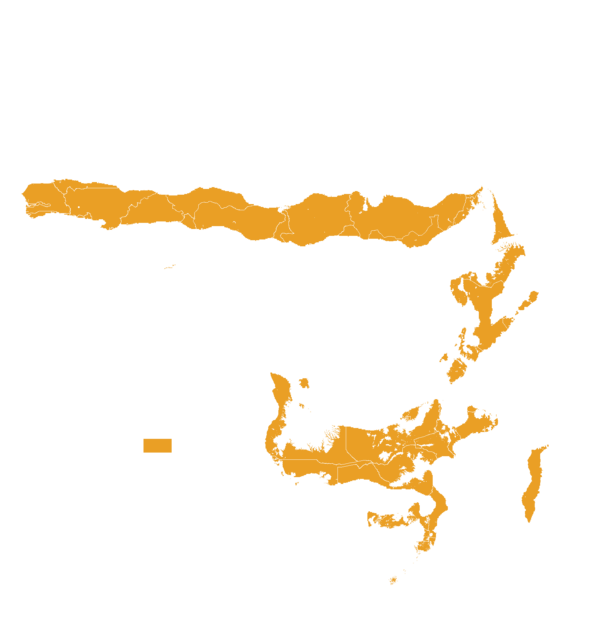
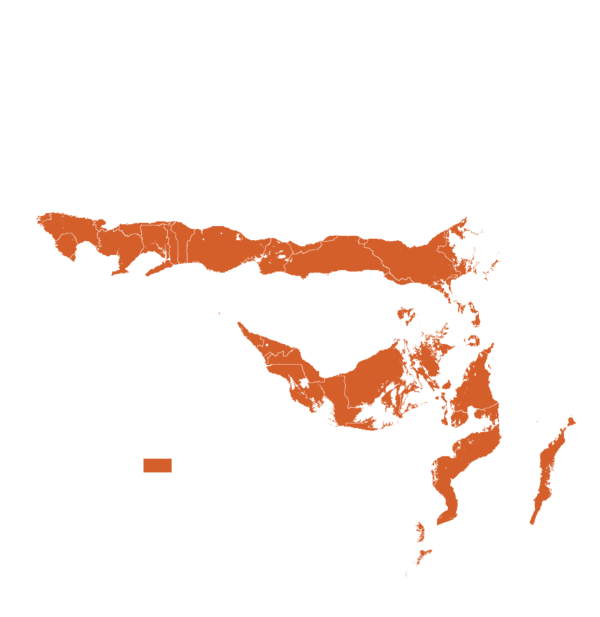

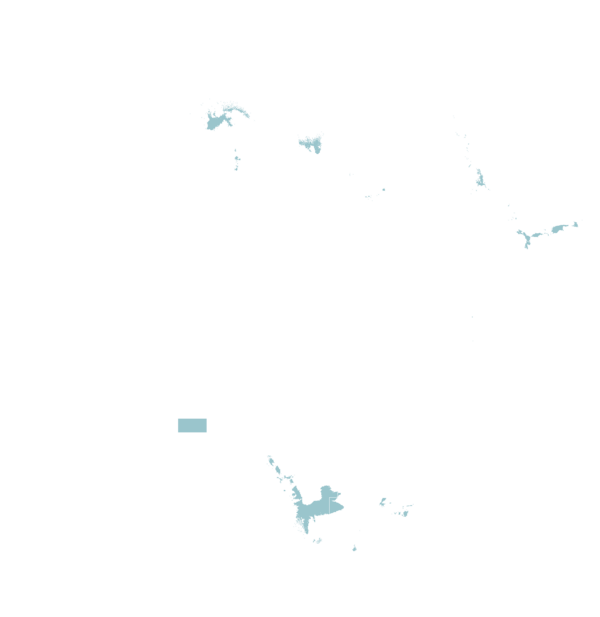

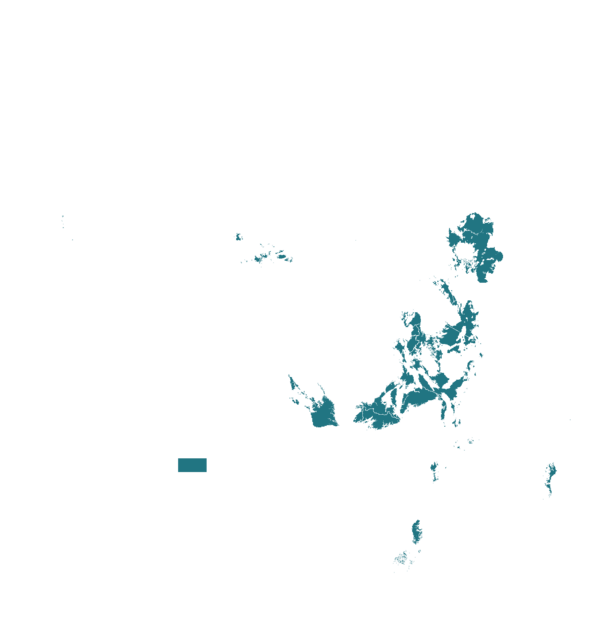
| AEZ | Subtropic - warm | Subtropic - cool | Tropic - warm | Tropic - cool |
|---|---|---|---|---|
| Arid | ||||
| Semiarid | ||||
| Subhumid | ||||
| Humid |
Source: HarvestChoice/IFPRI 2009
The United Nations Sustainable Development Goals that are applicable to this technology.
Last updated on Sep 18, 2026
This technology can be used in the colored agro-ecological zones.








Fodder system management
https://e-catalogs.taat-africa.org/org/technologies/fodder-system-management
Last updated on 18 September 2026, printed on Oct 9, 2026
Enquiries e-catalogs@taat.africa