Logo
TAAT e-catalog for Development partners
https://e-catalogs.taat-africa.org/org/technologies/cops-community-of-practices-for-climate-advisory-services-in-livestock
Request information View pitch brochure

CoPs: Community of Practices for Climate Advisory Services in Livestock

Turning climate information into coordinated action for resilient livestock systems

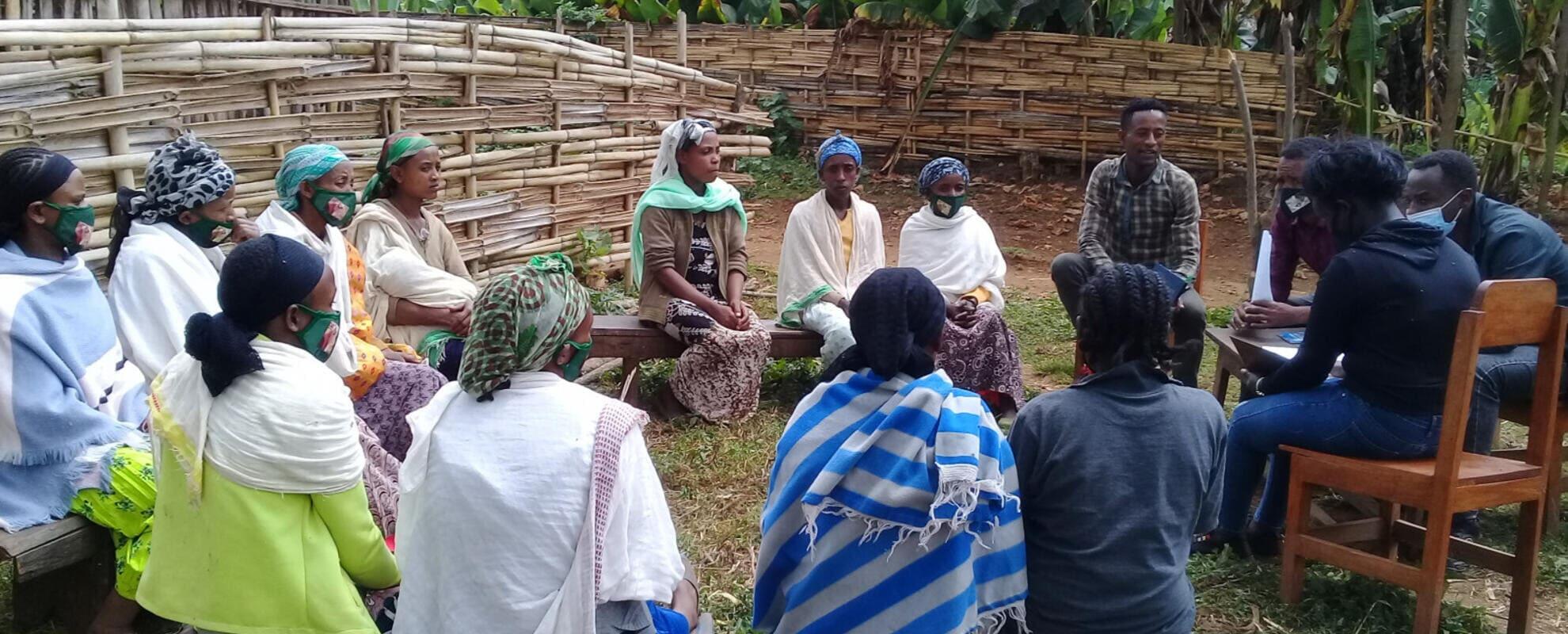
The Community of Practice (CoP) is a collaborative multi-actor platform composed of public and private institutions that actively engage through both digital and physical interactions. It enables continuous exchange of expertise, consolidation of knowledge, and joint development of improved climate advisory services for agro-pastoralists. By fostering coordination among scientists, development partners, and practitioners, the CoP ensures harmonized and context-specific Climate Information Services that enhance scalability, learning, and climate resilience impact across rural communities.
This technology is pre-validated.

8•7

Scaling readiness: idea maturity 8/9; level of use 7/9

Positive impacts: 9

Target Groups

Positive impacts

Smallholder livestock keepers in remote areas with low literacy

  • Improved resilience through timely access to understandable climate and livestock advisories via radio and voice-based systems
  • Strengthened household food security and income stability during climate shocks

Women livestock keepers in remote areas with low literacy

  • Enhanced inclusion in climate information systems through accessible, local-language advisory services
  • Increased participation in livestock-related decision-making and economic activities
  • Improved livelihoods through better protection and productivity of livestock assets

Transhumant pastoralists with low literacy

  • Reduced vulnerability to drought, heat stress, and resource scarcity during seasonal mobility
  • Lower livestock mortality and improved livelihood resilience in climate-sensitive environments

Youth livestock entrepreneurs in underserved rural areas

  • Improved efficiency and profitability of livestock production through better planning and risk management
  • Increased opportunities for innovation, entrepreneurship, and integration into value chains
More...

Climate adaptability: Highly adaptable

The CoP improves climate adaptability by providing timely, localized, and actionable agro-pastoral advisories that help livestock keepers adjust feeding, mobility, breeding, and water management strategies in response to climate variability and extreme events.

Farmer climate change readiness: Significant improvement

It improves access to early warning information and continuous 10-day advisories, enabling farmers and pastoralists to anticipate risks such as drought, heat stress, and pasture scarcity.

Problem

  • Fragmented institutional coordination leads to duplicated efforts, inconsistent climate messages, and reduced impact of investments in Climate Information Services.
  • Inclusive access to climate services remains limited because pastoralists and other vulnerable communities are underserved by existing advisory systems and face barriers related to literacy, language, and digital connectivity.
  • Low resilience to climate change limits the capacity of agro-pastoral communities to anticipate climate risks and sustainably manage water, fodder, and other natural resources throughout the year.
  • Weak knowledge sharing and data integration limit learning, innovation, and the sustainable scaling of climate-smart solutions across institutions and regions.

Solution

  • The CoP provides a structured multi-stakeholder coordination framework that improves alignment, learning, and efficiency across climate service actors.
  • It transforms climate data into actionable, context-specific 10-day advisories tailored to agro-pastoral needs.
  • It strengthens climate resilience of vulnerable communities by improving their ability to anticipate drought, heat stress, and resource scarcity.
  • It enhances last-mile delivery of climate information through a mix of digital tools and rural radio targeting underserved populations.
  • It integrates scientific data with local knowledge systems, increasing relevance, ownership, and adoption of climate services.

Key points to design your program

The Community of Practice (CoP) is a structured multi-stakeholder coordination and learning platform that enables institutions, experts, and practitioners to jointly produce, validate, and deliver harmonized climate services and actionable agro-pastoral advisories. It strengthens coordination, improves data use, and ensures that climate information is transformed into practical decision-support for livestock and farming systems, contributing to SDG 2 (Zero Hunger), SDG 13 (Climate Action), SDG 1 (No Poverty), and SDG 17 (Partnerships for the Goals).

To integrate this CoP into your project, plan and budget for the following activities and prerequisites:

  • Conduct a multi-stakeholder mapping and formal establishment process by engaging public institutions, NGOs, private digital actors, producer organizations, and technical services, and formalize collaboration through a Memorandum of Understanding (MoU) defining roles, responsibilities, and data-sharing rules.
  • Carry out a user-centered needs assessment in agro-pastoral communities to capture local knowledge, seasonal constraints, gender dynamics, and vulnerability factors to ensure demand-driven climate services.
  • Establish regular CoP coordination and learning sessions (e.g. monthly meetings) where stakeholders share data, experiences, and jointly co-produce and validate agro-climatic advisories.
  • Develop a co-production and validation workflow that transforms scientific climate data into actionable advice and ensures quality control and adaptation into local languages (e.g. Pular) for accessibility.
  • Deploy a multi-channel dissemination system combining rural radio, SMS, IVR, and USSD tools to ensure inclusive last-mile delivery while maintaining a coordinated “single source of truth” for climate information.
  • Integrate real-time data systems (e.g. AgData Hub) that combine satellite data, weather stations, and forecasting models to support timely and automated advisory generation.
  • Institutionalize the CoP within national systems and public service structures to ensure long-term sustainability and integration into routine climate service delivery.
  • Collaborate with technical resource persons (e.g. ILRI) to support facilitation, design of coordination processes, and documentation of results for learning and scale-up.

IP

No formal IP rights

Scaling Readiness describes how complete a technology\’s development is and its ability to be scaled. It produces a score that measures a technology\’s readiness along two axes: the level of maturity of the idea itself, and the level to which the technology has been used so far.

Each axis goes from 0 to 9 where 9 is the “ready-to-scale” status. For each technology profile in the e-catalogs we have documented the scaling readiness status from evidence given by the technology providers. The e-catalogs only showcase technologies for which the scaling readiness score is at least 8 for maturity of the idea and 7 for the level of use.

The graph below represents visually the scaling readiness status for this technology, you can see the label of each level by hovering your mouse cursor on the number.

Read more about scaling readiness ›

Scaling readiness score of this technology

Maturity of the idea 8 out of 9

Uncontrolled environment: tested

Level of use 8 out of 9

Common use by projects NOT connected to technology provider

Maturity of the idea Level of use
9
8
7
6
5
4
3
2
1
1 2 3 4 5 6 7 8 9

Positive impact 9

Target Groups

Positive impacts

Smallholder livestock keepers in remote areas with low literacy

  • Improved resilience through timely access to understandable climate and livestock advisories via radio and voice-based systems
  • Strengthened household food security and income stability during climate shocks

Women livestock keepers in remote areas with low literacy

  • Enhanced inclusion in climate information systems through accessible, local-language advisory services
  • Increased participation in livestock-related decision-making and economic activities
  • Improved livelihoods through better protection and productivity of livestock assets

Transhumant pastoralists with low literacy

  • Reduced vulnerability to drought, heat stress, and resource scarcity during seasonal mobility
  • Lower livestock mortality and improved livelihood resilience in climate-sensitive environments

Youth livestock entrepreneurs in underserved rural areas

  • Improved efficiency and profitability of livestock production through better planning and risk management
  • Increased opportunities for innovation, entrepreneurship, and integration into value chains

Unintended impact 6

Target Groups

Unintended impacts

Mitigation measures

Women livestock keepers in remote areas with low literacy

  • Risk of exclusion within households if men control access to phones or radio devices
  • Limited ability to act on advisories despite receiving them
  • Promote women-targeted communication channels and listening groups
  • Integrate gender-sensitive facilitation through community leaders and extension agents to ensure equitable access and decision-making

Transhumant pastoralists with low literacy

  • Over-reliance on advisories could reduce traditional mobility strategies and local ecological knowledge
  • Misalignment between advisory timing and real-time local conditions along migration routes
  • Combine scientific advisories with local knowledge validation within the CoP
  • Provide flexible, regularly updated 10-day advisories adapted to mobility dynamics and field feedback

Youth livestock entrepreneurs in underserved rural areas

  • Unequal access to digital tools may widen gaps between connected and unconnected youth
  • Over-dependence on digital advice may reduce independent risk assessment skills
  • Ensure multi-channel access (not only digital) including SMS, IVR, and radio
  • Provide capacity-building on interpretation and use of climate information for business decisions

Smallholder livestock keepers in remote areas with low literacy

-

-

Barriers 12

Target Groups

Adoption barriers

Mitigation measures

Smallholder livestock keepers in remote areas with low literacy

  • Difficulty understanding technical climate and livestock information
  • Limited access to mobile phones or stable communication channels
  • Low trust in external advisory systems compared to traditional practices
  • Deliver advisories through radio, IVR, and community relay agents in local languages
  • Strengthen demonstration and farmer-to-farmer learning approaches to build trust
  • Simplify messages into clear, action-oriented guidance validated by the CoP

Women livestock keepers in remote areas with low literacy

  • Limited access to communication devices controlled within households
  • Time constraints due to domestic workload
  • Lower participation in extension and community information channels
  • Establish women-focused listening groups and targeted radio programming
  • Design flexible delivery channels (IVR, voice messages) accessible outside household control
  • Engage female extension agents and community facilitators to improve inclusion

Transhumant pastoralists with low literacy

  • Mobility across regions limits continuous access to advisory services
  • Weak network coverage along migration routes
  • Reliance on traditional knowledge systems over external forecasts
  • Provide mobile-friendly, low-bandwidth services (SMS/IVR) and pre-migration advisories
  • Strengthen regional coordination of information dissemination along transhumance corridors
  • Integrate local knowledge with CoP-validated advisories to improve credibility

Youth livestock entrepreneurs in underserved rural areas

  • Limited financial resources to access digital tools and inputs
  • Low technical capacity to interpret climate data for business decisions
  • Weak linkage to formal advisory and market systems
  • Support digital literacy and climate-smart business training programs
  • Facilitate access to low-cost or shared digital advisory platforms (SMS/USSD/IVR)
  • Strengthen linkages with value chain actors, finance institutions, and CoP partners

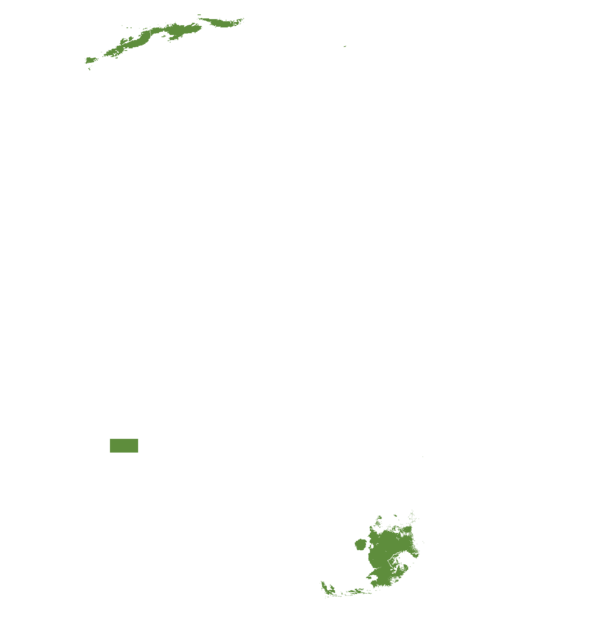
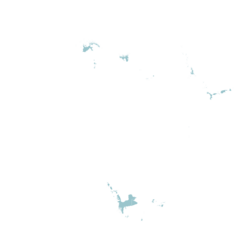
Countries with a green colour
Tested & adopted
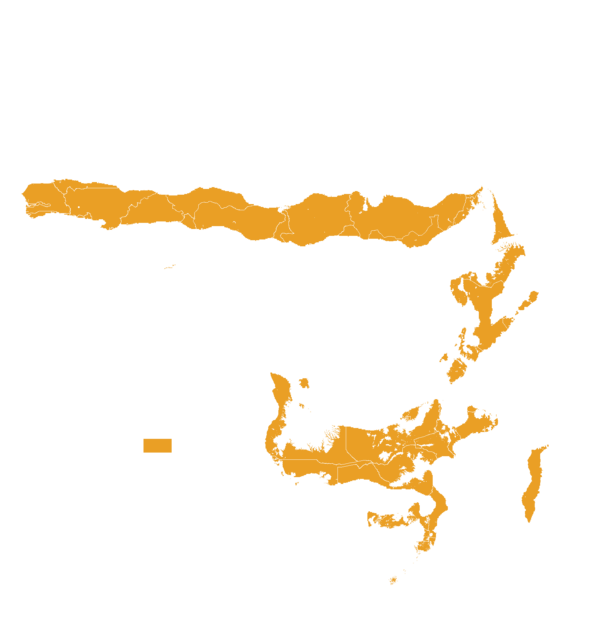
Countries with a bright green colour
Adopted
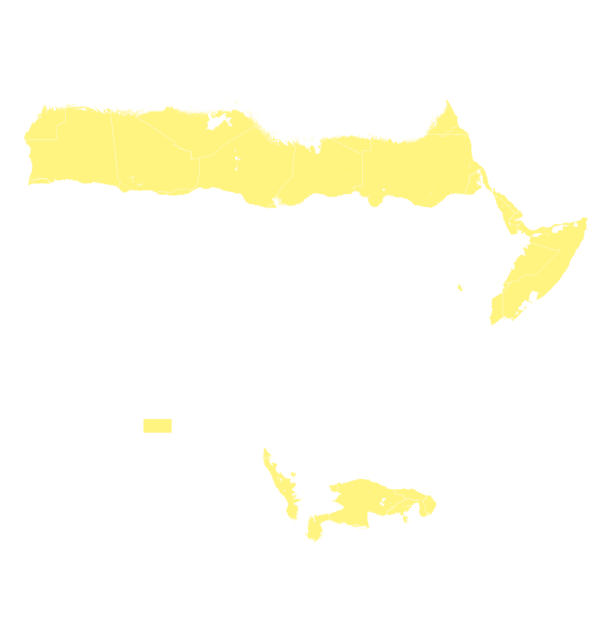
Countries with a yellow colour
Tested
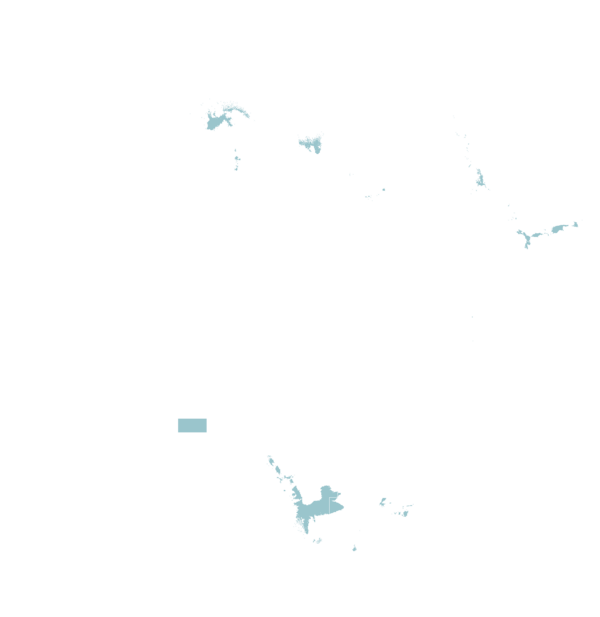
Countries with a blue colour
Testing ongoing
Egypt Equatorial Guinea Ethiopia Algeria Angola Benin Botswana Burundi Burkina Faso Democratic Republic of the Congo Djibouti Côte d’Ivoire Eritrea Gabon Gambia Ghana Guinea Guinea-Bissau Cameroon Kenya Libya Liberia Madagascar Mali Malawi Morocco Mauritania Mozambique Namibia Niger Nigeria Republic of the Congo Rwanda Zambia Senegal Sierra Leone Zimbabwe Somalia South Sudan Sudan South Africa Eswatini Tanzania Togo Tunisia Chad Uganda Western Sahara Central African Republic Lesotho
Countries where the technology is being tested or has been tested and adopted
Country Testing ongoing Tested Adopted
Senegal No ongoing testing Not tested Adopted

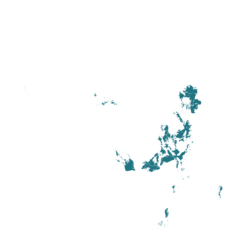
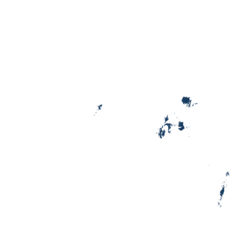
This technology can be used in the colored agro-ecological zones. Any zones shown in white are not suitable for this technology.
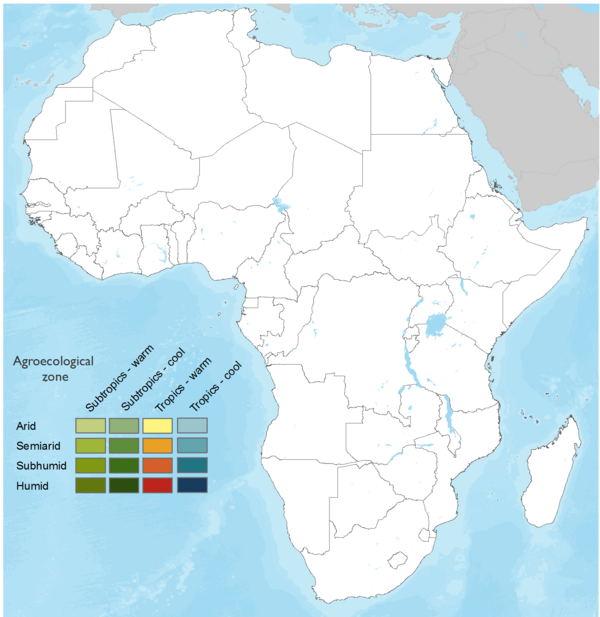
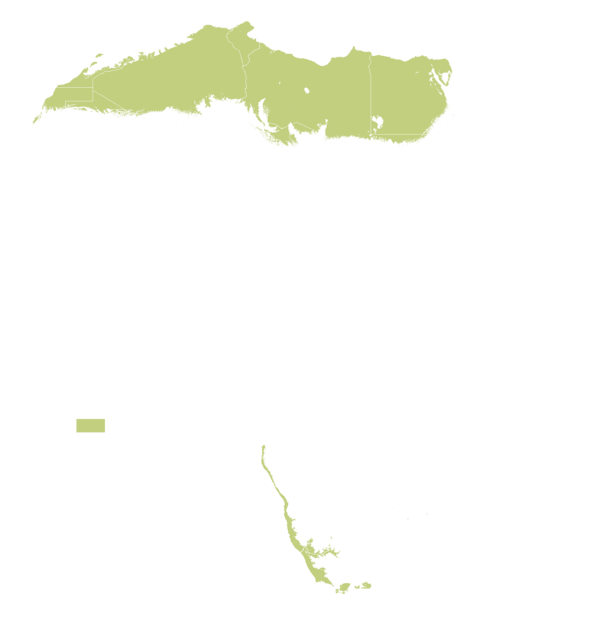
Agro-ecological zones where this technology can be used
AEZ Subtropic - warm Subtropic - cool Tropic - warm Tropic - cool
Arid
Semiarid
Subhumid
Humid

Source: HarvestChoice/IFPRI 2009

The United Nations Sustainable Development Goals that are applicable to this technology.
Sustainable Development Goal 10: reduced inequalities
Goal 10: reduced inequalities

It contributes to reducing inequalities in accessing climate knowledge

Sustainable Development Goal 13: climate action
Goal 13: climate action

It improves climate adaptability by providing timely, localized agro-pastoral advisories that enable livestock keepers to adjust practices (mobility, feeding, breeding, water use) in response to climate variability and extreme events.

Putting in place a Community of Practice (CoP) for climate services is a multi-step collaborative process that integrates scientific expertise with local knowledge. Based on the successful model established in Senegal, the implementation follows these key phases:

1. Initial Consultation and Stakeholder Identification

The process begins by identifying a systemic need, often through national consultations or sectoral policy priorities.

  • Convene a Consultative Workshop: Bring together a wide range of experts and stakeholders to propose and unanimously accept the creation of the CoP network.
  • Diverse Actor Mapping: Ensure representation from three main pillars:
    • Public Institutions: National agencies for meteorology (ANACIM), agricultural research (ISRA), and livestock direction (DIREL).
    • Private Sector & NGOs: Digital startups (Jokalante, Mlouma) and international NGOs (AVSF, Action Against Hunger).
    • Producer Organizations: Local livestock and dairy associations (ADID, APAFIL) to ensure user needs are central.

2. Formalization and Structuring

To ensure a coherent and formal system, the CoP must establish clear rules of engagement.

  • Develop a Memorandum of Understanding (MoU): Formalize roles, responsibilities, and data-sharing policies.
  • Define Roles: For example, assign a digital partner (like Jokalante) to facilitate internal communication between experts and manage the dissemination platform.
  • Create an Inclusive Space: Establish regular (typically monthly) meetings where scientists, development experts, and local stakeholders can share experience-based knowledge.

3. The Co-Production Workflow

The core of the CoP is the co-generation of advice, which follows a specific cycle:

  • Needs Assessment: Evaluate the specific information requirements of the target audience, such as animal health, pasture availability, or water access.
  • Data Integration: Combine scientific climate forecasts (daily, decadal, seasonal) with local perceptions and community knowledge.
  • Harmonization & Translation: Translate complex technical data into actionable agro-climatic advice in local languages (e.g., Pular) that farmers can easily understand.
  • Validation: Jointly review and approve content before dissemination to provide a single source of truth and avoid conflicting messages.

4. Multi-Channel Dissemination

The CoP must select reliable channels to bridge the "last mile" to remote communities:

  • Leverage Digital Tech: Use Interactive Voice Response (IVR), SMS, and USSD codes to reach farmers regardless of their literacy level or internet access.
  • Utilize Rural Radio: Partner with community radio unions to broadcast advisories broadly.
  • Ensure Year-Round Delivery: Unlike traditional seasonal crop advice, livestock CoPs must operate through both the rainy and dry seasons to support continuous decision-making.

5. Monitoring, Feedback, and Scaling: To ensure sustainability and relevance,

  • Establish Feedback Mechanisms: Conduct post-season perception surveys to collect data on how beneficiaries understood and used the advice.
  • Perform Regular Evaluations: Use qualitative and quantitative data to identify areas for improvement and document best practices.
  • Institutionalize the Model: Gradually integrate the CoP into national institutional frameworks (such as the Ministry of Livestock) to ensure it becomes part of public policy.

Last updated on Aug 28, 2026