TAAT e-catalog
for
Development partners
https://e-catalogs.taat-africa.org/org/technologies/cabi-academy-learning-platform-for-agricultural-advisory-services
Learn, Advise, Transform Agriculture!
CABI Academy offers a scalable, evidence-based e-learning solution designed to strengthen agricultural advisory systems across diverse geographies. With modules grounded in the Skills Framework for Agriculture, it delivers interactive, self-paced training on topics like integrated pest management, soil health, bioprotection, and safe pesticide use. The platform supports both blended and independent learning, making it suitable for capacity-building programs targeting extension agents, agro-dealers, educators, and youth in agriculture. CABI Academy facilitates measurable knowledge gains, supports system-level advisory improvements, and enhances the adoption of sustainable practices—contributing to climate-smart agriculture, inclusive rural development, and productivity gains across value chains.
This technology is pre-validated.
Adults 18 and over: Positive medium
We have created a free to access course called 'Entrepreneurship in Agribusiness' which is aimed at youth (up to 35) who want to start an agribusiness.
The poor: Positive medium
The CABI Academy offers courses largely free of charge at the point of access to all learners, worldwide. This is part of the Plantwise Plus mission to improve farmer advisory services, helping farmers to lose less, and feed more. The courses are created using CABI's subject matter experts, and are designed by learning design experts. Courses are available offline via the Moodle Mobile app, improving connectivity to the courses for those in low-data contexts. The courses are optimised for mobile, and refit dynamically for any screen size.
Under 18: Positive low
We request that all learners who register and take part on our courses are 16 or above, as there are unfacilitated forum activities, and so the learning is not aimed at a large under 18 audience. However, in our 'Gender-inclusive strategies for improving agricultural productivity' course, much of the messaging and learning outcomes are targeted towards gender and youth inclusion.
Women: Positive high
Our 'Gender-inclusive strategies for improving agricultural productivity' course aims to improve the inclusion of women and youth in extensionist activities. As of 28th May, the course has had over 1,300 learners enroll onto the course, and almost 440 of those learners have gone on to achieve a course certificate, which is achieved by taking and passing the multiple choice question assessment, associated with the course.
Climate adaptability: Highly adaptable
Digital technology.
Farmer climate change readiness: Moderate improvement
The courses teach sustainable farming practices.
Biodiversity: Positive impact on biodiversity
The 'Introduction to Bioprotection Products' course teaches learners how to select and use bioprotection products, using nature-based solutions to manage pests. Courses such as 'Reducing Pesticide Risk' also advocate for reducing harm to the environment caused by highly hazardous pesticides.
Environmental health: Greatly improves environmental health
Our courses promote integrated crop management practices, and sustainable farming practices. Specifically in our Reducing Pesticide Risk course, the potential effects of pesticides on environmental health are discussed.
Soil quality: Improves soil health and fertility
The course 'Sustainable Soil Management Practices' covers why soil management is important for growing healthy crops and includes educational content about common soil health issues and related management practices. Learners are guided through the identification of soil types by texture and structure and common issues affecting different types of soil, and the management practices that can be used to address these issues. Through the course, learners create a soil management plan.
Water use: A bit less water used
The course 'Introduction to Water Management' is another course in our integrated crop management suite. This course is about efficient and productive water management in (and for) agriculture. Learners are introduced to the topic, concepts are explained around the movement of water around and within crops, and strategies are introduced to help learners identify how best to promote water retention.
Limited reach of capacity-building programmes: Development partners may find it difficult to train large numbers of extension workers and agricultural service providers across multiple locations.
High training delivery costs: Repeated face-to-face workshops require substantial expenditure on trainers, transport, venues, and participant attendance.
Uneven technical capacity: Different levels of knowledge among local advisors can affect the consistency and quality of agricultural services supported by development interventions.
Limited access to scalable learning resources: Programme teams may lack a structured, science-based training platform that can be accessed repeatedly by different groups of learners.
Connectivity and inclusion barriers: Rural location, limited internet access, and other resource constraints can prevent some intended beneficiaries from participating in digital capacity-building activities.
Difficulties sustaining training outcomes: Without opportunities for continued learning and knowledge reinforcement, the technical skills developed during one-off training activities may not be consistently maintained or applied.
Scalable capacity building: CABI Academy provides a reusable digital training resource for strengthening the technical competencies of agricultural advisors and service providers.
Flexible training delivery: Self-paced courses allow learners in different locations to participate without depending exclusively on scheduled, in-person workshops.
Reduced connectivity barriers: Mobile-friendly courses and offline access options can help extend learning opportunities to rural and underserved areas.
Standardized technical learning: A structured library of science-based modules supports consistent capacity building across participating advisory personnel.
Continued professional development: Learners can revisit materials, complete assessments, and earn certificates, supporting ongoing learning beyond a single training event.
Support for sustainable agricultural practices: Courses on integrated pest management, bioprotection, pesticide risk reduction, and soil and water management help build knowledge relevant to more sustainable farming systems.
The CABI Academy is a digital learning platform that strengthens agricultural advisory services. Designed for low-data environments, it offers self-paced, interactive courses in clear, practical language—empowering extension agents, agro-dealers, and educators to deliver better advice to farmers. To integrate it into a project, key activities include:
Copyright
Scaling Readiness describes how complete a technology's development is and its ability to be scaled. It produces a score that measures a technology's readiness along two axes: the level of maturity of the idea itself, and the level to which the technology has been used so far.
Each axis goes from 0 to 9 where 9 is the “ready-to-scale” status. For each technology profile in the e-catalogs we have documented the scaling readiness status from evidence given by the technology providers. The e-catalogs only showcase technologies for which the scaling readiness score is at least 8 for maturity of the idea and 7 for the level of use.
The graph below represents visually the scaling readiness status for this technology, you can see the label of each level by hovering your mouse cursor on the number.
Read more about scaling readiness ›
Uncontrolled environment: validated
Common use by projects NOT connected to technology provider
| Maturity of the idea | Level of use | |||||||||
| 9 | ||||||||||
| 8 | ||||||||||
| 7 | ||||||||||
| 6 | ||||||||||
| 5 | ||||||||||
| 4 | ||||||||||
| 3 | ||||||||||
| 2 | ||||||||||
| 1 | ||||||||||
| 1 | 2 | 3 | 4 | 5 | 6 | 7 | 8 | 9 | ||
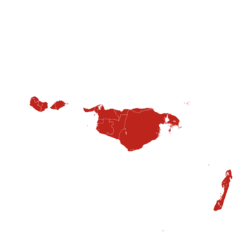
| Country | Testing ongoing | Tested | Adopted |
|---|---|---|---|
| Algeria | –No ongoing testing | –Not tested | Adopted |
| Angola | –No ongoing testing | –Not tested | Adopted |
| Benin | –No ongoing testing | –Not tested | Adopted |
| Botswana | –No ongoing testing | –Not tested | Adopted |
| Burkina Faso | –No ongoing testing | –Not tested | Adopted |
| Burundi | –No ongoing testing | –Not tested | Adopted |
| Cameroon | –No ongoing testing | –Not tested | Adopted |
| Central African Republic | –No ongoing testing | –Not tested | Adopted |
| Congo | –No ongoing testing | –Not tested | Adopted |
| Côte d'Ivoire | –No ongoing testing | –Not tested | Adopted |
| Egypt | –No ongoing testing | –Not tested | Adopted |
| Eswatini | –No ongoing testing | –Not tested | Adopted |
| Ethiopia | –No ongoing testing | –Not tested | Adopted |
| Gabon | –No ongoing testing | –Not tested | Adopted |
| Gambia | –No ongoing testing | –Not tested | Adopted |
| Ghana | –No ongoing testing | –Not tested | Adopted |
| Guinea | –No ongoing testing | –Not tested | Adopted |
| Kenya | –No ongoing testing | –Not tested | Adopted |
| Lesotho | –No ongoing testing | –Not tested | Adopted |
| Liberia | –No ongoing testing | –Not tested | Adopted |
| Madagascar | –No ongoing testing | –Not tested | Adopted |
| Malawi | –No ongoing testing | –Not tested | Adopted |
| Mali | –No ongoing testing | –Not tested | Adopted |
| Mauritania | –No ongoing testing | –Not tested | Adopted |
| Mauritius | –No ongoing testing | –Not tested | Adopted |
| Morocco | –No ongoing testing | –Not tested | Adopted |
| Mozambique | –No ongoing testing | –Not tested | Adopted |
| Namibia | –No ongoing testing | –Not tested | Adopted |
| Niger | –No ongoing testing | –Not tested | Adopted |
| Nigeria | –No ongoing testing | –Not tested | Adopted |
| Rwanda | –No ongoing testing | –Not tested | Adopted |
| Senegal | –No ongoing testing | –Not tested | Adopted |
| Sierra Leone | –No ongoing testing | –Not tested | Adopted |
| Somalia | –No ongoing testing | –Not tested | Adopted |
| South Africa | –No ongoing testing | –Not tested | Adopted |
| South Sudan | –No ongoing testing | –Not tested | Adopted |
| Tanzania, United Republic | –No ongoing testing | –Not tested | Adopted |
| The Democratic Republic of the Congo | –No ongoing testing | –Not tested | Adopted |
| The Republic of the Sudan | –No ongoing testing | –Not tested | Adopted |
| Togo | –No ongoing testing | –Not tested | Adopted |
| Tunisia | –No ongoing testing | –Not tested | Adopted |
| Uganda | –No ongoing testing | –Not tested | Adopted |
| Zambia | –No ongoing testing | –Not tested | Adopted |
| Zimbabwe | –No ongoing testing | –Not tested | Adopted |
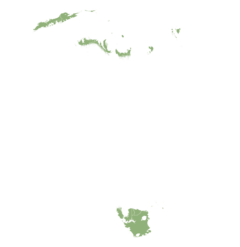
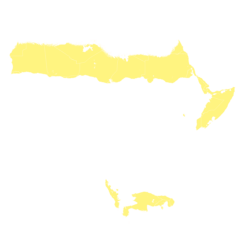
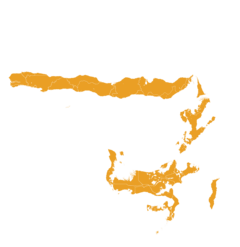
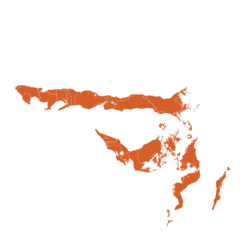
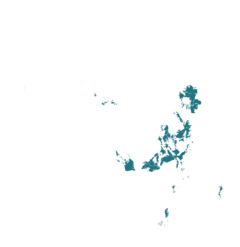
This technology can be used in the colored agro-ecological zones. Any zones shown in white are not suitable for this technology.
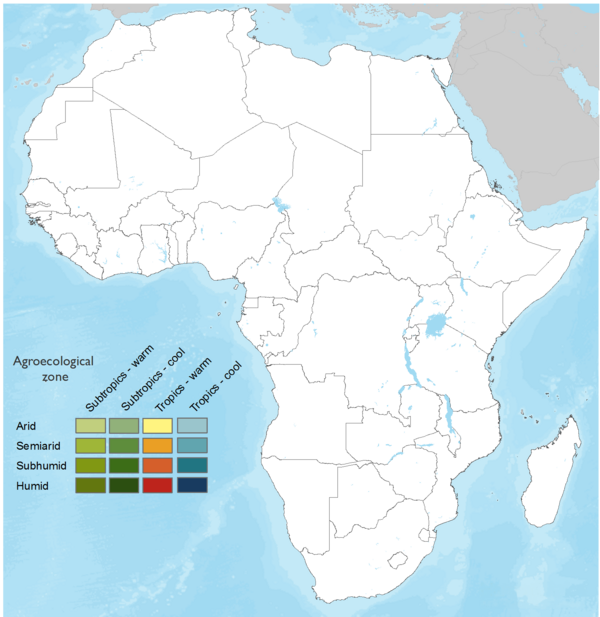
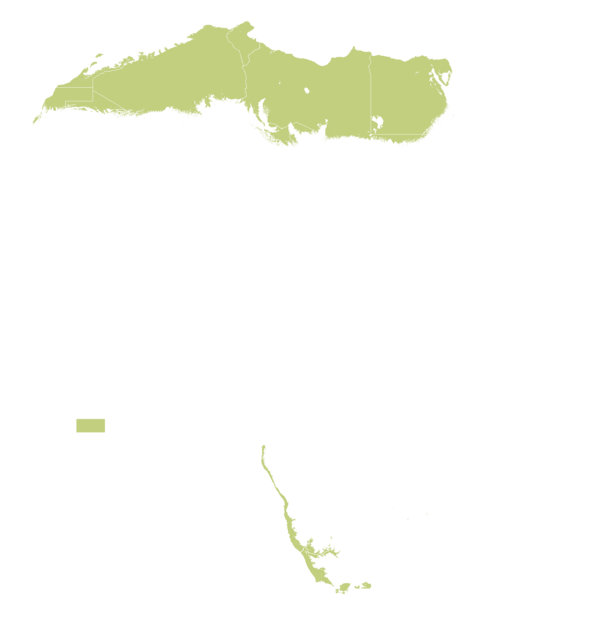




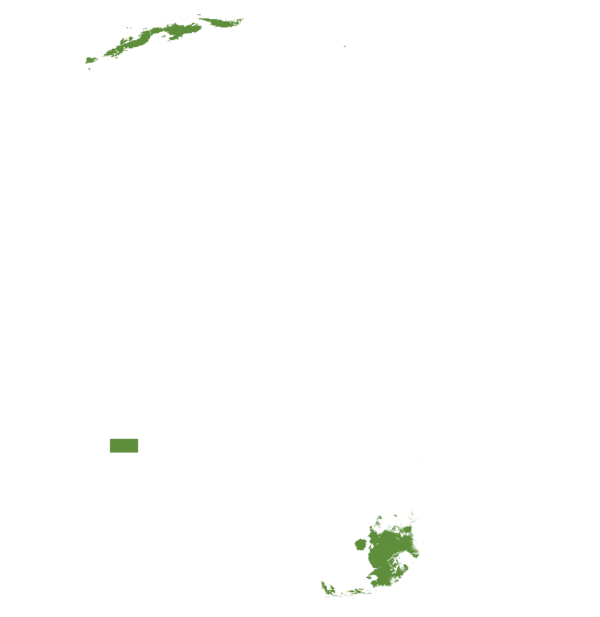


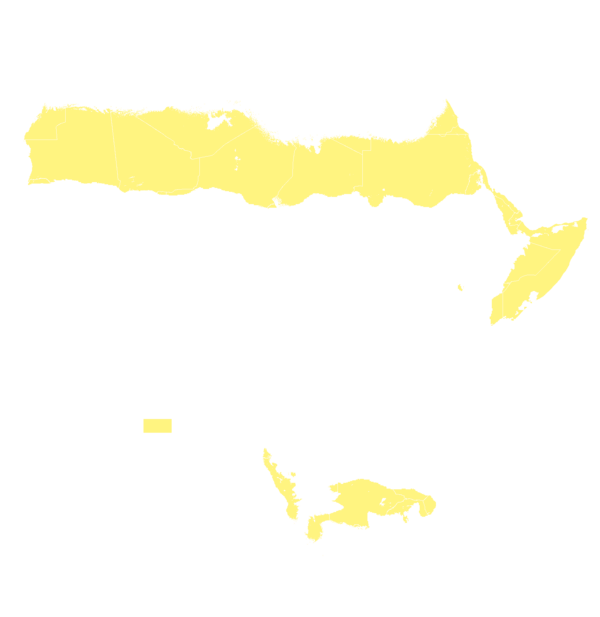
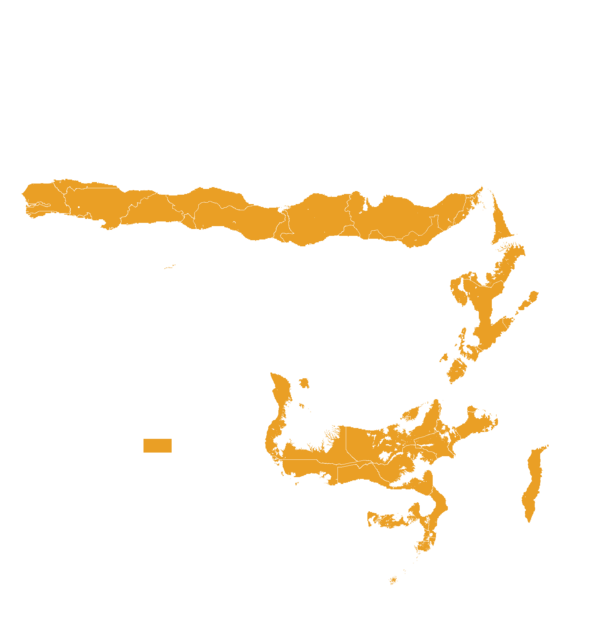
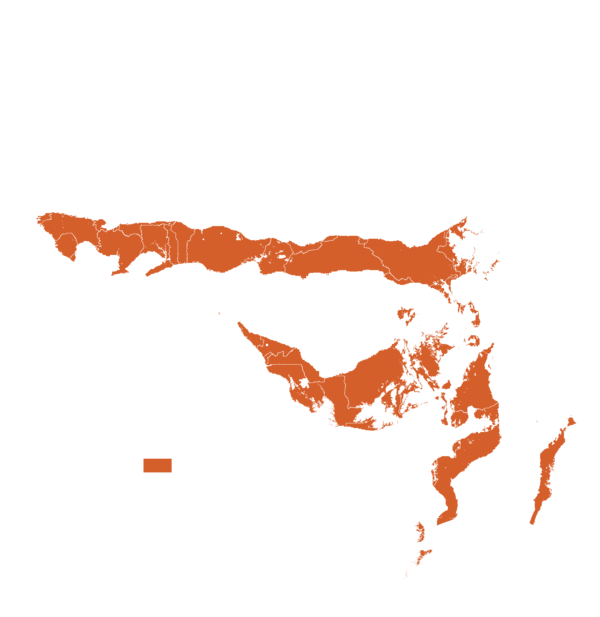



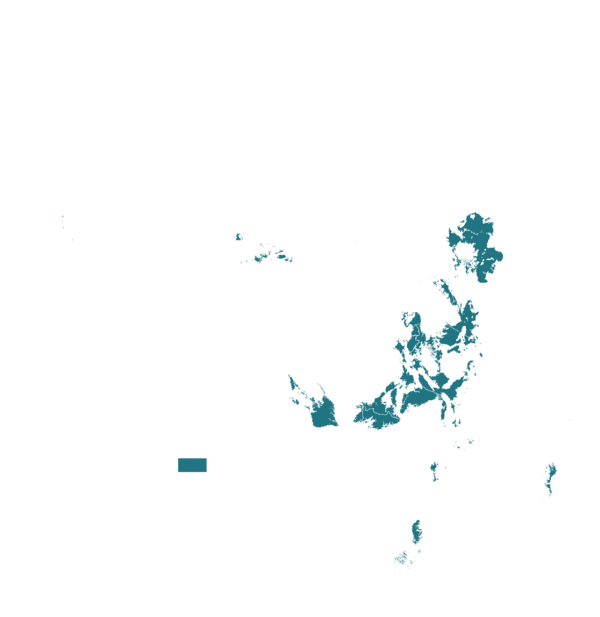

| AEZ | Subtropic - warm | Subtropic - cool | Tropic - warm | Tropic - cool |
|---|---|---|---|---|
| Arid | ||||
| Semiarid | ||||
| Subhumid | ||||
| Humid |
Source: HarvestChoice/IFPRI 2009
The United Nations Sustainable Development Goals that are applicable to this technology.
Access to free online resources, designed for learners in low income countries
Gender-Inclusive Strategies for Improving Agricultural Productivity course
Entrepreneurship in Agribusiness course
Last updated on Oct 15, 2026
This technology can be used in the colored agro-ecological zones.












CABI Academy: Learning Platform for Agricultural Advisory Services
https://e-catalogs.taat-africa.org/org/technologies/cabi-academy-learning-platform-for-agricultural-advisory-services
Last updated on 15 October 2026, printed on Nov 3, 2026
Enquiries e-catalogs@taat.africa