Logo
TAAT e-catalog for Development partners
https://e-catalogs.taat-africa.org/org/technologies/awd-alternate-wetting-and-drying-irrigation-system
Request information View pitch brochure

AWD: Alternate Wetting and Drying Irrigation System

Dry Out the Methane. Green Up Your Harvest.

Alternate Wetting and Drying is a low-cost, farmer-friendly practice for irrigated rice that saves water without sacrificing yield. It relies on simple in-field monitoring of the water table to alternate wetting and drying, typically reducing irrigation by 15–30% and lowering pumping expenses. By decreasing time under flooded, oxygen-free conditions, it also reduces methane emissions, making it well-suited for smallholder projects and climate-smart agriculture portfolios.
2

This technology is validated.

8•5

Scaling readiness: idea maturity 8/9; level of use 5/9

Positive impacts: 5

Target groups Positive impacts
Women rice farmers & female-headed households Benefit from reduced irrigation labor and more predictable schedules, easing time pressure and helping manage household and farm duties simultaneously.
Downstream (tail-end) canal-irrigated farmers Gain more reliable water access when AWD reduces upstream overuse, leading to more equitable irrigation and stable yields.
Pump-irrigated smallholders (men & women) Save fuel and labor as AWD reduces water use and pump runtime by 20–30%, directly lowering production costs.
Climate-conscious or sustainability-focused rice growers Reduce methane emissions (up to 50%) and qualify for carbon credits or green certification schemes, potentially increasing income and market access.
Farmers in drought-prone or water-scarce areas Maintain yields using 20–40% less water, helping them adapt to water shortages and reduce dependency on unreliable rainfall or depleted water tables.
More...

Climate adaptability: Highly adaptable

AWD promotes efficient water use by reducing irrigation needs by 25–40%. In irrigation schemes, this enables more farmers to access water or to cultivate larger areas. This makes AWD a practical adaptation strategy in contexts facing water scarcity or irregular rainfall due to climate change.

Farmer climate change readiness: Significant improvement

AWD helps irrigated farmers adjust to reduced water availability by allowing flexible, controlled irrigation cycles. It stabilizes yields under moderate drought stress and supports water-use efficiency, enhancing farmer resilience to climate variability.

Carbon footprint: Much less carbon released

AWD significantly reduces methane emissions (CH₄) from irrigated rice fields—often by 30–70%—by introducing aerobic periods into the soil. These aerobic phases disrupt the anaerobic conditions that favor methane-producing microbes, making AWD one of the most effective low-emission practices in rice farming.

Environmental health: Moderately improves environmental health

While not always measured directly, AWD can improve environmental health by reducing methane emissions and lowering water usage, which indirectly supports groundwater sustainability. However, risks such as increased nitrous oxide emissions or nitrate leaching should be monitored and managed.

Soil quality: Does not affect soil health and fertility

AWD does not typically degrade or improve soil structure or fertility under proper use. However, improper management (e.g., excessive drying) may lead to nutrient loss or heavy metal mobilization. With correct thresholds, soil quality remains stable.

Water use: Much less water used

The use of the AWD reduces irrigation water use in rice by 25–40%, depending on soil type and water control infrastructure. This contributes to water conservation in both surface and groundwater systems, making it a highly efficient irrigation method.AWD method reduces the irrigation water need in Rice by at least 25%

Problem

  • Thin farmer margins in pump-irrigated areas: Fuel and irrigation fees erode income during dry seasons.

  • Unreliable access to enough water to finish the season: Water scarcity quickly reduces production and food security. 

  • Lack of a low-cost, proven practice to save water without hurting yield: Many alternatives need capital; farmers fear yield loss. 

  • Difficulty demonstrating measurable climate impact: Projects need practical methods that clearly reduce methane and can be monitored. 

  • Adoption barriers from complex practices: Interventions that are equipment-heavy or hard to monitor stall uptake; simple, tube-based monitoring lowers this barrier.

Solution

  • Enhanced Smallholder Resilience and Food Security: AWD directly addresses water scarcity by enabling farmers to grow rice with significantly less water. This makes communities less vulnerable to droughts and water shortages, thereby improving food security. The savings allow saved water to be used to irrigate an extra crop or expand the rice area, further boosting production and income.
  • Cost-Effective Poverty Reduction: The technology is extremely low-cost and farmer-friendly, requiring only knowledge transfer and simple tools (like a field water tube), making it highly accessible to even the poorest smallholders. By cutting irrigation costs (fuel or fees) while maintaining yields, AWD increases farmers’ net incomes.
  • Climate and Environmental Goals: AWD cuts methane emissions by roughly 30–50%, contributing to climate change mitigation. This dual benefit (reducing GHGs and preserving freshwater) makes it a win-win solution for organizations focused on environmental sustainability.
  • Inclusion and Capacity Building: AWD aligns with inclusion goals as it is accessible and gender-neutral; when coupled with proper training, women farmers can easily adopt AWD, reducing their labor and improving household welfare. AWD has high adoption potential when promoted through community-based programs or farmer field schools. It advances multiple Sustainable Development Goals (SDGs), including SDG 1 (No Poverty), SDG 2 (Zero Hunger), SDG 6 (Clean Water), and SDG 13 (Climate Action).

Key points to design your program

Development agencies and NGOs should view Alternate Wetting and Drying (AWD) as a high-impact, scalable, and cost-effective technology that strongly supports smallholder resilience and climate-smart agriculture. The technology is categorized as a practice in agricultural production and water management for irrigated lowland rice.

I. Overview of Technology Success in Various Contexts

AWD is a mature technology (Technology Readiness Level 8-9) with a robust evidence base from research plots, on-farm trials, and large-scale farmer-led adoption. AWD achieves the goal of cultivating rice using significantly less water while maintaining or even slightly improving yields.

A. Global and Regional Successes

  • Asia (Widespread Adoption): AWD was initially developed and is now widely adopted across major rice-producing countries in Asia, including the Philippines, Bangladesh, Vietnam, India, and China.
    • Bangladesh/Philippines: Millions of farmers were introduced to AWD to cope with dry-season water shortages, resulting in massive water savings and significant energy cost reductions. In areas where farmers pay for pump irrigation (e.g., diesel costs), adoption has been high due to the immediate financial savings.
    • Yields and Economics: Studies show that rice fields adopting AWD maintain yields (or see marginal increases due to stronger root growth) while cutting irrigation water by 15–30%. The result is a substantial saving on fuel or electricity for pumping, yielding a high return on investment (ROI) for farmers, often in the range of 400–800% in one season.
  • Africa (Gaining Traction): AWD is a newer introduction but has gained traction through initiatives led by AfricaRice and the African Development Bank's TAAT program.
    • Sahel Region (Senegal/Mauritania): Trials demonstrated that AWD successfully works in African irrigated schemes, achieving 22–39% irrigation water savings with little or no yield loss under Sahelian conditions.
    • Ghana: Integrated Good Agricultural Practices (GAP) combined with AWD resulted in a 13% higher rice yield compared to farmers' traditional practices (FP). The adoption of GAP (including AWD) showed a high potential to increase yields and net profits.
  • China (Policy Integration): AWD is a central component of government programs, including the World Bank-supported Methane-Reducing and Water-Saving Paddy Rice Program in Hunan Province. Technical assessments confirm that AWD reduces 50% of methane emissions and 30% of water use without reducing yields in Chinese contexts.

B. Environmental Successes

AWD delivers strong environmental benefits, contributing to global public goods.

  • Methane Reduction (GHG Mitigation): AWD significantly reduces methane emissions from rice paddies, typically by 30–70% (an average reduction of 48% is often assumed). This makes AWD one of the most promising practices for reducing agricultural GHG emissions.
  • Water Conservation: AWD saves 15–30% of irrigation water and improves the effective utilization of rainfall.
  • Health Co-Benefit: Alternating wet/dry cycles can lower the availability of arsenic in the soil, potentially cutting arsenic accumulation in rice grains by 13% to 90% depending on local chemistry, making rice safer to consume in arsenic-prone areas.

II. Partners Offering Technical Support, Training, and Implementation Monitoring

Effective scaling requires collaboration across multiple stakeholders, often led by Development Organizations providing knowledge dissemination and capacity building.

A. Research and Technical Institutions (Technology Providers)

  • International Rice Research Institute (IRRI): IRRI pioneered, developed the "safe AWD" protocols, and disseminated the core technology, protocols, technical manuals, fact sheets, and videos globally. They provide technical guidance on core procedures. IRRI developed tools like Rice Crop Manager (a computer and mobile application) to give farmers site- and season-specific fertilization recommendations, which can be integrated with AWD.
  • Africa Rice Center (AfricaRice): AfricaRice validates AWD for specific African environments and provides crucial regional expertise. They lead validation trials in countries like Senegal, Ghana, and Mali.
  • National Agricultural Research and Extension Services (NARES) / Ministries of Agriculture: These national partners are essential for adapting AWD protocols to local conditions, issuing integrated technical standards, and disseminating training to farmers.

B. Implementation and Coordination Partners (Scaling)

  • Water Resource Agencies/Departments: These government partners are critical for coordinating flexible irrigation services, moving from continuous supply to the intermittent water delivery required by AWD. They also help implement water pricing/rights reforms that incentivize water saving.
  • Water User Associations (WUAs) and Farmer Cooperative Organizations: These community groups are crucial for collective implementation in shared irrigation schemes, coordinating timing, and managing the ongoing operation and maintenance (O&M) of irrigation infrastructure.
  • Development Banks (e.g., World Bank, AfDB): These organizations provide financing, support institutional reforms (like water pricing), and back major AWD scaling programs (e.g., the TAAT program in Africa).
  • Carbon Finance Entities (e.g., Gold Standard): These partners help pilot projects monetize methane reductions into carbon credits, creating an additional financial incentive for farmers.

C. Training and Monitoring Support

Development projects rolling out AWD typically focus on capacity building.

  • Training and Extension: Development organizations implement systematic training programs for farmers (including women) on the full low-methane package, focusing on AWD, optimal fertilizer use, and straw management. Training materials include simple pictorial guides and videos.
  • Demonstration Plots: Establishing pilot demonstration farmlands (less than 1 ha) allows for a visible comparison of AWD versus conventional flooding, which is essential to overcome farmer skepticism about yield loss.
  • Provision of Tools: Development partners often supply or subsidize the field water tubes (which cost less than $5 and can be locally made from PVC or bamboo) necessary for farmers to monitor the safe 15 cm water threshold.
  • Digital Monitoring (d-MRV): At a large scale, partners may employ digital sensors, IoT devices, or remote sensing to track field water levels and collect data on water savings and methane reductions in real time, supporting verification for carbon markets or sustainability reporting.

III. Valuable Insights for Projects and Programs

AWD is a "no-regrets" innovation that aligns with multiple Sustainable Development Goals (SDGs) and offers clear advantages for scaling.

A. Alignment with Sustainable Development Goals (SDGs)

AWD directly advances several SDGs:

  • SDG 6 (Clean Water): Directly addresses water-use efficiency by reducing irrigation demand by up to 30%.
  • SDG 13 (Climate Action): Significantly cuts methane emissions, contributing to mitigation and enhancing resilience against drought.
  • SDG 2 (Zero Hunger): Supports food security by ensuring stable rice production under water scarcity.
  • SDG 1 (No Poverty): Increases net incomes for smallholder farmers by cutting input costs (fuel/electricity).

B. Scaling Readiness and Financial Viability

  • Low Barrier to Entry: Scaling readiness is high because the technology is low-cost (minimal capital investment needed, primarily just the field tube) and relies primarily on knowledge transfer and behavior change rather than expensive hardware or subsidies.
  • IP Status: AWD is an open agricultural innovation; it is not patented or proprietary. There are no intellectual property barriers or licensing costs, which facilitates free and rapid dissemination.
  • Inclusivity: The practice is highly accessible to resource-poor smallholder farmers. It is gender-friendly; specific training can empower women farmers who are often involved in managing water at the plot level.

C. Implementation Considerations (Risk Mitigation)

Development programs must integrate AWD with complementary practices to mitigate potential risks.

  1. Weed Management: AWD introduces dry periods that can favor weed germination. Effective weed control (e.g., maintaining initial flooding for 2–3 weeks, followed by chemical/manual weeding) must be integrated into the program design.
  2. Nutrient Management: AWD must be implemented as part of a comprehensive "water-straw-fertilizer co-management" package. Applying nitrogen fertilizer (urea) to dry soil just before re-irrigation maximizes Nitrogen Use Efficiency (NUE) and minimizes losses, which helps offset the slight increase in nitrous oxide emissions that may occur during drying periods.
  3. Critical Stage Protection: To prevent yield loss, farmers must strictly maintain shallow flooding during the sensitive flowering stage. This requires consistent monitoring and training.
  4. Institutional Alignment: In public irrigation schemes, projects must successfully engage Water User Associations and Water Resource Agencies to ensure the main system delivers water intermittently, allowing farmers to practice AWD effectively.

Cost vs. revenue

Data reliability of this estimate: 100 %

Return on investment 42 %

Every USD invested returns USD 0.42 net income.

Detailed financial information ›

15–30 %

Water use reduction

48 %

Greenhouse Gas Emissions Reductions

IP

Open source / open access

Scaling Readiness describes how complete a technology’s development is and its ability to be scaled. It produces a score that measures a technology’s readiness along two axes: the level of maturity of the idea itself, and the level to which the technology has been used so far.

Each axis goes from 0 to 9 where 9 is the “ready-to-scale” status. For each technology profile in the e-catalogs we have documented the scaling readiness status from evidence given by the technology providers. The e-catalogs only showcase technologies for which the scaling readiness score is at least 8 for maturity of the idea and 7 for the level of use.

The graph below represents visually the scaling readiness status for this technology, you can see the label of each level by hovering your mouse cursor on the number.

Read more about scaling readiness ›

Scaling readiness score of this technology

Maturity of the idea 8 out of 9

Uncontrolled environment: tested

Level of use 5 out of 9

Common use by projects connected to technology providers

Maturity of the idea Level of use
9
8
7
6
5
4
3
2
1
1 2 3 4 5 6 7 8 9

Positive impact 5

Target groups Positive impacts
Women rice farmers & female-headed households Benefit from reduced irrigation labor and more predictable schedules, easing time pressure and helping manage household and farm duties simultaneously.
Downstream (tail-end) canal-irrigated farmers Gain more reliable water access when AWD reduces upstream overuse, leading to more equitable irrigation and stable yields.
Pump-irrigated smallholders (men & women) Save fuel and labor as AWD reduces water use and pump runtime by 20–30%, directly lowering production costs.
Climate-conscious or sustainability-focused rice growers Reduce methane emissions (up to 50%) and qualify for carbon credits or green certification schemes, potentially increasing income and market access.
Farmers in drought-prone or water-scarce areas Maintain yields using 20–40% less water, helping them adapt to water shortages and reduce dependency on unreliable rainfall or depleted water tables.

Unintended impact 5

Target groups Unintended impact Mitigation action
Women rice farmers & female-headed households Increased weeding workload during dry intervals, since continuous flooding normally suppresses weeds. This often falls on women, who already manage both field and household labor. Promote labor-saving options like pre-emergence herbicides, mulching, or group weeding days. Ensure women are involved in extension and have access to weed control tools.
Downstream (tail-end) canal-irrigated farmers Water access inequality if upstream farmers don't follow AWD properly, drying fields too slowly or flooding continuously, leaving little water for downstream users. Establish collective irrigation schedules and empower water-user associations to monitor compliance. Promote block-level AWD adoption to ensure synchronized water use.
Pump-irrigated smallholders (men & women) Risk of crop stress or yield loss if AWD is misapplied (e.g., drying too long without proper reflooding). Farmers relying on pumps may over-dry to save fuel. Train farmers on "safe AWD" thresholds using simple tools (e.g. perforated water tubes), and offer on-farm demonstrations to build trust in correct timing.
Climate-conscious or sustainability-focused rice growers Higher nitrous oxide (N₂O) emissions from aerobic soil phases may offset methane savings, and food safety risks (e.g. cadmium uptake) may arise from dry cycles. Encourage integrated nutrient management (split N application, organic inputs), and provide soil and grain testing where contamination risk is high. For carbon projects, ensure emission trade-offs are monitored and managed.
Farmers in drought-prone or water-scarce areas Greater risk of nutrient leaching or mis-timed irrigation, especially where farmers lack technical support. Mismanagement can lead to yield loss or soil degradation. Provide tailored training on AWD timing, soil moisture monitoring, and fertilizer management. Link AWD to broader climate-smart advisory services.

Barriers 15

Target groups Barriers Mitigation action
Women smallholder rice farmers
  • Limited access to extension services and decision-making in water management

  • Often lack ownership of land or irrigation equipment

  • Time constraints due to household responsibilities

  • Deliver AWD training through women’s groups or female extension agents

  • Use simple tools (e.g., field water tubes) adapted to their schedules

  • Recognize women as farmers in extension targeting, not just as “helpers”

Downstream (tail-end) canal-irrigated farmers
  • Dependence on upstream users’ behavior; limited control over water timing

  • Often marginalized in irrigation governance structures

  • Delayed or uneven access to water prevents proper AWD scheduling

  • Promote block-level coordination with shared irrigation schedules

  • Include tail-end farmers in water-user association decisions

  • Use rotational water delivery systems that support AWD cycles equitably

Pump-irrigated smallholder farmers
  • Flat-rate irrigation fees (no financial incentive to save water)

  • Fear of yield loss or pump damage due to dry intervals

  • Low trust in new irrigation practices

  • Shift toward volume-based or time-based irrigation pricing

  • Offer on-farm AWD demonstrations showing cost savings and yield stability

  • Provide guidelines on pump use and soil monitoring to reduce perceived risk

Climate-conscious or sustainability-focused rice growers
  • Technical uncertainty about emissions trade-offs (methane vs. N₂O)

  • No access to carbon credit schemes or emissions measurement tools

  • Lack of incentives to adopt AWD for environmental benefits alone

  • Bundle AWD with certified low-emission rice production programs

  • Provide access to climate finance tools or carbon credit platforms

  • Share simple monitoring tools or partnerships with climate NGOs

Farmers in drought-prone or water-scarce areas
  • Poor infrastructure for controlling water precisely

  • Limited awareness of AWD or fear of worsening drought impact

  • Lack of local success stories or trusted guidance

  • Integrate AWD into climate-smart agriculture packages

  • Offer training on “safe AWD” thresholds suitable for dry contexts

  • Document and share peer success stories from similar zones

Cost of the investment
Sum of all fixed and operational expenses.
USD 60
per hectare
Gross revenue
Sum of all income before subtracting costs.
USD 85
per hectare
Net income
Gross revenue minus total cost.
USD 25
per hectare
Return on investment
Percentage of income earned for each dollar invested, calculated as:
(income ÷ cost of investment) × 100
42 %
per season/per hectare

References:

  • Alternate Weting Drying_CostRevenueROI_Date.xlsx .pdf (PDF, 64.29 KB)
  • Countries with a green colour
    Tested & adopted
    Countries with a bright green colour
    Adopted
    Countries with a yellow colour
    Tested
    Countries with a blue colour
    Testing ongoing
    Egypt Equatorial Guinea Ethiopia Algeria Angola Benin Botswana Burundi Burkina Faso Democratic Republic of the Congo Djibouti Côte d’Ivoire Eritrea Gabon Gambia Ghana Guinea Guinea-Bissau Cameroon Kenya Libya Liberia Madagascar Mali Malawi Morocco Mauritania Mozambique Namibia Niger Nigeria Republic of the Congo Rwanda Zambia Senegal Sierra Leone Zimbabwe Somalia South Sudan Sudan South Africa Eswatini Tanzania Togo Tunisia Chad Uganda Western Sahara Central African Republic Lesotho
    Countries where the technology is being tested or has been tested and adopted
    Country Testing ongoing Tested Adopted
    Côte d’Ivoire No ongoing testing Tested Adopted
    Ghana No ongoing testing Tested Adopted
    Nigeria No ongoing testing Tested Adopted

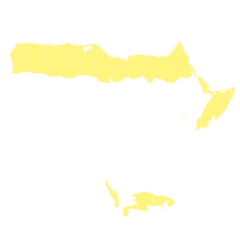
    This technology can be used in the colored agro-ecological zones. Any zones shown in white are not suitable for this technology.
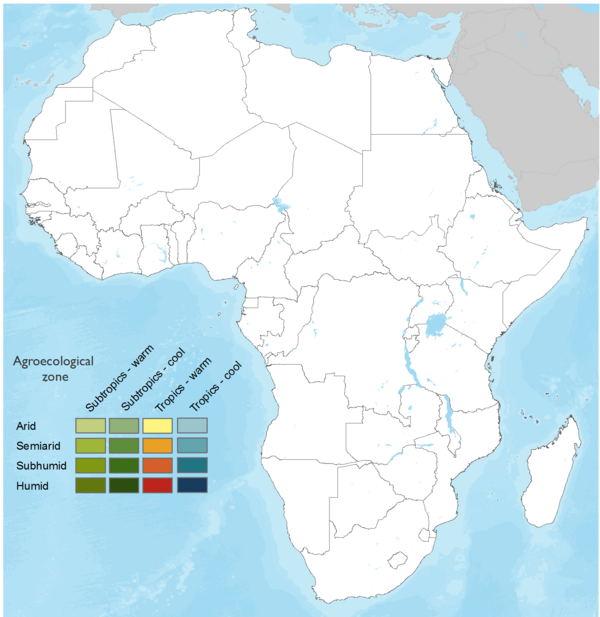
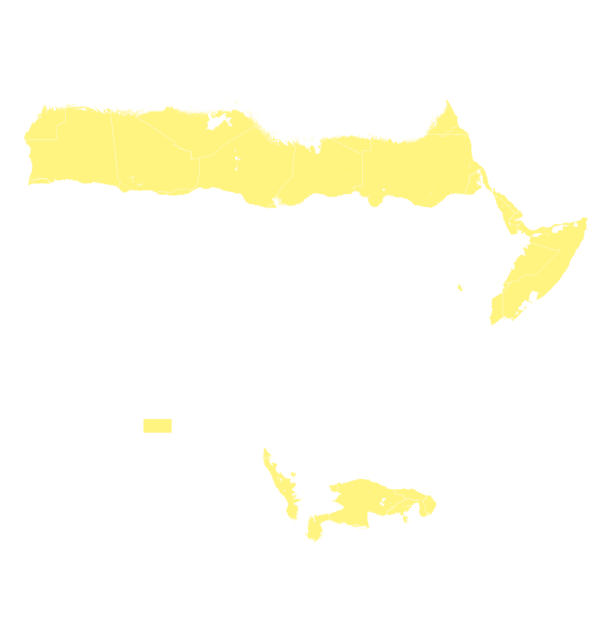
    Agro-ecological zones where this technology can be used
    AEZ Subtropic - warm Subtropic - cool Tropic - warm Tropic - cool
    Arid
    Semiarid
    Subhumid
    Humid

    Source: HarvestChoice/IFPRI 2009

    The United Nations Sustainable Development Goals that are applicable to this technology.

    Sustainable Development Goal 1: no poverty
    Goal 1: no poverty

    AWD reduces irrigation costs (fuel, labor, water fees), helping smallholder farmers lower production expenses and improve net income, especially in pump-irrigated systems.
    Sustainable Development Goal 2: zero hunger
    Goal 2: zero hunger

    AWD maintains or slightly improves rice yields while saving water. It enhances resilience to drought and supports stable food production, especially in water-stressed areas.
    Sustainable Development Goal 6: clean water and sanitation
    Goal 6: clean water and sanitation

    AWD reduces water use by 25–40%, conserving irrigation water and reducing pressure on shared or limited water resources. It also promotes more equitable water access within irrigation schemes.
    Sustainable Development Goal 12: responsible production and consumption
    Goal 12: responsible production and consumption

    AWD encourages efficient resource use—especially water and energy (fuel/electricity for pumps)—and supports sustainable rice intensification.

    Sustainable Development Goal 13: climate action
    Goal 13: climate action

    AWD significantly reduces methane emissions from flooded rice fields (up to 70%), making it a key practice in low-emission rice farming strategies and NDCs (Nationally Determined Contributions).

    AWD relies on monitoring the water level below the soil surface using a simple tool called a Field Water Tube.

    Here is a step-by-step guide on how to use the AWD technique clearly and in detail:

    Step 1: Field Preparation and Crop Establishment

    1. Level the Field: Ensure the rice field is well-leveled. Good leveling is critical for efficient irrigation and prevents some areas from becoming excessively dry or wet, which could negatively affect yields.
    2. Construct Strong Bunds: The field must be surrounded by strong bunds (field boundaries) to hold water and prevent seepage.
    3. Start as Conventional Flooding: Transplant or sow the rice crop as normal. Initially, maintain a layer of standing water (e.g., 3–5 cm, gradually increasing to 10 cm as the crop establishes).
    4. Manage Weeds (If Necessary): If heavy weed pressure is expected, maintain continuous flooding for the first 2–3 weeks after transplanting (or until direct-seeded rice is about 10 cm tall) to suppress weed growth before starting the AWD cycles.

    Step 2: Construct and Install the Field Water Tube

    The field water tube is the key tool used to monitor the water level below the soil surface.

    1. Make the Tube: Obtain a piece of plastic PVC pipe (often about 4 inches or 15 cm in diameter) or bamboo, about 30–40 cm long.
    2. Perforate the Tube: Drill or punch several small holes (e.g., 0.5 mm in diameter, spaced 2 cm apart) around the lower 15 cm of the tube. The upper 15 cm of the pipe should remain unperforated.
    3. Install the Tube: Push the tube vertically into the paddy soil until about 20 cm remains above the soil surface. The bottom of the tube should be below the plow pan.
    4. Clear the Inside: Remove any soil or mud inside the tube so you can clearly see the water level relative to the soil surface inside the tube.
    5. Placement: Place the tube in a flat, representative spot in the field, preferably near a bund for easy monitoring access (but not less than 1 meter away from the bund).

    Step 3: Initiate and Manage the Wetting and Drying Cycles

    AWD cycles typically start about 15 days after sowing (DAS), or one to two weeks after transplanting, once the crop roots are established.

    1. Initial Flooding: Irrigate the field to flood it as usual, to a depth of about 5–10 cm of standing water.
    2. Allow Drying: Stop supplying water and allow the field to dry naturally. The standing water will disappear, and the water level inside the tube will gradually drop due to infiltration and evapotranspiration.
    3. Monitor Daily: Observe the water level inside the tube daily.
    4. The "Safe AWD" Rule (The Trigger): Do not irrigate again until the water level inside the tube has dropped to 15 cm below the soil surface. This 15 cm level is considered the "safe AWD" threshold because research has shown it prevents drought stress and will not cause a yield decline. Depending on the soil type and weather, reaching this 15 cm threshold typically takes between 1 and 10 days.
    5. Re-Irrigate: Once the 15 cm threshold is reached, irrigate the field to raise the water level back up to approximately 5 cm of standing water.
    6. Repeat the Cycle: Repeat steps 2 through 5 throughout the growing season. If rainfall occurs, it should be absorbed by the dry soil, delaying the need for the next irrigation event.

    Step 4: Manage Water During Critical Stages

    During the most sensitive stage of rice growth, continuous flooding must be temporarily maintained to protect the crop and secure the yield.

    1. Keep Flooded at Flowering: For approximately two weeks, starting one week before and continuing until one week after the flowering stage (panicle heading), the field should be kept shallow-flooded continuously at about 5 cm depth. This period corresponds roughly to 55–75 days after transplanting for most varieties.
    2. Resume AWD: After this critical reproductive stage, you can resume the normal AWD cycles (allowing the water level to drop to 15 cm below the soil surface before re-irrigating) during the grain-filling and ripening stages.

    Step 5: Pre-Harvest Drainage

    1. Final Dry-Down: As is standard practice in rice farming, stop irrigation 1–2 weeks before the planned harvest date. This allows the field to dry out completely, which facilitates harvesting and helps improve grain moisture content.

    Important Co-Management Considerations

    • Fertilizer Timing: Nitrogen fertilizer (like urea) should be applied on the dry soil just before a re-irrigation event (when the water level in the tube reaches the 15 cm mark). This technique improves nitrogen uptake and reduces nitrogen loss.
    • Straw Management: If rice straw is returned to the field, use the AWD periods at the early stage of rice growth (drying for 7–10 days before transplanting) to allow the straw to decompose under aerobic (non-flooded) conditions. This co-management practice is crucial for significantly reducing methane emissions that would otherwise increase if fresh straw decomposed under flooded, anaerobic conditions.
    • Yield Protection: Strict adherence to the 15 cm threshold is necessary to ensure the water savings are achieved without causing yield losses.

    Last updated on 6 March 2026