TAAT e-catalog
for
government
https://e-catalogs.taat-africa.org/gov/technologies/ofsp-orange-fleshed-sweet-potato-high-provitamin-a

Orange Sweetness, Nutrient Richness, and Farmer's Success - Embrace OFSP!
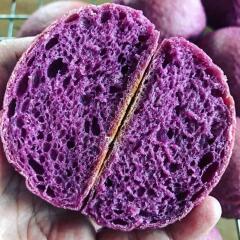
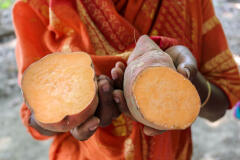
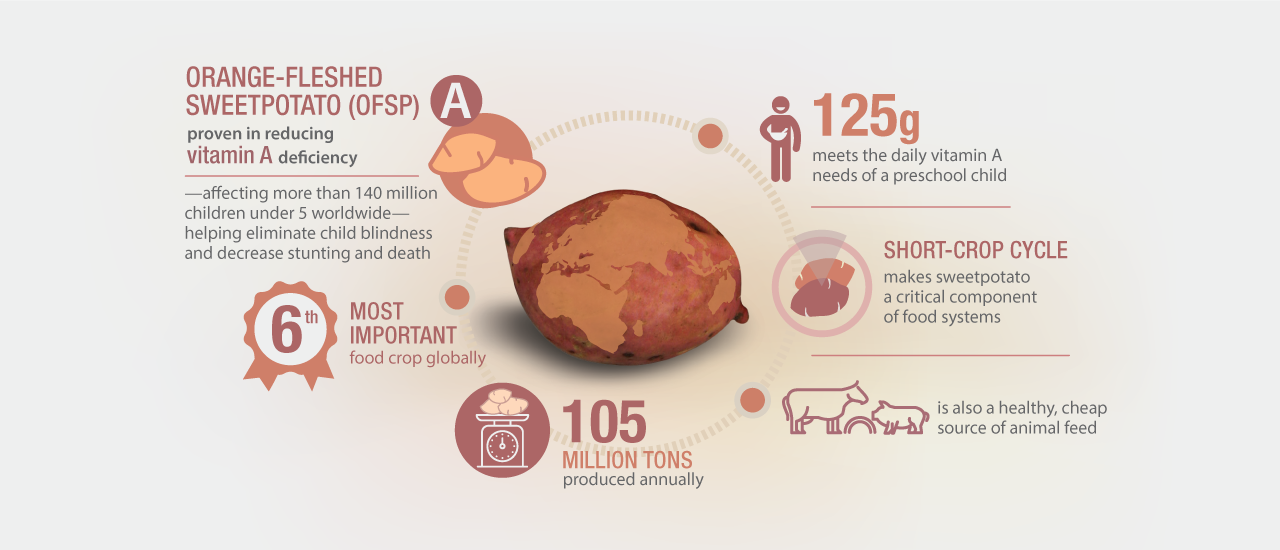
The Orange Fleshed Sweet Potato (OFSP) is a biofortified crop that contains high levels of beta-carotene. Sweet potato cultivars with orange flesh have more beta-carotene than those with light-colored flesh cultivars. After eating OFSP, the beta-carotene is converted into vitamin A, providing essential nutrition and supplementing the diet of people. It has huge potential to improve food and nutritional security across Africa.
This technology is TAAT1 validated.
Adults 18 and over: Positive high
Others: Positive high
The poor: Positive medium
Under 18: Positive high
Women: Positive high
Climate adaptability: Highly adaptable
Farmer climate change readiness: Significant improvement
Carbon footprint: Same amount of carbon released
Environmental health: Moderately improves environmental health
Soil quality: Does not affect soil health and fertility
Water use: A bit less water used
Biodiversity: Not verified
Improved orange-fleshed sweet potato (OFSP) varieties offer government programmes a practical way to increase agricultural productivity, improve diet quality and address vitamin A deficiency. Developed for African farming systems, these varieties combine increased beta-carotene and iron content with high yields and locally important traits such as virus and drought resistance, vine survival, early maturity, salinity tolerance, weevil resistance or avoidance, high dry matter and low sugar. OFSP is already familiar as a staple food, making adoption relatively uncomplicated and acceptable to women, men and children.
To integrate this technology into your programme, plan activities around:
Identifying priority production zones and target groups, including small-scale and commercial farmers, women and agro-manufacturers. Give priority to areas affected by malnutrition, drought, salinity, viral diseases, sweet potato weevils and low farm productivity.
Selecting suitable OFSP varieties for each project zone according to nutritional content, yield potential, maturity, drought and virus resistance, vine survival, salinity tolerance, weevil resistance, dry-matter content, sugar level and farmer or consumer preferences.
Estimating planting-material requirements and developing the programme budget based on the target area, number of farmers and selected multiplication system. Include multiplication, quality control, storage, transport and timely delivery to farmers.
Securing quality planting materials before the production season. Improved OFSP planting materials are available across countries, but government programmes should organize reliable multiplication and distribution systems to maintain varietal identity and planting-material quality.
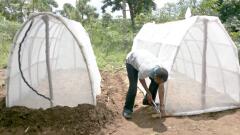
Establishing demonstration and multiplication sites to give farmers access to planting materials and show the full production cycle, including vine conservation, land preparation, planting, crop management, pest and disease control, harvesting and post-harvest handling.
Training farmers, extension agents and planting-material producers and budgeting for trainers, demonstration inputs, training materials, travel and post-training extension support.
Developing nutrition and communication campaigns through community demonstrations, extension guides, flyers, radio and videos. Communication can build on the slogan “Orange Sweetness, Nutrient Richness, and Farmer’s Success—Embrace OFSP!” and the existing featured video identified by YouTube.
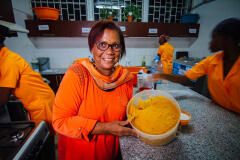
Supporting processing, marketing and diversified use by connecting farmers with processors, sellers, cooperatives and agro-manufacturers. OFSP can be consumed as a staple, processed into different food products and mixed into animal fodder to improve its protein content and quality.
Monitoring programme results, including access to planting materials, area cultivated, yields, resilience, household consumption, provitamin A intake, participation by women, product development, market access and use in animal feed.
For best results, combine variety dissemination with dependable planting-material multiplication, practical extension support, nutrition education, processing development and market linkages across the pre-production, production, post-harvest and marketing stages.
Government programmes can collaborate with the technology owner, the International Potato Center (CIP), as well as national research and extension services, seed regulators, planting-material producers, processors, cooperatives and agribusinesses.
The technology has been associated with the IsDB Root and Tuber Value Chains Development Project, which can provide relevant experience for programme design and scale-up.
Zambia
|
Varieties |
Agro-ecology |
Stade of maturity |
Yield range |
Yield |
Color |
|
Zambezi |
|
Early |
Low |
15 |
Orange |
|
Kalungwishi |
|
Late |
|
27 |
Orange |
|
Lukusashi |
|
Late |
|
37 |
Orange |
|
15/1 (Olympia) |
|
Late |
Low |
20-25 |
Intermediate orange |
|
Chumfwa |
|
Late |
|
20 |
Orange |
|
Kokota |
|
Late |
|
19 |
Orange |
|
Orange Chingovwa (Chiwoko) |
|
Late |
Average |
18-22 |
Orange |
Uganda
|
Varieties |
Agro-ecology |
Stade of maturity |
Yield range |
Yield |
Color |
|
NASPOT 5 |
|
Late |
|
23 |
Orange |
|
Ejumula |
|
Late |
High |
19 |
Orange |
|
Kakamega (SPK004) |
|
Early |
Low |
15 |
Light Orange |
|
NASPOT 10 O (Kabode) |
|
Early |
|
|
Intermediate orange |
|
NASPOT 7 |
|
Early |
|
20 |
Light Orange |
|
NASPOT 8 |
|
Early |
Low |
18 |
Light Orange |
|
NASPOT 9 O (Vita) |
|
Early |
Low |
16 |
Orange |
|
NASPOT 12 O |
|
Early |
High |
27 |
Orange |
|
NASPOT 13 O |
|
Early |
Low |
17 |
Orange |
Tanzania
|
Varieties |
Agro-ecology |
Stade of maturity |
Yield range |
Yield |
Color |
|
Mayai |
|
Early |
Average |
10 |
Orange |
|
Tainung64 |
|
Early |
Average |
15 |
Orange |
|
Kiegea |
|
Early |
High |
15 |
Orange |
|
Mataya |
|
Early |
High |
15 |
Orange |
|
Kakamega |
|
Early |
|
16.5 |
Light orange |
|
Mlezi( Ejumla) |
|
Early |
|
14.7 |
Orange |
|
Kabode |
|
Early |
|
15.8 |
Intermediate orange |
|
UKG 05 |
|
Early |
|
12 |
Orange |
S. Africa
|
Varieties |
Agro-ecology |
Stade of maturity |
Yield range |
Yield |
Color |
|
A56 |
|
Late |
Good |
|
Orange |
|
A15 |
|
Late |
Average |
|
Orange |
|
A45 |
|
Late |
Good |
|
Orange |
|
Beauregard |
|
Early |
High |
|
Orange |
|
W-119 |
|
Late |
Low |
|
Orange |
|
Impilo |
|
Early |
Good |
|
Orange |
|
Hernandez |
|
Late |
Average |
|
Orange |
|
Bophelo |
|
Late |
Good |
|
Orange |
|
ARC-SP-1 |
|
Late |
Medium |
|
Orange |
Rwanda
|
Varieties |
Agro-ecology |
Stade of maturity |
Yield range |
Yield |
Color |
|
97-062 (Gihingamukungu) |
|
Early |
|
20-25 |
Orange |
|
SPK004 (kakamega) |
|
Early |
Average |
15-18 |
Light orange |
|
2000-040 |
|
Early |
|
20 |
Orange |
|
Cacearpedo |
|
Early |
|
20 |
Orange |
|
RW11-2560 (Terimbere) |
|
Late |
Average |
20 |
Dark orange |
|
RW11-2910 |
|
Late |
Average |
20 |
Light orange |
Nigeria
|
Varieties |
Agro-ecology |
Stade of maturity |
Yield range |
Yield |
Color |
|
UMUSPO/1 King J |
|
Early |
High |
35 |
Light orange |
|
UMUSPO/3 Mother's Delight |
|
Early |
Average |
31.4 |
Orange |
|
UMUSPO/4 - SOLO GOLD |
|
Early |
|
|
Orange |
Mozambique
|
Varieties |
Agro-ecology |
Stade of maturity |
Yield range |
Yield |
Color |
|
Caromex |
|
Early |
Average |
15.3 |
Dark orange |
|
CN 1448-49 |
|
Late |
Average |
15.7 |
Intermediate orange |
|
Cordner |
|
Late |
Average |
14.9 |
Intermediate orange |
|
Japon Tresmesino Select |
|
Late |
|
14.5 |
Intermediate orange |
|
Jonathan |
|
Late |
|
16.1 |
Intermediate orange |
|
Kandee |
|
Late |
Average |
14.5 |
Orange |
|
Lo 323 |
|
Late |
Low |
13.5 |
Intermediate orange |
|
Resisto |
|
Late |
Low |
14.5 |
Dark orange |
|
Tainung no 64 |
|
Early |
Average |
15.0 |
Dark orange |
|
199062.1 |
|
Early |
High |
25.0 |
Light orange |
|
Gaba gaba |
|
Late |
Average |
6.5 |
Dark orange |
|
Persistente (MGCLo1) |
|
Late |
Average |
5.0 |
Dark orange |
|
Amelia |
|
Late |
Average |
17.3 |
Intermediate orange |
|
Bela |
|
Early |
Low |
22.5 |
Dark orange |
|
Cecilia |
|
Late |
High |
18.8 |
Intermediate orange |
|
Delivia |
|
Early |
|
23.4 |
Intermediate orange |
|
Erica |
|
Early |
High |
19.6 |
Dark orange |
|
Esther |
|
Late |
Average |
18.6 |
Intermediate orange |
|
Gloria |
|
Late |
|
14.9 |
Intermediate orange |
|
Ininda |
|
Late |
Average |
22.2 |
Intermediate orange |
|
Irene |
|
Early |
Average |
19.6 |
Intermediate orange |
|
Jane |
|
Early |
Low |
17.5 |
Intermediate orange |
|
Lourdes |
|
Late |
Average |
18.3 |
Dark orange |
|
Melinda |
|
Late |
Average |
27.1 |
Intermediate orange |
|
Namanga |
|
Late |
High |
25.9 |
Dark orange |
|
Sumaia |
|
Late |
Average |
21.6 |
Dark orange |
|
Tio Joe |
|
Late |
High |
20.2 |
Dark orange |
|
Alisha |
|
Late |
|
17.7 |
Intermediate orange |
|
Bie |
|
Late |
|
17.5 |
Purple |
|
Ivone |
|
Late |
|
18 |
Intermediate orange |
|
Lawrence |
|
Late |
|
17.2 |
Intermediate orange |
|
Victoria |
|
Late |
|
16.6 |
Dark orange |
Malawi
|
Varieties |
Agro-ecology |
Stade of maturity |
Yield range |
Yield |
Color |
|
Zondeni |
|
Late |
High |
16 |
Orange |
|
Anaakwanire |
|
Late |
Low |
20 |
Orange |
|
Kadyaubwerere |
|
Late |
Low |
20 |
Orange |
|
BV11/131 (Royal choice) |
|
Late |
|
35 |
Orange |
|
BV11/150A (Msungabanja) |
|
Late |
|
30 |
Dark orange |
|
BV11/172A (Nthetsanjara) |
|
Late |
|
30 |
Dark orange |
Madagascar
|
Varieties |
Agro-ecology |
Stade of maturity |
Yield range |
Yield |
Color |
|
Riba |
|
Early |
|
15(11-18) |
Orange |
|
Mendrika |
|
Early |
|
16(12-24) |
Orange |
|
Bora |
|
Early |
|
16(12-25) |
Orange |
|
Mevakely |
|
Early |
|
15(12-20) |
Orange |
|
Ejumula |
|
Early |
High |
19 |
Orange |
|
Zambezi |
|
Early |
High |
24.5 |
Orange |
|
Donga (J314) |
|
Early |
|
|
Orange |
|
Kaly (J664) |
|
Early |
|
|
Orange |
|
Delvia |
|
Early |
Low |
13.5 |
Orange |
|
Erica |
|
Early |
High |
22.6 |
Orange |
|
Irene |
|
Early |
Low |
15.2 |
Intermediate orange |
|
Jane |
|
Early |
Low |
18.8 |
Orange |
|
Lourdes |
|
Early |
High |
24 |
Orange |
Kenya
|
Varieties |
Agro-ecology |
Stade of maturity |
Yield range |
Yield |
Color |
|
SPK004 |
|
Early |
Average |
15-20 |
Orange |
|
K117 |
|
Late |
|
15-20 |
Orange |
|
Kabode (NASPOT 10 O) |
|
Early |
Average |
16 |
Intermediate orange |
|
Vita |
|
Early |
|
16.5 |
Orange |
|
Kenspot 3 |
|
Late |
Average |
18.7 |
Light orange |
|
Kenspot 4 |
|
Late |
Average |
17.1 |
Orange |
|
Kenspot 5 |
|
Late |
Average |
14.8 |
Orange |
|
K/KA2004/215 |
|
Early |
|
27-30 |
Orange |
|
Irene |
|
Late |
|
|
Intermediate orange |
|
Silklow6 |
|
|
|
17.0 |
Orange |
Ghana
|
Varieties |
Agro-ecology |
Stade of maturity |
Yield range |
Yield |
Color |
|
CRI-Apomuden |
|
Early |
High |
35 |
Dark orange |
|
SARI-Diedi |
|
Early |
|
14 |
Purple |
|
SARI-NAN |
|
Early |
|
24 |
Orange |
|
CRI-Kofi Annan |
|
Early |
|
19.2 |
Dark orange |
|
SARI-Jan Low (PGA14011-43) |
|
Early |
|
|
Intermediate orange |
Ethiopia
|
Varieties |
Agro-ecology |
Stade of maturity |
Yield range |
Yield |
Color |
|
Guntute (AJAC-I) |
|
Late |
|
35.4 |
Dark orange |
|
Kero (TIS-8250 |
|
Late |
|
35.4 |
Orange |
|
Kulfo (LO-323) |
|
Late |
|
31.5 |
Intermediate orange |
|
Tulla (CIP-420027) |
|
Late |
|
28.48 |
Intermediate orange |
|
Birtukane (saluboro) |
|
Late |
|
19.9 |
Orange |
|
Shefeta |
|
Early |
|
36.2 |
Orange |
Côte d'Ivoire
|
Varieties |
Agro-ecology |
Stade of maturity |
Yield range |
Yield |
Color |
|
Irene |
|
Early |
Low |
15-20 |
Intermediate orange |
Burundi
|
Varieties |
Agro-ecology |
Stade of maturity |
Yield range |
Yield |
Color |
|
Nemanete |
|
Early |
|
15-20 |
Orange |
|
97062 |
|
Early |
|
25-30 |
Orange |
|
Cacearpedo |
|
Early |
|
13-15 |
Orange |
|
Irene |
|
Early |
|
|
Intermediate orange |
|
Amelia |
|
Late |
|
|
Intermediate orange |
|
NASPOT 12 O |
|
Early |
|
|
Orange |
|
Mayai |
|
Early |
|
|
Orange |
|
NASPOT 9 O (Vita) |
|
Early |
|
|
Orange |
Burkina Faso
|
Varieties |
Agro-ecology |
Stade of maturity |
Yield range |
Yield |
Color |
|
Caromex |
|
Early |
High |
15-20 |
Orange |
|
CIP 199062-1 |
|
Early |
|
45516.0 |
Orange |
|
Bagre |
|
Early |
|
22.7 |
Orange |
|
Jewel |
|
Early |
Low |
16.2 |
Orange |
|
Nanyoumondo-1 |
|
Early |
|
22.5 |
Orange |
|
Nanyoumondo-2 |
|
Early |
|
28 |
Orange |
|
Tiebele-2 |
|
Early |
|
20 |
Orange |
|
KbOr-3 |
|
|
|
|
Orange |
|
Heere |
|
|
|
|
Intermediate orange |
|
Nooma |
|
|
|
|
Orange |
Angola
|
Varieties |
Agro-ecology |
Stade of maturity |
Yield range |
Yield |
Color |
|
Camuto |
|
Late |
|
15-18 |
Orange |
|
Cenoura |
|
Late |
|
7.5-40.8 |
Orange |
|
Cenoura |
|
Early |
|
|
Orange |
|
Huambachero |
|
Late |
|
8.3-20.1 |
Orange |
|
Mayai |
|
Late |
High |
14-30 |
Orange |
|
Nemanete |
|
Late |
|
15-28 |
Orange |
|
Zapallo |
|
Late |
|
15-22 |
Orange |
vines for 1 acre (0.3 hectare)
per hectare
Open source / open access
Scaling Readiness describes how complete a technology's development is and its ability to be scaled. It produces a score that measures a technology's readiness along two axes: the level of maturity of the idea itself, and the level to which the technology has been used so far.
Each axis goes from 0 to 9 where 9 is the “ready-to-scale” status. For each technology profile in the e-catalogs we have documented the scaling readiness status from evidence given by the technology providers. The e-catalogs only showcase technologies for which the scaling readiness score is at least 8 for maturity of the idea and 7 for the level of use.
The graph below represents visually the scaling readiness status for this technology, you can see the label of each level by hovering your mouse cursor on the number.
Read more about scaling readiness ›
Uncontrolled environment: tested
Common use by intended users, in the real world
| Maturity of the idea | Level of use | |||||||||
| 9 | ||||||||||
| 8 | ||||||||||
| 7 | ||||||||||
| 6 | ||||||||||
| 5 | ||||||||||
| 4 | ||||||||||
| 3 | ||||||||||
| 2 | ||||||||||
| 1 | ||||||||||
| 1 | 2 | 3 | 4 | 5 | 6 | 7 | 8 | 9 | ||
| Project | Countries | Beneficiaries | Budget (USD) & duration | Key figures |
|---|---|---|---|---|
|
IsDB Root and Tuber IsDB Root and Tuber Value Chains Development Project |
|
|
550.000 2021-2026 |
|
Figures in italic are from project plans and may change during implementation.
| Country | Testing ongoing | Tested | Adopted |
|---|---|---|---|
| Ethiopia | –No ongoing testing | –Not tested | Adopted |
| Kenya | –No ongoing testing | –Not tested | Adopted |
| Malawi | –No ongoing testing | –Not tested | Adopted |
| Nigeria | –No ongoing testing | –Not tested | Adopted |
| Uganda | –No ongoing testing | –Not tested | Adopted |
| Zambia | –No ongoing testing | –Not tested | Adopted |
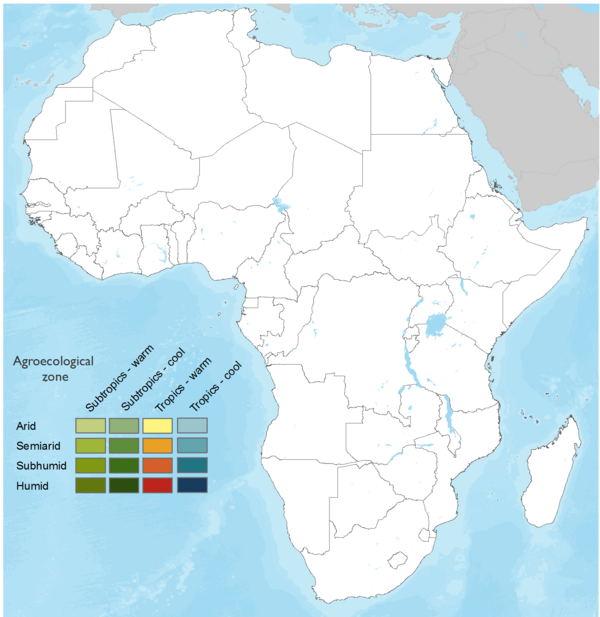
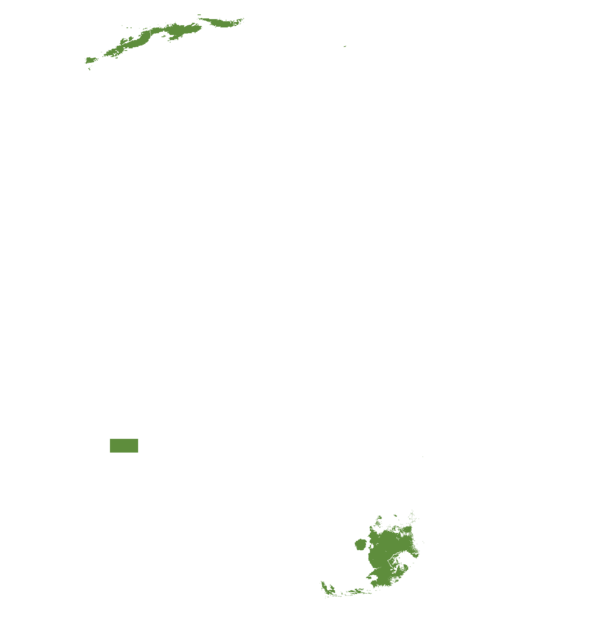
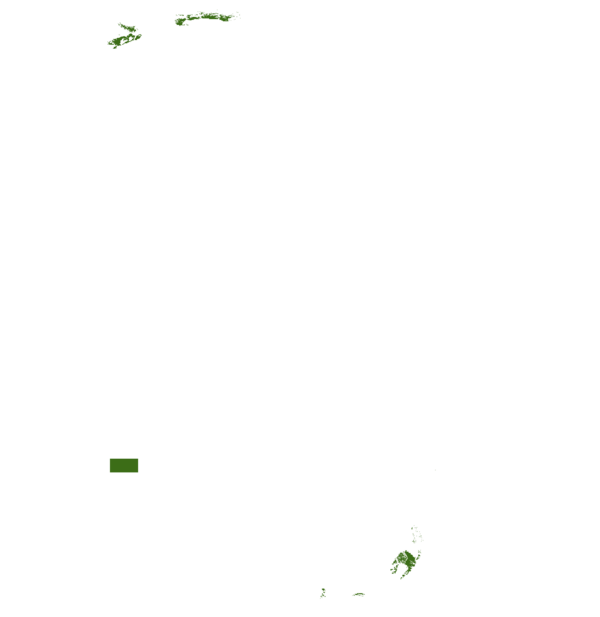
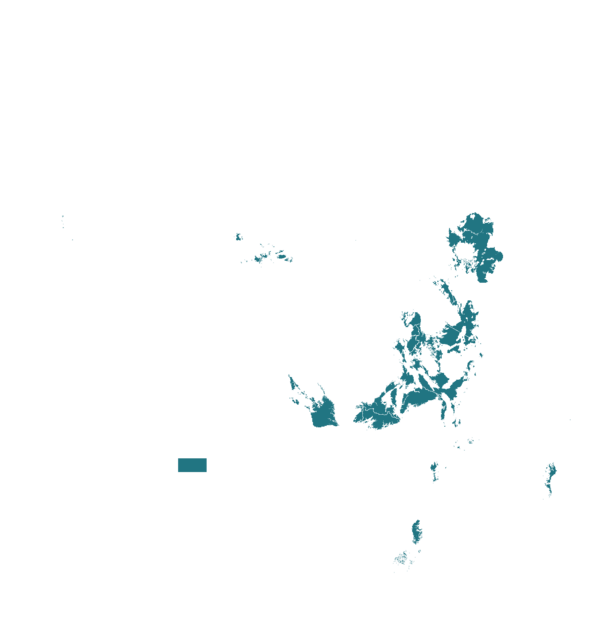
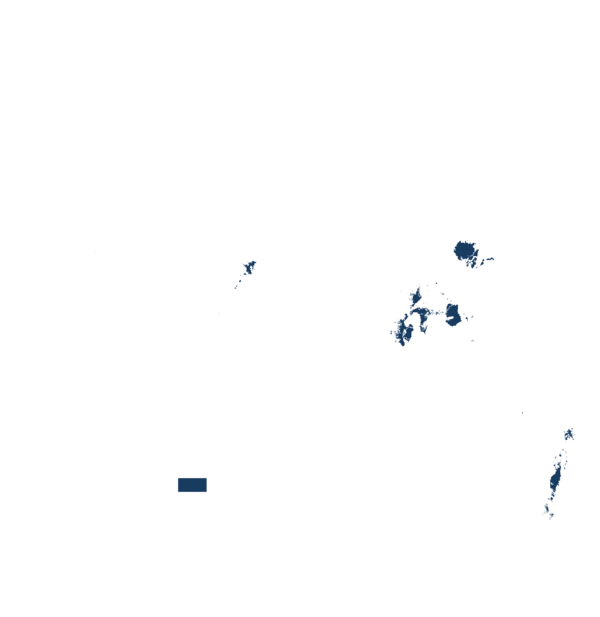
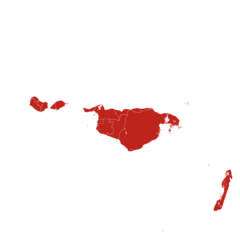
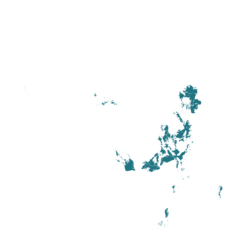
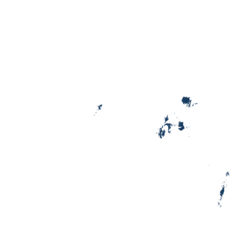
This technology can be used in the colored agro-ecological zones. Any zones shown in white are not suitable for this technology.




| AEZ | Subtropic - warm | Subtropic - cool | Tropic - warm | Tropic - cool |
|---|---|---|---|---|
| Arid | – | – | – | – |
| Semiarid | – | – | ||
| Subhumid | – | – | ||
| Humid |
Source: HarvestChoice/IFPRI 2009
The United Nations Sustainable Development Goals that are applicable to this technology.


Obtain Planting Material:
Planting:
Propagation:
Region:
Application:
Livestock Feed:
Propagation Method:
Planting Technique:
Availability:
Last updated on Sep 9, 2026
This technology can be used in the colored agro-ecological zones.







OFSP: Orange-Fleshed Sweet Potato (High provitamin A)
https://e-catalogs.taat-africa.org/gov/technologies/ofsp-orange-fleshed-sweet-potato-high-provitamin-a
Last updated on 9 September 2026, printed on Oct 15, 2026
Enquiries e-catalogs@taat.africa