TAAT e-catalog
for
government
https://e-catalogs.taat-africa.org/gov/technologies/fair-process-framework-resources-to-implement-the-findable-accessible-interoperable-reusable-data-principles
Comprehensive tools to guide initiatives and organizations in implementing FAIR principles across data-rich agricultural development investments!
The FAIR Process Framework provides governments and development institutions with a structured approach to implementing Findable, Accessible, Interoperable, and Reusable (FAIR) principles in agricultural data management. Designed in collaboration with over 32 global partners, this six-step framework enhances data-driven decision-making, fosters cross-sector collaboration, and maximizes the impact and efficiency of agricultural investments. By ensuring that data is well-organized, accessible, and reusable, it strengthens policy formulation, improves resource allocation, and supports long-term food security strategies.

This technology is validated.
Adults 18 and over: Positive medium
The FAIR Process Framework will improve the accuracy and accessibility of agricultural data to support evidence-based decision-making across multiple stakeholder groups.
The poor: Positive medium
The FAIR Process Framework will improve the accuracy and accessibility of agricultural data to support evidence-based decision-making across multiple stakeholder groups.
Women: Positive medium
The FAIR Process Framework will improve the accuracy and accessibility of agricultural data to support evidence-based decision-making across multiple stakeholder groups.
Farmer climate change readiness: Significant improvement
Applying the FAIR Process Framework to your agricultural development initiatives will improve the accuracy and accessibility of the data to inform climate-friendly farming practices.
Biodiversity: Positive impact on biodiversity
Applying the FAIR Process Framework to your agricultural development initiatives will improve the accuracy and accessibility of the data to inform all relevant stakeholders in the conservation of plants, animals and nature.
Environmental health: Greatly improves environmental health
Applying the FAIR Process Framework to your agricultural development initiatives will improve the accuracy and accessibility of the data to inform users of the data to make evidence-based decisions to improve environmental health.
Soil quality: Improves soil health and fertility
Applying the FAIR Process Framework to your agricultural development initiatives will improve the accuracy and accessibility of the soil data to support the diverse needs of different users to help them make decisions to improve soil health and fertility.
To maximize the impact of agricultural data in projects, the FAIR Process Framework provides a structured yet flexible approach to data management and sharing. This ensures that data is Findable, Accessible, Interoperable, and Reusable (FAIR), leading to better decision-making, improved efficiency, and long-term sustainability.
By embedding the FAIR Process Framework in national projects, governments and institutions can optimize data use, reduce duplication, and strengthen evidence-based policymaking for sustainable agricultural development.
Open source / open access
Scaling Readiness describes how complete a technology's development is and its ability to be scaled. It produces a score that measures a technology's readiness along two axes: the level of maturity of the idea itself, and the level to which the technology has been used so far.
Each axis goes from 0 to 9 where 9 is the “ready-to-scale” status. For each technology profile in the e-catalogs we have documented the scaling readiness status from evidence given by the technology providers. The e-catalogs only showcase technologies for which the scaling readiness score is at least 8 for maturity of the idea and 7 for the level of use.
The graph below represents visually the scaling readiness status for this technology, you can see the label of each level by hovering your mouse cursor on the number.
Read more about scaling readiness ›
Uncontrolled environment: tested
Common use by projects NOT connected to technology provider
| Maturity of the idea | Level of use | |||||||||
| 9 | ||||||||||
| 8 | ||||||||||
| 7 | ||||||||||
| 6 | ||||||||||
| 5 | ||||||||||
| 4 | ||||||||||
| 3 | ||||||||||
| 2 | ||||||||||
| 1 | ||||||||||
| 1 | 2 | 3 | 4 | 5 | 6 | 7 | 8 | 9 | ||
| Country | Testing ongoing | Tested | Adopted |
|---|---|---|---|
| Egypt | Testing ongoing | –Not tested | –Not adopted |
| Ethiopia | –No ongoing testing | Tested | –Not adopted |
| Ghana | –No ongoing testing | Tested | –Not adopted |
| Kenya | Testing ongoing | –Not tested | –Not adopted |
| Malawi | –No ongoing testing | Tested | –Not adopted |
| Rwanda | –No ongoing testing | Tested | –Not adopted |
| Tanzania, United Republic | –No ongoing testing | Tested | –Not adopted |
| Zambia | –No ongoing testing | Tested | –Not adopted |
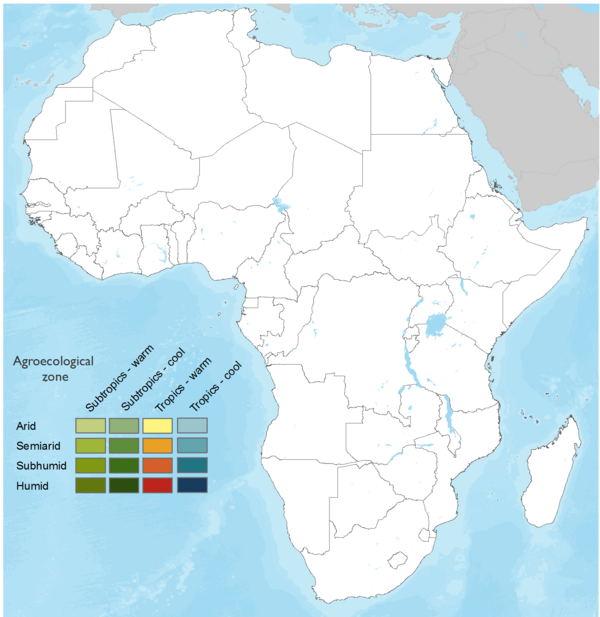
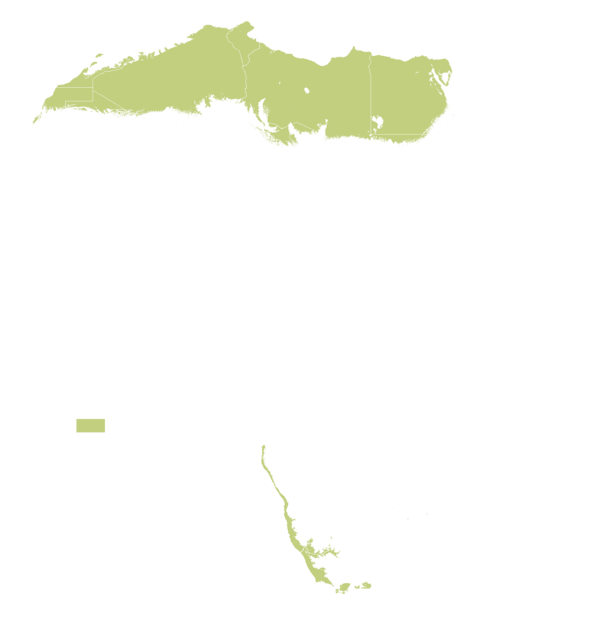
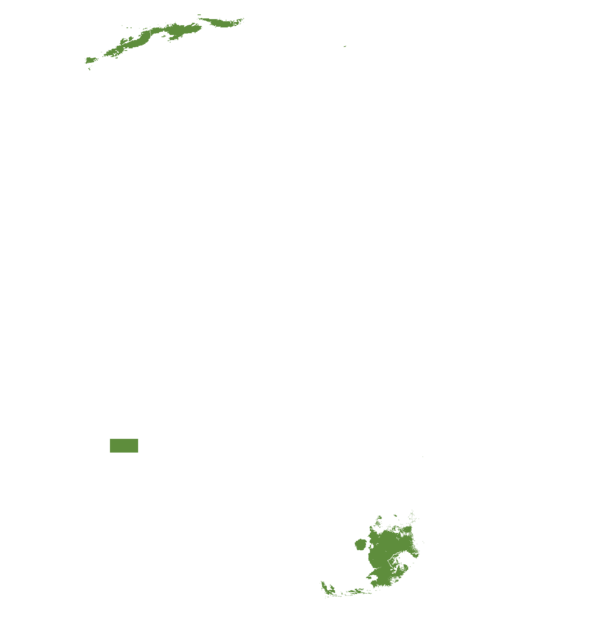
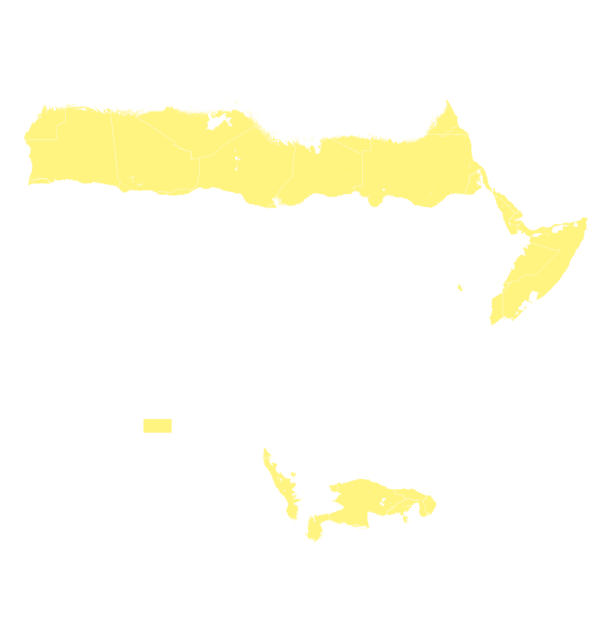
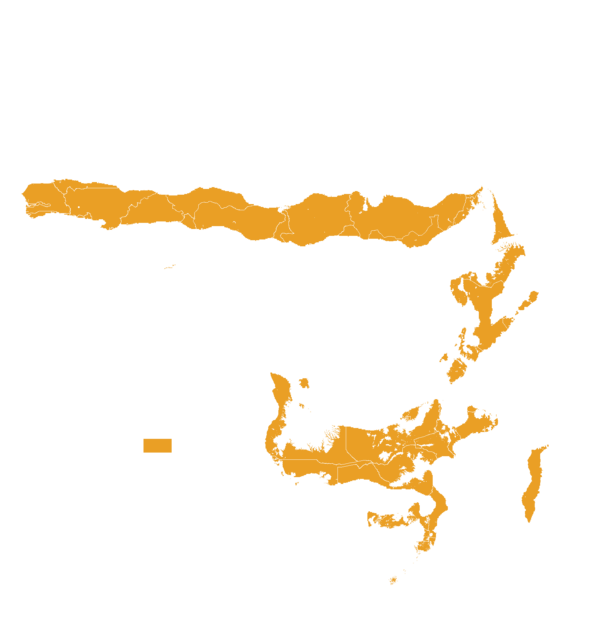
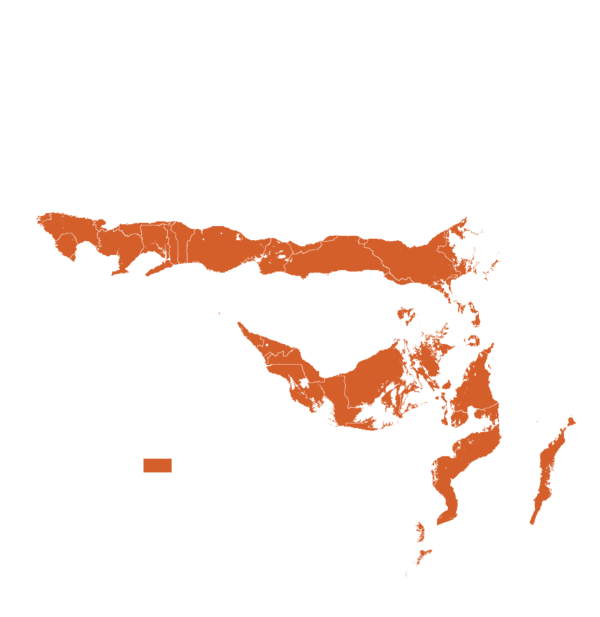
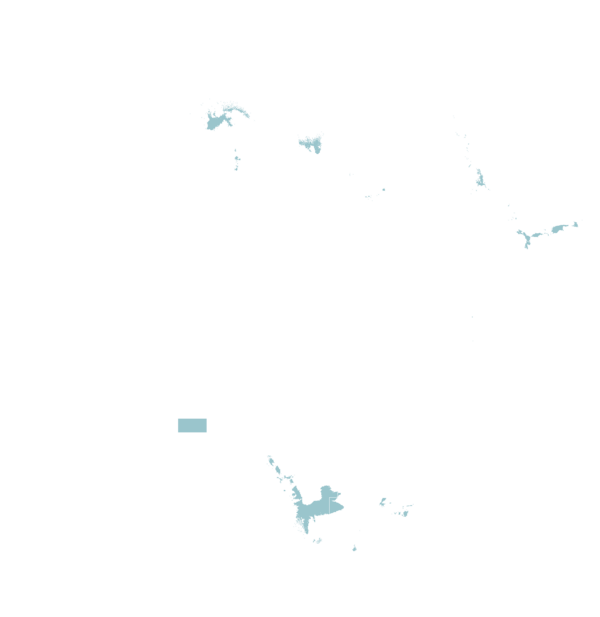
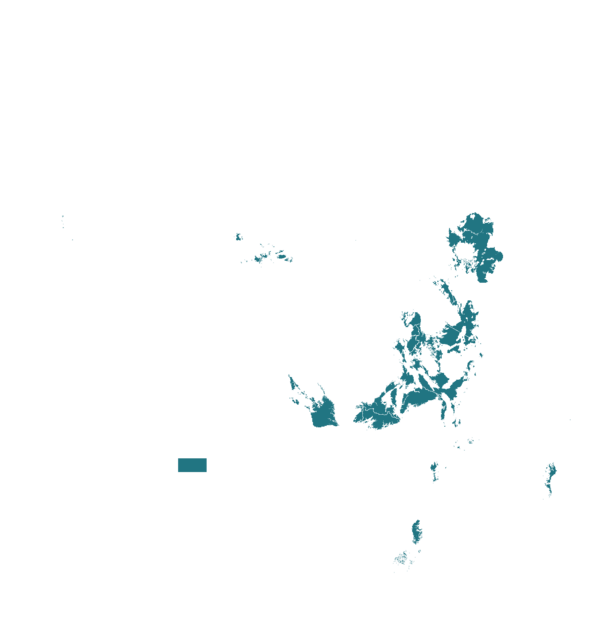
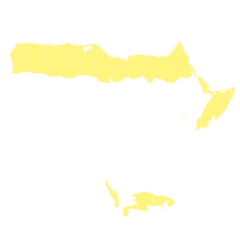
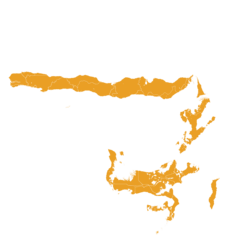
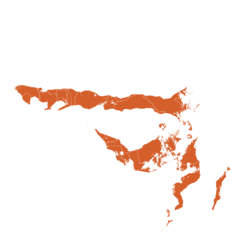
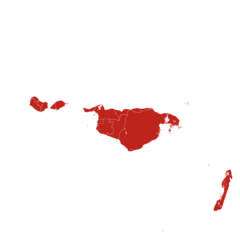
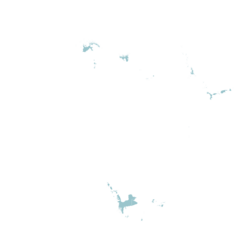
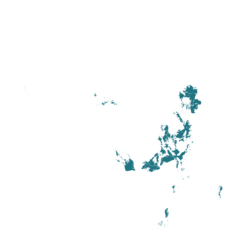
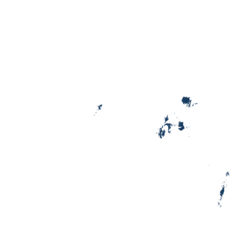
This technology can be used in the colored agro-ecological zones. Any zones shown in white are not suitable for this technology.









| AEZ | Subtropic - warm | Subtropic - cool | Tropic - warm | Tropic - cool |
|---|---|---|---|---|
| Arid | ||||
| Semiarid | ||||
| Subhumid | ||||
| Humid |
Source: HarvestChoice/IFPRI 2009
The United Nations Sustainable Development Goals that are applicable to this technology.
Managing, governing and sharing data responsibly can fast track innovations in the agricultural sector to solve food insecurity.
Managing, governing and sharing data responsibly can fast track innovations in the agricultural sector to improve productivity and contribute to economic growth.

Managing, governing and sharing data responsibly can improve access to agricultural data to inform evidence-based climate action.
Managing, governing and sharing data responsibly can provide greater access to evidence and fast track solutions to conserve life on land.
Developing partnerships is a key element of implementing the FAIR Process Framework, to improve data sharing and data access across agricultural data projects.
1. For New Projects (Concept Note or Proposal Stage)
2. For Ongoing Projects
3. For Any Stage of the Project Life Cycle
4. For Additional Support
Last updated on Sep 21, 2026
This technology can be used in the colored agro-ecological zones.











FAIR Process Framework: Resources to implement the Findable, Accessible, Interoperable & Reusable data principles
https://e-catalogs.taat-africa.org/gov/technologies/fair-process-framework-resources-to-implement-the-findable-accessible-interoperable-reusable-data-principles
Last updated on 21 September 2026, printed on Oct 22, 2026
Enquiries e-catalogs@taat.africa