
TAAT e-catalog
for
private sector
https://e-catalogs.taat-africa.org/com/technologies/turbocrop-field-crop-plant-establishment-biostimulant
Specialized biostimulant for root development and vegetative growth on field crops
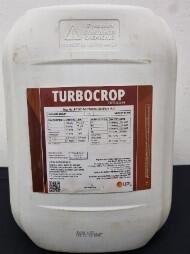
Turbocrop is a specialized biostimulant product designed to enhance the development of roots and promote vegetative growth in crops. It is specifically formulated to improve plants' ability to withstand and cope with abiotic stress factors, such as extreme temperatures, drought, or nutrient deficiencies.
This technology is validated.
Yield increase
Benefit on maize in South Africa
Patent granted
For Manufacturers
Producing Turbocrop technology offers a transformative solution addressing the pressing need for enhanced crop yields, nutrient absorption, and sustainable agricultural practices.
The technology is protected under a license. It's vital to collaborate with the technology provider to secure the required license.
To ensure streamlined production of the input, it's critical to locate reliable suppliers for raw materials.
Your potential customer base comprises wholesale distributors supplying inputs to retailers, along with development projects, government agencies, and NGOs.
Forming strong partnerships with wholesale distributor networks is essential for the prosperity of your business.
For Users
Using this technology offers a safer and more environmentally sustainable alternative to traditional farming practices, minimizing reliance on chemical inputs and promoting ecosystem health.
Given its availability in South Africa, it's essential to factor in delivery expenses and possible import duties.
Regarding cost estimation, the technology is priced at 10-20 USD per ha.
To maximize outcomes, it is advisable to engage in partnerships with agricultural development institutes, fertilizer suppliers, and agricultural service companies for assistance and distribution.
Adults 18 and over: Positive high
The poor: Positive high
Under 18: No impact
Women: Positive high
Climate adaptability: Highly adaptable
Farmer climate change readiness: Significant improvement
Biodiversity: Positive impact on biodiversity
Carbon footprint: A bit less carbon released
Environmental health: Moderately improves environmental health
Water use: Same amount of water used
Soil quality: Not yet estimated
Scaling Readiness describes how complete a technology's development is and its ability to be scaled. It produces a score that measures a technology's readiness along two axes: the level of maturity of the idea itself, and the level to which the technology has been used so far.
Each axis goes from 0 to 9 where 9 is the “ready-to-scale” status. For each technology profile in the e-catalogs we have documented the scaling readiness status from evidence given by the technology providers. The e-catalogs only showcase technologies for which the scaling readiness score is at least 8 for maturity of the idea and 7 for the level of use.
The graph below represents visually the scaling readiness status for this technology, you can see the label of each level by hovering your mouse cursor on the number.
Read more about scaling readiness ›
Uncontrolled environment: validated
Common use by intended users, in the real world
| Maturity of the idea | Level of use | |||||||||
| 9 | ||||||||||
| 8 | ||||||||||
| 7 | ||||||||||
| 6 | ||||||||||
| 5 | ||||||||||
| 4 | ||||||||||
| 3 | ||||||||||
| 2 | ||||||||||
| 1 | ||||||||||
| 1 | 2 | 3 | 4 | 5 | 6 | 7 | 8 | 9 | ||
| Country | Testing ongoing | Tested | Adopted |
|---|---|---|---|
| South Africa | –No ongoing testing | Tested | Adopted |
| Zambia | –No ongoing testing | Tested | Adopted |
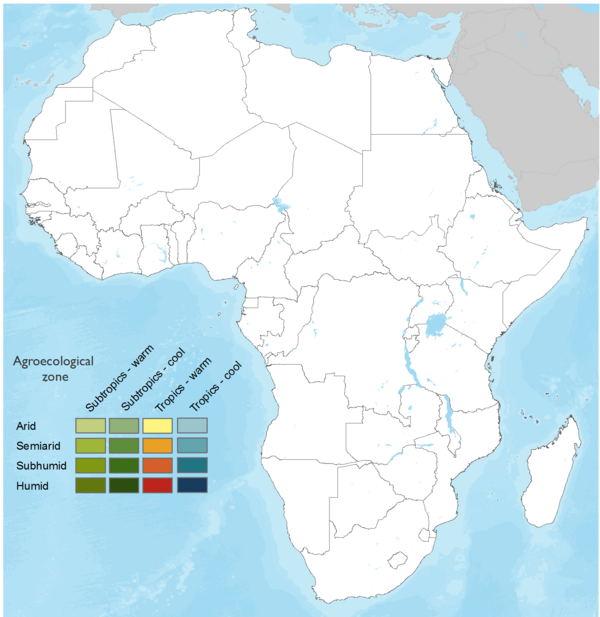
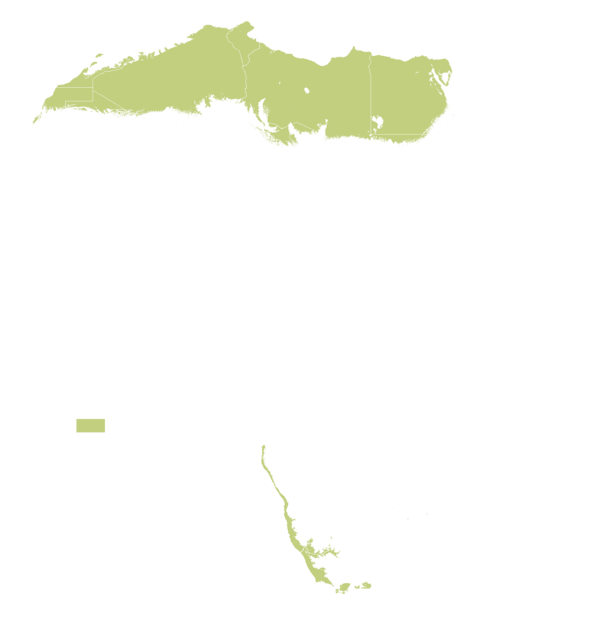
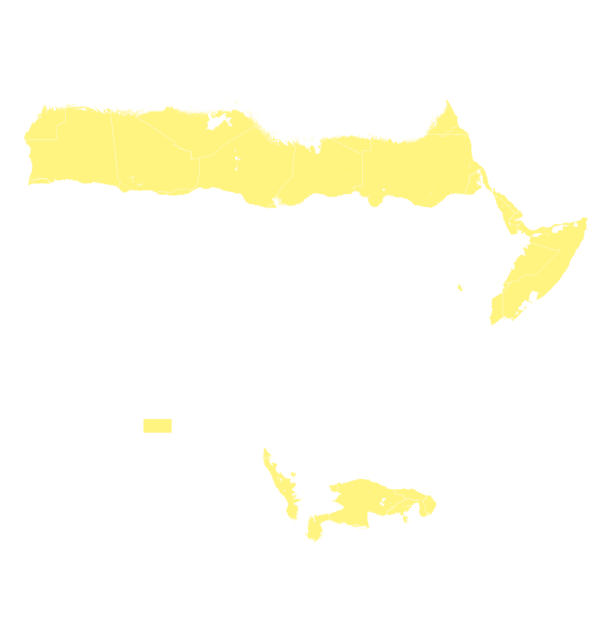
This technology can be used in the colored agro-ecological zones. Any zones shown in white are not suitable for this technology.



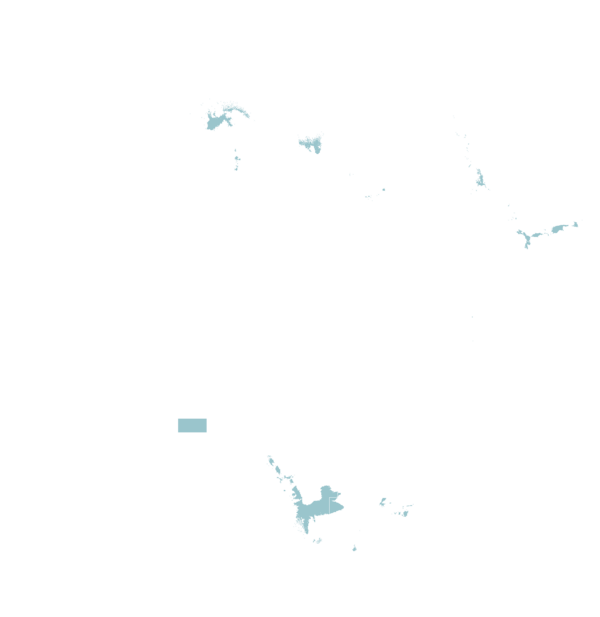
| AEZ | Subtropic - warm | Subtropic - cool | Tropic - warm | Tropic - cool |
|---|---|---|---|---|
| Arid | ||||
| Semiarid | – | – | ||
| Subhumid | – | – | – | – |
| Humid | – | – | – | – |
Source: HarvestChoice/IFPRI 2009
The United Nations Sustainable Development Goals that are applicable to this technology.





Preparation:
Tank Mix:
Application:
Optimal Timing:
Dosage:
Complementary Benefits:
Yield Increase:
Last updated on Sep 30, 2026
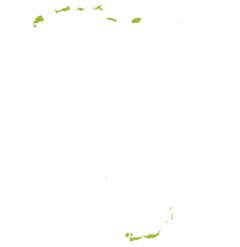
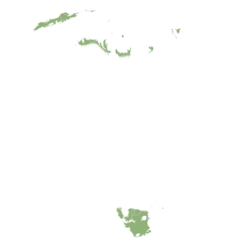
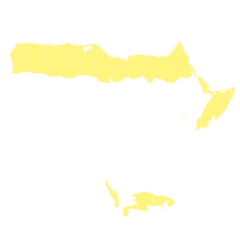
This technology can be used in the colored agro-ecological zones.




Turbocrop: Field crop plant establishment biostimulant
https://e-catalogs.taat-africa.org/com/technologies/turbocrop-field-crop-plant-establishment-biostimulant
Last updated on 30 September 2026, printed on Oct 22, 2026
Enquiries e-catalogs@taat.africa