TAAT e-catalog
for
private sector
https://e-catalogs.taat-africa.org/com/technologies/leaf-bud-cuttings-rapid-yam-multiplication-method
Yam leaf-bud cuttings, rapid quality seed production!
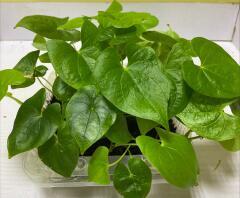
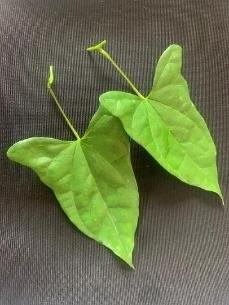
Leaf-bud Cuttings is a rapid multiplication method that uses small segments of yam vines, each with one leaf and a bud, to produce mini seed yam plants in nursery beds. With the right shade, watering, and pest management, these vine cuttings root and grow into planting materials in 16-20 weeks. Unlike traditional propagation that uses large, food-grade tubers (200–1000 g), this method uses materials that would otherwise go unused, maximizing resource use. A single mother plant can produce 100–300 new seed plants. For seed entrepreneurs, this means lower input costs, reduced transport and storage challenges, and a faster turnaround for market-ready seed yam. It’s a business-friendly technology ideal for scaling up production and meeting farmer demand.
This technology is pre-validated.
Open source / open access
The Leaf-bud Cutting (LBC) technology offers a commercially viable, high-return alternative to conventional yam seed systems. By multiplying yam from vine segments at a rate of 1:300, compared to 1:3 using tubers, LBC drastically reduces the volume of seed tubers required—freeing up more of the harvest for the food market. This lowers seed production costs by up to 60%, opens up a scalable agribusiness opportunity, and ensures clean, uniform planting material free of soil-borne pests. With minimal infrastructure needs, LBC enables seed companies, aggregators, and agri-startups to rapidly scale up quality seed yam supply, increase farmer adoption of improved varieties, and grow their footprint in the high-demand yam value chain.
To integrate this technology into your agribusiness model, consider the following key steps:
Adults 18 and over: Positive high
This group is also curious and follows up to see the outcome of the technology. Most of them have a good understanding of yam production and have practised it using tubers, as in the traditional system. Some have collected vines to try out, and others have followed the entire process at the research station or with partners who are practising. Many are eager to produce on a large scale.
The poor: Positive medium
The primary impact on people in this category is through the provision of labour to those who practice the technology.
Under 18: Positive medium
This group is curious and wants to find out if it is possible to produce yams from vines. They lack extensive farming experience, are eager to learn, but lack the resources to establish seed production units.
Women: Positive high
Where the technology is used, more women than men are usually engaged in preparing the LBCs because they are more patient and careful in handling the vines to avoid damage. Some women's groups have shown a strong interest in starting small-scale production. Training and vines will be provided for them to start this season.
Climate adaptability: Highly adaptable
The technology works well in all regions where yam is cultivated, specifically where temperatures range from 22 to 30 °C and rainfall is between 1,000 and 1,400 mm per year. However, due to the short crop duration, the technology will work with less rainfall. Additionally, it works well in controlled conditions where temperature and water supply are regulated.
Farmer climate change readiness: Significant improvement
With seed yam production using LBCs, more seed is produced in a limited area, with potential environmental benefits. The risk of not having seed from a second harvest of a food yam crop due to a shortened rainy season is eliminated.
Biodiversity: Positive impact on biodiversity
In traditional yam cultivation, trees are cut down to provide stakes for the plants. With the LBC technology, the use of trellis, which significantly reduces the quantity of stakes required, is promoted.
Water use: A bit less water used
The traditional method of seed production is completely rainfed. With the LBCs, although water must be applied during the first two weeks of planting, the crop duration is shorter (4-5 months instead of 7-10 months in traditional systems).
Soil quality: Not yet estimated
When organic mulch, such as fermented rice husk, is used, soil improvement occurs; however, the magnitude of this impact has not been evaluated.
Scaling Readiness describes how complete a technology's development is and its ability to be scaled. It produces a score that measures a technology's readiness along two axes: the level of maturity of the idea itself, and the level to which the technology has been used so far.
Each axis goes from 0 to 9 where 9 is the “ready-to-scale” status. For each technology profile in the e-catalogs we have documented the scaling readiness status from evidence given by the technology providers. The e-catalogs only showcase technologies for which the scaling readiness score is at least 8 for maturity of the idea and 7 for the level of use.
The graph below represents visually the scaling readiness status for this technology, you can see the label of each level by hovering your mouse cursor on the number.
Read more about scaling readiness ›
Uncontrolled environment: validated
Common use by projects NOT connected to technology provider
| Maturity of the idea | Level of use | |||||||||
| 9 | ||||||||||
| 8 | ||||||||||
| 7 | ||||||||||
| 6 | ||||||||||
| 5 | ||||||||||
| 4 | ||||||||||
| 3 | ||||||||||
| 2 | ||||||||||
| 1 | ||||||||||
| 1 | 2 | 3 | 4 | 5 | 6 | 7 | 8 | 9 | ||
| Project | Countries | Beneficiaries | Budget (USD) & duration | Key figures |
|---|---|---|---|---|
|
IsDB Root and Tuber IsDB Root and Tuber Value Chains Development Project |
|
|
550.000 Islamic Development Bank (IsDB) 2021-2026 |
|
Figures in italic are from project plans and may change during implementation.
| Country | Testing ongoing | Tested | Adopted |
|---|---|---|---|
| Ghana | –No ongoing testing | Tested | Adopted |
| Nigeria | –No ongoing testing | Tested | Adopted |
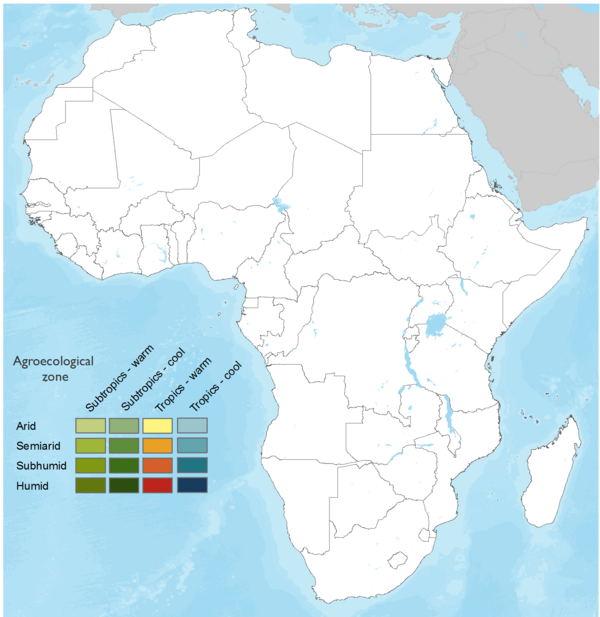
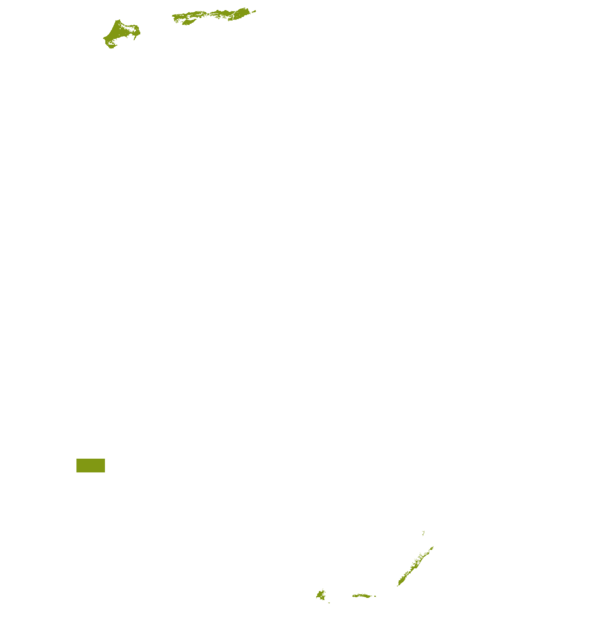
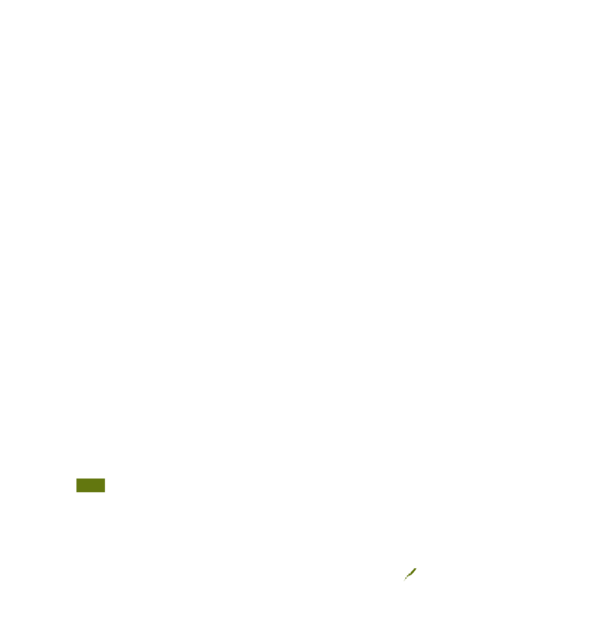
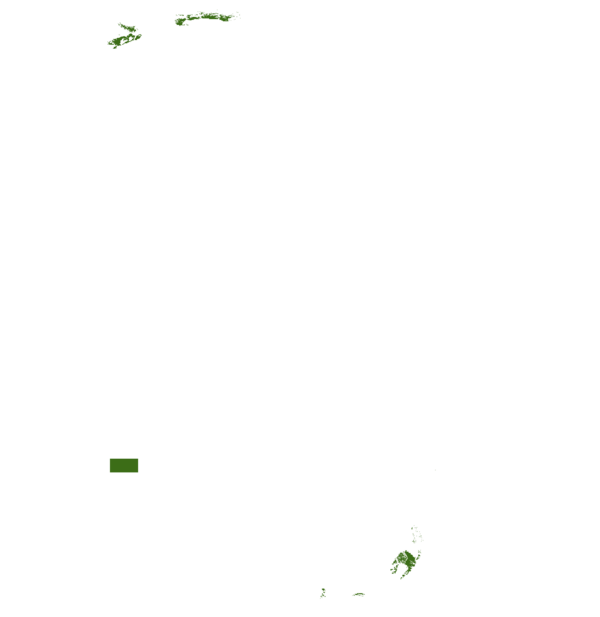
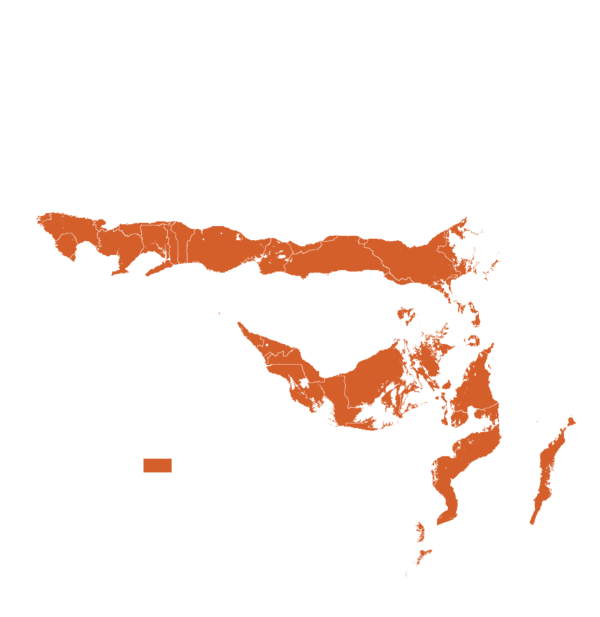
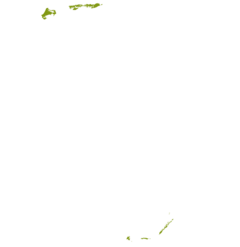
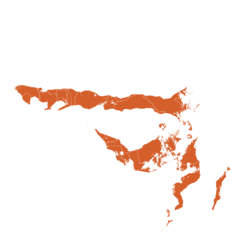
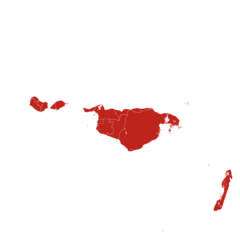
This technology can be used in the colored agro-ecological zones. Any zones shown in white are not suitable for this technology.


| AEZ | Subtropic - warm | Subtropic - cool | Tropic - warm | Tropic - cool |
|---|---|---|---|---|
| Arid | – | – | – | – |
| Semiarid | – | – | – | – |
| Subhumid | – | |||
| Humid | – |
Source: HarvestChoice/IFPRI 2009
The United Nations Sustainable Development Goals that are applicable to this technology.
The technology enhances the production and productivity of yam seeds, leading to increased yam yields and more food.
In scaling the technology, women and youths are targeted because they can fit easily into the niche of seed production, which is simple and does not require much capital, especially land.

Its increases yam production and food availability.
Its promotes efficient use of planting material and reduces waste.
Last updated on Sep 30, 2026
This technology can be used in the colored agro-ecological zones.





Leaf-bud Cuttings: Rapid Yam Multiplication Method
https://e-catalogs.taat-africa.org/com/technologies/leaf-bud-cuttings-rapid-yam-multiplication-method
Last updated on 30 September 2026, printed on Oct 24, 2026
Enquiries e-catalogs@taat.africa