TAAT e-catalog
for
private sector
https://e-catalogs.taat-africa.org/com/technologies/innovation-platforms-for-facilitating-in-livestock-vaccination
Bringing farmers, vets, and institutions together to scale livestock vaccination!
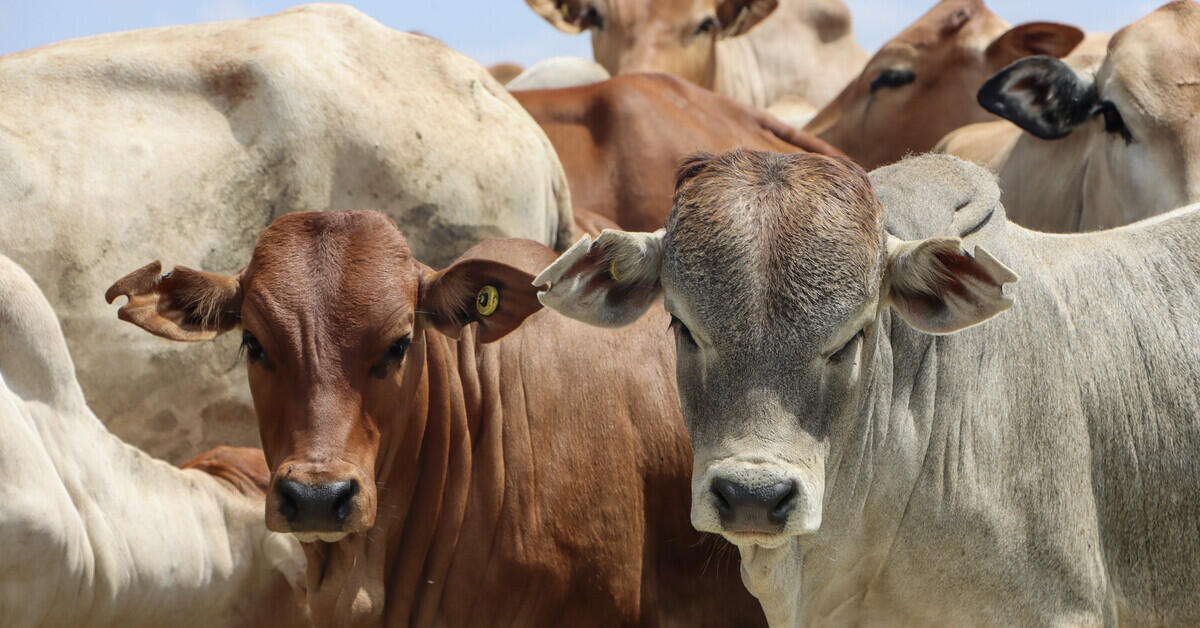
Innovation Platforms (IPs) provide a practical coordination space where private veterinarians, vaccine producers, and distributors work directly with farmers, public veterinary services, and local leaders to organize vaccination campaigns. They help structure demand, improve last-mile delivery, and reduce uncertainties in planning, logistics, and outreach. By building trust with farmers and aligning supply with real demand, IPs enable private actors to deliver services more efficiently, expand their customer base, and grow sustainable animal health businesses.
This technology is pre-validated.
Open source / open access
How private actors can use Innovation Platforms (IPs) to access and grow their market:
|
Target Groups |
Positive Impacts |
|
Women in informal livestock market activities |
|
|
Youth and young livestock entrepreneurs in remote and hard-to-reach communities |
|
|
Pastoralists and transhumant herders from low-income and resource-constrained households |
|
Climate adaptability: Highly adaptable
strengthen resilience to climate change through improvement of herd productivity resulting in increased farmer incomes and nutrition.
Farmer climate change readiness: Moderate improvement
healthy animals emit less greenhouse gas
Biodiversity: Positive impact on biodiversity
health animals will provide essential services such as pollination, and soil productivity, which are crucial for maintaining biodiversity and ecosystem health.
Carbon footprint: Much less carbon released
healthy animals emit less greenhouse gas
Environmental health: Greatly improves environmental health
health animals make less waste and less spread of disease through the environment
Soil quality: Does not affect soil health and fertility
healthy animals will adopt optimum grazing which enhance soil health by recycling nutrients, enriching the soil, and providing ecosystem services such as soil stabilization and carbon sequestration.
Water use: Same amount of water used
health animals pollute water less and contribute to quality of water accessible to them for their health, growth rates, and overall productivity.
Scaling Readiness describes how complete a technology's development is and its ability to be scaled. It produces a score that measures a technology's readiness along two axes: the level of maturity of the idea itself, and the level to which the technology has been used so far.
Each axis goes from 0 to 9 where 9 is the “ready-to-scale” status. For each technology profile in the e-catalogs we have documented the scaling readiness status from evidence given by the technology providers. The e-catalogs only showcase technologies for which the scaling readiness score is at least 8 for maturity of the idea and 7 for the level of use.
The graph below represents visually the scaling readiness status for this technology, you can see the label of each level by hovering your mouse cursor on the number.
Read more about scaling readiness ›
Uncontrolled environment: validated
Used by some intended users, in the real world
| Maturity of the idea | Level of use | |||||||||
| 9 | ||||||||||
| 8 | ||||||||||
| 7 | ||||||||||
| 6 | ||||||||||
| 5 | ||||||||||
| 4 | ||||||||||
| 3 | ||||||||||
| 2 | ||||||||||
| 1 | ||||||||||
| 1 | 2 | 3 | 4 | 5 | 6 | 7 | 8 | 9 | ||
|
Target Groups |
Positive Impacts |
|
Women in informal livestock market activities |
|
|
Youth and young livestock entrepreneurs in remote and hard-to-reach communities |
|
|
Pastoralists and transhumant herders from low-income and resource-constrained households |
|
|
Target Groups |
Unintended Impacts |
Mitigation Measures |
|
Women in informal livestock market activities |
|
|
|
Youth and young livestock entrepreneurs in remote and hard-to-reach communities |
|
|
|
Pastoralists and transhumant herders from low-income and resource-constrained households |
|
|
|
Target Groups |
Barriers to adoption |
Mitigation Measures |
|
Women in informal livestock market activities |
|
|
|
Youth and young livestock entrepreneurs in remote and hard-to-reach communities |
Limited capital and assets to engage in service delivery; Weak networks and low credibility with established actors; High costs of accessing markets and services due to distance; Limited technical skills. |
|
|
Pastoralists and transhumant herders from low-income and resource-constrained households |
|
|
| Country | Testing ongoing | Tested | Adopted |
|---|---|---|---|
| Mali | –No ongoing testing | –Not tested | Adopted |
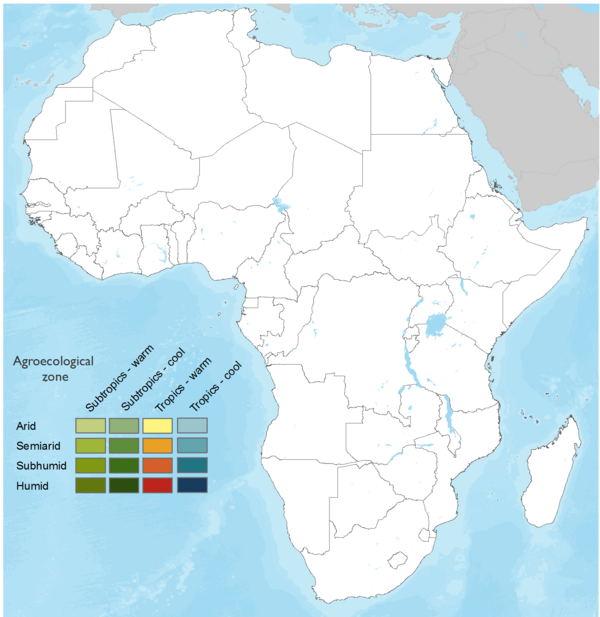
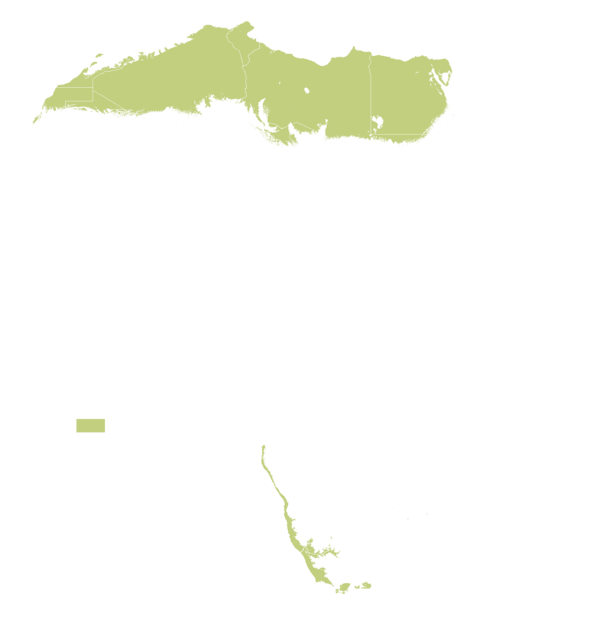
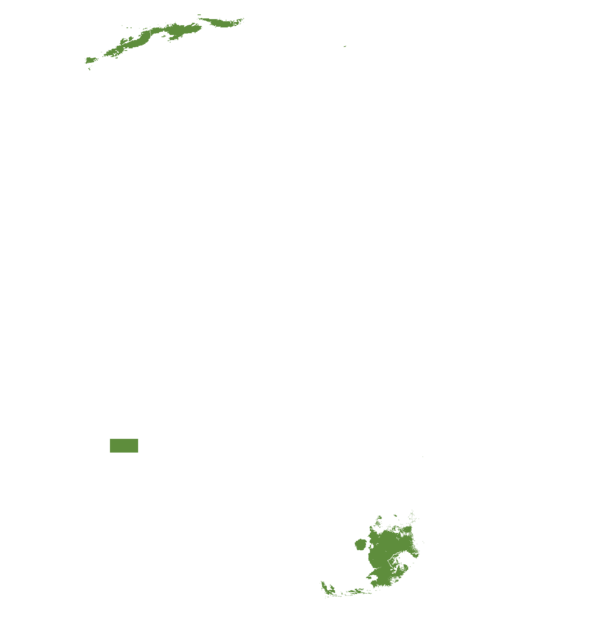
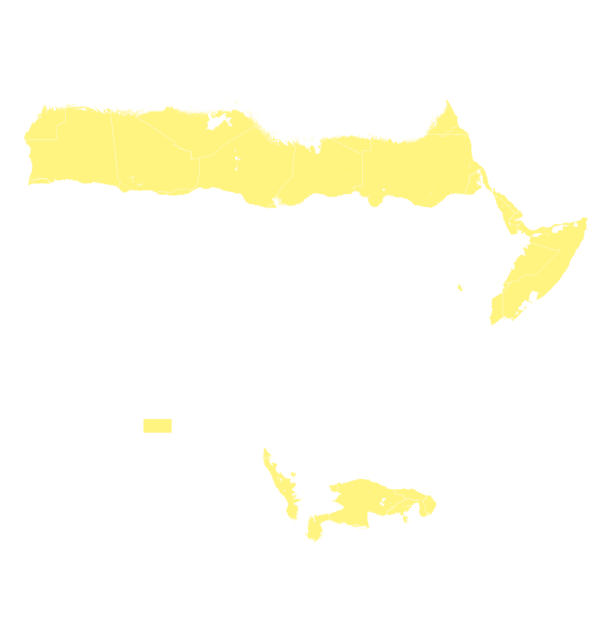
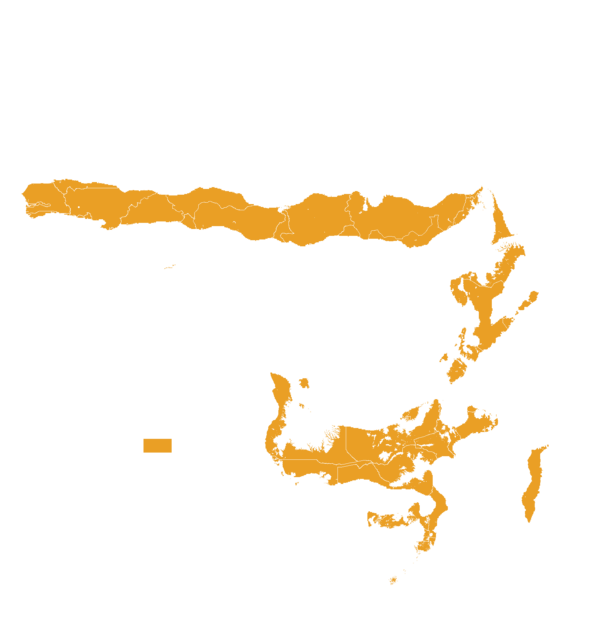
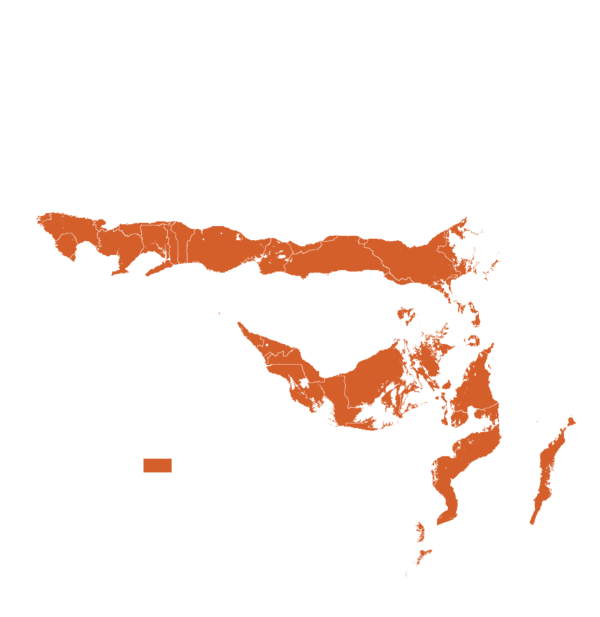
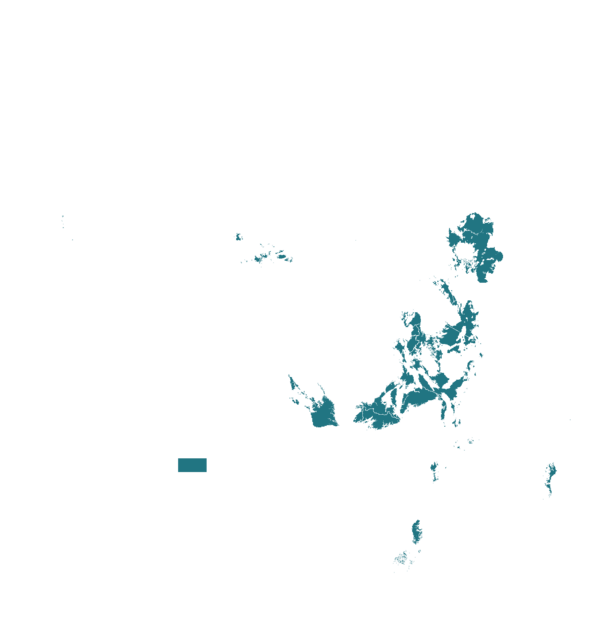
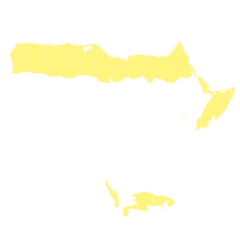
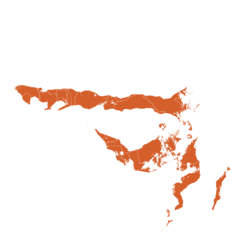
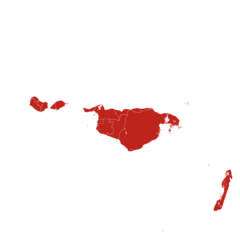
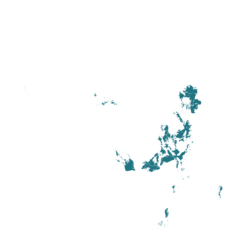
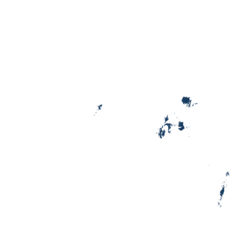
This technology can be used in the colored agro-ecological zones. Any zones shown in white are not suitable for this technology.










| AEZ | Subtropic - warm | Subtropic - cool | Tropic - warm | Tropic - cool |
|---|---|---|---|---|
| Arid | ||||
| Semiarid | ||||
| Subhumid | ||||
| Humid |
Source: HarvestChoice/IFPRI 2009
The United Nations Sustainable Development Goals that are applicable to this technology.
Improves livestock health and productivity through higher vaccination coverage, increasing the availability of animal-source foods and strengthening food security.
Strengthens animal health service delivery and disease prevention systems, reducing the burden of endemic livestock diseases.
Increases women’s participation in vaccination programs and local decision-making, improving their access to animal health services and economic opportunities.
Builds effective public–private–community partnerships to plan and deliver livestock vaccination at scale.
Step 1 – Select the territory (commune)
Choose a commune (urban or rural) as the coordination unit, covering several villages.
Step 2 – Map key actors
Identify all actors in the livestock vaccination system:
farmers, private veterinarians, vaccine suppliers, public veterinary services, traders, processors, financial institutions, NGOs, community leaders.
Step 3 – Organize a 2-day setup workshop
Hold a 2-day workshop in each commune to:
Step 4 – Form the IP steering committee
Elect a small leadership team: coordinator, secretary, treasurer, communication lead.
Ensure women are represented (at least two leadership positions).
Step 5 – Train IP leaders and facilitators
Train steering committee members on governance, leadership, and coordination.
Train local facilitators to run meetings and support dialogue between actors.
Step 6 – Plan joint actions
Develop a simple work plan for vaccination campaigns:
roles, timelines, community mobilization, logistics, and follow-up.
Step 7 – Hold regular coordination meetings
Meet regularly (about once per month) to:
review progress, solve problems, and adjust plans.
Step 8 – Build capacities continuously
Provide ongoing training to IP members on:
vaccination planning, community engagement, data collection, and coordination.
Step 9 – Monitor and document results
Record meetings, activities, and vaccination outcomes.
Collect basic data on participation and coverage.
Step 10 – Review and improve annually
Hold an annual planning and review workshop with all actors to:
share results, identify gaps, and update the action plan for the next year.
Last updated on Sep 9, 2026
This technology can be used in the colored agro-ecological zones.













Innovation Platforms for facilitating in Livestock vaccination
https://e-catalogs.taat-africa.org/com/technologies/innovation-platforms-for-facilitating-in-livestock-vaccination
Last updated on 9 September 2026, printed on Oct 22, 2026
Enquiries e-catalogs@taat.africa