
TAAT e-catalog
for
private sector
https://e-catalogs.taat-africa.org/com/technologies/feserwam-fertilizer-and-seed-recommendations-map-for-west-africa
FeSeRWAM, Smart Recommendations to Optimize Your Farming Practices!
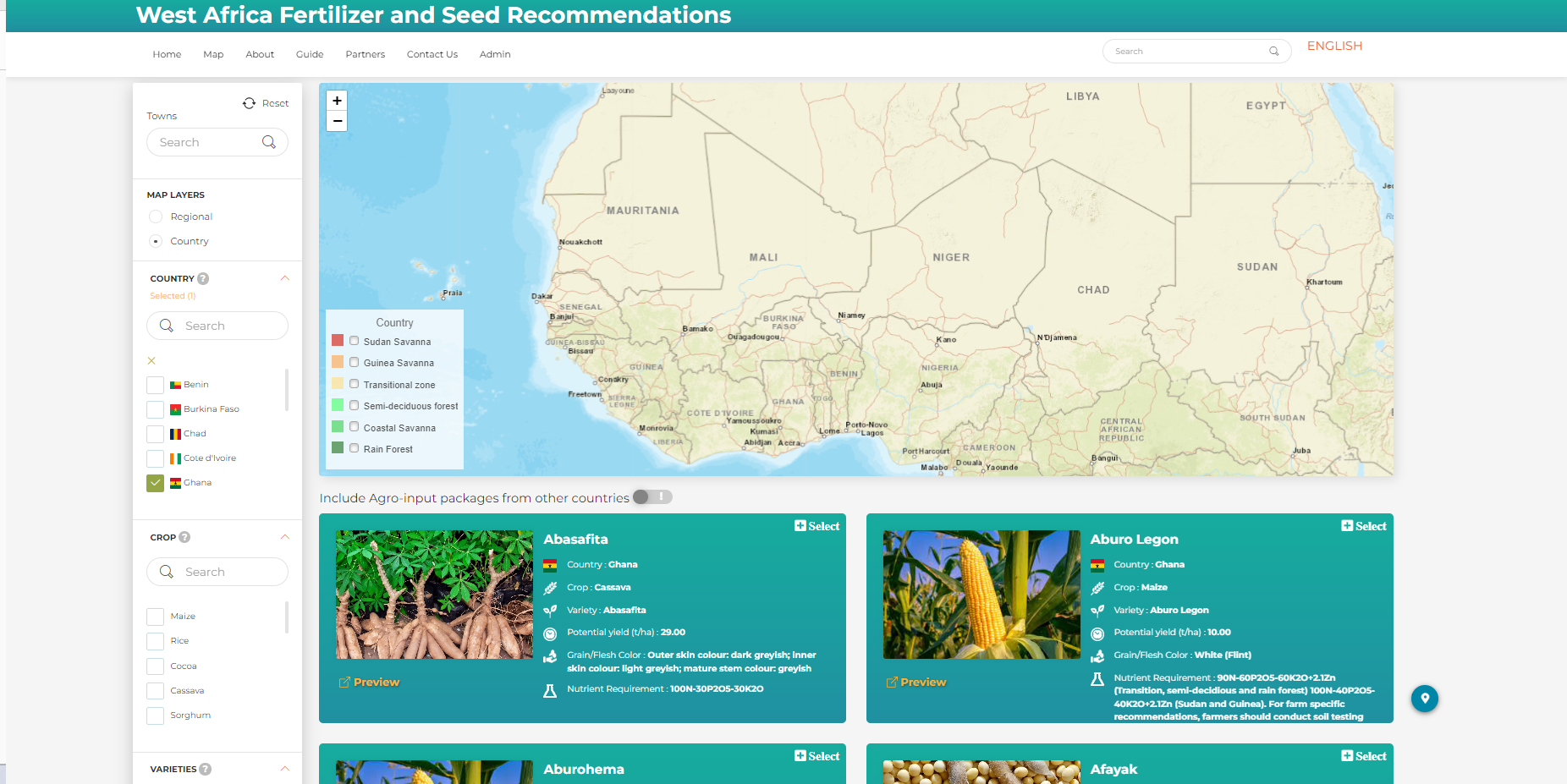
FeSeRWAM is a digital platform used throughout West Africa, as well as in Mauritania and Chad, to help agribusinesses identify the seeds, fertilizers, and agricultural practices best suited to different crops and production conditions. FeSeRWAM is a product of the collaboration between the International Fertilizer Development Center (IFDC) and the West and Central African Council for Agricultural Research and Development (CORAF) with support from other regional and national public and private sector partners. Agricultural product distributors, seed companies, fertilizer blenders, and agricultural service providers can search by country, agroecological zone, locality, crop, and variety to access agricultural inputs that meet their customers’ needs. The platform brings together recommendations on improved seed varieties, appropriate fertilizer , and good agricultural practices tailored for specific agroecological zone. Users can view these recommendations online or download them in PDF format to facilitate advisory services, business planning, and customer engagement.
This technology is pre-validated.
Site-specific agricultural input packages combining improved seed varieties, fertilizer recommendations, and good agricultural practices.
Improved crop varieties available through the platform for different crops and agroecological conditions.
Site-specific fertilizer recommendations developed to improve nutrient management and crop productivity.
Crop-specific recommendations available through the FeSeRWAM platform.
Unknown
FeSeRWAM provides private sector actors with a digital platform to improve agricultural advisory services and support specific crop management. By delivering tailored recommendations on improved seed varieties, appropriate fertilizers, and good agricultural practices, the platform helps users make better production decisions and expand access to quality advisory services.
End User
The platform is designed for smallholder farmers, including farmer groups, cooperatives, and commercial farmers who use specific recommendations to improve crop management and productivity.
Distributor / Service Provider
FeSeRWAM also supports ago-dealers, digital service providers, and extension businesses that deliver agricultural advisory services and facilitate farmers' access to specific recommendations.
| Target Groups | Positive Impacts |
| Women smallholder farmers and women engaged in agricultural production |
|
| Youth and young agricultural entrepreneurs |
|
| Smallholder farmers in remote and low connectivity areas |
|
| Farmer groups and agricultural producers |
|
Climate adaptability: Highly adaptable
FeSeRWAM is designed for multiple countries, agroecological zones, and farming conditions across West Africa.
Farmer climate change readiness: Significant improvement
FeSeRWAM helps farmers and advisors select recommendations that match local farming conditions, supporting adaptation to different production conditions.
Biodiversity: Positive impact on biodiversity
More appropriate input use and better crop management can indirectly support biodiversity. However, no direct evidence of biodiversity impact was identified.
Carbon footprint: Much less carbon released
As a digital advisory platform, FeSeRWAM can reduce travel for technical advice and support more efficient input use. However, no quantified evidence of carbon emission reductions was identified.
Environmental health: Moderately improves environmental health
Better matching of seeds, fertilizers, and farming practices can reduce inappropriate input use. However, the environmental benefits depend on adoption and proper implementation.
Soil quality: Improves soil health and fertility
Site-specific fertilizer recommendations and soil information support better soil fertility management. However, the benefits depend on proper implementation.
Water use: Much less water used
FeSeRWAM includes water harvesting techniques and good agricultural practices that support better water use. However, the impact depends on implementation.
Scaling Readiness describes how complete a technology's development is and its ability to be scaled. It produces a score that measures a technology's readiness along two axes: the level of maturity of the idea itself, and the level to which the technology has been used so far.
Each axis goes from 0 to 9 where 9 is the “ready-to-scale” status. For each technology profile in the e-catalogs we have documented the scaling readiness status from evidence given by the technology providers. The e-catalogs only showcase technologies for which the scaling readiness score is at least 8 for maturity of the idea and 7 for the level of use.
The graph below represents visually the scaling readiness status for this technology, you can see the label of each level by hovering your mouse cursor on the number.
Read more about scaling readiness ›
Uncontrolled environment: tested
Common use by intended users, in the real world
| Maturity of the idea | Level of use | |||||||||
| 9 | ||||||||||
| 8 | ||||||||||
| 7 | ||||||||||
| 6 | ||||||||||
| 5 | ||||||||||
| 4 | ||||||||||
| 3 | ||||||||||
| 2 | ||||||||||
| 1 | ||||||||||
| 1 | 2 | 3 | 4 | 5 | 6 | 7 | 8 | 9 | ||
| Target Groups | Positive Impacts |
| Women smallholder farmers and women engaged in agricultural production |
|
| Youth and young agricultural entrepreneurs |
|
| Smallholder farmers in remote and low connectivity areas |
|
| Farmer groups and agricultural producers |
|
| Target Groups | Unintended Impacts | Mitigation Measures |
|---|---|---|
| Women smallholder farmers and women engaged in agricultural production |
|
|
| Youth and young agricultural entrepreneurs |
|
|
| Smallholder farmers in remote and low connectivity areas |
|
|
| Farmers with limited digital literacy |
|
|
| Target Groups | Barriers to Adoption | Mitigation Measures |
|---|---|---|
| Women smallholder farmers and women engaged in agricultural production |
|
|
| Youth and young agricultural entrepreneurs |
|
|
| Smallholder farmers in remote and low connectivity areas |
|
|
| Farmers with low digital literacy |
|
|
| Country | Testing ongoing | Tested | Adopted |
|---|---|---|---|
| Benin | –No ongoing testing | Tested | Adopted |
| Burkina Faso | –No ongoing testing | Tested | Adopted |
| Côte d’Ivoire | –No ongoing testing | Tested | Adopted |
| Ghana | –No ongoing testing | Tested | Adopted |
| Mali | –No ongoing testing | Tested | Adopted |
| Niger | –No ongoing testing | –Not tested | Adopted |
| Nigeria | –No ongoing testing | Tested | Adopted |
| Togo | –No ongoing testing | Tested | Adopted |
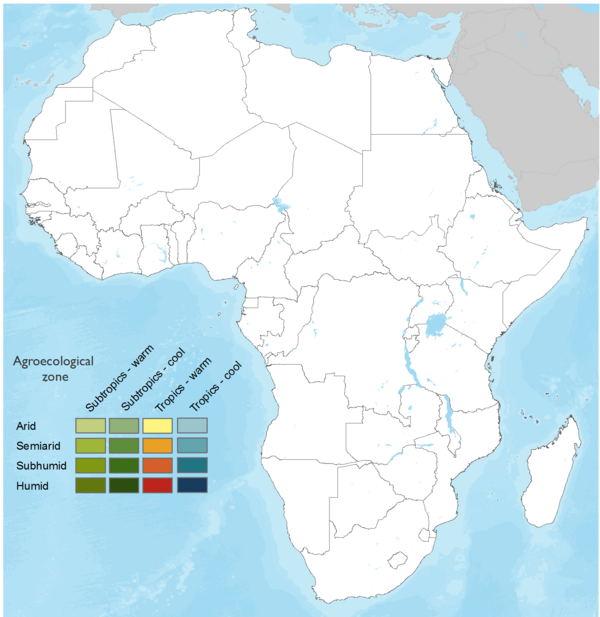
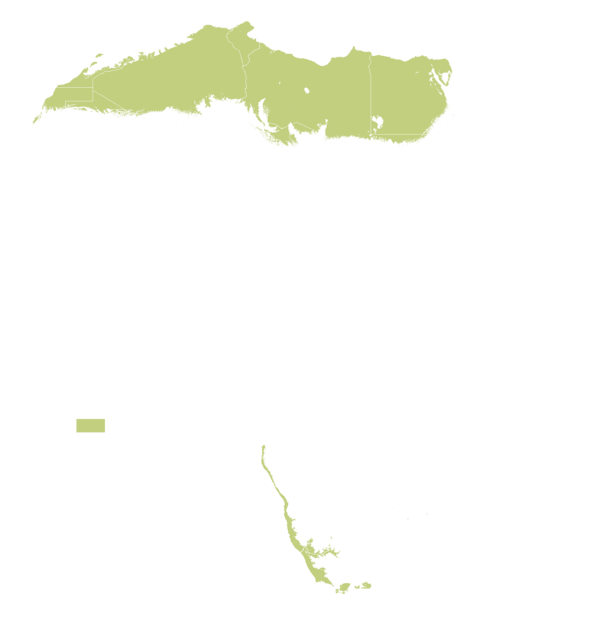
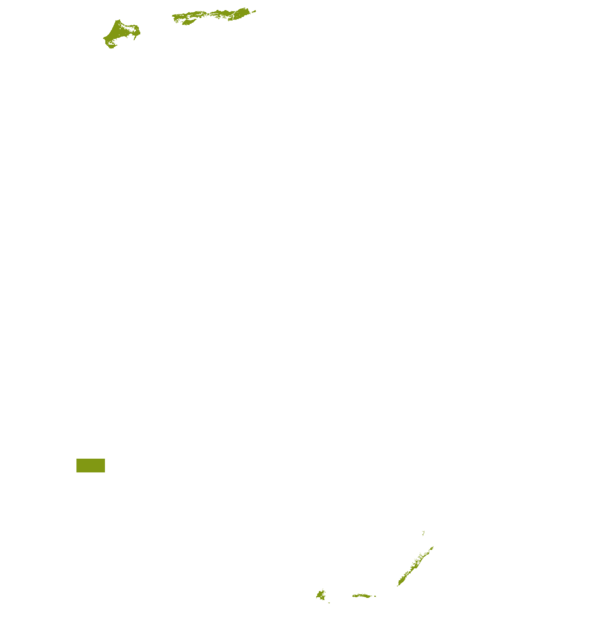
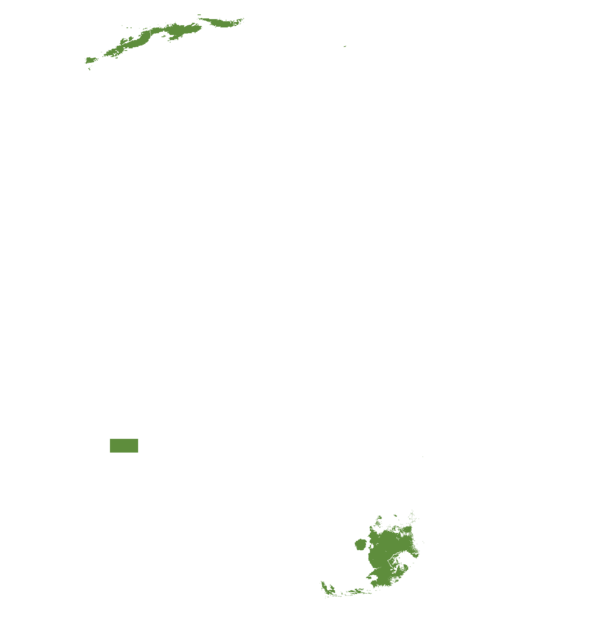
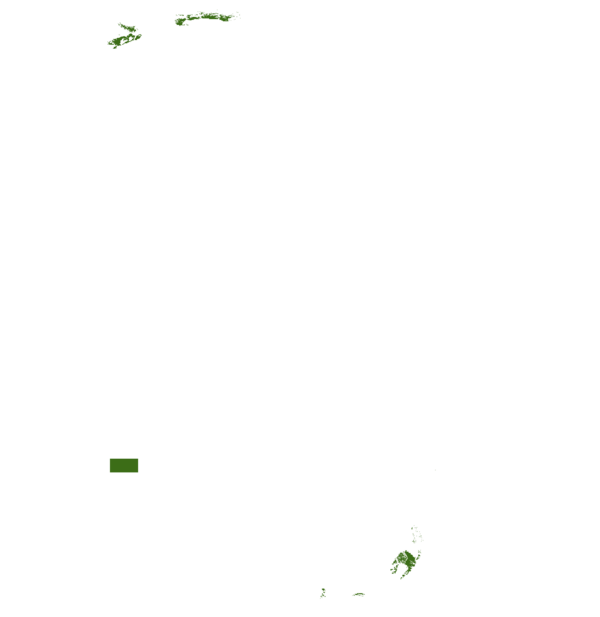
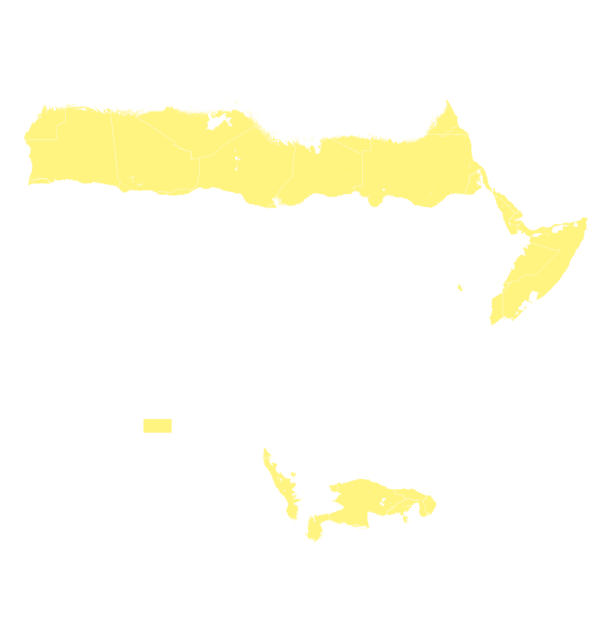
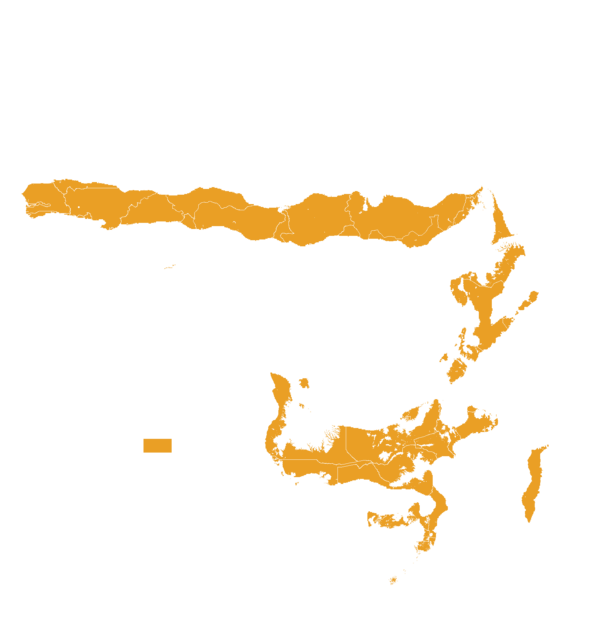
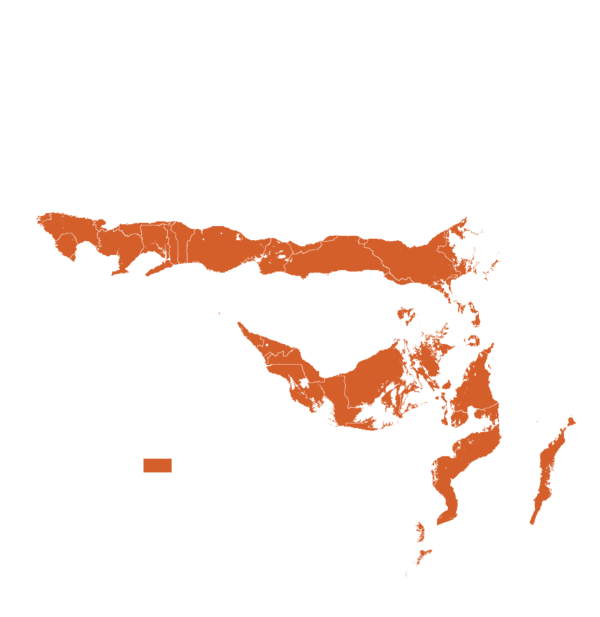
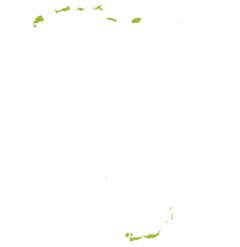
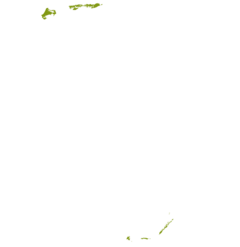
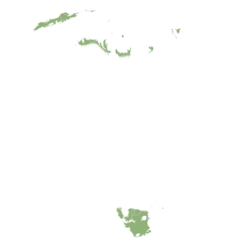
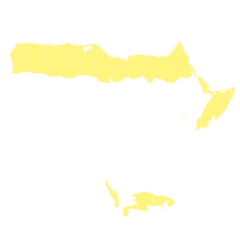
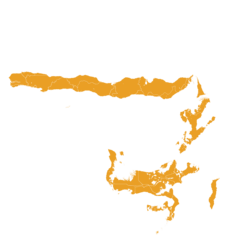
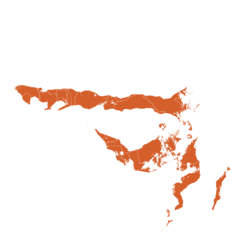
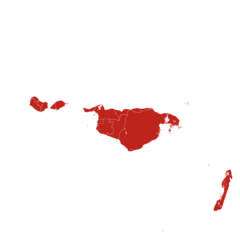
This technology can be used in the colored agro-ecological zones. Any zones shown in white are not suitable for this technology.





| AEZ | Subtropic - warm | Subtropic - cool | Tropic - warm | Tropic - cool |
|---|---|---|---|---|
| Arid | – | |||
| Semiarid | – | |||
| Subhumid | – | |||
| Humid | – |
Source: HarvestChoice/IFPRI 2009
The United Nations Sustainable Development Goals that are applicable to this technology.
FeSeRWAM helps farmers choose appropriate seeds, fertilizers, and good agricultural practices for local conditions, improving agricultural productivity and supporting food security.
The platform promotes more efficient and site-specific use of agricultural inputs, helping reduce inappropriate fertilizer use and supporting more sustainable farming practices.
By providing recommendations adapted to local agroecological conditions, FeSeRWAM supports climate-smart agricultural practices and helps farmers adapt to climate variability.
Better input management and improved farming practices can contribute to healthier soils and reduce pressure on natural ecosystems through more sustainable land management.
Key recommendations
Step 1 – Access the platform
Open the FeSeRWAM website (https://feserwam.org). Select your preferred language. From the navigation menu, click "Map" to open the platform. If the country has not been selected by default, choose the country where the crop will be grown.
Step 2 – Enter location and field information
Select the agroecological zone, town, or specific location.. Then select the crop and variety. Where available, review additional crop information such as the local name, seed rate, grain color, and planting spacing.
Step 3 – Review the recommendations
Review the recommended seed variety, fertilizer type, nutrient recommendation, application rate, application timing, application method, and good agricultural practices generated by the platform.
Step 4 – Download and use the agricultural input package
Download the agricultural input package as a PDF file. Use the package to support farmer advisory services, training, agricultural planning, and decision-making by farmers, agro-dealers, extension agents, fertilizer blenders, and policymakers.
Last updated on Sep 9, 2026
This technology can be used in the colored agro-ecological zones.







FeSeRWAM: Fertilizer and Seed Recommendations Map for West Africa
https://e-catalogs.taat-africa.org/com/technologies/feserwam-fertilizer-and-seed-recommendations-map-for-west-africa
Last updated on 9 September 2026, printed on Oct 13, 2026
Enquiries e-catalogs@taat.africa