TAAT e-catalog
for
private sector
https://e-catalogs.taat-africa.org/com/technologies/cops-community-of-practices-for-climate-advisory-services-in-livestock
Turning climate information into coordinated action for resilient livestock systems
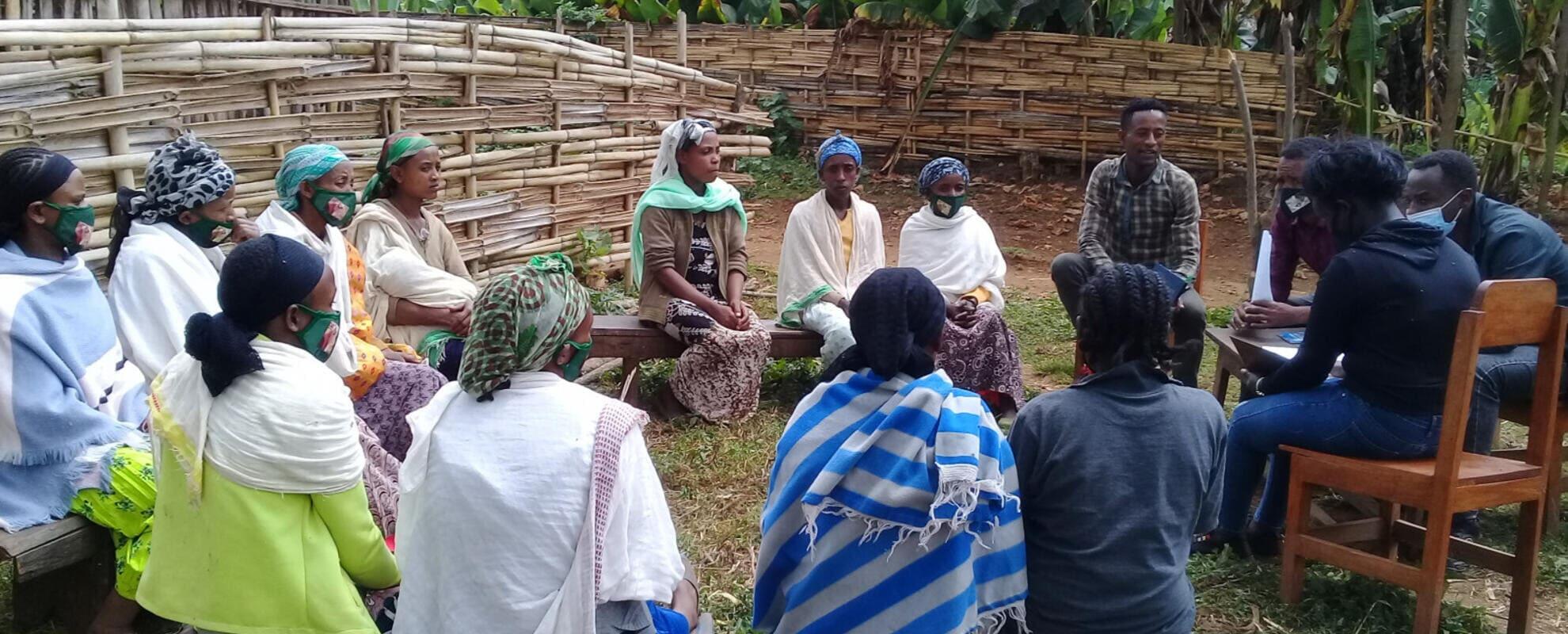
The Community of Practice (CoP) is an innovative multi-stakeholder platform bringing together national and technical institutions that regularly interact to ensure coordinated governance of Climate Information Services for agro-pastoral systems. It provides a formal mechanism for consolidating expertise, sharing institutional priorities, and producing harmonized agro-climatic advisories for agro-pastoralists facing climate change. Through both digital and in-person collaboration, the CoP strengthens national coherence, improves policy-relevant climate decision-support, and supports resilient rural development.
This technology is pre-validated.
No formal IP rights
For Breeder:
The Community of Practice (CoP) is a system that brings together experts and institutions to provide simple, trusted, and timely climate and livestock advice that helps you protect your animals, manage water and pasture, and improve your income. By using the CoP advisories, you can better protect your animals, reduce losses, find water and pasture more easily, and improve your household income and food security. To benefit from the CoP,
|
Target Groups |
Positive impacts |
|
Smallholder livestock keepers in remote areas with low literacy |
|
|
Women livestock keepers in remote areas with low literacy |
|
|
Transhumant pastoralists with low literacy |
|
|
Youth livestock entrepreneurs in underserved rural areas |
|
Climate adaptability: Highly adaptable
The CoP improves climate adaptability by providing timely, localized, and actionable agro-pastoral advisories that help livestock keepers adjust feeding, mobility, breeding, and water management strategies in response to climate variability and extreme events.
Farmer climate change readiness: Significant improvement
It improves access to early warning information and continuous 10-day advisories, enabling farmers and pastoralists to anticipate risks such as drought, heat stress, and pasture scarcity.
Scaling Readiness describes how complete a technology's development is and its ability to be scaled. It produces a score that measures a technology's readiness along two axes: the level of maturity of the idea itself, and the level to which the technology has been used so far.
Each axis goes from 0 to 9 where 9 is the “ready-to-scale” status. For each technology profile in the e-catalogs we have documented the scaling readiness status from evidence given by the technology providers. The e-catalogs only showcase technologies for which the scaling readiness score is at least 8 for maturity of the idea and 7 for the level of use.
The graph below represents visually the scaling readiness status for this technology, you can see the label of each level by hovering your mouse cursor on the number.
Read more about scaling readiness ›
Uncontrolled environment: tested
Common use by projects NOT connected to technology provider
| Maturity of the idea | Level of use | |||||||||
| 9 | ||||||||||
| 8 | ||||||||||
| 7 | ||||||||||
| 6 | ||||||||||
| 5 | ||||||||||
| 4 | ||||||||||
| 3 | ||||||||||
| 2 | ||||||||||
| 1 | ||||||||||
| 1 | 2 | 3 | 4 | 5 | 6 | 7 | 8 | 9 | ||
|
Target Groups |
Positive impacts |
|
Smallholder livestock keepers in remote areas with low literacy |
|
|
Women livestock keepers in remote areas with low literacy |
|
|
Transhumant pastoralists with low literacy |
|
|
Youth livestock entrepreneurs in underserved rural areas |
|
|
Target Groups |
Unintended impacts |
Mitigation measures |
|
Women livestock keepers in remote areas with low literacy |
|
|
|
Transhumant pastoralists with low literacy |
|
|
|
Youth livestock entrepreneurs in underserved rural areas |
|
|
|
Smallholder livestock keepers in remote areas with low literacy |
- |
- |
|
Target Groups |
Adoption barriers |
Mitigation measures |
|
Smallholder livestock keepers in remote areas with low literacy |
|
|
|
Women livestock keepers in remote areas with low literacy |
|
|
|
Transhumant pastoralists with low literacy |
|
|
|
Youth livestock entrepreneurs in underserved rural areas |
|
|
| Country | Testing ongoing | Tested | Adopted |
|---|---|---|---|
| Senegal | –No ongoing testing | –Not tested | Adopted |
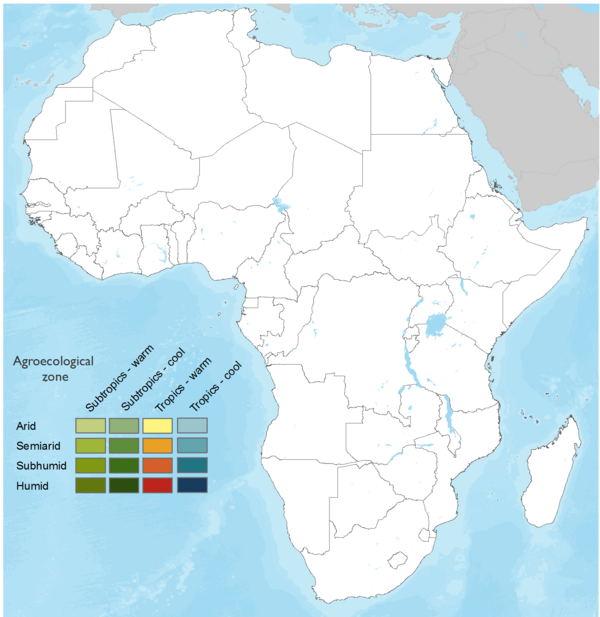
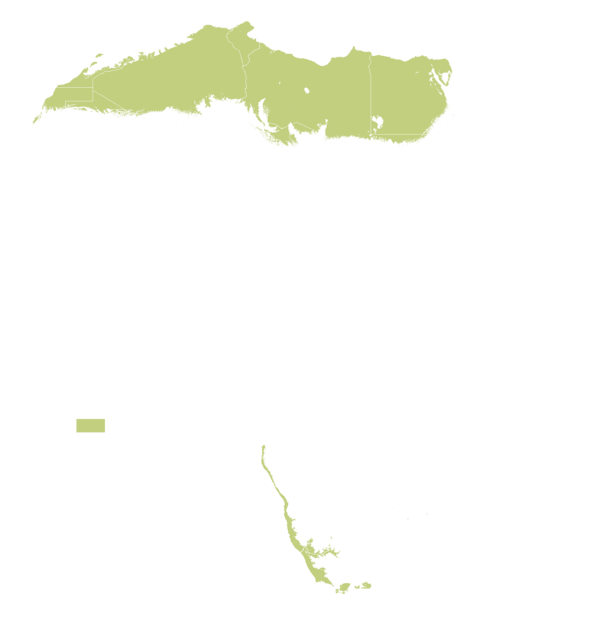
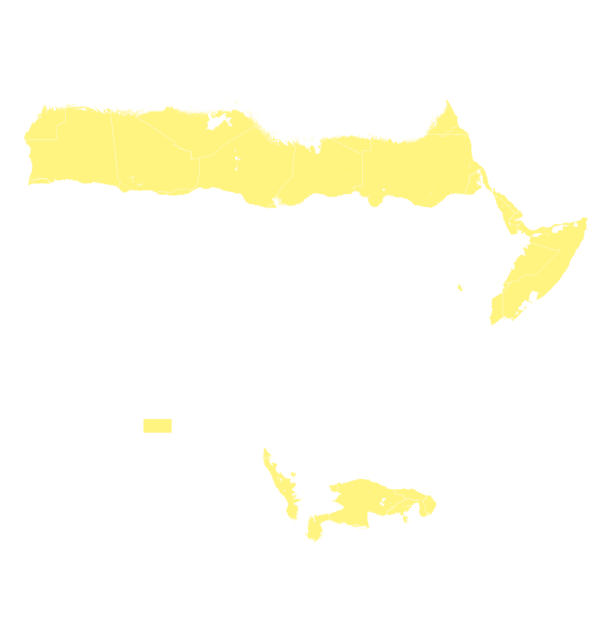
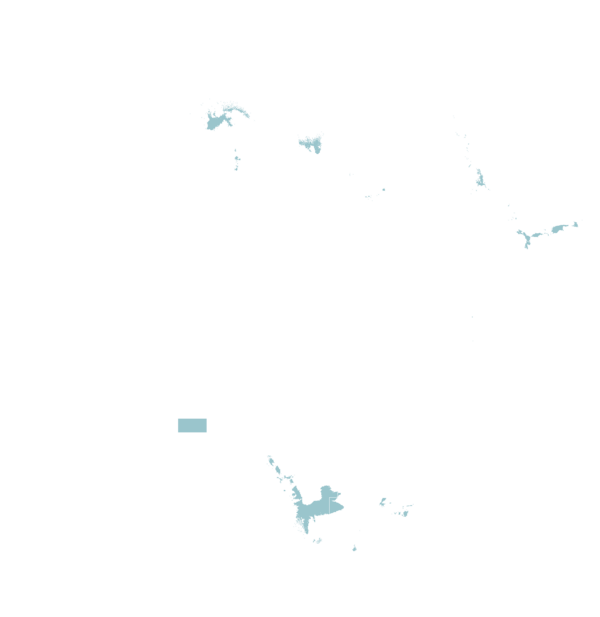
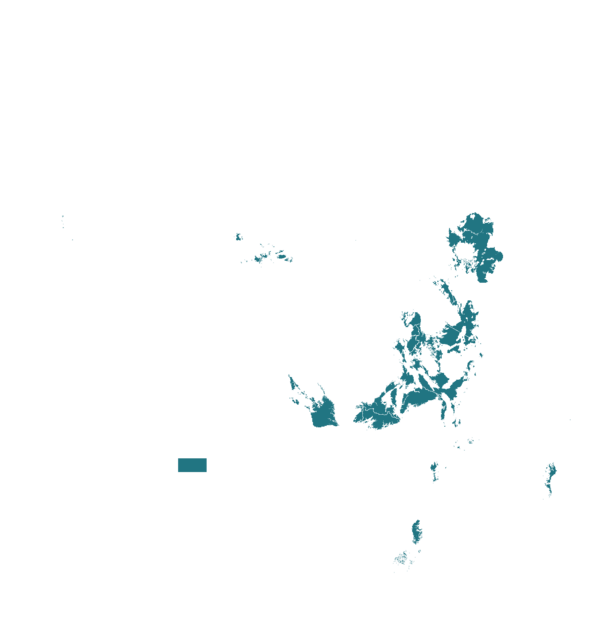
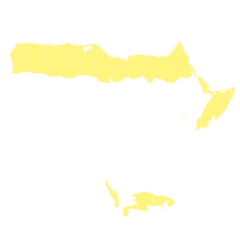
This technology can be used in the colored agro-ecological zones. Any zones shown in white are not suitable for this technology.












| AEZ | Subtropic - warm | Subtropic - cool | Tropic - warm | Tropic - cool |
|---|---|---|---|---|
| Arid | ||||
| Semiarid | ||||
| Subhumid | ||||
| Humid |
Source: HarvestChoice/IFPRI 2009
The United Nations Sustainable Development Goals that are applicable to this technology.
It contributes to reducing inequalities in accessing climate knowledge

It improves climate adaptability by providing timely, localized agro-pastoral advisories that enable livestock keepers to adjust practices (mobility, feeding, breeding, water use) in response to climate variability and extreme events.
Putting in place a Community of Practice (CoP) for climate services is a multi-step collaborative process that integrates scientific expertise with local knowledge. Based on the successful model established in Senegal, the implementation follows these key phases:
1. Initial Consultation and Stakeholder Identification
The process begins by identifying a systemic need, often through national consultations or sectoral policy priorities.
To ensure a coherent and formal system, the CoP must establish clear rules of engagement.
3. The Co-Production Workflow
The core of the CoP is the co-generation of advice, which follows a specific cycle:
4. Multi-Channel Dissemination
The CoP must select reliable channels to bridge the "last mile" to remote communities:
5. Monitoring, Feedback, and Scaling: To ensure sustainability and relevance,
Last updated on Sep 10, 2026
This technology can be used in the colored agro-ecological zones.

















CoPs: Community of Practices for Climate Advisory Services in Livestock
https://e-catalogs.taat-africa.org/com/technologies/cops-community-of-practices-for-climate-advisory-services-in-livestock
Last updated on 10 September 2026, printed on Oct 13, 2026
Enquiries e-catalogs@taat.africa