
TAAT e-catalog
for
private sector
https://e-catalogs.taat-africa.org/com/technologies/applied-biosystemstm-axiomtm-genotyping-solution-high-throughput-genetic-testing-for-agriculture
Accelerating Precision Breeding for Sustainable Food Security and Resilient Agriculture.
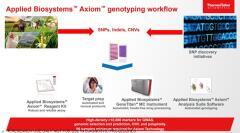
Applied Biosystems™ Axiom™ Genotyping Solution is an advanced genetic testing technology that helps breeders and researchers quickly and accurately identify the best plants, animals, or fish for breeding. It can process thousands of samples per week, is customizable for different species and traits, and delivers precise, reliable results. The system supports faster development of high-yield, disease-resistant, and climate-adapted varieties, making agriculture and aquaculture more productive and sustainable. Its automated workflow makes it easy to use and cost-effective, benefiting large-scale breeding programs and food security efforts.
This technology is pre-validated.
Unknown
For Resellers
Promoting Applied Biosystems™ Axiom™ Genotyping Solution offers more than just advanced genetic testing. It empowers breeders and researchers to accelerate and improve breeding decisions, enhancing productivity, disease resistance, and adaptation in crops, livestock, and aquaculture. To succeed in this market:
For Users
Using the Axiom™ Genotyping Solution enables faster, more precise breeding by leveraging genetic data to select superior plants and animals, leading to increased yields, disease resistance, and environmental adaptability.
To integrate this technology into your operations:
This approach positions both resellers and users to leverage the full potential of the Axiom™ Genotyping Solution, driving innovation and sustainability in agricultural and aquaculture breeding programs.
Adults 18 and over: Positive high
The poor: No impact
Under 18: No impact
This technology is developed specifically for persons with molecular biology background/knowledge (scientists)
Women: Positive high
Biodiversity: Not verified
Environmental health: Not verified
Scaling Readiness describes how complete a technology\’s development is and its ability to be scaled. It produces a score that measures a technology\’s readiness along two axes: the level of maturity of the idea itself, and the level to which the technology has been used so far.
Each axis goes from 0 to 9 where 9 is the “ready-to-scale” status. For each technology profile in the e-catalogs we have documented the scaling readiness status from evidence given by the technology providers. The e-catalogs only showcase technologies for which the scaling readiness score is at least 8 for maturity of the idea and 7 for the level of use.
The graph below represents visually the scaling readiness status for this technology, you can see the label of each level by hovering your mouse cursor on the number.
Read more about scaling readiness ›
Uncontrolled environment: validated
Used by some intended users, in the real world
| Maturity of the idea | Level of use | |||||||||
| 9 | ||||||||||
| 8 | ||||||||||
| 7 | ||||||||||
| 6 | ||||||||||
| 5 | ||||||||||
| 4 | ||||||||||
| 3 | ||||||||||
| 2 | ||||||||||
| 1 | ||||||||||
| 1 | 2 | 3 | 4 | 5 | 6 | 7 | 8 | 9 | ||
| Country | Testing ongoing | Tested | Adopted |
|---|---|---|---|
| South Africa | –No ongoing testing | –Not tested | Adopted |
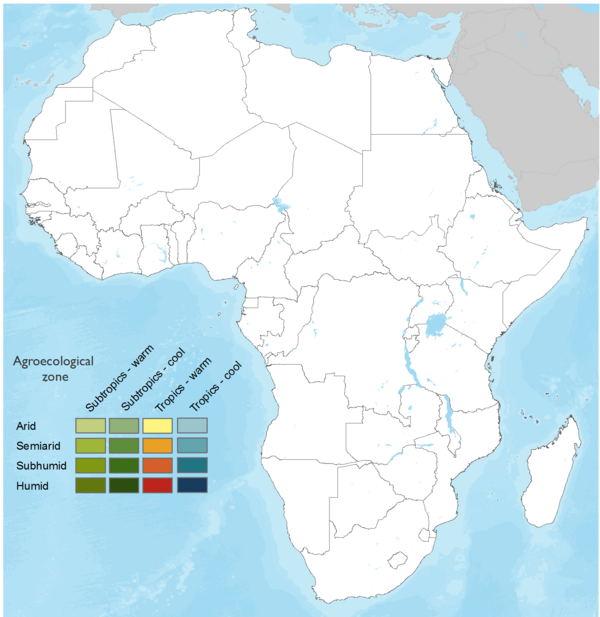
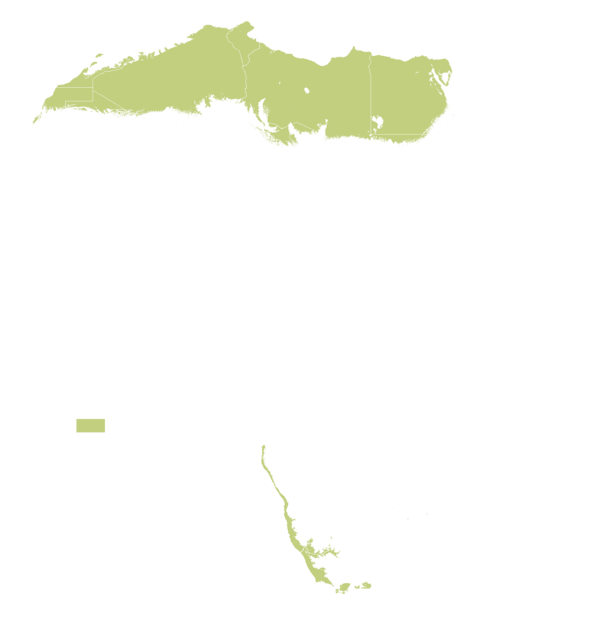
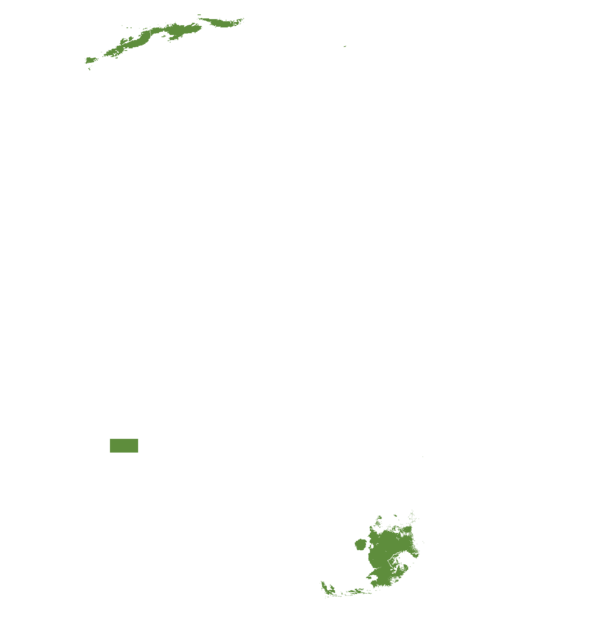
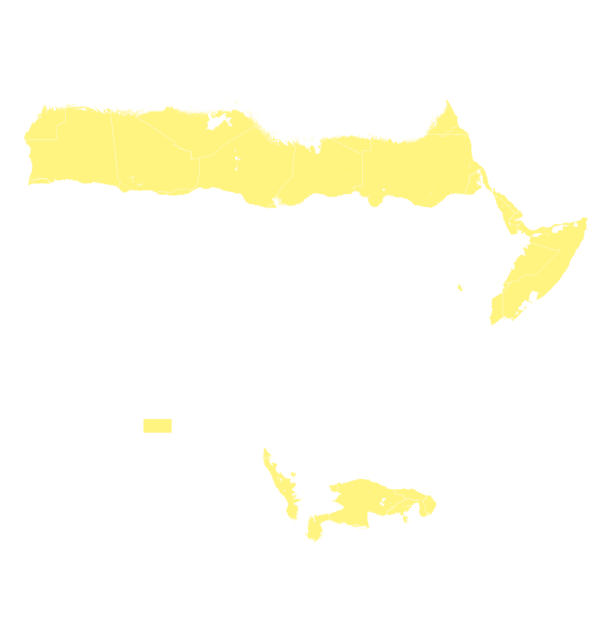
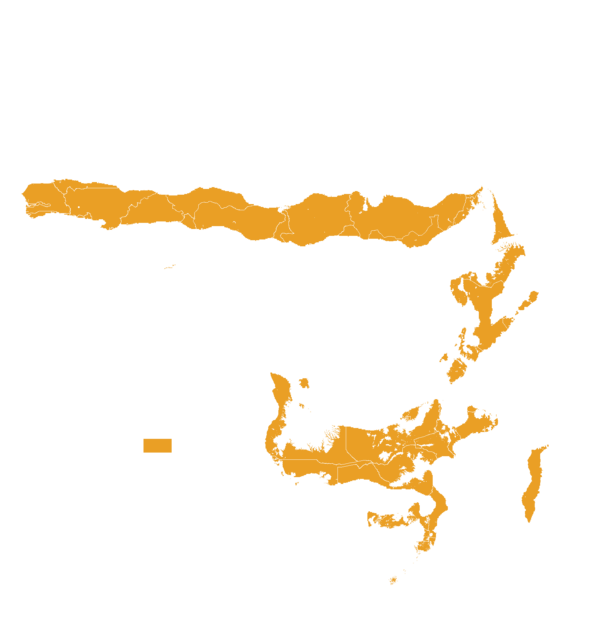
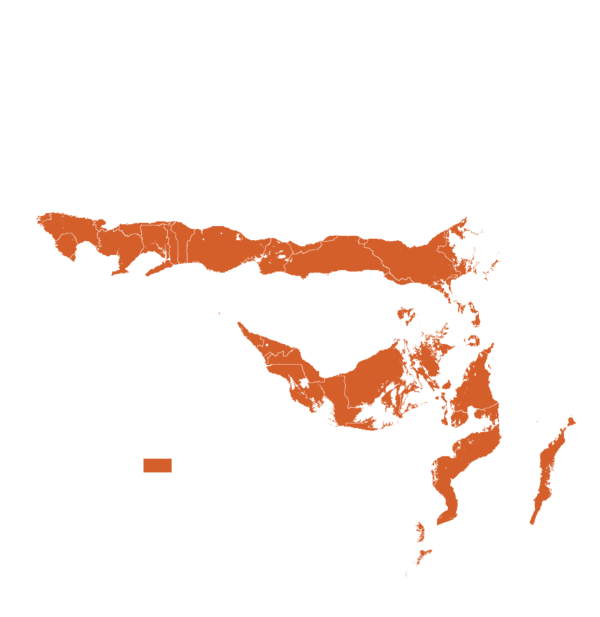
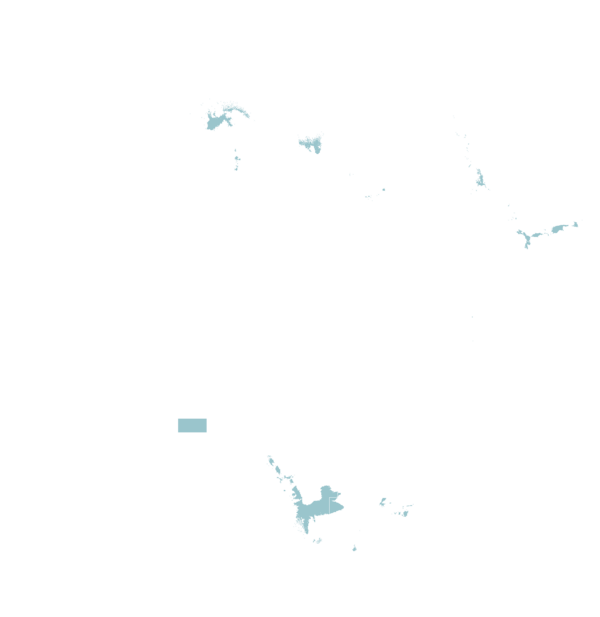
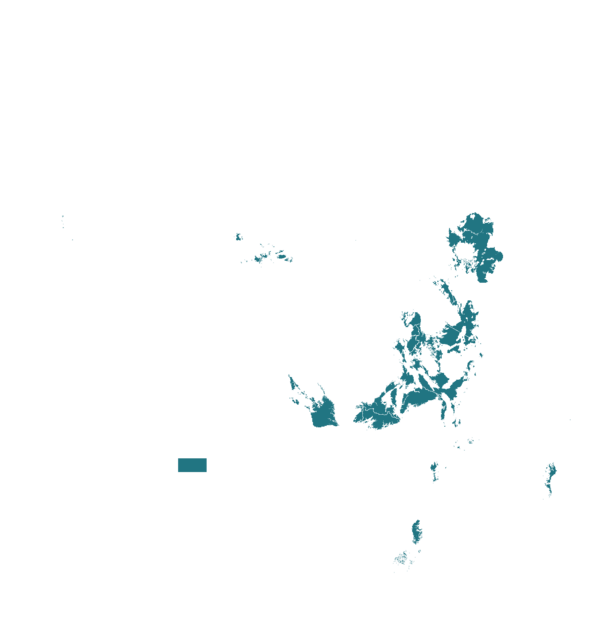
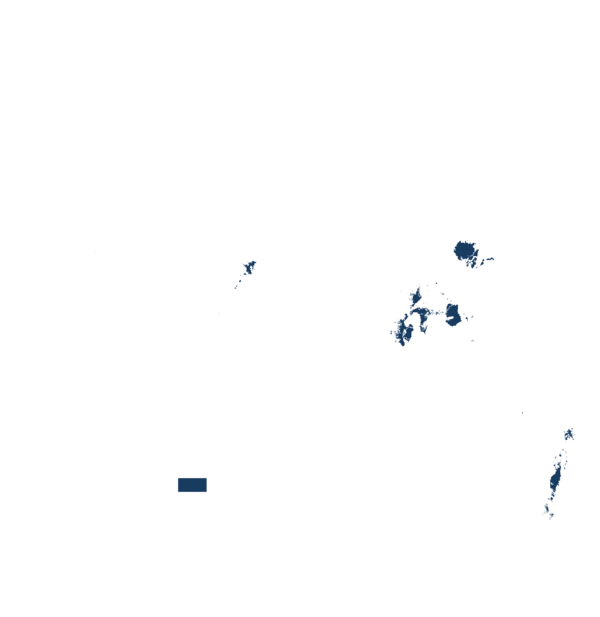
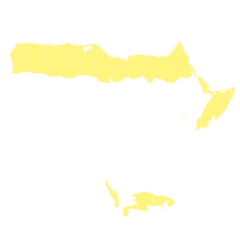
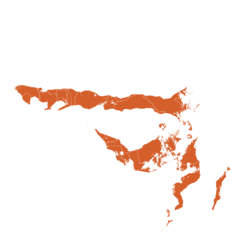
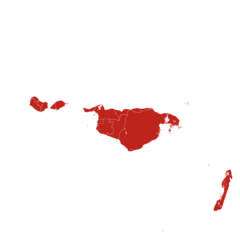
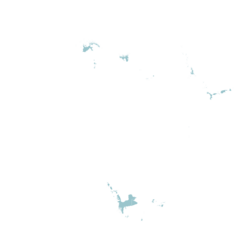
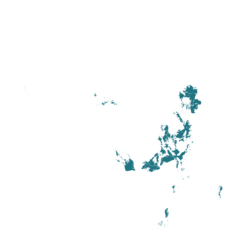
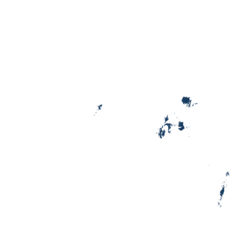
This technology can be used in the colored agro-ecological zones. Any zones shown in white are not suitable for this technology.








| AEZ | Subtropic - warm | Subtropic - cool | Tropic - warm | Tropic - cool |
|---|---|---|---|---|
| Arid | ||||
| Semiarid | ||||
| Subhumid | ||||
| Humid |
Source: HarvestChoice/IFPRI 2009
The United Nations Sustainable Development Goals that are applicable to this technology.

Enhances food security by enabling development of high-yield, disease-resistant, and climate-adapted crops and livestock.

Improves animal and plant health, reducing disease-related losses and supporting healthier livelihoods.

Promotes innovation in agricultural biotechnology through advanced, accessible genotyping technology.

Supports resilience to climate change by maintaining and enhancing genetic diversity in breeding programs.
Sample Collection and Preparation
Collect a small DNA sample from plants (leaves, seeds), animals (blood, hair), or aquaculture species (fin clips).
Extract and purify the DNA using an appropriate DNA isolation kit.
Loading DNA onto Axiom™ Arrays
Apply the purified DNA samples onto customized Axiom™ genotyping microarrays, which can contain up to millions of genetic markers.
Automated Processing with the GeneTitan™ System
Use the GeneTitan™ Multi-Channel instrument to automate DNA amplification, hybridization, washing, and scanning of the arrays.
The system can process 96 to 384 samples simultaneously, with throughput reaching thousands of samples per week.
Data Analysis
Genetic data are automatically collected and analyzed using the Axiom™ Analysis Suite software, which performs genotyping and identifies genetic variations.
The software provides an easy-to-use interface for visualizing results and pinpointing markers of interest.
Making Breeding Decisions
Based on the genetic profiles generated, breeders and researchers select the best-performing plants or animals with desired traits such as higher yield, disease resistance, or climate adaptability.
Last updated on Jul 3, 2026

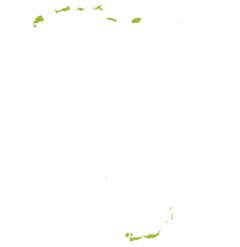
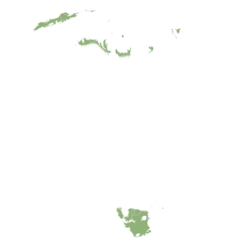
This technology can be used in the colored agro-ecological zones.










Applied Biosystems™ Axiom™ Genotyping Solution: High-throughput genetic testing for agriculture
https://e-catalogs.taat-africa.org/com/technologies/applied-biosystemstm-axiomtm-genotyping-solution-high-throughput-genetic-testing-for-agriculture
Last updated on 3 July 2026, printed on Aug 22, 2026
Enquiries e-catalogs@taat.africa