Logo
TAAT e-catalog for Development partners
https://e-catalogs.taat-africa.org/org/technologies/solar-based-irrigation-bundle-sbib-solar-irrigation-solution-with-flexible-payment-and-services
Request information View pitch brochure

Solar-Based Irrigation Bundle (SBIB): Solar Irrigation Solution with Flexible Payment and Services

Affordable Solar Irrigation for Year-Round Farming!

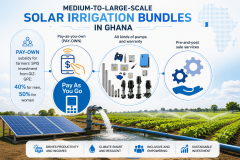
The Solar Irrigation Solution with Flexible Payment and Services combines solar-powered irrigation pumps with PAYGO, PAYOWN, and other flexible payment arrangements to help smallholder farmers overcome the high upfront cost of solar irrigation equipment. Payment options can be adapted to farmers’ ability to pay, including the payment frequency and amount, while digital payment services such as mobile money can facilitate payments where available. The solution also combines equipment access with pre- and after-sales services, including pump suitability advice, installation support, warranties, spare parts, repairs, and technical assistance. By addressing both financial and service barriers, the solution can help development programs improve farmers’ access to solar irrigation and support year-round irrigated farming. The approach has been scaled across Ghana, Mali, Ethiopia, and Zambia since January 2020.
2

This technology is pre-validated.

9•8

Scaling readiness: idea maturity 9/9; level of use 8/9

Positive impacts: 12

Target Groups Positive Impacts
Women smallholder farmers in remote areas
  • Improved access to solar-powered irrigation through flexible payment options.
  • More reliable water access for year-round crop production.
  • Reduced dependence on petrol and diesel pumps and associated fuel costs.
  • Increased household food production and livelihood opportunities.
Youth smallholder farmers in remote areas
  • Improved access to affordable irrigation through PAYGO and PAYOWN financing.
  • Greater opportunities for year-round agricultural production.
  • Reduced irrigation costs through the use of solar energy instead of fossil fuels.
  • Improved income opportunities through more reliable agricultural production.
Smallholder farmers in remote areas
  • Improved access to reliable solar-powered irrigation.
  • Greater ability to maintain crop production during dry periods.
  • Reduced dependence on fossil-fuel-powered irrigation and fuel costs.
  • Improved agricultural productivity, food availability, and livelihoods.
More...

Climate adaptability: Highly adaptable

The bundle can adapt to different farming and institutional contexts and has already scaled beyond Ghana to Ethiopia and Mali, with potential for wider adoption across Sub-Saharan Africa.

Farmer climate change readiness: Significant improvement

The bundle improves climate resilience through reliable irrigation, lower fuel dependence and costs, year-round production, and 97–98% lower greenhouse gas emissions than diesel pumps.

Carbon footprint: Much less carbon released

The bundle reduces greenhouse gas emissions by 97–98% compared with diesel-powered irrigation pumps.

Environmental health: Greatly improves environmental health

The bundle improves water-use efficiency and water productivity while supporting sustainable groundwater management as adoption expands.

Soil quality: Does not affect soil health and fertility

The technology focuses on solar-powered irrigation and does not directly affect soil health or fertility.

Water use: A bit less water used

The bundle improves water-use efficiency and productivity but requires groundwater monitoring and sustainable water management to prevent over-exploitation and water-use conflicts.

Problem

  • High upfront costs for solar irrigation equipment limit smallholder farmers’ access to solar-powered irrigation.
  • Limited access to suitable financing creates a major barrier for farmers who cannot afford the full equipment cost upfront.
  • Inadequate sales and after-sales services limit farmers’ access to technical support, spare parts, repairs, and other services needed to maintain the systems.
  • Limited market availability of solar-powered pumps restricts farmers’ access to solar irrigation compared with petrol, diesel, and other traditional irrigation options.
  • Limited access to solar-powered irrigation reduces farmers’ ability to produce crops throughout the year and limits the potential benefits of irrigated farming.

Solution

  • Flexible payment options, including PAYGO and PAYOWN, help smallholder farmers overcome the high upfront cost of solar irrigation equipment.
  • Tailored payment arrangements allow farmers to make payments based on their ability to pay, payment frequency, and payment amount.
  • Sales and after-sales services provide pump suitability advice, installation support, warranties, spare parts, repairs, and technical assistance.
  • Sales and service networks improve farmers’ access to solar-powered irrigation equipment and technical support.
  • Solar-powered irrigation systems provide an alternative to petrol and diesel pumps and support farmers’ capacity for year-round crop production.

Key points to design your program

The Solar Irrigation Solution with Flexible Payment and Services improves smallholder farmers’ access to solar-powered irrigation by combining solar pumps with flexible financing, tailored payment options, and sales and after-sales services. The solution can be integrated into food security, climate-resilient agriculture, sustainable agriculture, irrigation development, and clean energy programs. Its adoption contributes to SDG 1 (No Poverty), SDG 2 (Zero Hunger), SDG 6 (Clean Water and Sanitation), and SDG 7 (Affordable and Clean Energy), while helping farmers overcome financial and service barriers to year-round irrigated farming.

To integrate this technology into your programme, plan and budget for the following activities and prerequisites:

  • Assess farm water sources, crop needs, irrigation requirements, and farmers’ financing needs in target areas.
  • Facilitate access to suitable solar-powered pumps, irrigation equipment, and flexible payment options adapted to farmers’ needs.
  • Support training for farmers, extension agents, irrigation service providers, and suppliers on system selection, operation, maintenance, and payment arrangements.
  • Invest in demonstration activities, technical support, extension services, and awareness campaigns to promote solar irrigation adoption.
  • Promote PAYGO, PAYOWN, and other flexible payment arrangements, including digital payment options where available.
  • Support access to sales and after-sales services, including installation, warranties, spare parts, repairs, and technical assistance.
  • Establish partnerships with IWMI, solar irrigation suppliers, irrigation companies, farmer organizations, service providers, and relevant government and development actors to support research, demand analysis, supply–demand linkages, market development, and scaling.
  • Support data-driven irrigation planning and sustainable groundwater management and track indicators such as technology adoption, farmers reached, access to solar irrigation, use of flexible payment options, and year-round irrigated production.

Cost vs. revenue

Data reliability of this estimate:: 100 %

Return on investment 18 %

Every USD invested returns USD 0.18 net income.

Detailed financial information ›

IP

Open source / open access

Scaling Readiness describes how complete a technology's development is and its ability to be scaled. It produces a score that measures a technology's readiness along two axes: the level of maturity of the idea itself, and the level to which the technology has been used so far.

Each axis goes from 0 to 9 where 9 is the “ready-to-scale” status. For each technology profile in the e-catalogs we have documented the scaling readiness status from evidence given by the technology providers. The e-catalogs only showcase technologies for which the scaling readiness score is at least 8 for maturity of the idea and 7 for the level of use.

The graph below represents visually the scaling readiness status for this technology, you can see the label of each level by hovering your mouse cursor on the number.

Read more about scaling readiness ›

Scaling readiness score of this technology

Maturity of the idea 9 out of 9

Uncontrolled environment: validated

Level of use 8 out of 9

Used by some intended users, in the real world

Maturity of the idea Level of use
9
8
7
6
5
4
3
2
1
1 2 3 4 5 6 7 8 9

Positive impact 12

Target Groups Positive Impacts
Women smallholder farmers in remote areas
  • Improved access to solar-powered irrigation through flexible payment options.
  • More reliable water access for year-round crop production.
  • Reduced dependence on petrol and diesel pumps and associated fuel costs.
  • Increased household food production and livelihood opportunities.
Youth smallholder farmers in remote areas
  • Improved access to affordable irrigation through PAYGO and PAYOWN financing.
  • Greater opportunities for year-round agricultural production.
  • Reduced irrigation costs through the use of solar energy instead of fossil fuels.
  • Improved income opportunities through more reliable agricultural production.
Smallholder farmers in remote areas
  • Improved access to reliable solar-powered irrigation.
  • Greater ability to maintain crop production during dry periods.
  • Reduced dependence on fossil-fuel-powered irrigation and fuel costs.
  • Improved agricultural productivity, food availability, and livelihoods.

Unintended impact 12

Target Groups Unintended Impacts Mitigation Measures
Women smallholder farmers in remote areas
  • Limited financial resources may delay adoption of solar irrigation systems.
  • Household responsibilities may reduce participation in training and technical support activities.
  • Limited access to suppliers and after-sales services in remote areas may make maintenance and repairs difficult.
  • Unequal decision-making over farm investments may limit women’s ability to invest in solar irrigation.
  • Facilitate access to PAYGO, PAYOWN, subsidies, or other flexible payment options.
  •  Organize training at convenient times and locations for women farmers.
  • Strengthen local sales and service networks to improve access to maintenance, spare parts, and repairs.
  • Promote gender-responsive extension services and inclusive decision-making on farm investments.
Youth smallholder farmers in remote areas
  • Limited capital may discourage investment in solar irrigation systems.
  • Limited technical knowledge may affect proper system operation and maintenance.
  • Poor access to extension and technical services may slow technology adoption.
  • Limited access to suppliers and service networks in remote areas may make equipment and spare parts difficult to obtain.
  • Improve youth access to PAYGO, PAYOWN, subsidies, and affordable financing options.
  • Provide practical training on solar pump operation, irrigation management, and basic maintenance.
  • Expand youth-focused extension and technical advisory services.
  • Strengthen local supplier and service networks and link youth farmers to relevant providers.
Smallholder farmers in remote areas
  • Limited financial resources may delay adoption of solar irrigation systems.
  • Limited access to suitable financing may prevent farmers from overcoming upfront equipment costs.
  • Limited technical knowledge may affect system operation and maintenance.
  • Poor access to suppliers, spare parts, and after-sales services may limit long-term use of the technology.
  • Facilitate access to flexible financing, PAYGO/PAYOWN, subsidies, or other appropriate payment mechanisms.
  • Provide training on system selection, operation, irrigation management, and maintenance.
  • Strengthen local sales and service networks in remote areas.
  • Improve access to spare parts, repairs, technical assistance, and after-sales support.

Barriers 12

Target Groups Barriers to Adoption Mitigation Measures
Women smallholder farmers in remote areas
  • Limited financial resources to invest in solar irrigation systems.
  • Limited access to suitable financing options.
  • Limited participation in training and technical support due to household responsibilities.
  • Limited access to suppliers, spare parts, and after-sales services in remote areas.
  • Facilitate access to PAYGO, PAYOWN, subsidies, or other flexible payment mechanisms.
  • Strengthen local sales and service networks to improve access to equipment and support.
  • Organize training at convenient times and locations for women farmers.
  • Use women’s groups and local extension services to improve awareness and access to technical information.
Youth smallholder farmers in remote areas
  • Limited capital to invest in solar irrigation systems.
  • Limited technical knowledge of solar pump operation and maintenance.
  • Limited access to extension and technical support services.
  • High costs of accessing suppliers, spare parts, and agricultural services in remote areas.
  • Improve youth access to PAYGO, PAYOWN, subsidies, and affordable financing options.
  • Provide practical training on solar pump operation, irrigation management, and maintenance.
  • Expand youth-focused extension and technical advisory services.
  • Link youth farmers to suppliers, service providers, farmer organizations, and demonstration activities.
Smallholder farmers in remote areas
  • Limited financial resources to cover the upfront cost of solar irrigation equipment.
  • Limited access to suitable financing and flexible payment options.
  • Limited technical knowledge and access to training.
  • Poor access to suppliers, spare parts, repairs, and after-sales services in remote areas.
  • Facilitate access to flexible financing, PAYGO/PAYOWN, subsidies, or other appropriate payment mechanisms.
  • Provide practical training on system selection, operation, irrigation management, and maintenance.
  • Strengthen local sales and service networks in remote areas.
  • Improve access to spare parts, repairs, technical assistance, and after-sales support.

Cost of the investment
Sum of all fixed and operational expenses..
USD 1,881
Per season
Gross revenue
Sum of all income before subtracting costs.
USD 2,225
Per season
Net income
Gross revenue minus total cost.
USD 344
Per season
Return on investment
Percentage of income earned for each dollar invested, calculated as:
(income ÷ cost of investment) × 100
18 %
Per season

References:

Countries with a green colour
Tested & adopted
Countries with a bright green colour
Adopted
Countries with a yellow colour
Tested
Countries with a blue colour
Testing ongoing
Egypt Equatorial Guinea Ethiopia Algeria Angola Benin Botswana Burundi Burkina Faso Democratic Republic of the Congo Djibouti Côte d’Ivoire Eritrea Gabon Gambia Ghana Guinea Guinea-Bissau Cameroon Kenya Libya Liberia Madagascar Mali Malawi Morocco Mauritania Mozambique Namibia Niger Nigeria Republic of the Congo Rwanda Zambia Senegal Sierra Leone Zimbabwe Somalia South Sudan Sudan South Africa Eswatini Tanzania Togo Tunisia Chad Uganda Western Sahara Central African Republic Lesotho
Countries where the technology is being tested or has been tested and adopted
Country Testing ongoing Tested Adopted
Ethiopia No ongoing testing Not tested Adopted
Ghana No ongoing testing Not tested Adopted
Kenya No ongoing testing Not tested Adopted
Mali No ongoing testing Not tested Adopted
Nigeria No ongoing testing Not tested Adopted
Zambia No ongoing testing Not tested Adopted

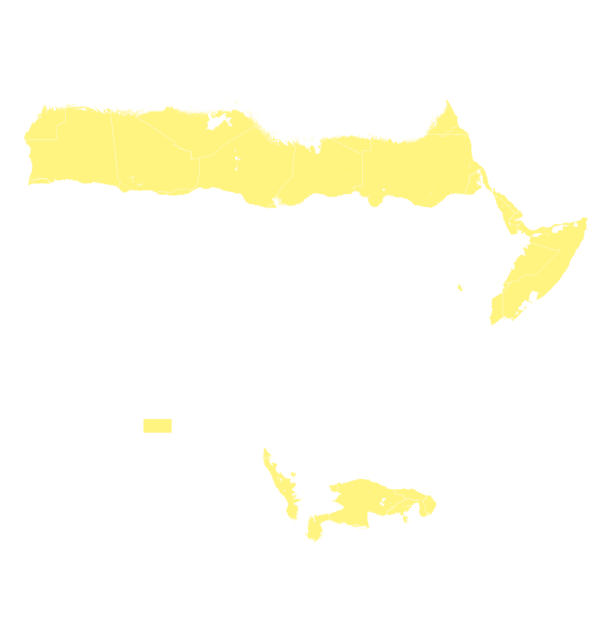
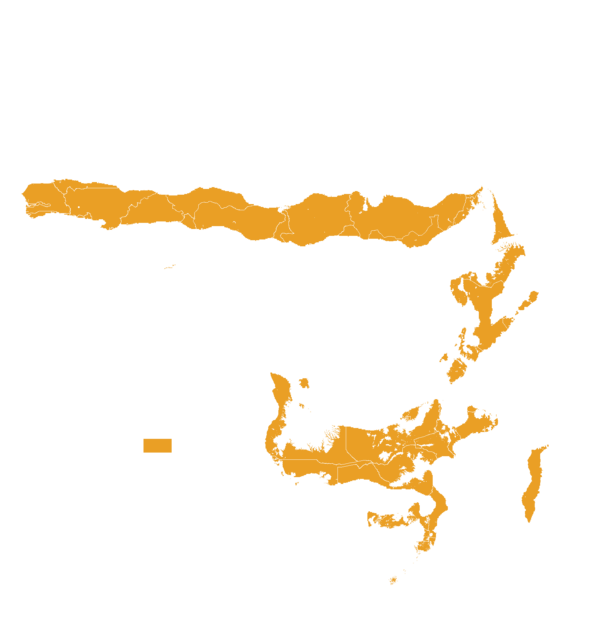
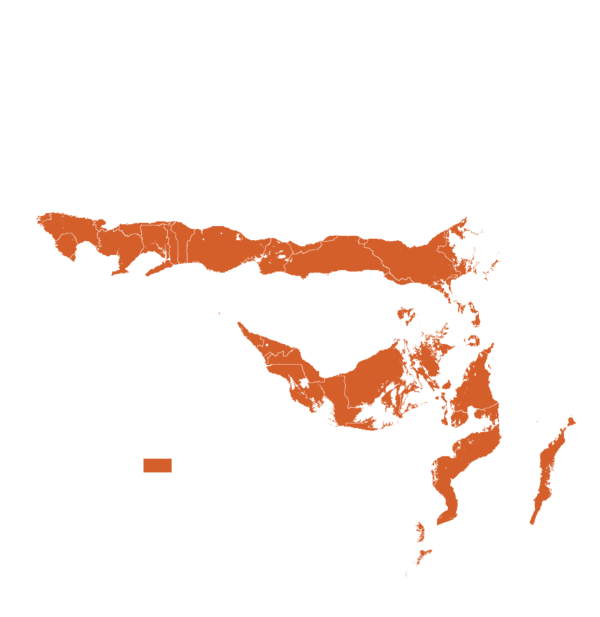
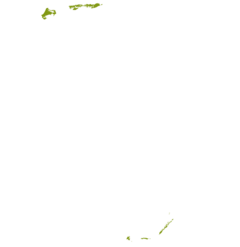
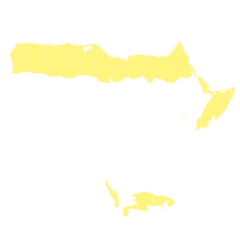
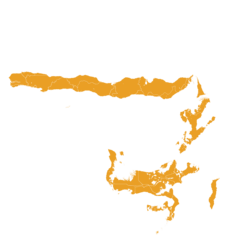
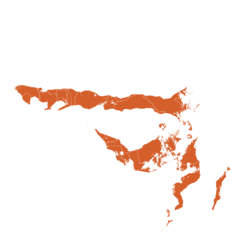
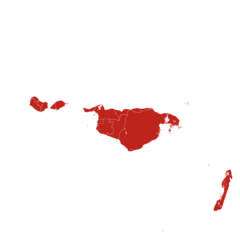
This technology can be used in the colored agro-ecological zones. Any zones shown in white are not suitable for this technology.
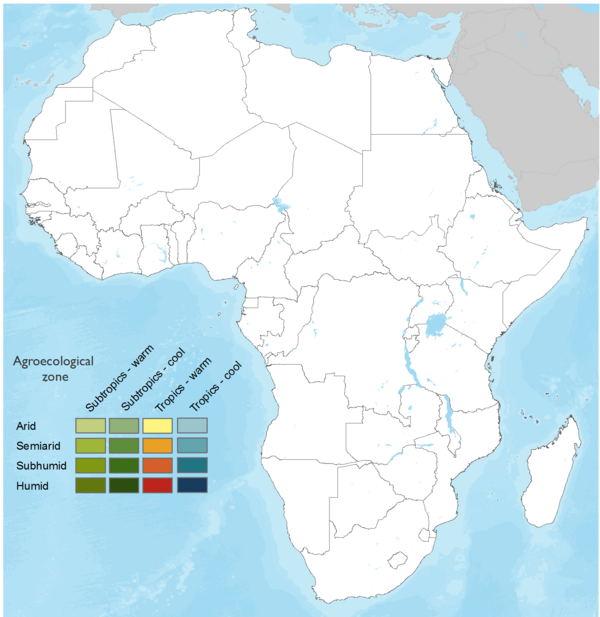
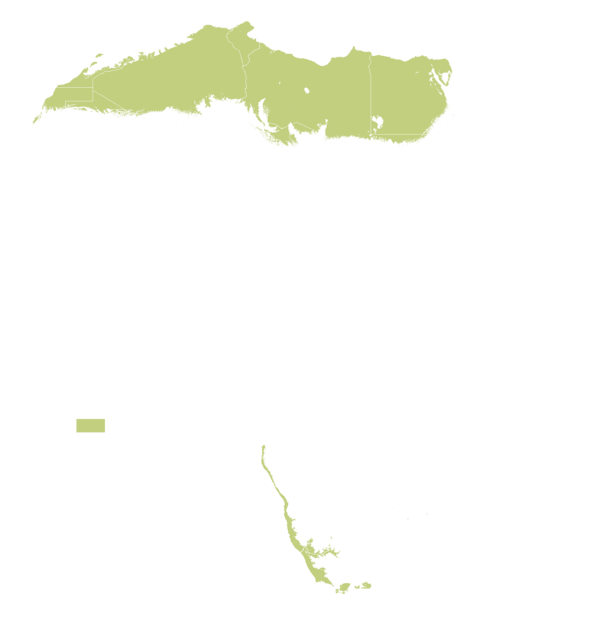
Agro-ecological zones where this technology can be used
AEZ Subtropic - warm Subtropic - cool Tropic - warm Tropic - cool
Arid
Semiarid
Subhumid
Humid

Source: HarvestChoice/IFPRI 2009

The United Nations Sustainable Development Goals that are applicable to this technology.
Sustainable Development Goal 1: no poverty
Goal 1: no poverty

The technologies help smallholder farmers overcome high upfront irrigation costs through flexible financing, supporting more reliable production, higher farm incomes, and improved livelihoods.
Sustainable Development Goal 2: zero hunger
Goal 2: zero hunger

By improving access to irrigation, the technology supports year-round crop production, increased agricultural productivity, and food availability for smallholder farmers.
Sustainable Development Goal 6: clean water and sanitation
Goal 6: clean water and sanitation

The technology improves water-use efficiency and productivity by providing reliable solar-powered irrigation and supporting better management of available water resources.
Sustainable Development Goal 7: affordable and clean energy
Goal 7: affordable and clean energy

Solar power lifts and conveys water for irrigation, replacing fossil-fuel energy.

The Solar Irrigation Solution with Flexible Payment and Services can be adopted by assessing irrigation needs, selecting a suitable system and payment option, and using the available sales and after-sales support.

Key recommendations

  • Assess the farm’s water source, crop needs, and irrigation requirements.
  • Select a suitable solar-powered pump with a supplier or service provider.
  • Choose a suitable payment option, such as PAYGO, PAYOWN, or another available arrangement.
  • Purchase and install the system with support from the supplier.
  • Operate the solar-powered pump to move water from the available source to the farm.
  • Make payments according to the agreed schedule, including through digital payment services where available.
  • Use the sales and service network for maintenance, spare parts, repairs, and technical support.

Step 1 – Assess irrigation needs

Identify the farm’s water source, crop needs, and irrigation requirements to determine the appropriate irrigation system.

Step 2 – Select the solar irrigation system

Work with a supplier or service provider to select a suitable solar-powered pump and related irrigation equipment.

Step 3 – Choose a payment option

Select Pay-As-You-Go (PAYGO), Pay-As-You-Own (PAYOWN), or another available payment arrangement according to the agreed terms.

Step 4 – Purchase and install the system

Purchase the solar-powered pump and related irrigation equipment. The supplier provides installation support to set up the system.

Step 5 – Operate the system

Use the solar-powered pump to move water from the available water source to the farm for irrigation.

Step 6 – Make the agreed payments

Make payments according to the agreed schedule, payment frequency, and amount. Digital payment services such as mobile money can be used where available.

Step 7 – Access after-sales support

Use the sales and service network for maintenance, spare parts, repairs, warranties, and other technical support.

Last updated on Sep 4, 2026