
TAAT e-catalog
for
Development partners
https://e-catalogs.taat-africa.org/org/technologies/nextgen-advisory-digital-advisory-tool-for-farmers
Empowering Farmers with Digital Guidance
The NextGenAgroadvisory is a comprehensive system that utilizes location-, context-, and climate-specific data to provide agricultural advisories. These advisories include optimal fertilizer application, integrated soil fertility management (ISFM), climate information services, climate-smart agricultural activities, pest and disease surveillance, and other relevant agricultural investments. The system uses machine learning algorithms to analyze various data points and generate precise recommendations for fertilizer application and other agricultural practices.

This technology is pre-validated.
NextGen Advisory is a digital decision support tool that improves agricultural productivity, profitability, and climate resilience by providing location-specific recommendations on fertilizer management, integrated soil fertility management, climate-smart practices, and pest and disease management. The technology can be integrated into digital agriculture, agricultural extension, climate-smart agriculture, sustainable land management, and food security programs to strengthen farmer decision-making and optimize resource use. Its adoption contributes to SDGs 1 (No Poverty), 2 (Zero Hunger), 13 (Climate Action), and 15 (Life on Land).
To integrate this technology into your project, plan and budget for the following activities and prerequisites:
Unknown
Scaling Readiness describes how complete a technology's development is and its ability to be scaled. It produces a score that measures a technology's readiness along two axes: the level of maturity of the idea itself, and the level to which the technology has been used so far.
Each axis goes from 0 to 9 where 9 is the “ready-to-scale” status. For each technology profile in the e-catalogs we have documented the scaling readiness status from evidence given by the technology providers. The e-catalogs only showcase technologies for which the scaling readiness score is at least 8 for maturity of the idea and 7 for the level of use.
The graph below represents visually the scaling readiness status for this technology, you can see the label of each level by hovering your mouse cursor on the number.
Read more about scaling readiness ›
Uncontrolled environment: tested
Common use by projects NOT connected to technology provider
| Maturity of the idea | Level of use | |||||||||
| 9 | ||||||||||
| 8 | ||||||||||
| 7 | ||||||||||
| 6 | ||||||||||
| 5 | ||||||||||
| 4 | ||||||||||
| 3 | ||||||||||
| 2 | ||||||||||
| 1 | ||||||||||
| 1 | 2 | 3 | 4 | 5 | 6 | 7 | 8 | 9 | ||
| Country | Testing ongoing | Tested | Adopted |
|---|---|---|---|
| Ethiopia | –No ongoing testing | Tested | Adopted |
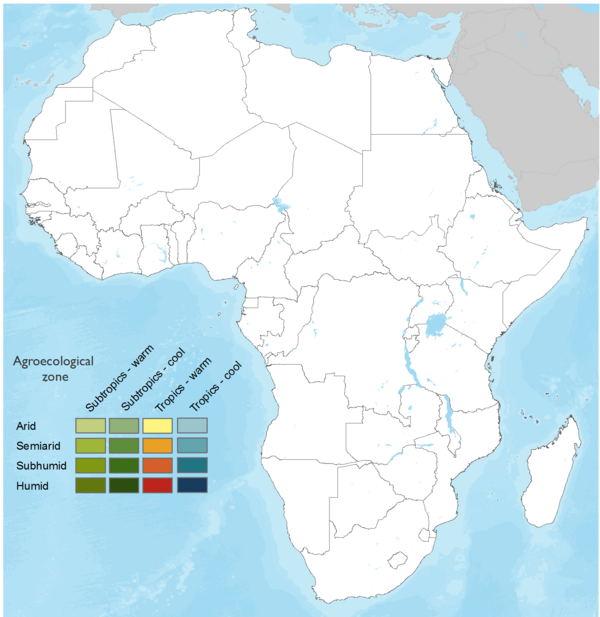
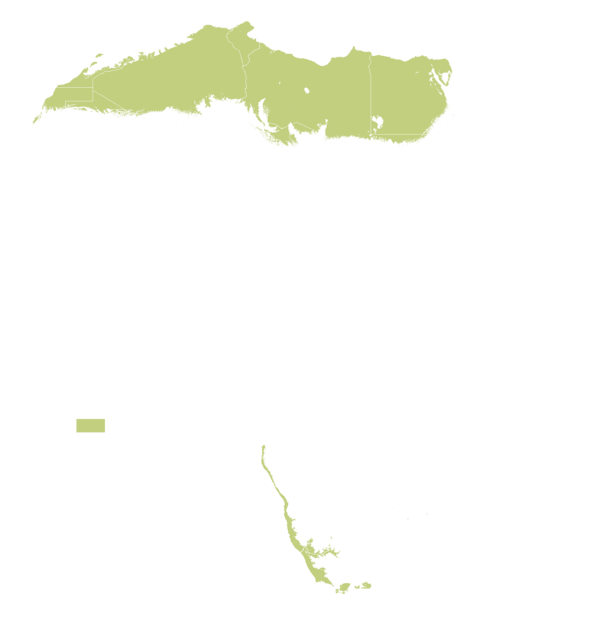
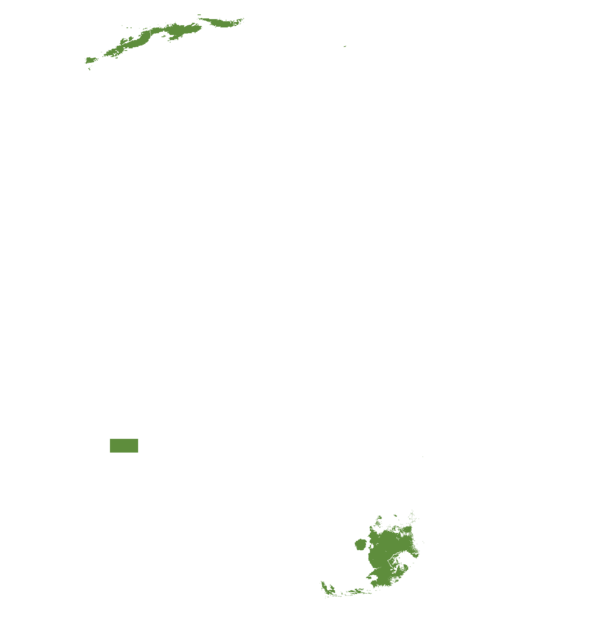
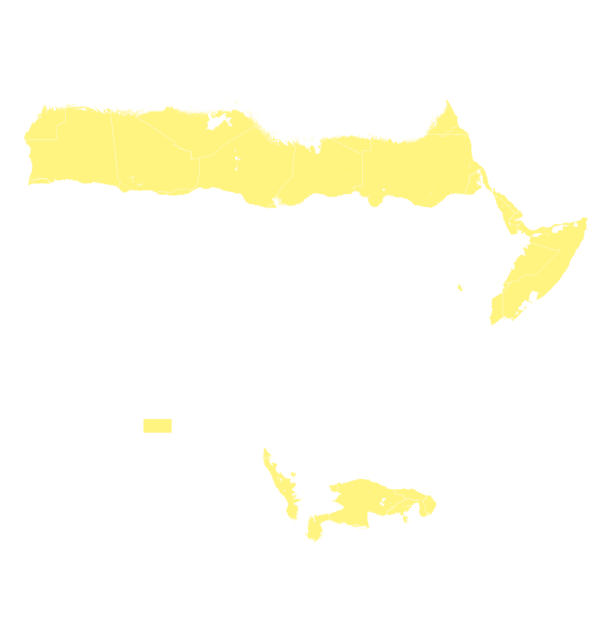
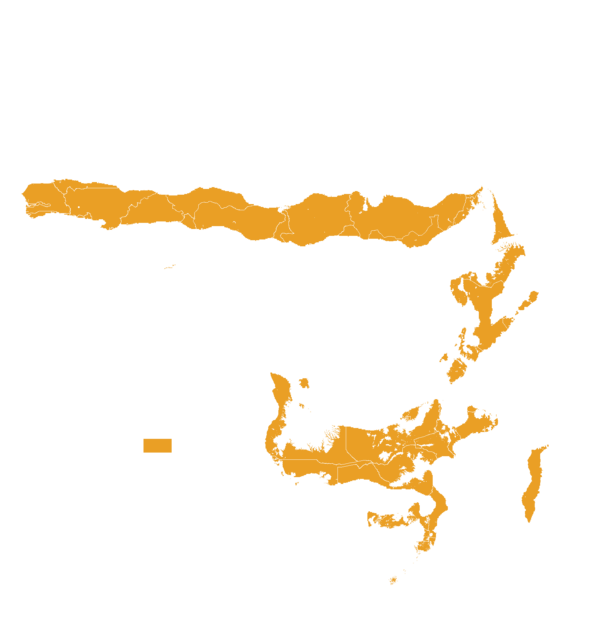
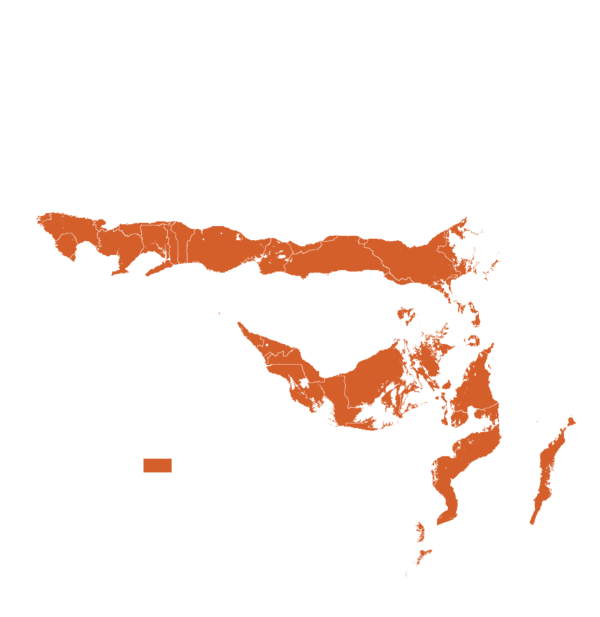
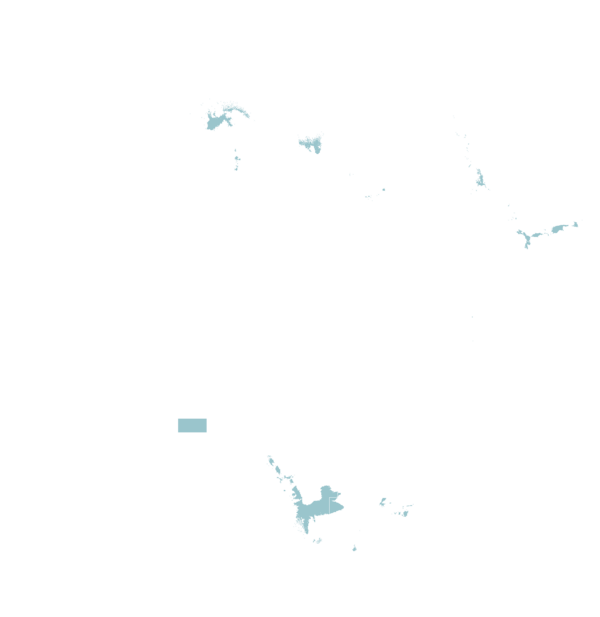
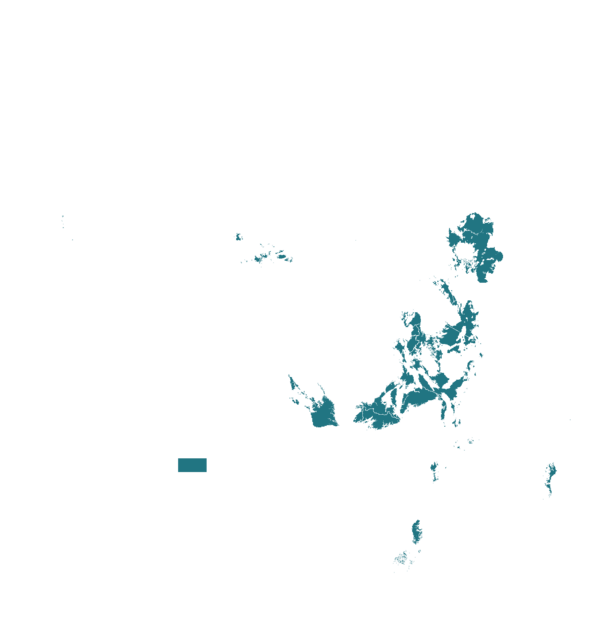
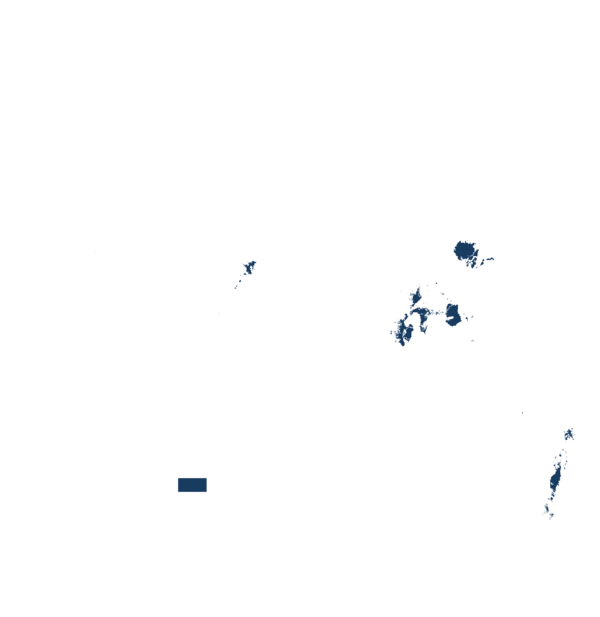
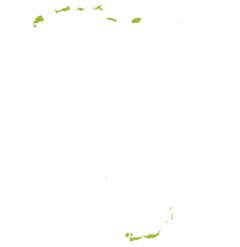
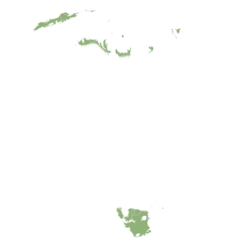
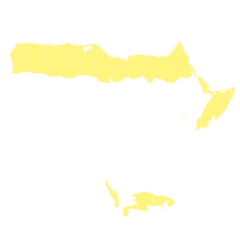
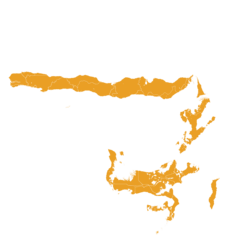
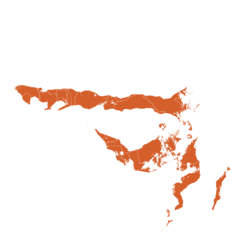
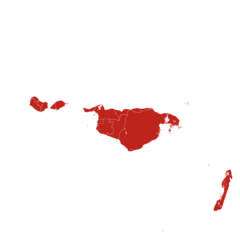
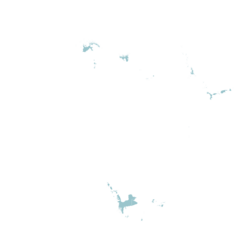
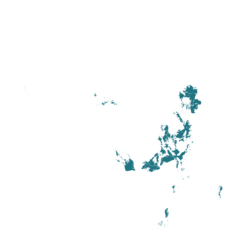
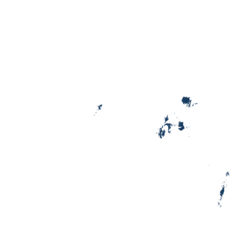
This technology can be used in the colored agro-ecological zones. Any zones shown in white are not suitable for this technology.








| AEZ | Subtropic - warm | Subtropic - cool | Tropic - warm | Tropic - cool |
|---|---|---|---|---|
| Arid | ||||
| Semiarid | ||||
| Subhumid | ||||
| Humid |
Source: HarvestChoice/IFPRI 2009
The United Nations Sustainable Development Goals that are applicable to this technology.

The system leverages a combination of technologies including APIs, chatbots, web apps, and high-resolution maps to disseminate customized advisories.
Last updated on Sep 11, 2026
This technology can be used in the colored agro-ecological zones.









NextGen Advisory: Digital Advisory tool for Farmers
https://e-catalogs.taat-africa.org/org/technologies/nextgen-advisory-digital-advisory-tool-for-farmers
Last updated on 11 September 2026, printed on Oct 22, 2026
Enquiries e-catalogs@taat.africa