Logo
TAAT e-catalog for Development partners
https://e-catalogs.taat-africa.org/org/technologies/in-pond-raceway-systems-for-fish-farming
Request information View pitch brochure

In-Pond Raceway Systems for Fish Farming

Revolutionize your fish farming with IPRS for maximum yields and sustainability.

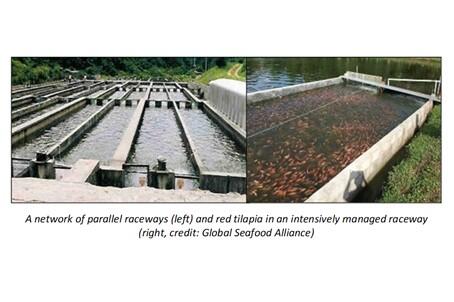
The In-Pond Raceway System (IPRS) is a groundbreaking aquaculture technology designed to enhance fish farming efficiency. It achieves this by maintaining uninterrupted water flow and implementing effective waste disposal methods. This system allows for significantly higher fish stocking densities, with levels reaching up to 150 kilograms per cubic meter. In comparison to traditional pond farming, IPRS has been shown to yield a remarkable 200-300% increase in fish production. By focusing on water quality, aeration, and waste management, IPRS sets a new standard for sustainable and high-yield aquaculture practices.
2

This technology is TAAT1 validated.

7•7

Scaling readiness: idea maturity 7/9; level of use 7/9

Adults 18 and over: Positive high

The poor: Positive low

Under 18: Positive high

Women: Positive high

Climate adaptability: Highly adaptable

Farmer climate change readiness: Significant improvement

Biodiversity: No impact on biodiversity

Carbon footprint: A bit less carbon released

Environmental health: Moderately improves environmental health

Soil quality: Does not affect soil health and fertility

Water use: A bit less water used

Problem

  • Low Fish Yields: Traditional pond farming limits fish productivity per area, reducing profits.
  • Fluctuating Water Quality: Unstable water conditions hinder fish growth and health, impacting overall productivity.
  • Poor Waste Management: Inadequate waste removal causes pollution and harms fish health.
  • Disease and Stress Risks: Conventional methods expose fish to higher disease and stress risks.
  • Resource-Intensive: Traditional methods demand extensive land and labour, raising costs.
  • Inefficient Feed Use: Inadequate water circulation and oxygen levels lead to inefficient feed conversion.
  • Environmental Harm: Inefficient resource use and waste management harm the environment.

Solution

  • Higher Stocking Densities: IPRS boosts fish productivity by allowing more fish per area.
  • Optimized Water Conditions: It maintains consistent, high-quality water, promoting healthy fish growth and reducing stress.
  • Effective Waste Management: IPRS swiftly removes fish waste, preventing water contamination and enhancing water quality.
  • Healthy, Fast-Growing Fish: The system recreates a natural environment, reducing disease risks and ensuring robust fish growth.
  • Efficient Resource Use: IPRS requires less land and labour, making it a cost-effective option for fish farming.
  • Enhanced Feed Efficiency: It improves the conversion of feed into fish biomass.
  • Environmental Responsibility: IPRS reduces pollution and conserves resources for sustainable aquaculture.

Key points to design your program

In-Pond Raceway Systems (IPRS) transform conventional pond aquaculture into an intensive production system by maintaining optimal water quality through continuous water circulation, aeration, and waste removal. The technology addresses the low productivity of conventional ponds by enabling high-density fish production while improving feed efficiency, fish health, and resource-use efficiency. Suitable for blue economy, food security, climate resilience, and aquaculture value chain development programmes, it contributes to SDGs 2 (Zero Hunger), 8 (Decent Work and Economic Growth), and 13 (Climate Action). The technology also creates opportunities for women and youth through fish production, technical services, processing, and aquaculture enterprises. To successfully integrate this technology, consider the following key actions:

  • Site selection and pilot demonstrations: Prioritize aquaculture production zones with reliable water resources, affordable electricity, and strong market demand, and establish demonstration sites to validate technical performance and encourage farmer adoption.
  • Strategic partnerships: Collaborate with WorldFish, research institutions, hatcheries, aquaculture cooperatives, extension services, engineering firms, and equipment suppliers to support technical implementation, knowledge transfer, and long-term operational support.
  • Raceway infrastructure development: Allocate resources for raceway construction, water circulation and aeration systems, waste collection facilities, and supporting infrastructure required for intensive fish production.
  • Capacity building: Train farmers, technicians, and extension agents on raceway operation, water quality and dissolved oxygen management, feeding practices, fish health management, equipment maintenance, and energy-efficient system operation.
  • Integrated production systems: Combine IPRS with improved fish breeds, high-quality feeds, and nutrient recycling practices that reuse pond effluent for crop production, improving resource-use efficiency while reducing environmental impacts.
  • Inclusive participation: Support women and youth through technical training, fish production, processing activities, and aquaculture-related enterprises.
  • Monitoring and evaluation: Monitor programme performance using indicators such as fish productivity, feed conversion efficiency, fish survival, water quality, profitability, technology adoption, and the participation of women and youth.

0.5882 kg of fish

for 1kg of feed

1.57 USD

8-month total variable costs per kg

0.31 USD

8-month total fixed costs per kg

IP

Patent granted

Scaling Readiness describes how complete a technology\’s development is and its ability to be scaled. It produces a score that measures a technology\’s readiness along two axes: the level of maturity of the idea itself, and the level to which the technology has been used so far.

Each axis goes from 0 to 9 where 9 is the “ready-to-scale” status. For each technology profile in the e-catalogs we have documented the scaling readiness status from evidence given by the technology providers. The e-catalogs only showcase technologies for which the scaling readiness score is at least 8 for maturity of the idea and 7 for the level of use.

The graph below represents visually the scaling readiness status for this technology, you can see the label of each level by hovering your mouse cursor on the number.

Read more about scaling readiness ›

Scaling readiness score of this technology

Maturity of the idea 7 out of 9

Semi-controlled environment: prototype

Level of use 7 out of 9

Common use by projects NOT connected to technology provider

Maturity of the idea Level of use
9
8
7
6
5
4
3
2
1
1 2 3 4 5 6 7 8 9

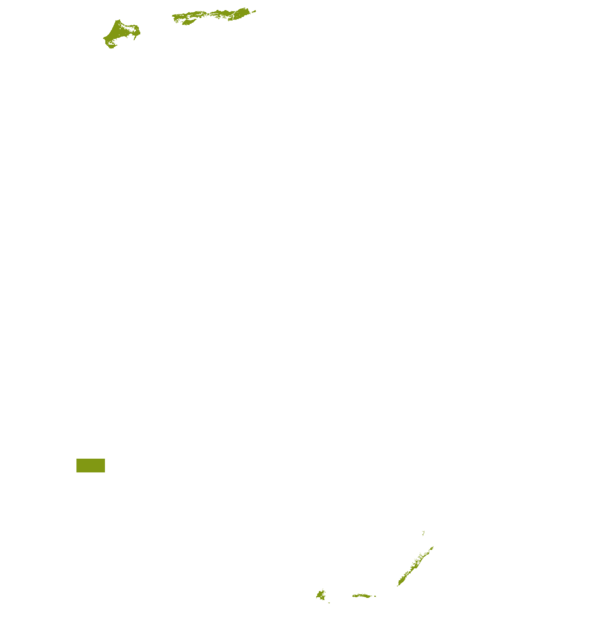
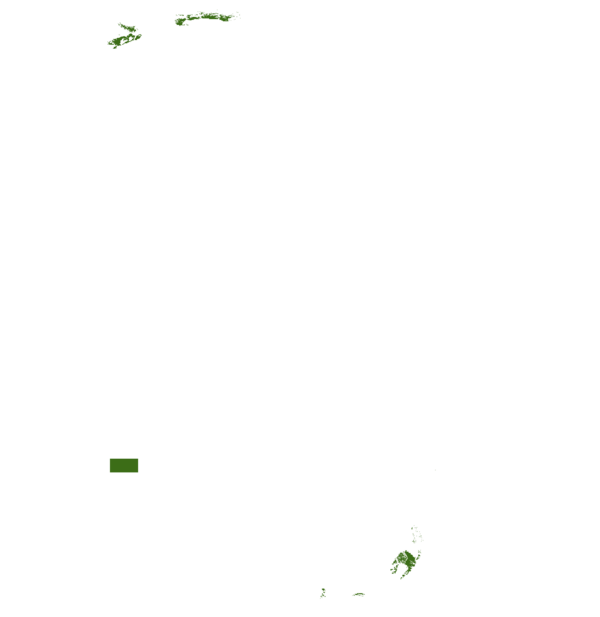
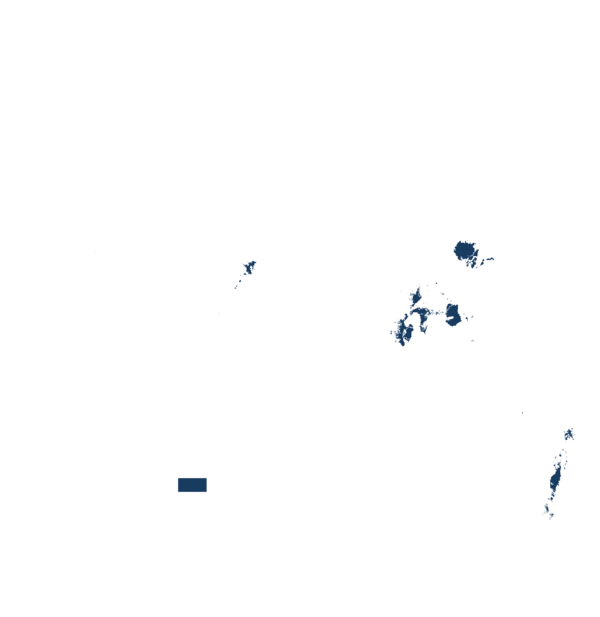
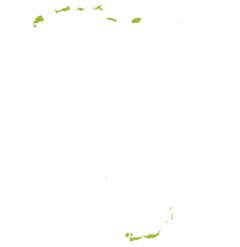
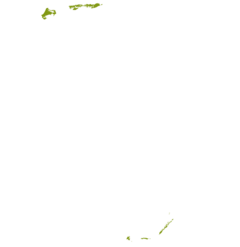
Countries with a green colour
Tested & adopted
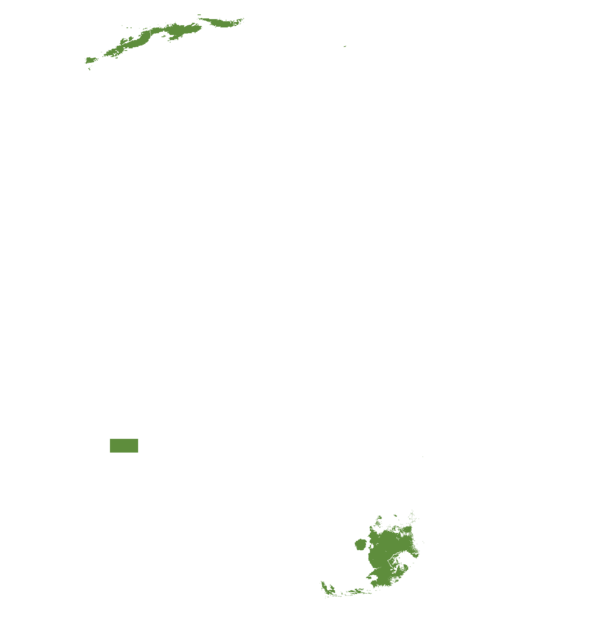
Countries with a bright green colour
Adopted
Countries with a yellow colour
Tested
Countries with a blue colour
Testing ongoing
Egypt Equatorial Guinea Ethiopia Algeria Angola Benin Botswana Burundi Burkina Faso Democratic Republic of the Congo Djibouti Côte d’Ivoire Eritrea Gabon Gambia Ghana Guinea Guinea-Bissau Cameroon Kenya Libya Liberia Madagascar Mali Malawi Morocco Mauritania Mozambique Namibia Niger Nigeria Republic of the Congo Rwanda Zambia Senegal Sierra Leone Zimbabwe Somalia South Sudan Sudan South Africa Eswatini Tanzania Togo Tunisia Chad Uganda Western Sahara Central African Republic Lesotho
Countries where the technology is being tested or has been tested and adopted
Country Testing ongoing Tested Adopted
Kenya No ongoing testing Tested Adopted
Nigeria No ongoing testing Tested Adopted

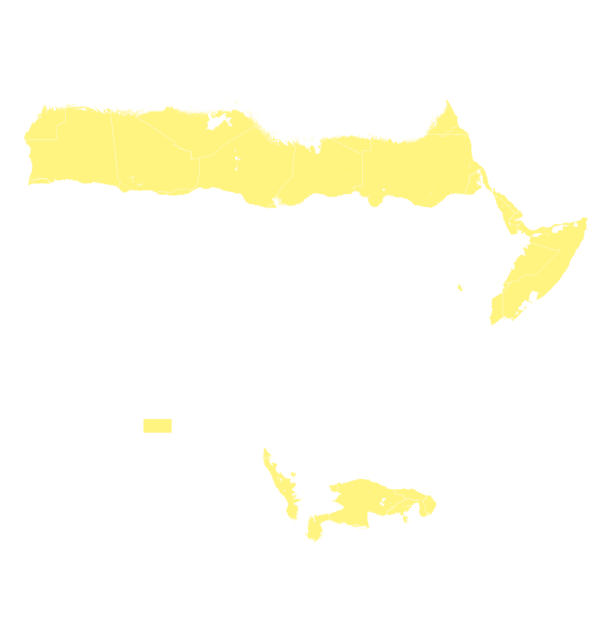
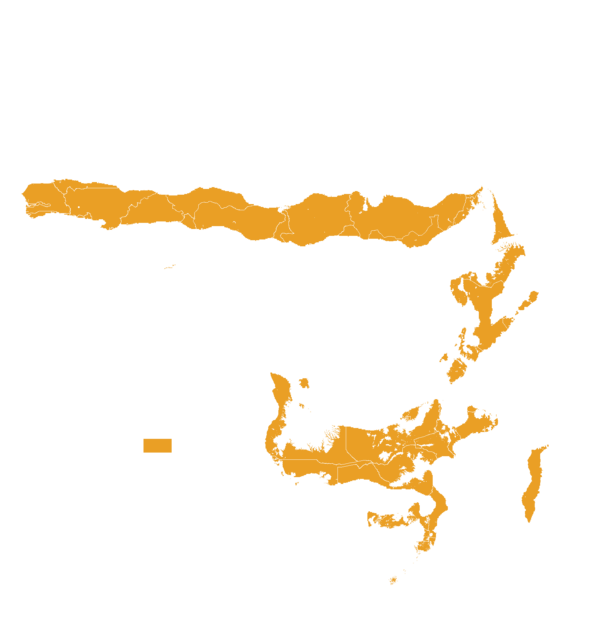
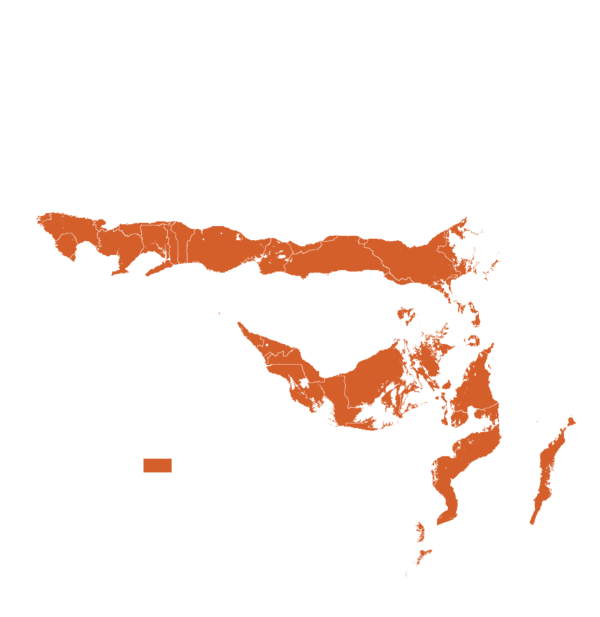
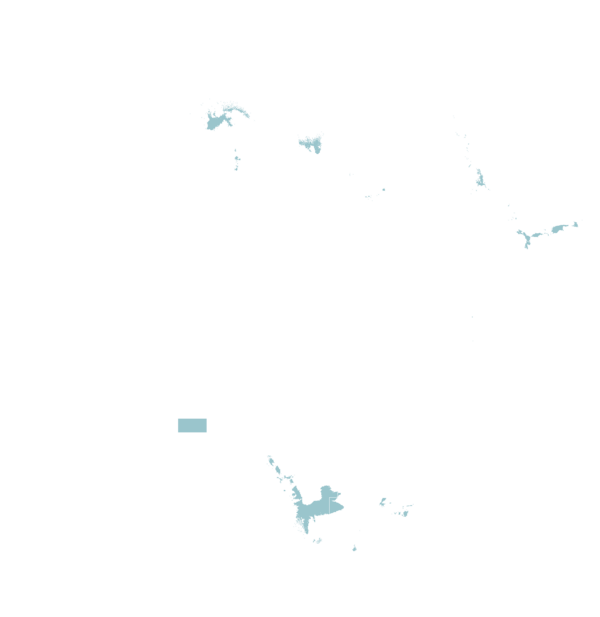
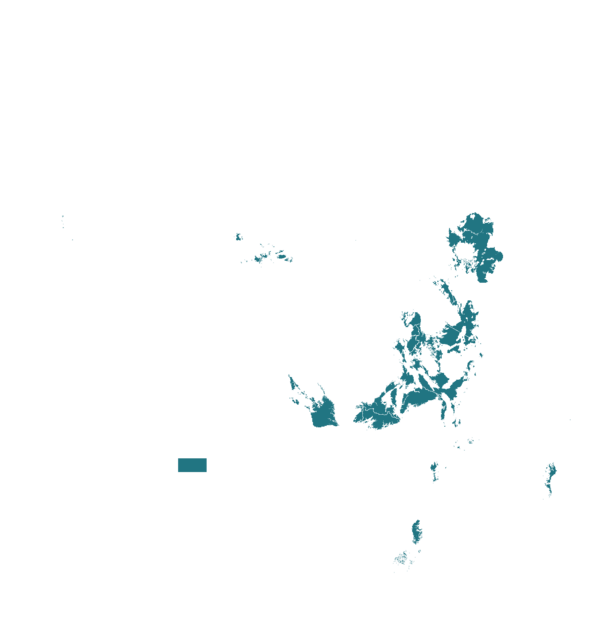
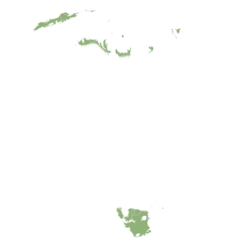
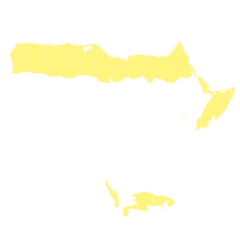
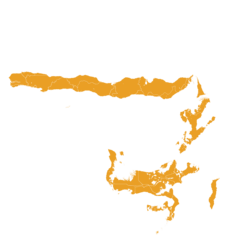
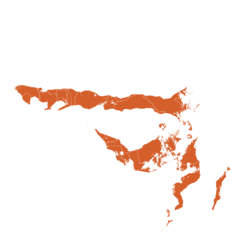
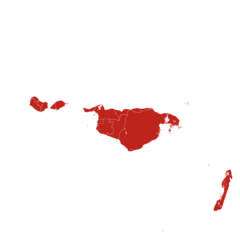
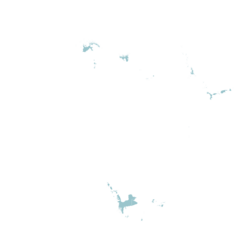
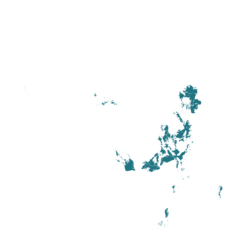
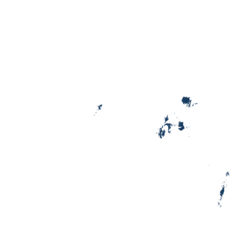
This technology can be used in the colored agro-ecological zones. Any zones shown in white are not suitable for this technology.
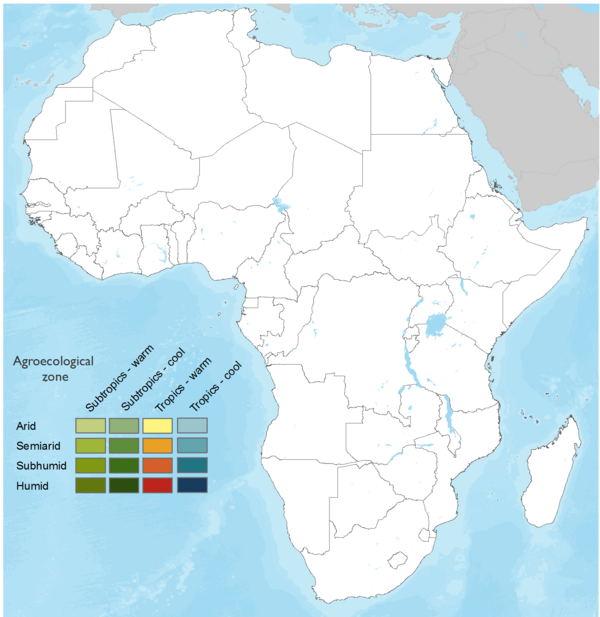
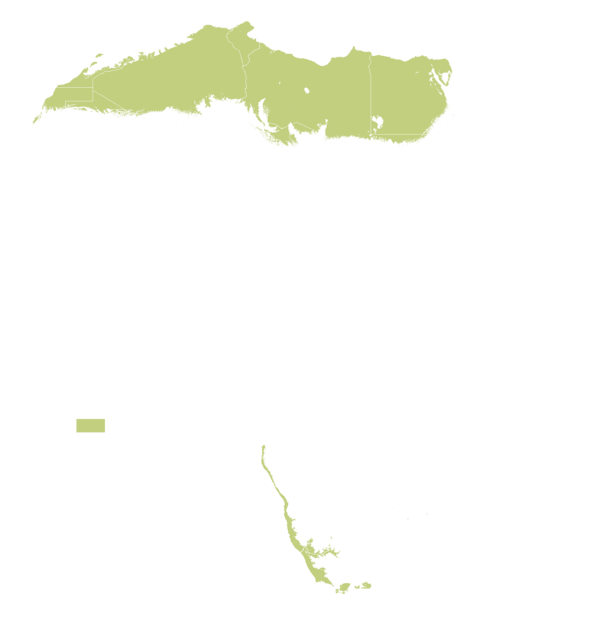
Agro-ecological zones where this technology can be used
AEZ Subtropic - warm Subtropic - cool Tropic - warm Tropic - cool
Arid
Semiarid
Subhumid
Humid

Source: HarvestChoice/IFPRI 2009

The United Nations Sustainable Development Goals that are applicable to this technology.
Sustainable Development Goal 2: zero hunger
Goal 2: zero hunger
Sustainable Development Goal 8: decent work and economic growth
Goal 8: decent work and economic growth
Sustainable Development Goal 13: climate action
Goal 13: climate action

  1. Design and Setup:

    • Begin by designing the raceway system within an existing pond. This involves creating channels or raceways within the pond to facilitate fish containment and water circulation.
  2. Water Circulation:

    • Install equipment like airlifts or paddle wheels to generate water flow within the raceways. This continuous circulation is crucial for maintaining optimal water conditions.
  3. Aeration:

    • Implement continuous forced aeration systems. These provide high levels of dissolved oxygen, which is vital for fish activity, feeding response, and overall health.
  4. Stocking Fish:

    • Introduce fish into the raceway channels. The IPRS design allows for higher stocking densities compared to traditional pond farming.
  5. Waste Management:

    • As fish produce waste, the water flow generated by the system helps in efficiently removing this waste from the raceways. This prevents waste buildup and maintains water quality.
  6. Water Filtration:

    • The unused water in the pond serves as a natural biological filter. It undergoes filtration processes and is recirculated back to the production area.
  7. Monitoring and Maintenance:

    • Regularly monitor water quality parameters such as oxygen levels, temperature, and pH. Conduct routine checks to ensure the equipment is functioning optimally.
  8. Feeding:

    • Provide appropriate feed for the fish. The efficient water circulation and oxygenation in the IPRS system contribute to improved feed conversion ratios.
  9. Harvesting:

    • When fish reach the desired size for harvest, use standard aquaculture practices for harvesting. The IPRS system facilitates better inventory estimates, making harvesting more efficient.
  10. Cleaning and Maintenance:

    • Periodically clean and maintain the raceways, aeration systems, and other components of the IPRS to ensure its continued effectiveness.

Last updated on 3 July 2026