TAAT e-catalog
for
Development partners
https://e-catalogs.taat-africa.org/org/technologies/geoagro-misr-yield-gap-analysis-tool
GeoAgro is a digital platform developed by ICARDA, designed to assist smallholder farmers. It offers a range of services including agronomy insights, weather updates, expert consultations, field-specific information, and a marketplace for buying and selling. It also provides financial advice, livestock management, water management solutions, and information about seeds and varieties. GeoAgro aims to optimize resource use, enhance agronomic gains, and support Egypt’s digital transformation agenda. It respects user privacy and contributes to ICARDA’s mission to address global challenges like climate change.
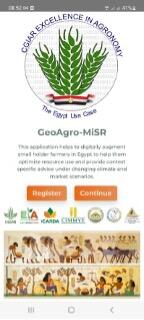
This technology is pre-validated.
Adults 18 and over: Positive medium
The poor: Positive low
Under 18: Positive high
Women: Positive low
Farmer climate change readiness: Moderate improvement
GeoAgro Digital is an integrated digital agriculture platform that connects smallholder farmers to personalized agronomic advice, climate information, digital marketplaces, financial services, and expert support through a one-stop digital solution. By combining farm management tools with market access and financial services, the platform improves productivity, optimizes resource use, and strengthens farmers' resilience to climate change. It is well suited for digital agriculture, climate-smart agriculture, food security, and agricultural value chain development programmes, contributing to SDGs 2 (Zero Hunger), 5 (Gender Equality), and 13 (Climate Action). The platform creates valuable entrepreneurship and digital advisory opportunities for women, youth, and extension service providers while promoting more equitable and climate-resilient farming systems.
To successfully integrate this technology, consider the following key actions :
Unknown
Scaling Readiness describes how complete a technology's development is and its ability to be scaled. It produces a score that measures a technology's readiness along two axes: the level of maturity of the idea itself, and the level to which the technology has been used so far.
Each axis goes from 0 to 9 where 9 is the “ready-to-scale” status. For each technology profile in the e-catalogs we have documented the scaling readiness status from evidence given by the technology providers. The e-catalogs only showcase technologies for which the scaling readiness score is at least 8 for maturity of the idea and 7 for the level of use.
The graph below represents visually the scaling readiness status for this technology, you can see the label of each level by hovering your mouse cursor on the number.
Read more about scaling readiness ›
Uncontrolled environment: tested
Common use by projects NOT connected to technology provider
| Maturity of the idea | Level of use | |||||||||
| 9 | ||||||||||
| 8 | ||||||||||
| 7 | ||||||||||
| 6 | ||||||||||
| 5 | ||||||||||
| 4 | ||||||||||
| 3 | ||||||||||
| 2 | ||||||||||
| 1 | ||||||||||
| 1 | 2 | 3 | 4 | 5 | 6 | 7 | 8 | 9 | ||
| Country | Testing ongoing | Tested | Adopted |
|---|---|---|---|
| Egypt | –No ongoing testing | Tested | Adopted |
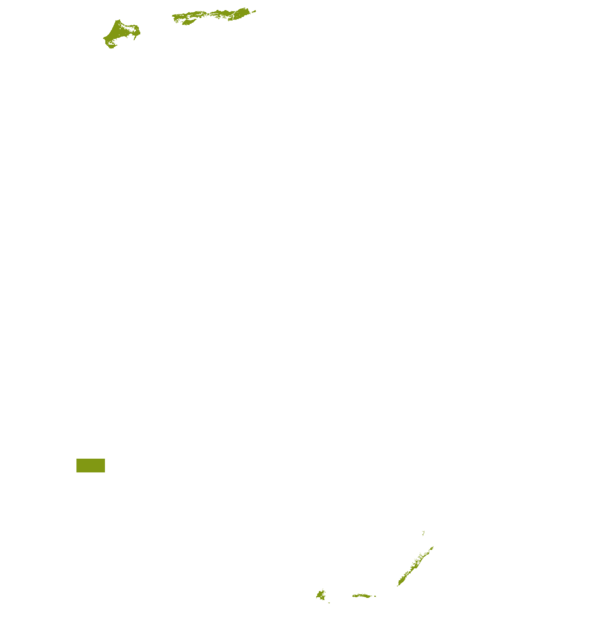
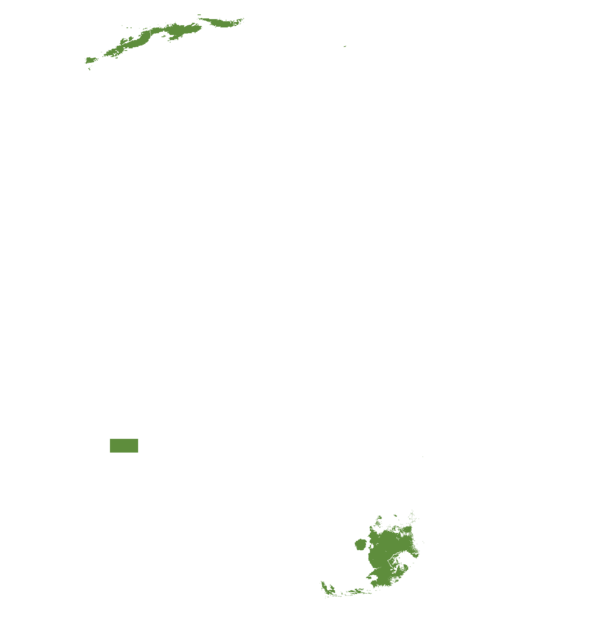
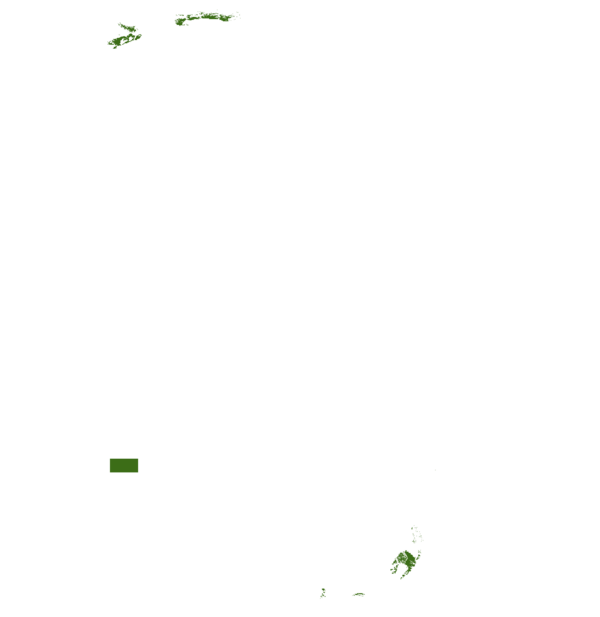
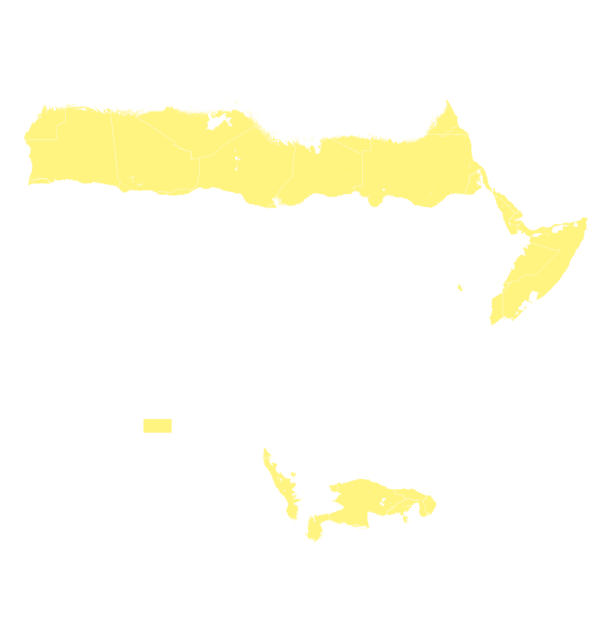
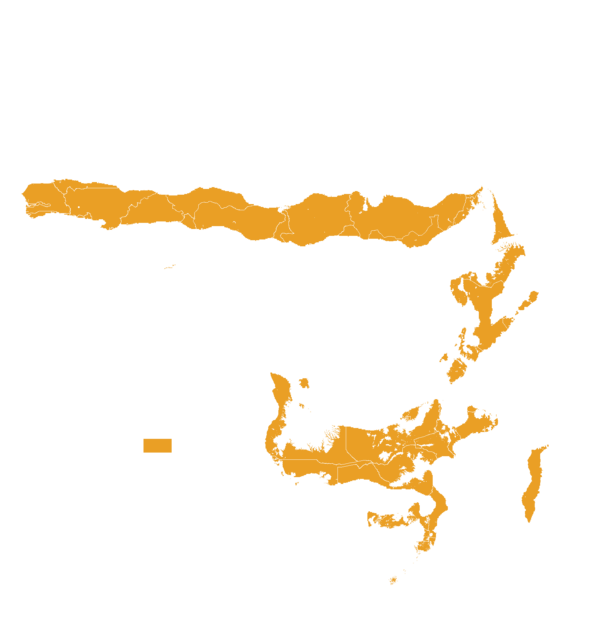
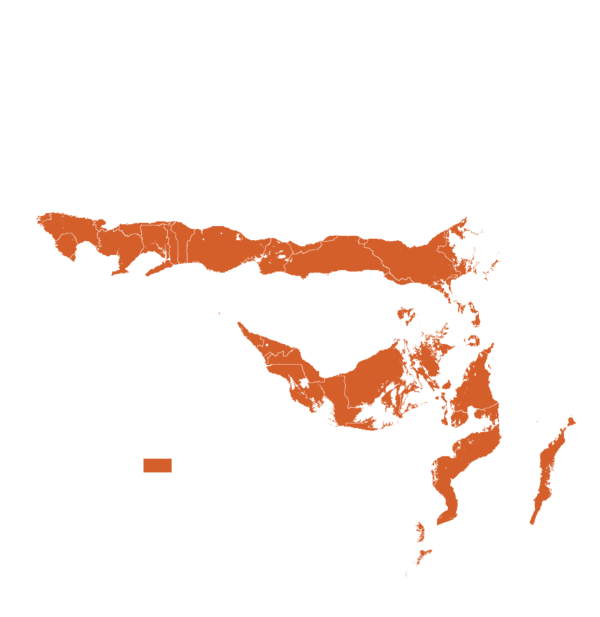
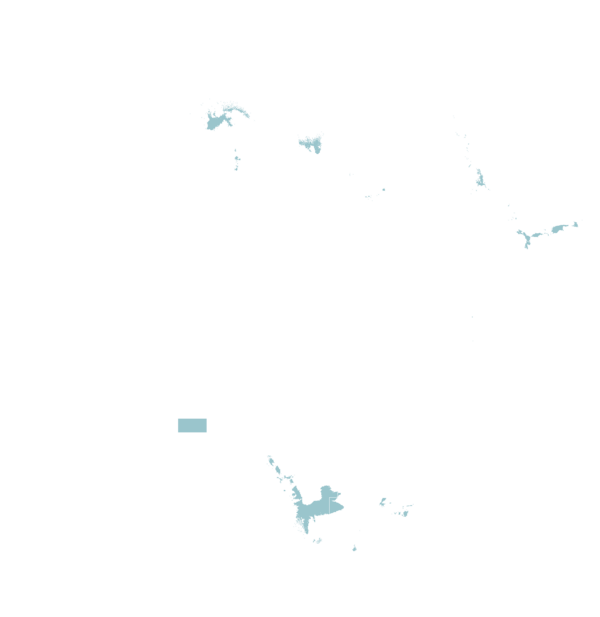
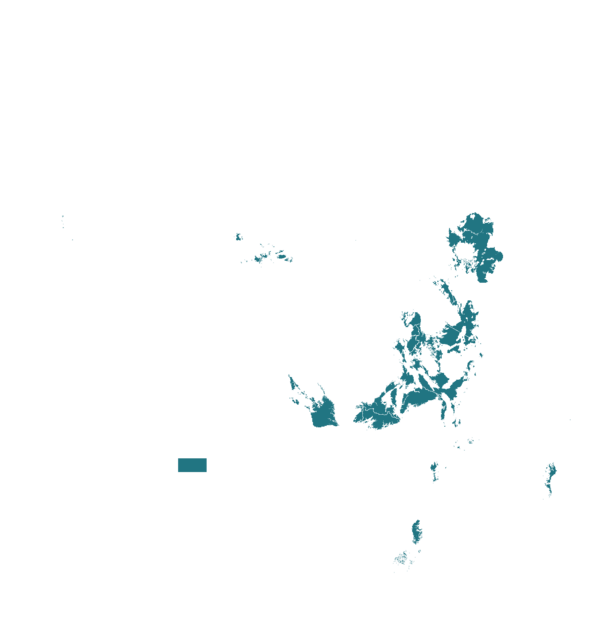
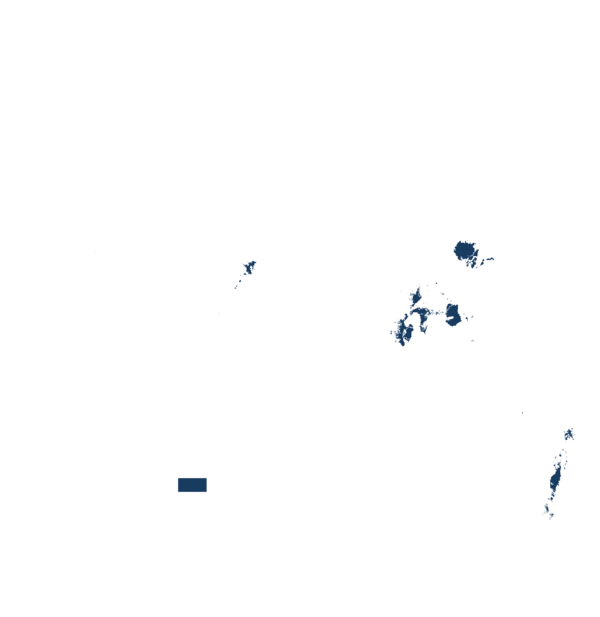
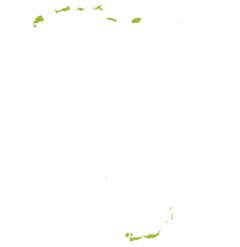
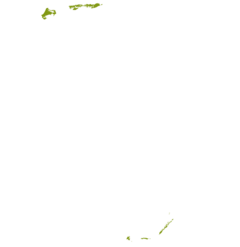
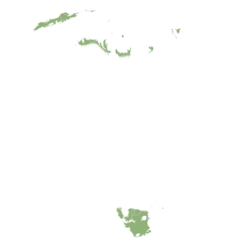
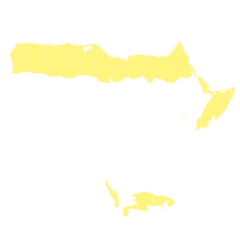
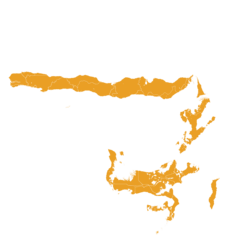
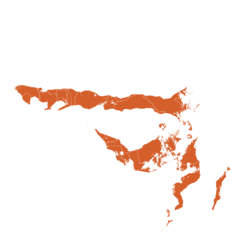
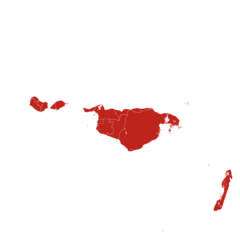
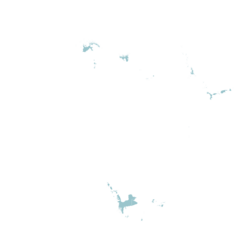
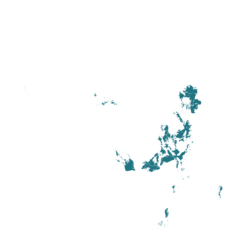
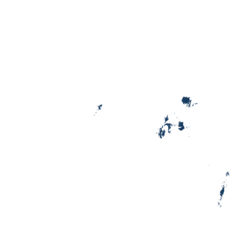
This technology can be used in the colored agro-ecological zones. Any zones shown in white are not suitable for this technology.
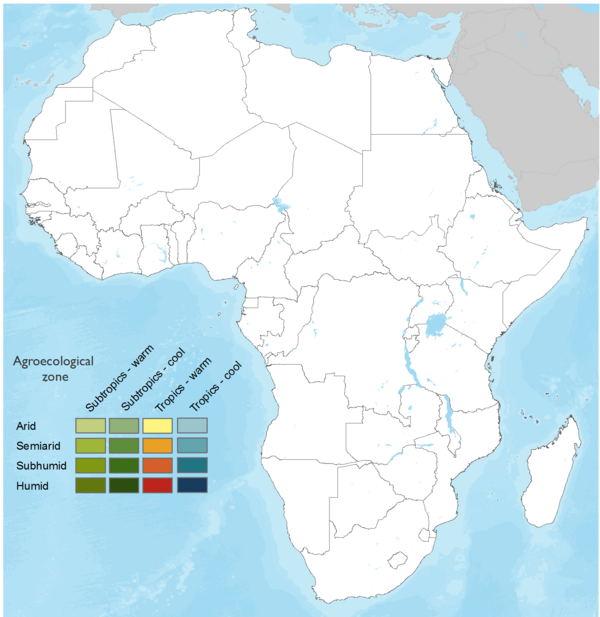
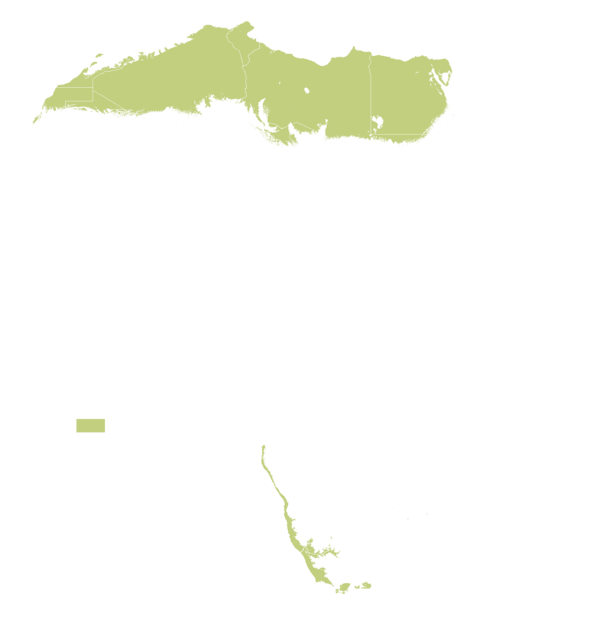






| AEZ | Subtropic - warm | Subtropic - cool | Tropic - warm | Tropic - cool |
|---|---|---|---|---|
| Arid | ||||
| Semiarid | ||||
| Subhumid | ||||
| Humid |
Source: HarvestChoice/IFPRI 2009
The United Nations Sustainable Development Goals that are applicable to this technology.

Here’s a step-by-step guide on how to use GeoAgro:
Registration: Start by registering on the GeoAgro platform. You’ll need to provide personal information such as your name, email address, phone number, age, gender, and role in agriculture.
GeoTagging Module: Use the GeoTagging module to submit your field characteristics. This involves answering a few survey questions about your plot, such as its latitude/longitude, the current crop, date of sowing, soil type, water management, fertilizer management, estimated crop yield, and more.
Access Information: Utilize the wealth of information available on the platform. This includes agronomy insights, weather updates, and the ability to consult with experts.
Marketplace: Use the marketplace feature to buy and sell products, thereby improving your access to markets.
Financial Advice: Take advantage of the financial advice and services offered by GeoAgro to improve your financial literacy and gain access to necessary financial services.
Resource Management: Use the specific information related to your field and the resource management solutions provided by GeoAgro to optimize your resource use and achieve better agronomic outcomes.
Climate Change Adaptation: As part of ICARDA’s mission, use the resources and advice provided by GeoAgro to adapt your farming practices to mitigate the effects of climate change.
Last updated on Sep 30, 2026
This technology can be used in the colored agro-ecological zones.







GeoAgro - MiSR -: Yield Gap Analysis Tool
https://e-catalogs.taat-africa.org/org/technologies/geoagro-misr-yield-gap-analysis-tool
Last updated on 30 September 2026, printed on Oct 9, 2026
Enquiries e-catalogs@taat.africa