
TAAT e-catalog
for
Development partners
https://e-catalogs.taat-africa.org/org/technologies/farmrise-digital-platform-for-advisory-and-crop-management
Expert farming solutions at your fingertips
FarmRise is a digital platform that strengthens agricultural service delivery by connecting farmers, agricultural advisors, agrodealers, input providers, and other agricultural service actors around shared farmer data, digital advisory, and information management. It addresses challenges related to limited access to reliable agricultural information, climate risks, crop health management, and counterfeit inputs by improving access to weather information, agronomic advisory, crop diagnostics, product verification, and digital farming solutions. The platform contributes to more efficient agricultural service ecosystems, improved farmer decision-making, stronger engagement between stakeholders, and data-driven agricultural development through its mobile-based digital functionality. Currently implemented in Kenya, FarmRise supports locally adapted agricultural services through multilingual content and integration with the Kenyan agricultural ecosystem.

This technology is pre-validated.
| Target Groups | Positive Impacts |
|---|---|
| Women smallholder farmers and women engaged in agricultural production |
|
| Smallholder farmers |
|
| Smallholder farmers in remote and low connectivity areas |
|
| Farmer groups and agricultural producers |
|
Climate adaptability: Highly adaptable
FarmRise is designed to work across a wide range of agroecological zones by combining localized weather data, agronomy recommendations, crop diagnostics, and location-based services.
Farmer climate change readiness: Significant improvement
FarmRise helps farmers adapt to climate change by providing localized weather forecasts, rainfall, temperature and humidity updates, expert agronomy advice, region-specific hybrid recommendations, and crop disease diagnostics that enable farmers to make better decisions before, during, and after the season.
Biodiversity: Positive impact on biodiversity
Through localized weather forecasts, agronomy advice, hybrid recommendations, and crop disease diagnostics, FarmRise helps farmers improve crop health, reduce losses from pests and diseases, and optimize the use of agricultural inputs. For livestock-producing households, the weather and advisory information indirectly support animal welfare by helping farmers plan feed production and farm activities around weather conditions. For nature and the broader environment, FarmRise supports climate-resilient farming practices by enabling farmers to respond to changing weather conditions, select suitable crop varieties, and improve resource management.
Environmental health: Greatly improves environmental health
FarmRise improves environmental health by helping farmers make better and informed decisions that can reduce waste, improve resource efficiency, and support more sustainable farming practices.
Soil quality: Not yet estimated
FarmRise indirectly support soil health and fertility by helping farmers make better agronomic decisions through weather updates, crop advisory services, crop diagnostics, and access to agronomy expertise.
Agricultural service coordination challenges: Weak collaboration and information exchange among farmers, advisors, agrodealers, and input providers reduce the efficiency and accessibility of agricultural service delivery.
Digital farmer data limitations: The lack of reliable and digitized farmer and farm information constrains personalized recommendations, service planning, monitoring, and data-driven decision-making.
Crop health management barriers: Limited access to early disease diagnosis, treatment guidance, and product verification increases crop losses and risks associated with agricultural inputs.
Digital farming adoption constraints: Limited digital literacy, smartphone access, and connectivity challenges restrict farmers’ ability to benefit from digital agricultural solutions.
Agricultural service delivery inefficiencies: Fragmented support systems and limited integration of digital tools reduce the reach, timeliness, and effectiveness of agricultural services.
FarmRise is a digital platform that improves access to agricultural information, strengthens farmer advisory services, supports crop health management, and enhances data-driven decision-making through mobile-based digital solutions. It can be integrated into digital agriculture, agricultural advisory, climate-smart agriculture, input management, smallholder farmer support, and agricultural transformation programs. Its adoption contributes to SDGs 1, 2, 8, 9, 12, 13, 15, and 17.
Current platform access is primarily designed for farmers in Kenya and requires an Kenyan phone number (+254). Organizations planning deployment outside Kenya should confirm country-specific registration, localization, and onboarding requirements with Bayer.
To integrate this technology into your project, plan and budget for the following activities and prerequisites:
Identify target agricultural production areas where farmers face challenges accessing reliable advisory services, weather information, crop health support, and agricultural inputs.
Establish partnerships with Bayer, agricultural extension services, agrodealers, farmer organizations, input providers, and other agricultural value chain actors.
Support the deployment and use of the FarmRise platform, including farmer registration and the creation of digital farmer and farm records.
Train field agents and relevant stakeholders on farmer onboarding, digital advisory delivery, crop diagnosis support, and effective platform use.
Facilitate the digitization of farmer information and farm data to improve personalized recommendations, service targeting, and decision-making.
Promote the use of digital services including agronomic advisory, weather information, crop health diagnosis, product verification, and agricultural information resources.
Support mobile-based service delivery to improve access to agricultural solutions among farmers, including those in rural and underserved areas.
Strengthen awareness and capacity-building activities to encourage adoption and effective use of digital farming services.
Implement monitoring, learning, and feedback activities throughout the project lifecycle to improve service delivery and user engagement.
Track key indicators such as farmers registered, digital profiles created, advisory services accessed, crop diagnoses performed, products verified, and stakeholders engaged through the platform.
Open source / open access
Scaling Readiness describes how complete a technology's development is and its ability to be scaled. It produces a score that measures a technology's readiness along two axes: the level of maturity of the idea itself, and the level to which the technology has been used so far.
Each axis goes from 0 to 9 where 9 is the “ready-to-scale” status. For each technology profile in the e-catalogs we have documented the scaling readiness status from evidence given by the technology providers. The e-catalogs only showcase technologies for which the scaling readiness score is at least 8 for maturity of the idea and 7 for the level of use.
The graph below represents visually the scaling readiness status for this technology, you can see the label of each level by hovering your mouse cursor on the number.
Read more about scaling readiness ›
Uncontrolled environment: validated
Common use by intended users, in the real world
| Maturity of the idea | Level of use | |||||||||
| 9 | ||||||||||
| 8 | ||||||||||
| 7 | ||||||||||
| 6 | ||||||||||
| 5 | ||||||||||
| 4 | ||||||||||
| 3 | ||||||||||
| 2 | ||||||||||
| 1 | ||||||||||
| 1 | 2 | 3 | 4 | 5 | 6 | 7 | 8 | 9 | ||
| Target Groups | Positive Impacts |
|---|---|
| Women smallholder farmers and women engaged in agricultural production |
|
| Smallholder farmers |
|
| Smallholder farmers in remote and low connectivity areas |
|
| Farmer groups and agricultural producers |
|
| Target Groups | Unintended Impacts | Mitigation Measures |
|---|---|---|
| Women smallholder farmers and women engaged in agricultural production |
|
|
| Youth and young agricultural entrepreneurs |
|
|
| Smallholder farmers in remote and low connectivity areas |
|
|
| Farmers with limited digital literacy |
|
|
| Target Groups | Barriers to Adoption | Mitigation Measures |
|---|---|---|
| Women smallholder farmers and women engaged in agricultural production |
|
|
| Youth and young agricultural entrepreneurs |
|
|
| Smallholder farmers in remote and low connectivity areas |
|
|
| Farmers with low digital literacy |
|
|
| Country | Testing ongoing | Tested | Adopted |
|---|---|---|---|
| Kenya | –No ongoing testing | –Not tested | Adopted |
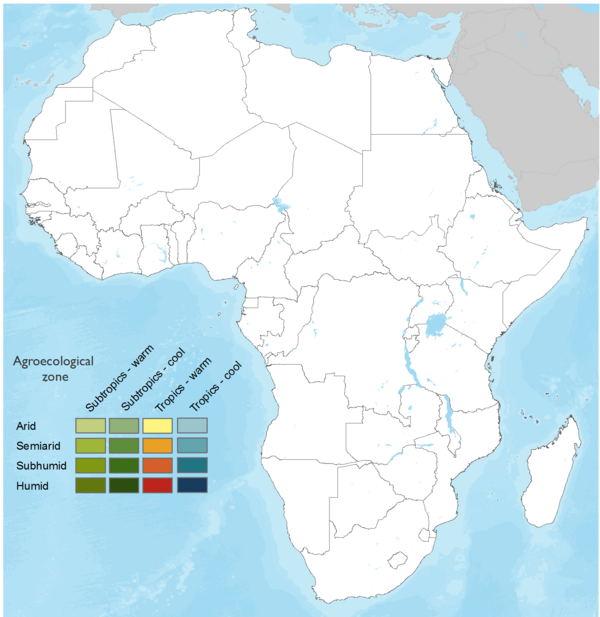
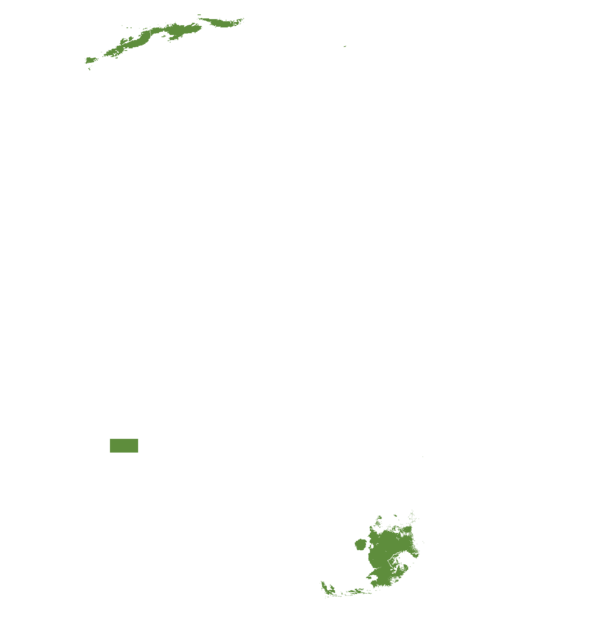
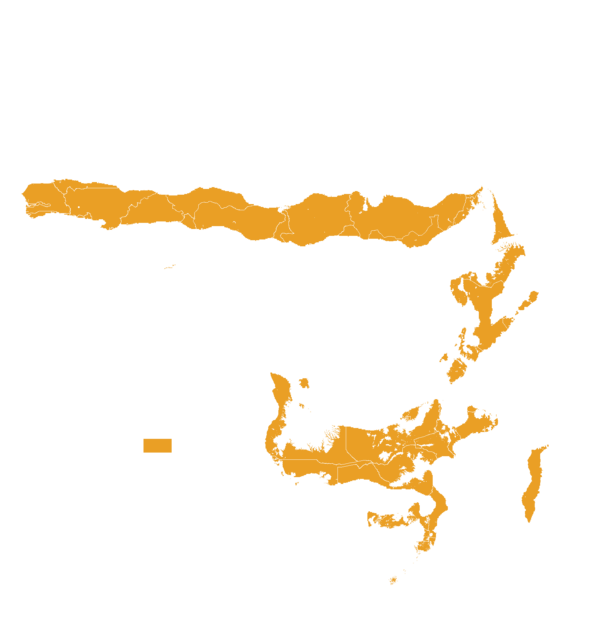
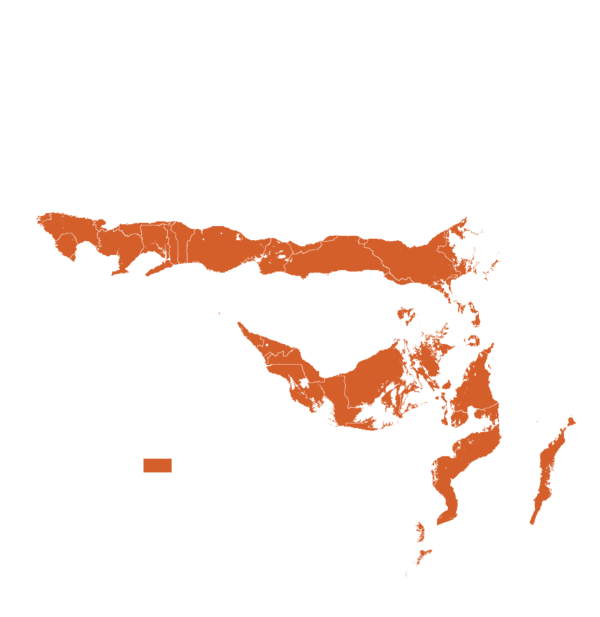
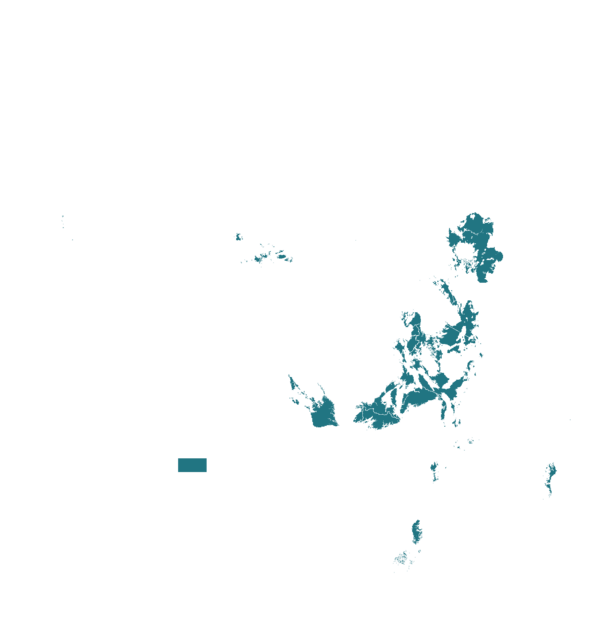
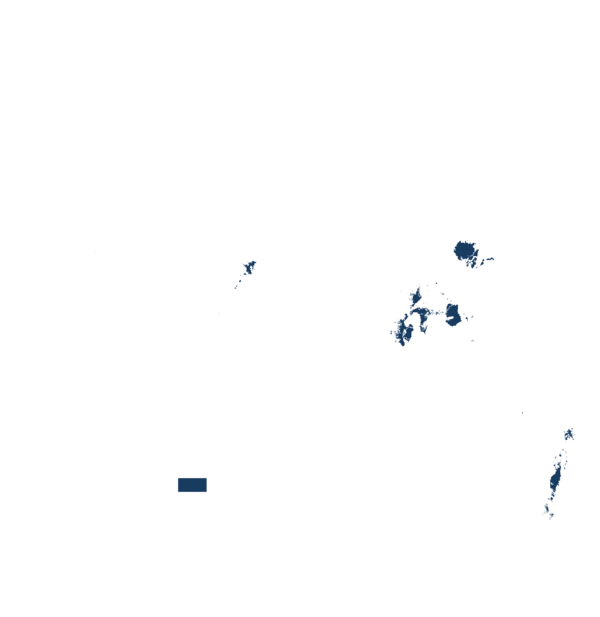
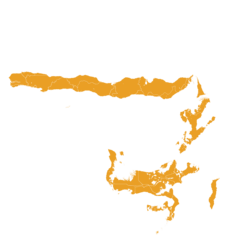
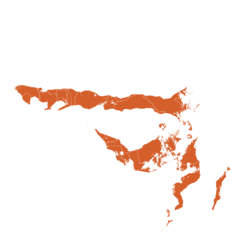
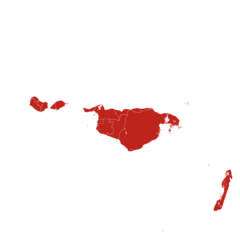
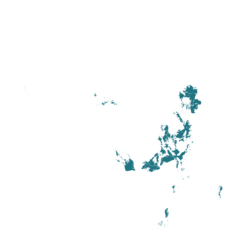
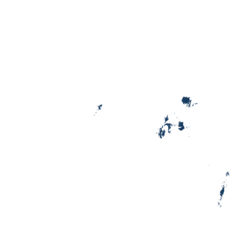
This technology can be used in the colored agro-ecological zones. Any zones shown in white are not suitable for this technology.






| AEZ | Subtropic - warm | Subtropic - cool | Tropic - warm | Tropic - cool |
|---|---|---|---|---|
| Arid | – | – | – | – |
| Semiarid | ||||
| Subhumid | ||||
| Humid | – |
Source: HarvestChoice/IFPRI 2009
The United Nations Sustainable Development Goals that are applicable to this technology.
FarmRise targets smallholder farmers and aims to improve productivity and profitability through agronomy advice, value-added services, access to financing/marketplace opportunities, and better farming decisions.
FarmRise supports food security by helping farmers improve crop management through weather updates, agronomy advisory, Crop Doctor, product catalogue, hybrid/seed recommendations, and access to genuine inputs.
FarmRise contributes to farmer income opportunities by supporting productivity, profitability, advisor engagement, agrodealer linkages, and potential credit/financial access.

FarmRise is a digital agricultural innovation platform that strengthens farmer decision-making through mobile-based advisory, weather data, product verification, and crop diagnostics.
FarmRise supports more responsible input use through agronomy advisory, weather-informed decisions, product information, and product authenticity verification, helping farmers choose and use agricultural inputs more appropriately.

FarmRise supports climate adaptation through weather updates, weather accuracy improvements, agronomy advisory, and crop diagnostics.
FarmRise indirectly supports land and ecosystem health by enabling better crop management, input efficiency, product authenticity, and climate-smart decisions.

FarmRise’s growth strategy includes strategic partnerships with telcos, cooperatives, NGOs, agrodealers, and agricultural programs.
Step-by-Step:
Step 1 – Download and install the FarmRise application
Download the FarmRise mobile application from the Google Play Store and install it on an Android smartphone to access digital farming services.
Step 2 – Register an account
Create an account using a valid Kenyan mobile phone number (+254) to access FarmRise services. The platform is currently designed for farmers in India and adapted to the local agricultural context.
Step 3 – Add farm information
Enter farm details, including location, crops, and planting information, to enable tailored recommendations and digital services.
Step 4 – Access agricultural advisory services
Farmers receive personalized agronomic recommendations, crop management guidance, and best farming practices through the platform.
Step 5 – Check weather information and alerts
Farmers access localized weather forecasts and alerts to support decisions related to planting, irrigation, spraying, and harvesting.
Step 6 – Diagnose crop health issues
Farmers upload images of affected crops through the Crop Doctor feature to receive AI-based disease identification and treatment recommendations.
Step 7 – Verify agricultural products
Farmers scan QR codes on Bayer products to verify authenticity and reduce risks associated with counterfeit inputs.
Step 8 – Explore agricultural products and solutions
Farmers access Bayer product information, recommended solutions, and crop-specific guidance to support input selection and usage.
Step 9 – Connect with agricultural service providers
Farmers access nearby agrodealers, agricultural advisors, and farmer events to improve access to products, services, and technical support.
Step 10 – Use digital recommendations throughout the farming cycle
Farmers regularly update farm information and apply recommendations from the platform to improve farm management, productivity, and decision-making.
Last updated on Sep 14, 2026
This technology can be used in the colored agro-ecological zones.







FarmRise: Digital Platform for Advisory and Crop Management
https://e-catalogs.taat-africa.org/org/technologies/farmrise-digital-platform-for-advisory-and-crop-management
Last updated on 14 September 2026, printed on Oct 20, 2026
Enquiries e-catalogs@taat.africa