TAAT e-catalog
for
Development partners
https://e-catalogs.taat-africa.org/org/technologies/biological-control-of-cassava-mealybug
Enhancing Cassava Resilience: Targeted Biocontrol with a Beneficial Wasp
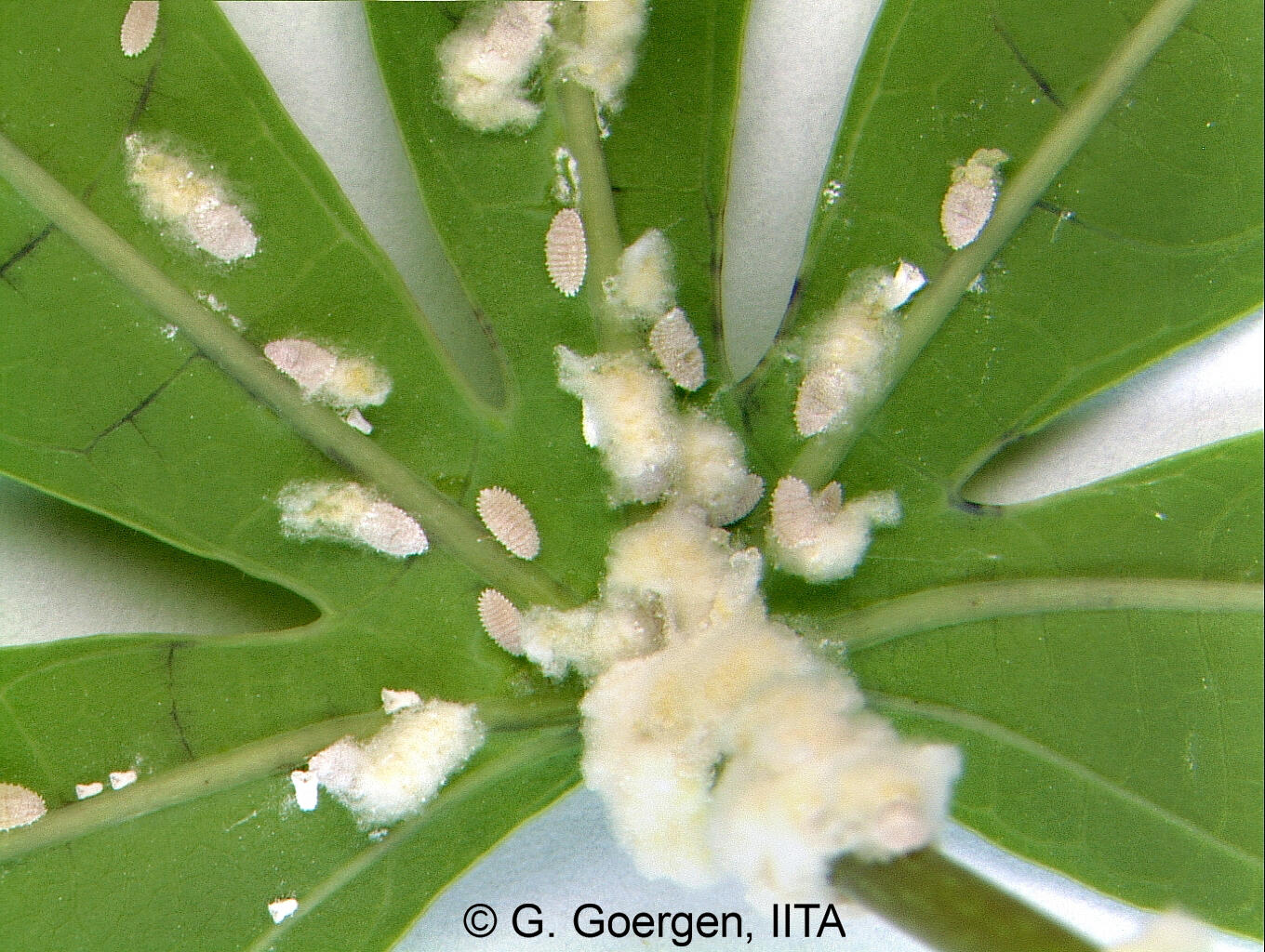
Biological control using Anagyrus lopezi is a method of managing pests naturally without relying on chemical pesticides. In this case, a small wasp from South America, A. lopezi, is used to control the cassava mealybug—a pest that damages cassava crops. The process begins by raising large numbers of these wasps in a controlled environment. Then, they are released into the field where they actively seek out the mealybugs. When a wasp finds a mealybug, it attaches itself and lays an egg on or inside the pest. Once the egg hatches, the wasp larva feeds on the mealybug from the inside, eventually killing it. This approach has been implemented in over 20 countries, reducing mealybug populations by about 90% and protecting cassava crops while saving farmers significant amounts of money.
This technology is pre-validated.
Adults 18 and over: Positive medium
Adult farmers experience increased yields and financial returns, enhancing overall community well-being.
The poor: Positive high
Cassava is a staple food for many low-income populations; effective CM control ensures food security and stabilises incomes for these communities.
Under 18: Positive low
Children benefit from improved household food security and nutrition, contributing to better health and educational outcomes.
Women: Positive high
Women, who often play key roles in cassava cultivation and processing, benefit from reduced labor and increased productivity due to effective CM management.
Climate adaptability: Moderately adaptable
By releasing A. lopezi the problem was solved. No negative impacts on alternate hosts or the environment were ever found. Interestingly the impact of A. lopezi was 90% in all ecological zones (except in dry areas) and permanent, i.e. throughout the year.
Farmer climate change readiness: Moderate improvement
Adopting biocontrol methods reduces reliance on chemical pesticides, leading to more sustainable farming practices that are better suited to adapt to climate change impacts.
Biodiversity: Positive impact on biodiversity
Biocontrol methods preserve and enhance biodiversity by reducing the use of chemical pesticides that can harm non-target species, thereby maintaining ecological balance.
Carbon footprint: A bit less carbon released
In Africa, our travel to release and monitor CM and A. lopezi wass made by airplane and car. The initial impact and initial costs were therefore high, but of short duration only, whereas the continuous impact will have no costs.
Environmental health: Greatly improves environmental health
By minimizing chemical pesticide usage, biocontrol contributes to improved environmental health, reducing soil and water contamination and protecting beneficial organisms.
Soil quality: Does not affect soil health and fertility
Reducing chemical inputs through biocontrol helps maintain soil health by preserving beneficial microorganisms essential for nutrient cycling and soil structure.
Water use: Same amount of water used
While healthier cassava plants resulting from effective pest management may have improved water use efficiency, direct impacts of biocontrol on water use are less documented.
The SIS Framework is a structured roadmap that enables governments and development institutions to design, strengthen, and sustain national Soil Information Systems by integrating financial sustainability, institutional development, technical capacity, and FAIR data management into a single implementation process. By supporting demand-driven and interoperable soil information systems, the framework strengthens evidence-based land management, agricultural planning, climate adaptation, and sustainable natural resource management. It is well suited for sustainable soil management, digital agriculture, and agricultural planning programmes, contributing to SDGs 2 (Zero Hunger), 13 (Climate Action), 15 (Life on Land), and 17 (Partnerships for the Goals). The framework creates opportunities for women and youth through specialized roles in data stewardship, digital information management, geospatial analysis, and technical advisory services. To successfully integrate this framework, consider the following key actions:
Estimation of benefits over 40 years (1974–2013) across 27 African countries
Open source / open access
Scaling Readiness describes how complete a technology's development is and its ability to be scaled. It produces a score that measures a technology's readiness along two axes: the level of maturity of the idea itself, and the level to which the technology has been used so far.
Each axis goes from 0 to 9 where 9 is the “ready-to-scale” status. For each technology profile in the e-catalogs we have documented the scaling readiness status from evidence given by the technology providers. The e-catalogs only showcase technologies for which the scaling readiness score is at least 8 for maturity of the idea and 7 for the level of use.
The graph below represents visually the scaling readiness status for this technology, you can see the label of each level by hovering your mouse cursor on the number.
Read more about scaling readiness ›
Uncontrolled environment: validated
Common use by projects NOT connected to technology provider
| Maturity of the idea | Level of use | |||||||||
| 9 | ||||||||||
| 8 | ||||||||||
| 7 | ||||||||||
| 6 | ||||||||||
| 5 | ||||||||||
| 4 | ||||||||||
| 3 | ||||||||||
| 2 | ||||||||||
| 1 | ||||||||||
| 1 | 2 | 3 | 4 | 5 | 6 | 7 | 8 | 9 | ||
| Country | Testing ongoing | Tested | Adopted |
|---|---|---|---|
| Benin | –No ongoing testing | –Not tested | Adopted |
| Burkina Faso | –No ongoing testing | –Not tested | Adopted |
| Burundi | –No ongoing testing | –Not tested | Adopted |
| Cameroon | –No ongoing testing | –Not tested | Adopted |
| Central African Republic | –No ongoing testing | –Not tested | Adopted |
| Chad | –No ongoing testing | –Not tested | Adopted |
| Côte d’Ivoire | –No ongoing testing | –Not tested | Adopted |
| Democratic Republic of the Congo | –No ongoing testing | –Not tested | Adopted |
| Equatorial Guinea | –No ongoing testing | –Not tested | Adopted |
| Gabon | –No ongoing testing | –Not tested | Adopted |
| Gambia | –No ongoing testing | –Not tested | Adopted |
| Ghana | –No ongoing testing | –Not tested | Adopted |
| Guinea | –No ongoing testing | –Not tested | Adopted |
| Guinea-Bissau | –No ongoing testing | –Not tested | Adopted |
| Liberia | –No ongoing testing | –Not tested | Adopted |
| Malawi | –No ongoing testing | –Not tested | Adopted |
| Mali | –No ongoing testing | –Not tested | Adopted |
| Mozambique | –No ongoing testing | –Not tested | Adopted |
| Niger | –No ongoing testing | –Not tested | Adopted |
| Nigeria | –No ongoing testing | Tested | Adopted |
| Republic of the Congo | –No ongoing testing | –Not tested | Adopted |
| Senegal | –No ongoing testing | –Not tested | Adopted |
| Sierra Leone | –No ongoing testing | –Not tested | Adopted |
| South Africa | –No ongoing testing | –Not tested | Adopted |
| Tanzania | –No ongoing testing | –Not tested | Adopted |
| Togo | –No ongoing testing | –Not tested | Adopted |
| Uganda | –No ongoing testing | –Not tested | Adopted |
| Zambia | –No ongoing testing | –Not tested | Adopted |
| Zimbabwe | –No ongoing testing | –Not tested | Adopted |
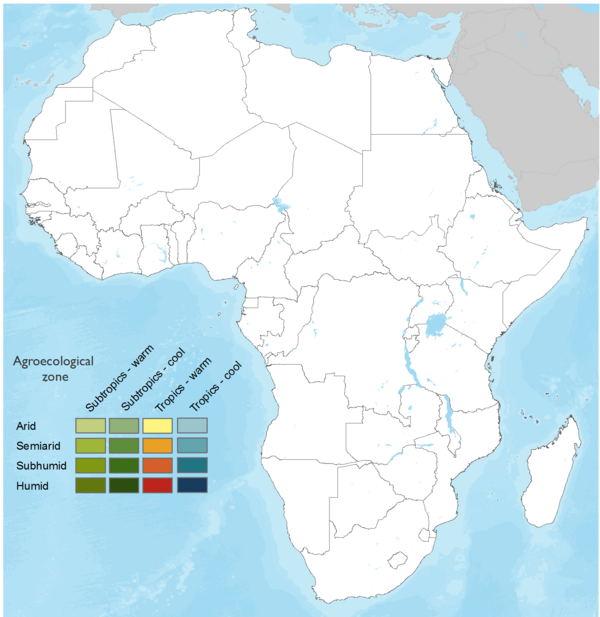
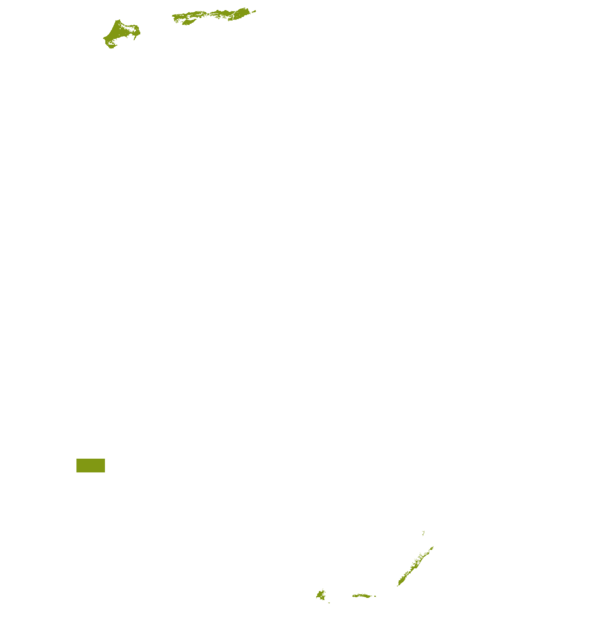
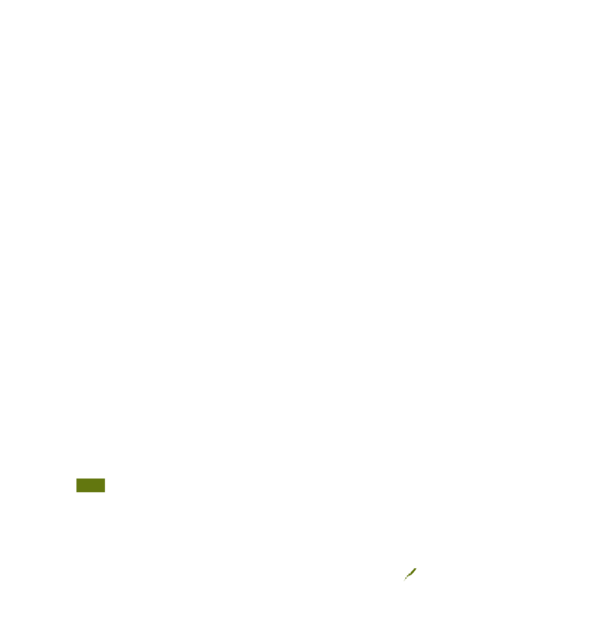
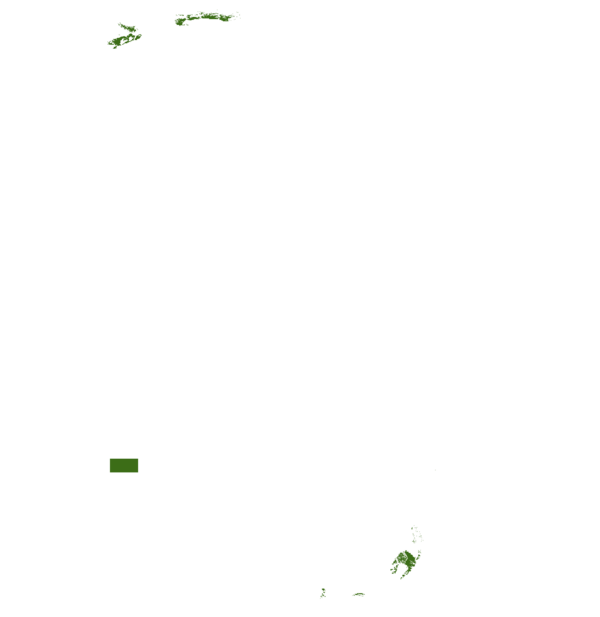
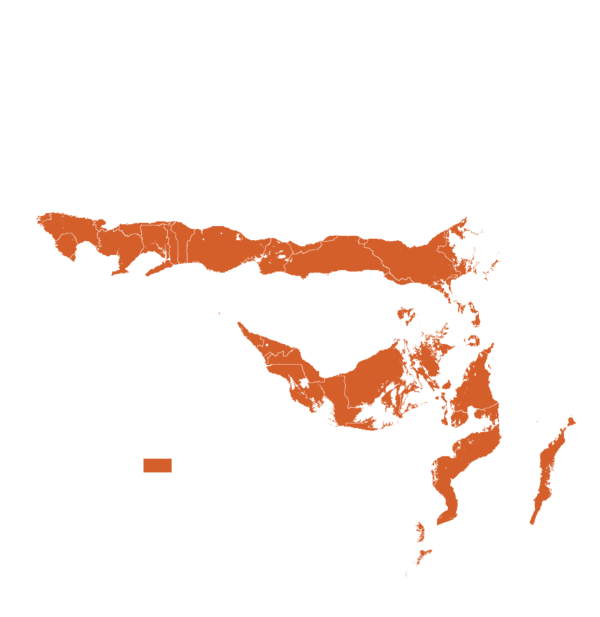
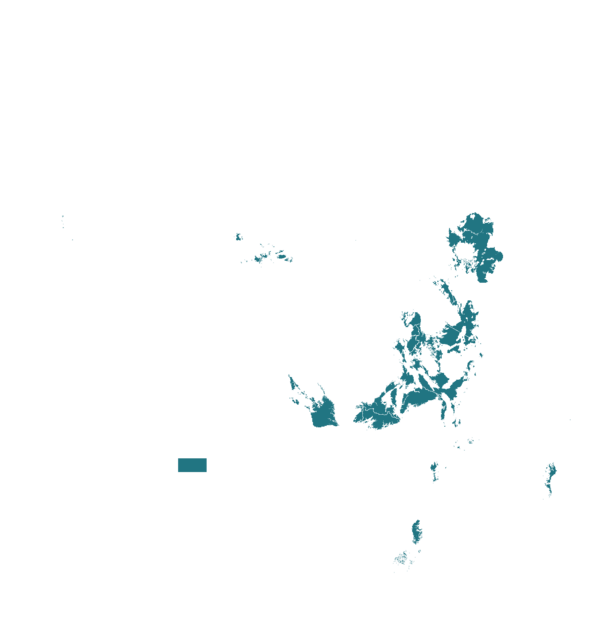
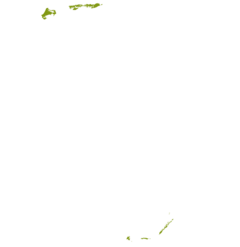
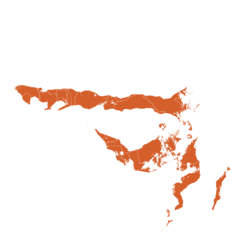
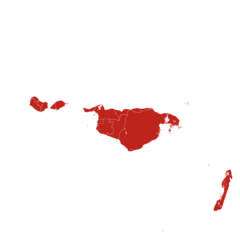
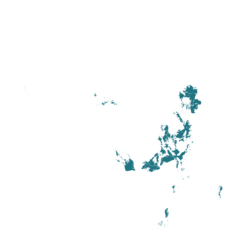
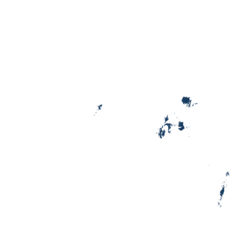
This technology can be used in the colored agro-ecological zones. Any zones shown in white are not suitable for this technology.


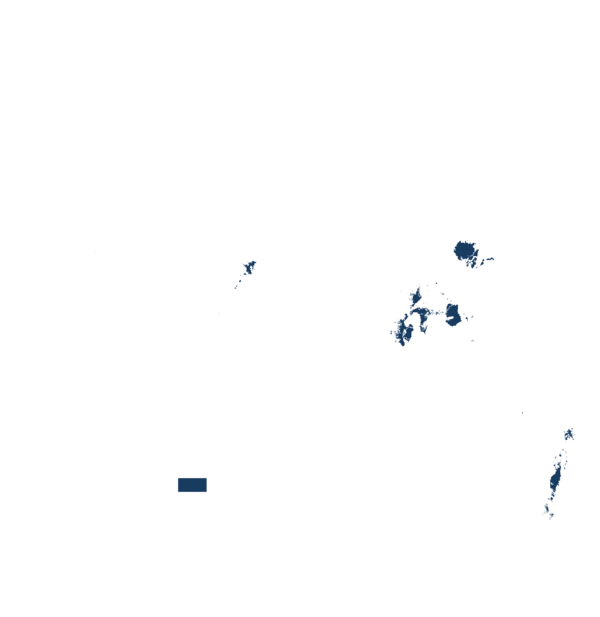
| AEZ | Subtropic - warm | Subtropic - cool | Tropic - warm | Tropic - cool |
|---|---|---|---|---|
| Arid | – | – | – | – |
| Semiarid | – | – | – | – |
| Subhumid | ||||
| Humid |
Source: HarvestChoice/IFPRI 2009
The United Nations Sustainable Development Goals that are applicable to this technology.

The establishment of A. lopezi solved a crisis by halting the cassava mealybug's destruction of cassava fields thereby safeguarding the livelihoods of millions of farmers and contributing to the reduction of poverty
The establishment of A. lopezi solved a crisis caused by the cassava mealybug's destruction of cassava fields, which are the main staple food in these countries.
Last updated on Sep 30, 2026
This technology can be used in the colored agro-ecological zones.





Biological control of cassava mealybug
https://e-catalogs.taat-africa.org/org/technologies/biological-control-of-cassava-mealybug
Last updated on 30 September 2026, printed on Oct 9, 2026
Enquiries e-catalogs@taat.africa