TAAT e-catalog
for
government
https://e-catalogs.taat-africa.org/gov/technologies/uliza-wi-agro-weather-chatbot
Weather Impact's latest dissemination tool for the next generation of climate-smart agriculture solutions
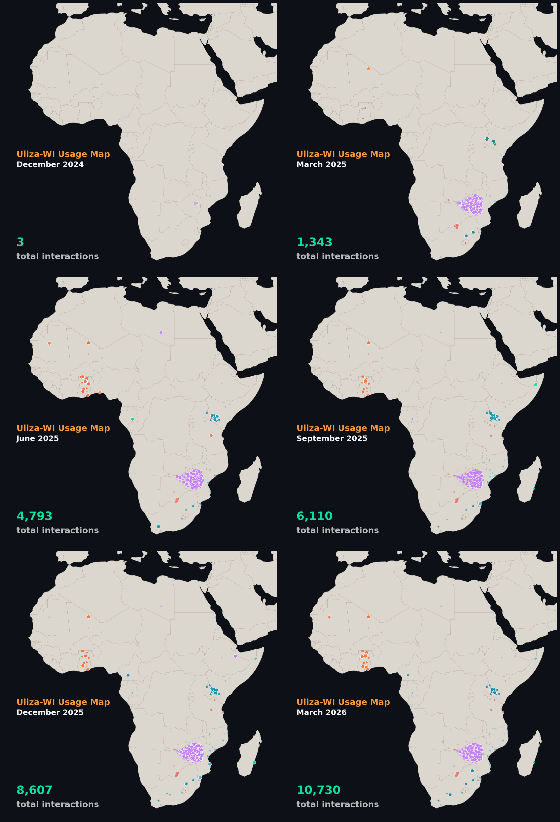
ULIZA-WI is a digital climate advisory chatbot developed by Weather Impact, accessible via Telegram. It provides farmers with real-time, localized weather information and actionable agricultural advice through a simple, interactive interface. Designed for accessibility and responsiveness, ULIZA-WI allows farmers to request information at any time—“Uliza” meaning “ask” in Swahili—receiving tailored guidance on key farming decisions such as planting, irrigation, fertilization, and harvesting.
This technology is pre-validated.
| Vulnerable group | Positive impacts |
|---|---|
| Women farmers |
|
| Remote and rural smallholder farmers |
|
| Low-literacy farmers |
|
Climate adaptability: Highly adaptable
Agro-Weather information is useful in any climate, and the weather data behind the chatbot is available in all African countries.
Farmer climate change readiness: Significant improvement
Using the ULIZA-WI chatbot, Farmers can be more prepared for climate extremes such as extreme rainfall and droughts.
Biodiversity: No impact on biodiversity
The chatbot does stimulate farmers directly to promote biodiversity, but does contain content on conservation agriculture, which could help to improve biodiversity around the fields.
Carbon footprint: A bit less carbon released
The ULIZA-WI chatbot can help optimise the use of inputs such as fertiliser and pesticides, slightly decreasing the carbon footprint of farmers
Environmental health: Moderately improves environmental health
The ULIZA-WI chatbot can help optimise the use of inputs such as fertiliser and pesticides, slightly decreasing the carbon footprint of farmers
Water use: A bit less water used
Using the ULIZA-WI chatbot, farmers can be more informed on when it will rain, and can therefore optimise their use of irrigation.
Soil quality: Not yet estimated
The chatbot does not stimulate farmers directly to improve soil quality, but does contain content on conservation agriculture, which could help to improve soil quality of the agricultural fields.
ULIZA-WI is implemented as a digital tool to improve climate resilience and agricultural decision-making among smallholder farmers, especially vulnerable populations.
The preparation phase focuses on assessing local climate risks, understanding farmers’ digital literacy levels, identifying vulnerable groups (women, youth, remote farmers), and adapting content to local languages, crops, and agro-ecological contexts to ensure relevance and accessibility.
The pilot phase involves testing the chatbot with selected farmer groups, providing hands-on training to ensure proper use, and collecting feedback from users to refine the system, improve usability, and adapt advisory content to real field conditions.
The implementation phase focuses on scaling the solution through partnerships with local organizations, cooperatives, and extension systems, supported by awareness campaigns to increase adoption. Continuous monitoring is carried out to track usage, user satisfaction, and behavioral changes in farming practices.
Overall, the project approach ensures that the technology is not only deployed but effectively adopted and adapted to local needs.
No formal IP rights
Scaling Readiness describes how complete a technology's development is and its ability to be scaled. It produces a score that measures a technology's readiness along two axes: the level of maturity of the idea itself, and the level to which the technology has been used so far.
Each axis goes from 0 to 9 where 9 is the “ready-to-scale” status. For each technology profile in the e-catalogs we have documented the scaling readiness status from evidence given by the technology providers. The e-catalogs only showcase technologies for which the scaling readiness score is at least 8 for maturity of the idea and 7 for the level of use.
The graph below represents visually the scaling readiness status for this technology, you can see the label of each level by hovering your mouse cursor on the number.
Read more about scaling readiness ›
Uncontrolled environment: tested
Used by some intended users, in the real world
| Maturity of the idea | Level of use | |||||||||
| 9 | ||||||||||
| 8 | ||||||||||
| 7 | ||||||||||
| 6 | ||||||||||
| 5 | ||||||||||
| 4 | ||||||||||
| 3 | ||||||||||
| 2 | ||||||||||
| 1 | ||||||||||
| 1 | 2 | 3 | 4 | 5 | 6 | 7 | 8 | 9 | ||
| Vulnerable group | Positive impacts |
|---|---|
| Women farmers |
|
| Remote and rural smallholder farmers |
|
| Low-literacy farmers |
|
| Vulnerable group | Unintended impacts | Mitigation measures |
|---|---|---|
| Women farmers |
|
|
| Remote and rural smallholder farmers |
|
|
| Low-literacy farmers |
|
|
| Vulnerable group | Barriers | Mitigation measures |
|---|---|---|
| Women farmers |
|
|
| Remote and rural smallholder farmers |
|
|
| Low-literacy farmers |
|
|
| Country | Testing ongoing | Tested | Adopted |
|---|---|---|---|
| Ghana | –No ongoing testing | Tested | Adopted |
| Kenya | –No ongoing testing | Tested | Adopted |
| South Africa | –No ongoing testing | Tested | Adopted |
| Zimbabwe | –No ongoing testing | Tested | Adopted |
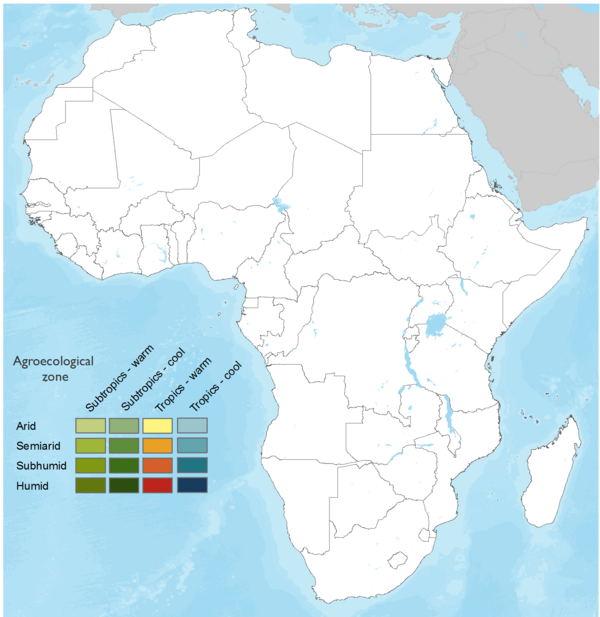
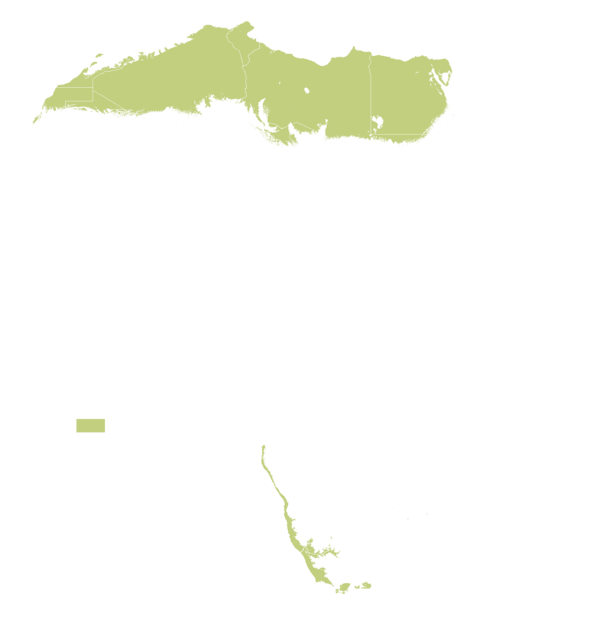
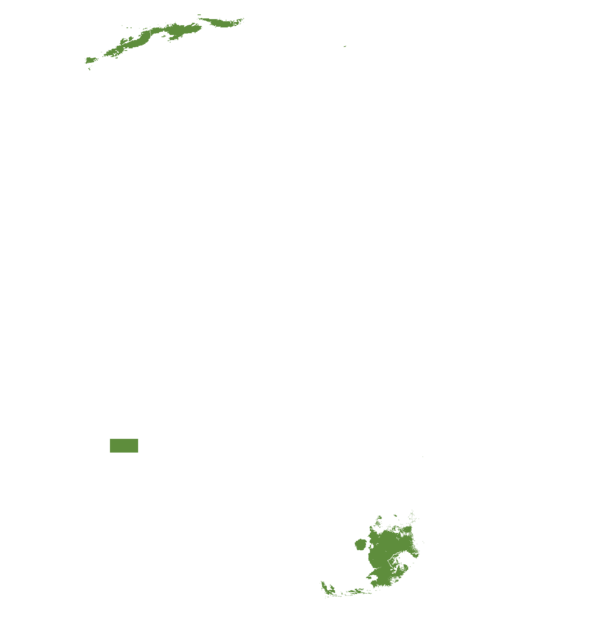
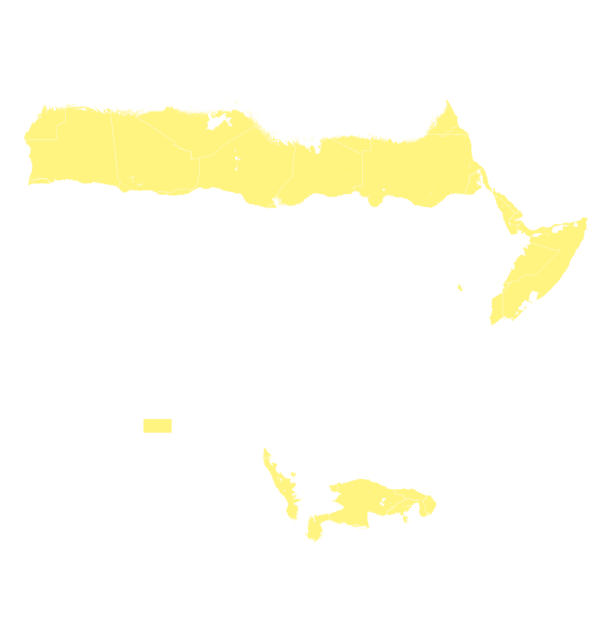
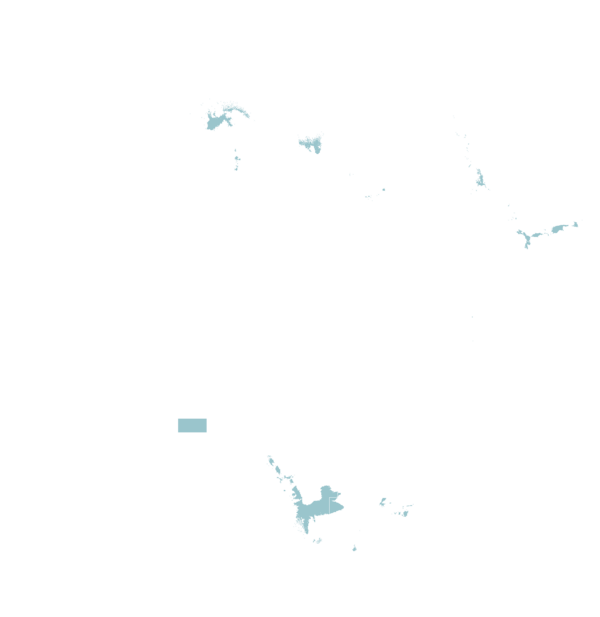
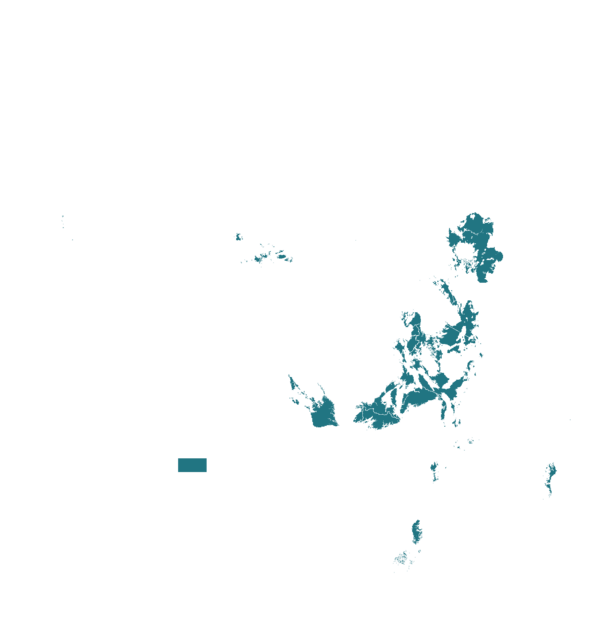
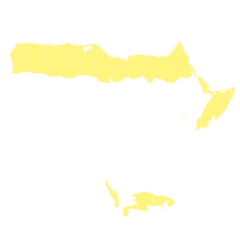
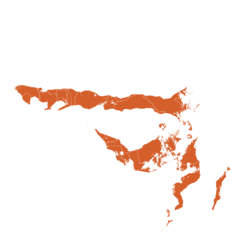
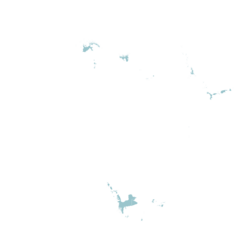
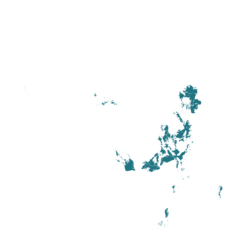
This technology can be used in the colored agro-ecological zones. Any zones shown in white are not suitable for this technology.











| AEZ | Subtropic - warm | Subtropic - cool | Tropic - warm | Tropic - cool |
|---|---|---|---|---|
| Arid | ||||
| Semiarid | ||||
| Subhumid | ||||
| Humid |
Source: HarvestChoice/IFPRI 2009
The United Nations Sustainable Development Goals that are applicable to this technology.

Use of the ULIZA-WI chatbot can help farmers time their activities better, which has proven to increase yield in certain cases by up to 20%, and can decrease input costs by eliminating outwash of inputs after heavy precipitation.
Use of the ULIZA-WI chatbot can help farmers time their activities better, which has proven to increase yield in certain cases by up to 20%. Farmers can also better anticipate extreme precipitation, which farmers have used to harvest before a flood, helping to secure food in times of environmental disasters.
The Uliza-WI chatbot is available for all, and levels the playing field by making climate information available for both men and women.
The Uliza-WI chatbot is available for all, and levels the playing field by making climate information available for both men and women.
Last updated on Sep 14, 2026

This technology can be used in the colored agro-ecological zones.














ULIZA-WI: Agro-weather chatbot
https://e-catalogs.taat-africa.org/gov/technologies/uliza-wi-agro-weather-chatbot
Last updated on 14 September 2026, printed on Oct 23, 2026
Enquiries e-catalogs@taat.africa