TAAT e-catalog
for
government
https://e-catalogs.taat-africa.org/gov/technologies/tokyo8-microbial-soil-health-activator-for-enhanced-crop-productivity
Activating Soil Life for Sustainable Productivity
TOKYO8 is a 100% organic concentrated liquid microbial soil activator. The formulation contains a diverse consortium of more than 1,500 beneficial microorganisms that restore soil biological activity, accelerate the natural decomposition of organic matter, and improve nutrient cycling to rebuild soil fertility. Suitable for a wide range of Crops, including Rice, Maize, Onion, Potato, Chinese Cabbage, and Tomato, TOKYO8 is supplied as a biodegradable, odorless, non-hazardous formulation certified under the JAS Organic standard. The preparation contains a diverse group of beneficial microorganisms, including Proteobacteria, Chloroflexus, Actinobacteria, Firmicutes, and Bacteroidetes, along with enzymes like lipase and protease and essential trace elements such as magnesium, iron, and zinc.
This technology is pre-validated.
|
Target Groups |
Positive Impacts |
|
Women smallholder farmers in remote areas |
|
|
Women smallholder farmers with degraded soils |
|
|
Women farmers with degraded soils in remote areas |
|
|
Smallholder farmers with degraded soils in remote areas |
|
Climate adaptability: Highly adaptable
The product is able to work in different climate and have been tested almost in all regions proving its efficacy in various types of climates.
Farmer climate change readiness: Significant improvement
The product work well throughout the season.
Biodiversity: Positive impact on biodiversity
It has no negative impact on animals or other plants. It is very safe for the environment and contains no chemical that will have any side effects.
Carbon footprint: A bit less carbon released
The production and usage of this product does not release any harmful carbon in the environment. It is orderless and colorless.
Environmental health: Greatly improves environmental health
Tokyo8 helps to regenerate lost soils and improve the nature of the environment by using micro organisms
Soil quality: Improves soil health and fertility
Tokyo8 improves the general quality of the soil for planting. Especially helping replace lost nutrients and stabilizing the soil for a good plantation.
Water use: A bit less water used
Tokyo8 in comparison to other fertilizers, the application method is more convenient, easy and needs less water for its effectiveness.
Widespread soil degradation: Declining soil quality reduces agricultural productivity and threatens the long-term productive capacity of farmland.
Weak soil biological functions: Unsustainable management practices can damage soil biodiversity and the natural processes that support fertility.
Declining nutrient efficiency: Poor soil health reduces the efficiency of fertilizer investments across crop production systems.
Dependence on imported fertilizers: Heavy reliance on imported synthetic fertilizers increases production costs and creates pressure on agricultural input systems.
Limited sustainable restoration options: Insufficient access to biological soil restoration solutions constrains efforts to rebuild soil fertility.
Threats to food security: Declining soil productivity can reduce crop output and undermine the sustainability of national food production systems.
Restores degraded soils: TOKYO8 reactivates beneficial microbial activity to help rebuild soil health and productive capacity.
Strengthens soil biological functions: The technology supports natural decomposition and nutrient cycling processes that contribute to long-term soil fertility.
Improves nutrient-use efficiency: Enhanced nutrient availability helps crops make better use of soil nutrients and fertilizer inputs.
Provides a biological soil improvement option: The organic microbial formulation offers an additional approach to soil restoration alongside appropriate agronomic practices.
Supports sustainable agricultural production: Improved soil functionality can contribute to more resilient farming systems and better management of agricultural resources.
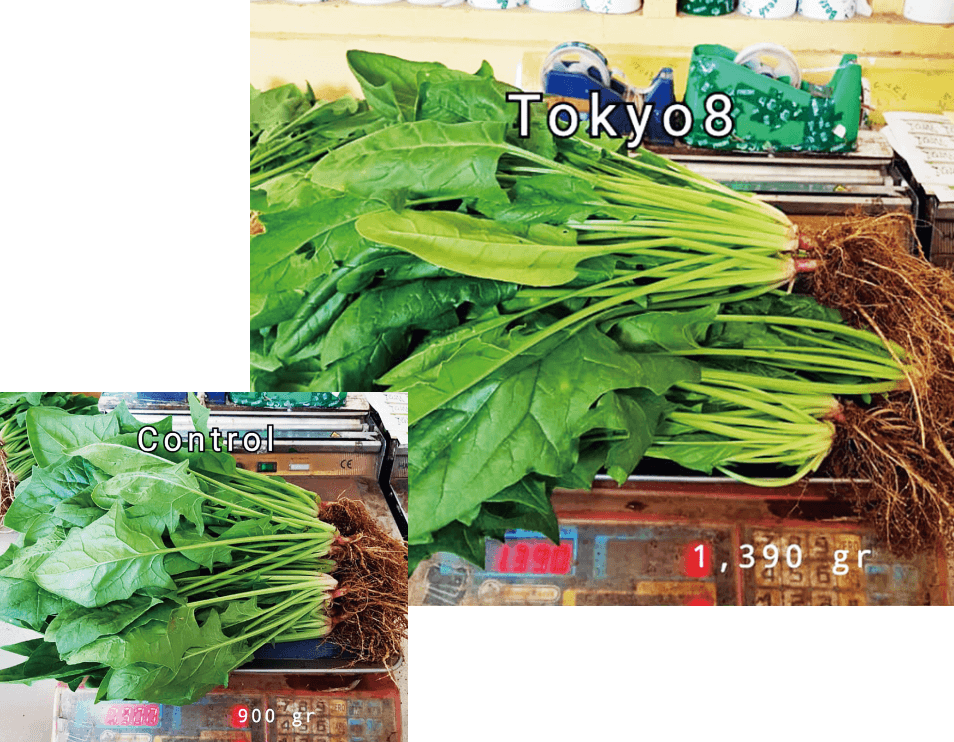
Contributes to higher productivity: Better soil health and nutrient availability can improve crop performance, with reported yield gains of up to 20% in the e-catalog.
TOKYO8 provides a practical solution to restore soil health, strengthen climate resilience, and improve the sustainability of agricultural production systems. By enhancing soil biological activity and supporting long-term soil fertility, the technology contributes to national food security, sustainable land management, and agricultural transformation. To successfully integrate this technology :
Every USD invested returns USD 8.6 net income.
Trademark
Scaling Readiness describes how complete a technology's development is and its ability to be scaled. It produces a score that measures a technology's readiness along two axes: the level of maturity of the idea itself, and the level to which the technology has been used so far.
Each axis goes from 0 to 9 where 9 is the “ready-to-scale” status. For each technology profile in the e-catalogs we have documented the scaling readiness status from evidence given by the technology providers. The e-catalogs only showcase technologies for which the scaling readiness score is at least 8 for maturity of the idea and 7 for the level of use.
The graph below represents visually the scaling readiness status for this technology, you can see the label of each level by hovering your mouse cursor on the number.
Read more about scaling readiness ›
Uncontrolled environment: tested
Used by some intended users, in the real world
| Maturity of the idea | Level of use | |||||||||
| 9 | ||||||||||
| 8 | ||||||||||
| 7 | ||||||||||
| 6 | ||||||||||
| 5 | ||||||||||
| 4 | ||||||||||
| 3 | ||||||||||
| 2 | ||||||||||
| 1 | ||||||||||
| 1 | 2 | 3 | 4 | 5 | 6 | 7 | 8 | 9 | ||
|
Target Groups |
Positive Impacts |
|
Women smallholder farmers in remote areas |
|
|
Women smallholder farmers with degraded soils |
|
|
Women farmers with degraded soils in remote areas |
|
|
Smallholder farmers with degraded soils in remote areas |
|
|
Target Groups |
Potential Unintended Impacts |
Mitigation Measures |
|
Women smallholder farmers in remote areas |
|
|
|
Women smallholder farmers with degraded soils |
|
|
|
Women farmers with degraded soils in remote areas |
|
|
|
Smallholder farmers with degraded soils in remote areas |
|
|
|
Target Groups |
Adoption Barriers |
Mitigation Measures |
|
Women smallholder farmers in remote areas |
|
|
|
Women smallholder farmers with degraded soils |
|
|
|
Women farmers with degraded soils in remote areas |
|
|
|
Smallholder farmers with degraded soils in remote areas |
|
|
|
Cost of the investment Sum of all fixed and operational expenses. |
USD 11,250 Per year |
|---|---|
|
Gross revenue Sum of all income before subtracting costs. |
USD 108,000 Per year |
|
Net income Gross revenue minus total cost. |
USD 96,750 Per year |
|
Return on investment Percentage of income earned for each dollar invested, calculated as: (income ÷ cost of investment) × 100 |
860 % Per year |
| Country | Testing ongoing | Tested | Adopted |
|---|---|---|---|
| Angola | –No ongoing testing | Tested | –Not adopted |
| Benin | –No ongoing testing | Tested | –Not adopted |
| Botswana | –No ongoing testing | Tested | –Not adopted |
| Burkina Faso | Testing ongoing | –Not tested | –Not adopted |
| Cameroon | –No ongoing testing | Tested | –Not adopted |
| Côte d'Ivoire | –No ongoing testing | Tested | –Not adopted |
| Ethiopia | –No ongoing testing | Tested | –Not adopted |
| Ghana | Testing ongoing | –Not tested | –Not adopted |
| Kenya | –No ongoing testing | Tested | –Not adopted |
| Lesotho | –No ongoing testing | Tested | –Not adopted |
| Liberia | –No ongoing testing | Tested | –Not adopted |
| Madagascar | –No ongoing testing | Tested | Adopted |
| Malawi | –No ongoing testing | –Not tested | Adopted |
| Morocco | –No ongoing testing | Tested | –Not adopted |
| Mozambique | –No ongoing testing | Tested | –Not adopted |
| Nigeria | Testing ongoing | –Not tested | –Not adopted |
| Rwanda | –No ongoing testing | Tested | –Not adopted |
| Senegal | Testing ongoing | –Not tested | –Not adopted |
| Sierra Leone | Testing ongoing | –Not tested | –Not adopted |
| South Africa | –No ongoing testing | Tested | Adopted |
| Tanzania, United Republic | –No ongoing testing | Tested | Adopted |
| The Democratic Republic of the Congo | –No ongoing testing | Tested | –Not adopted |
| Uganda | –No ongoing testing | Tested | –Not adopted |
| Zambia | –No ongoing testing | Tested | Adopted |
| Zimbabwe | –No ongoing testing | Tested | –Not adopted |
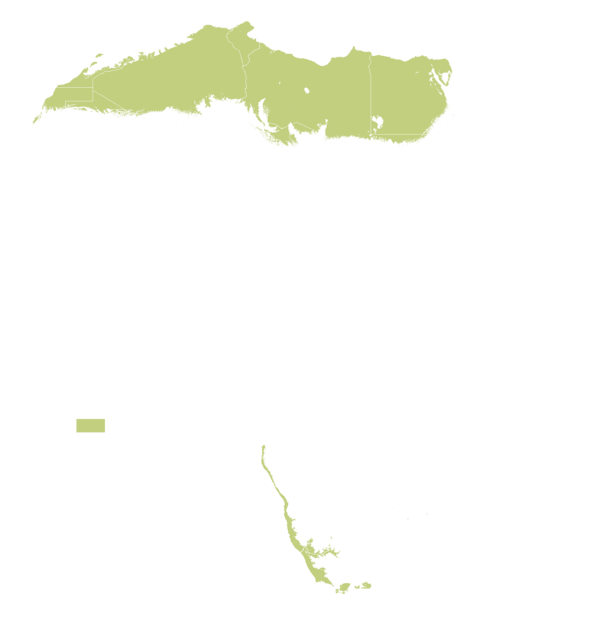
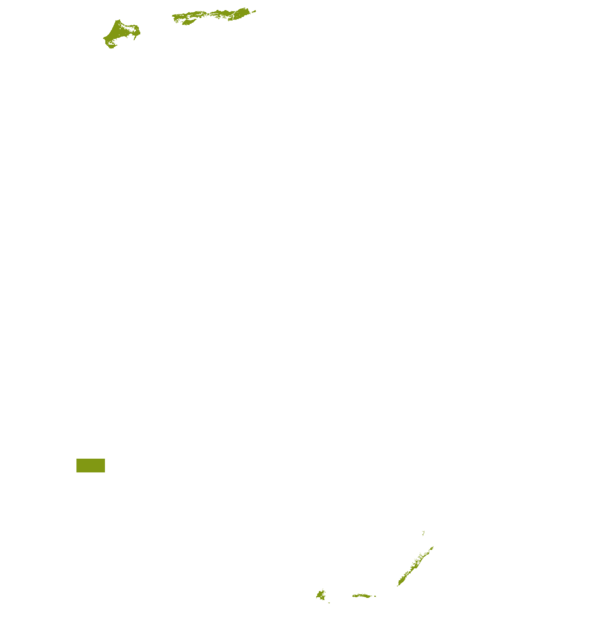
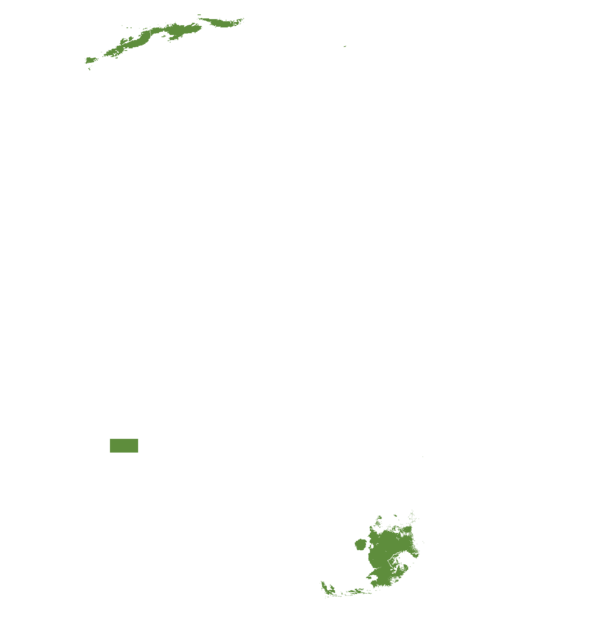
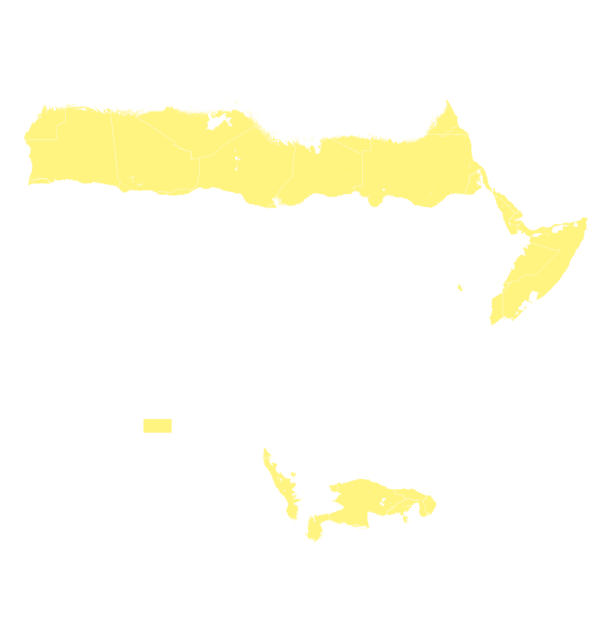
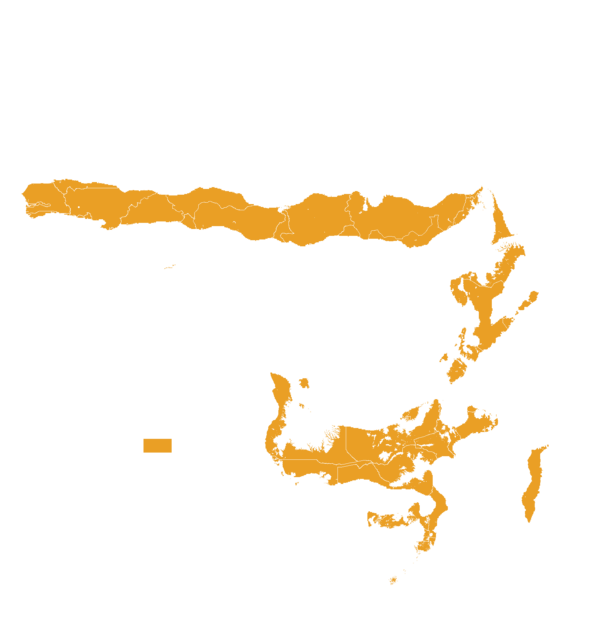
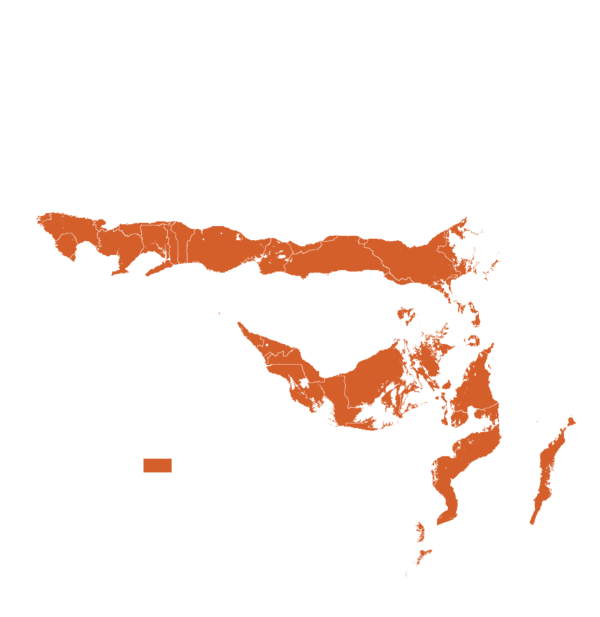
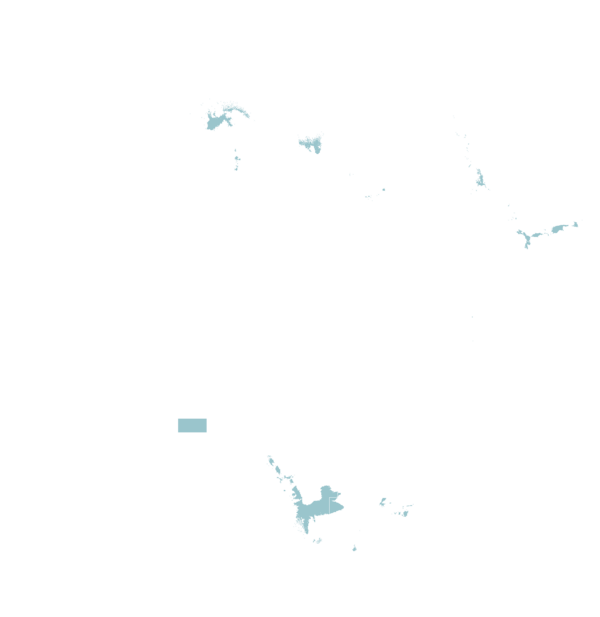
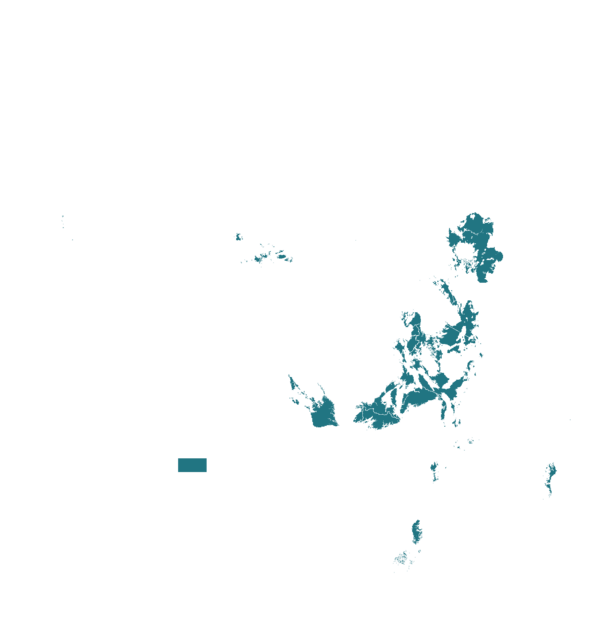
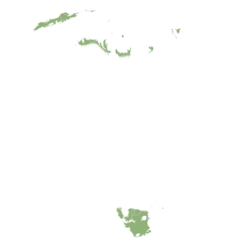
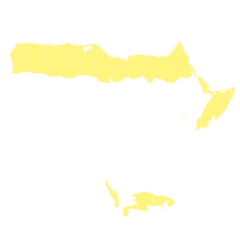
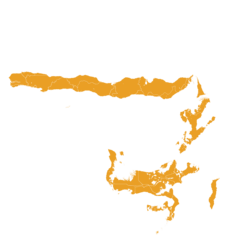
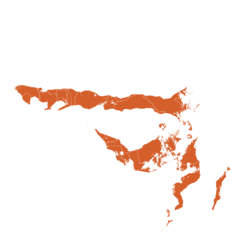
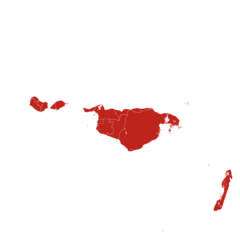
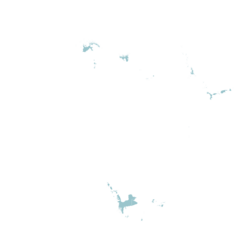
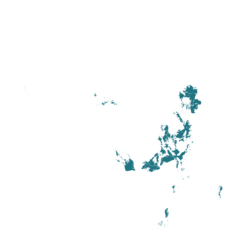
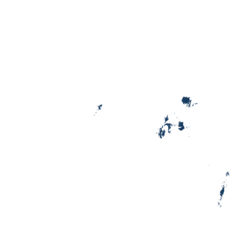
This technology can be used in the colored agro-ecological zones. Any zones shown in white are not suitable for this technology.
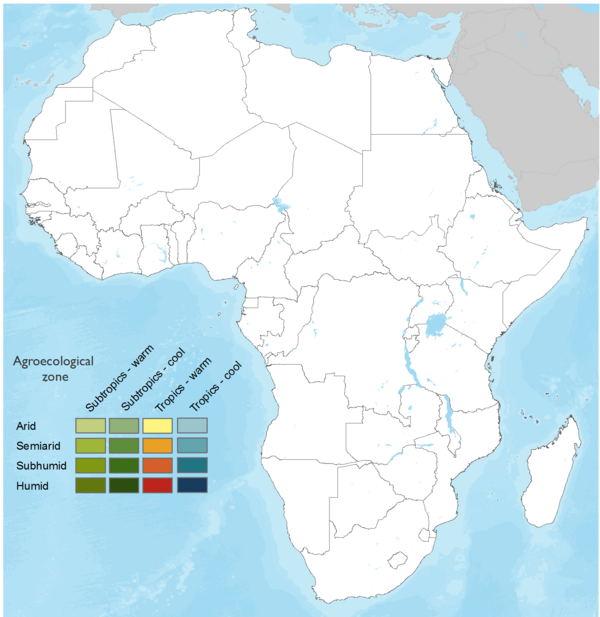







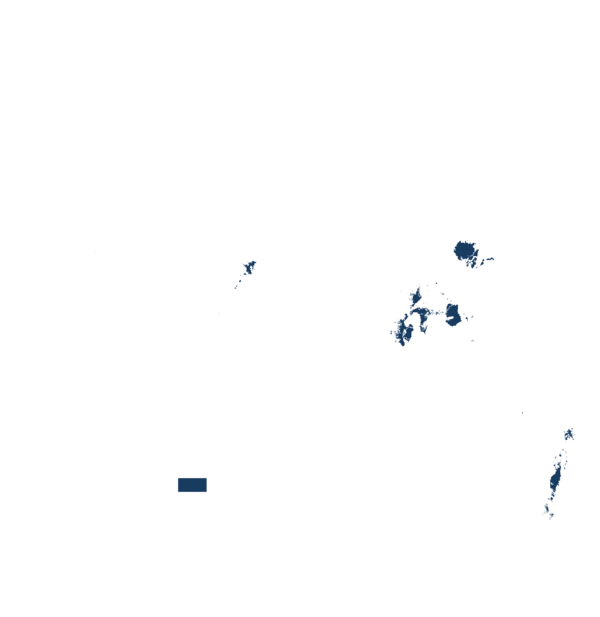
| AEZ | Subtropic - warm | Subtropic - cool | Tropic - warm | Tropic - cool |
|---|---|---|---|---|
| Arid | ||||
| Semiarid | ||||
| Subhumid | ||||
| Humid |
Source: HarvestChoice/IFPRI 2009
The United Nations Sustainable Development Goals that are applicable to this technology.
Improves soil fertility and agricultural productivity. Supports sustainable food production systems.
Restores soil biological activity and ecosystem functions. Contributes to sustainable land management and soil restoration.
Promotes efficient use of nutrients and natural resources. Reduces dependence on synthetic agricultural inputs.
Strengthens climate resilience through improved soil functionality and water retention. Supports climate-smart agricultural practices.
Promote sustained, inclusive and sustainable economic growth, productive employment and decent work for all.
TOKYO8 is applied as a diluted microbial solution to restore soil biological activity and support healthy crop development. Following the recommended preparation and application sequence helps maximize its effectiveness across different cropping systems.
20.5L of TOKYO8 is for 1acre. Shake the container thoroughly before use. Dilute the concentrated TOKYO8 formulation with clean water according to the recommended application rate. For general field application, dilute 20ml of TOKYO8 per 1L of water. Avoid mixing or alternating applications with fungicides, bleach, or other disinfectants that may affect the beneficial microorganisms.
Apply the diluted solution to both the soil and crop foliage using conventional spraying or irrigation equipment. For nursery production, apply 20 ml per litre of water alongside routine watering during seedling establishment, with two applications recommended to promote vigorous root development. In the field, begin application before planting or transplanting, then continue at key crop growth stages throughout the production cycle to maintain soil biological activity and crop performance.
Store the product in its original container in a cool, dry place away from direct sunlight. The biodegradable, non-hazardous formulation requires no specialized personal protective equipment when handled according to the manufacturer's recommendations.
Last updated on Oct 14, 2026
This technology can be used in the colored agro-ecological zones.








TOKYO8: Microbial Soil Health Activator for Enhanced Crop Productivity
https://e-catalogs.taat-africa.org/gov/technologies/tokyo8-microbial-soil-health-activator-for-enhanced-crop-productivity
Last updated on 14 October 2026, printed on Oct 22, 2026
Enquiries e-catalogs@taat.africa