TAAT e-catalog
for
government
https://e-catalogs.taat-africa.org/gov/technologies/rok-varieties-high-yielding-climate-resilient-rice-varieties-for-africa
Climate resilient ROK varieties for enhanced rice productivity and nutrition
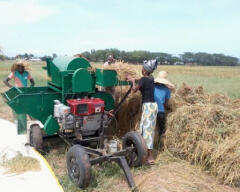
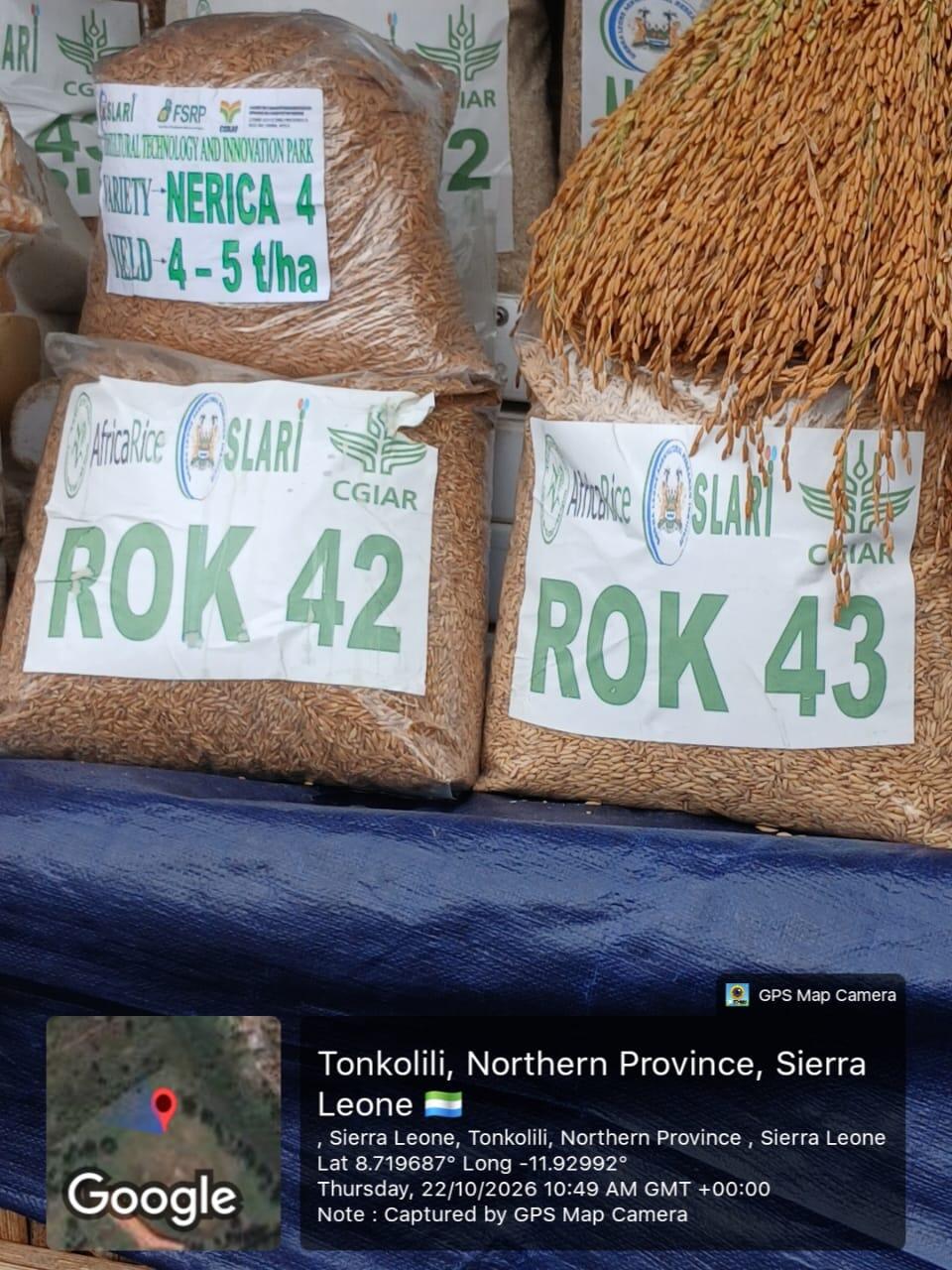
The technology is a group of improved, early-maturing rice varieties comprising ROK 42 and ROK 43, developed by AfricaRice and released in Sierra Leone in 2025 to improve productivity across rainfed lowland and upland systems. ROK 42 tolerates flooding and iron toxicity, matures in about 105 days and has a yield potential of 6 t/ha, while drought-tolerant ROK 43 matures in 90–96 days and has a yield potential of 4.5 t/ha. Their reported yield advantages of approximately 20% over ROK 24 and 15% over ROK 34, respectively, can support increased domestic rice production and food security. Their complementary adaptation offers practical options for national seed and extension programmes seeking to strengthen rice self-sufficiency and climate resilience, with deployment guided by local growing conditions.
This technology is pre-validated.
|
Intersectional group |
Potential positive impacts |
|
Resource-constrained women farming flood- and iron-toxicity-affected lowlands |
|
|
Resource-constrained young farmers in drought-prone uplands |
|
|
Low-income smallholder households exposed to seasonal food shortages and climate shocks |
|
|
Women and young entrepreneurs with limited capital entering seed multiplication or sales |
|
Climate adaptability: Highly adaptable
Flood/drought tolerance and early maturity support adaptation; suitability requires local validation.
Farmer climate change readiness: Moderate improvement
Supports seasonal risk management, conditional on seed access, training and crop management.
Biodiversity: No impact on biodiversity
Direct benefits are undocumented; habitat protection remains management-dependent.
Environmental health: Does not improve environmental health
Potentially reduces pesticide use and land-expansion pressure; benefits are unmeasured and management-dependent.
Soil quality: Does not affect soil health and fertility
Iron-toxicity tolerance does not improve soil; fertility benefits depend on soil and residue management.
Water use: A bit less water used
Drought tolerance supports adaptation; early maturity may reduce requirements, but savings are unverified.
Low rice yields, drought, flooding and soil constraints can undermine national production and food security. ROK 42 and ROK 43 offer complementary options for improving productivity and resilience in rainfed lowland and upland systems. Government programmes can assess this potential through local trials, then support deployment in suitable areas through quality seed supply and extension services.
Every USD invested returns USD 0.23 net income.
Open source / open access
| Technical characteristic | ROK 42 | ROK 43 |
|---|---|---|
| Developer | AfricaRice | AfricaRice |
| Country and year of release | Sierra Leone, 2025 | Sierra Leone, 2025 |
| Variety maintenance | AfricaRice / SLARI | AfricaRice / SLARI |
| Species | Oryza sativa | Oryza sativa |
| Genetic nature | Pure line | Pure line |
| Pedigree | ART309-B-145-1-5 | ART34-113-3-2-B-1 |
| Parents | NERICA-L-19//IRRI 119 | WAB638-1/BRS PRIMAVERA |
| Production environment | Rainfed lowlands: inland valley swamps, riverine lowlands and boli systems | Rainfed uplands and boli systems |
| Days to 50% heading | 75 days after sowing | 60 days after sowing |
| Days to maturity | About 105 days after sowing | 90–96 days after sowing |
| Yield potential | 6 t/ha | 4.5 t/ha |
| Reported yield advantage | Approximately 20% over ROK 24 | Approximately 15% over ROK 34 |
| Plant height | 105 cm | 115 cm |
| Tillering ability | High | High |
| Disease resistance | Blast and Rice Yellow Mottle Virus (RYMV) | Blast |
| Insect/pest resistance | Reported; specific pests not identified | Reported; specific pests not identified |
| Lodging resistance | Reported | Reported |
| Abiotic stress tolerance | Flooding and iron toxicity | Drought |
| 1,000-grain weight | 28.9 g | 29.6 g |
| Grain shape and colour | Medium; white | Slender; white |
| Grain length × width | Not provided | 10.1 × 2.24 mm |
| Aroma | Not specified | Aromatic |
| Milling and cooking quality | High milling recovery and good cooking quality; percentages not provided | High milling recovery and good cooking quality; percentages not provided |
| Other reported traits | Well-filled grains and attractive appearance | Well-filled spikelets, attractive appearance, slow senescence and easy threshing |
| Seed rate | 35–40 kg/ha in inland valley swamps; 60 kg/ha in boli systems | 60 kg/ha |
| Plant spacing | 20 × 20 cm | 20 × 20 cm |
| Fertilizer recommendation as submitted | NPK 15:15:15 at “60:40:40”; units and nutrient basis require clarification | NPK 15:15:15 at “60:40:40”; units and nutrient basis require clarification |
Yield potentials and reported advantages depend on growing conditions and crop management; suitability outside Sierra Leone requires local validation.
Scaling Readiness describes how complete a technology's development is and its ability to be scaled. It produces a score that measures a technology's readiness along two axes: the level of maturity of the idea itself, and the level to which the technology has been used so far.
Each axis goes from 0 to 9 where 9 is the “ready-to-scale” status. For each technology profile in the e-catalogs we have documented the scaling readiness status from evidence given by the technology providers. The e-catalogs only showcase technologies for which the scaling readiness score is at least 8 for maturity of the idea and 7 for the level of use.
The graph below represents visually the scaling readiness status for this technology, you can see the label of each level by hovering your mouse cursor on the number.
Read more about scaling readiness ›
Uncontrolled environment: validated
Common use by intended users, in the real world
| Maturity of the idea | Level of use | |||||||||
| 9 | ||||||||||
| 8 | ||||||||||
| 7 | ||||||||||
| 6 | ||||||||||
| 5 | ||||||||||
| 4 | ||||||||||
| 3 | ||||||||||
| 2 | ||||||||||
| 1 | ||||||||||
| 1 | 2 | 3 | 4 | 5 | 6 | 7 | 8 | 9 | ||
|
Intersectional group |
Potential positive impacts |
|
Resource-constrained women farming flood- and iron-toxicity-affected lowlands |
|
|
Resource-constrained young farmers in drought-prone uplands |
|
|
Low-income smallholder households exposed to seasonal food shortages and climate shocks |
|
|
Women and young entrepreneurs with limited capital entering seed multiplication or sales |
|
| Intersectional group | Potential unintended impacts | Corresponding mitigation |
|---|---|---|
| Resource-constrained women farming flood- and iron-toxicity-affected lowlands |
|
Labour support: Facilitate shared harvesting and processing services. Income control: Include women in marketing arrangements and household benefit discussions. Phased adoption: Test small areas and assess net margins before expansion. |
| Resource-constrained young farmers in drought-prone uplands |
|
|
| Low-income smallholder households exposed to seasonal food shortages and climate shocks |
|
|
| Women and young entrepreneurs with limited capital entering seed multiplication or sales |
|
|
| Intersectional group | Potential barriers | Corresponding mitigation |
|---|---|---|
| Resource-constrained women farming flood- and iron-toxicity-affected lowlands |
|
|
| Resource-constrained young farmers in drought-prone uplands |
|
|
| Low-income smallholder households exposed to seasonal food shortages and climate shocks |
|
|
| Women and young entrepreneurs with limited capital entering seed multiplication or sales |
|
|
|
Cost of the investment Sum of all fixed and operational expenses. |
USD 1,076 per hectare |
|---|---|
|
Gross revenue Sum of all income before subtracting costs. |
USD 1,320 per hectare |
|
Net income Gross revenue minus total cost. |
USD 244 per hectare |
|
Return on investment Percentage of income earned for each dollar invested, calculated as: (income ÷ cost of investment) × 100 |
23 % per hectare |
| Country | Testing ongoing | Tested | Adopted |
|---|---|---|---|
| Sierra Leone | –No ongoing testing | Tested | Adopted |
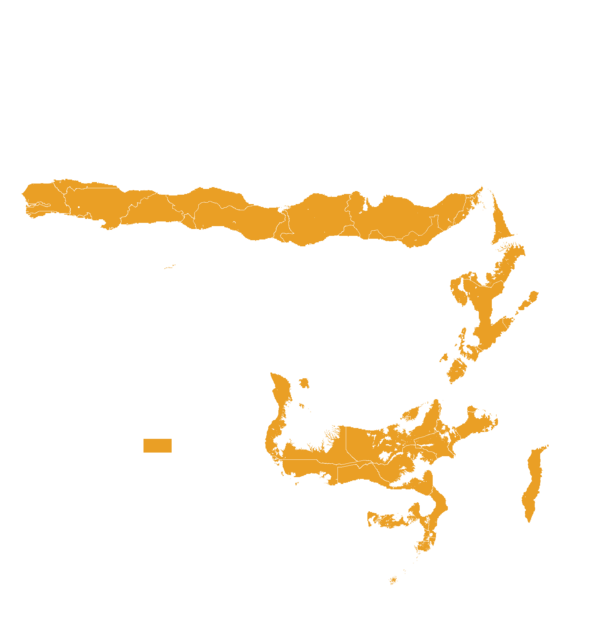
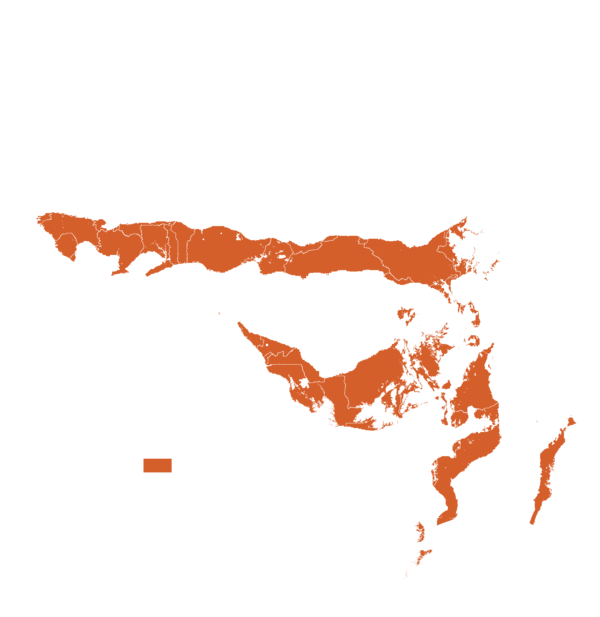
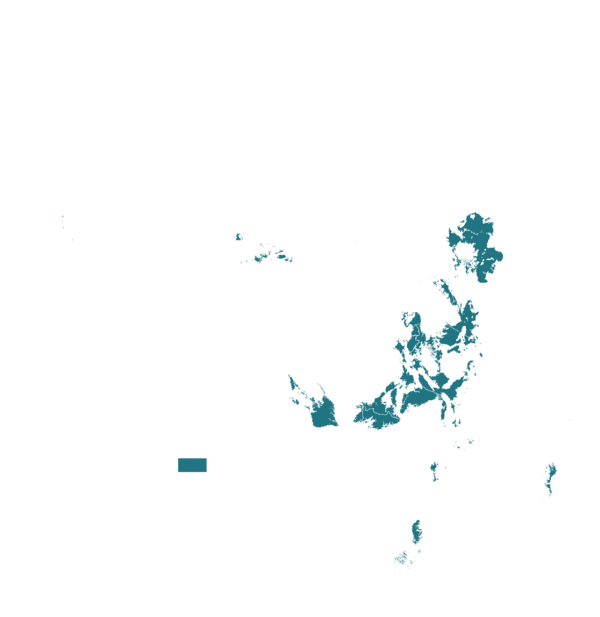
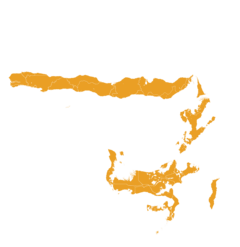
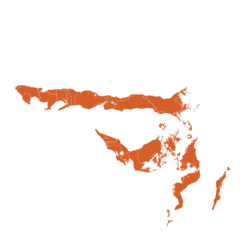
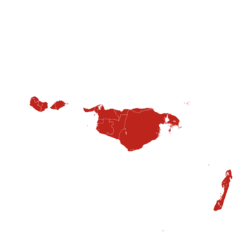
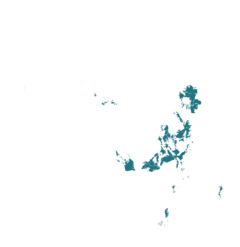
This technology can be used in the colored agro-ecological zones. Any zones shown in white are not suitable for this technology.
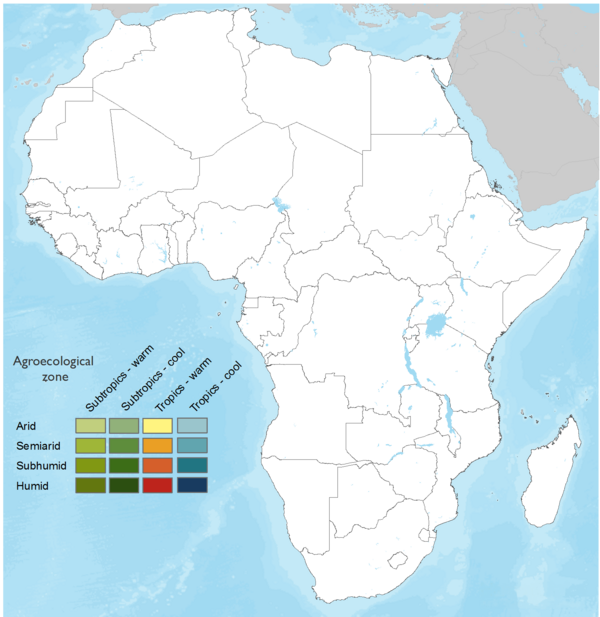






| AEZ | Subtropic - warm | Subtropic - cool | Tropic - warm | Tropic - cool |
|---|---|---|---|---|
| Arid | – | – | – | – |
| Semiarid | – | |||
| Subhumid | – | |||
| Humid | – |
Source: HarvestChoice/IFPRI 2009
The United Nations Sustainable Development Goals that are applicable to this technology.
Increased marketable surplus may improve income; poverty impacts are unmeasured.
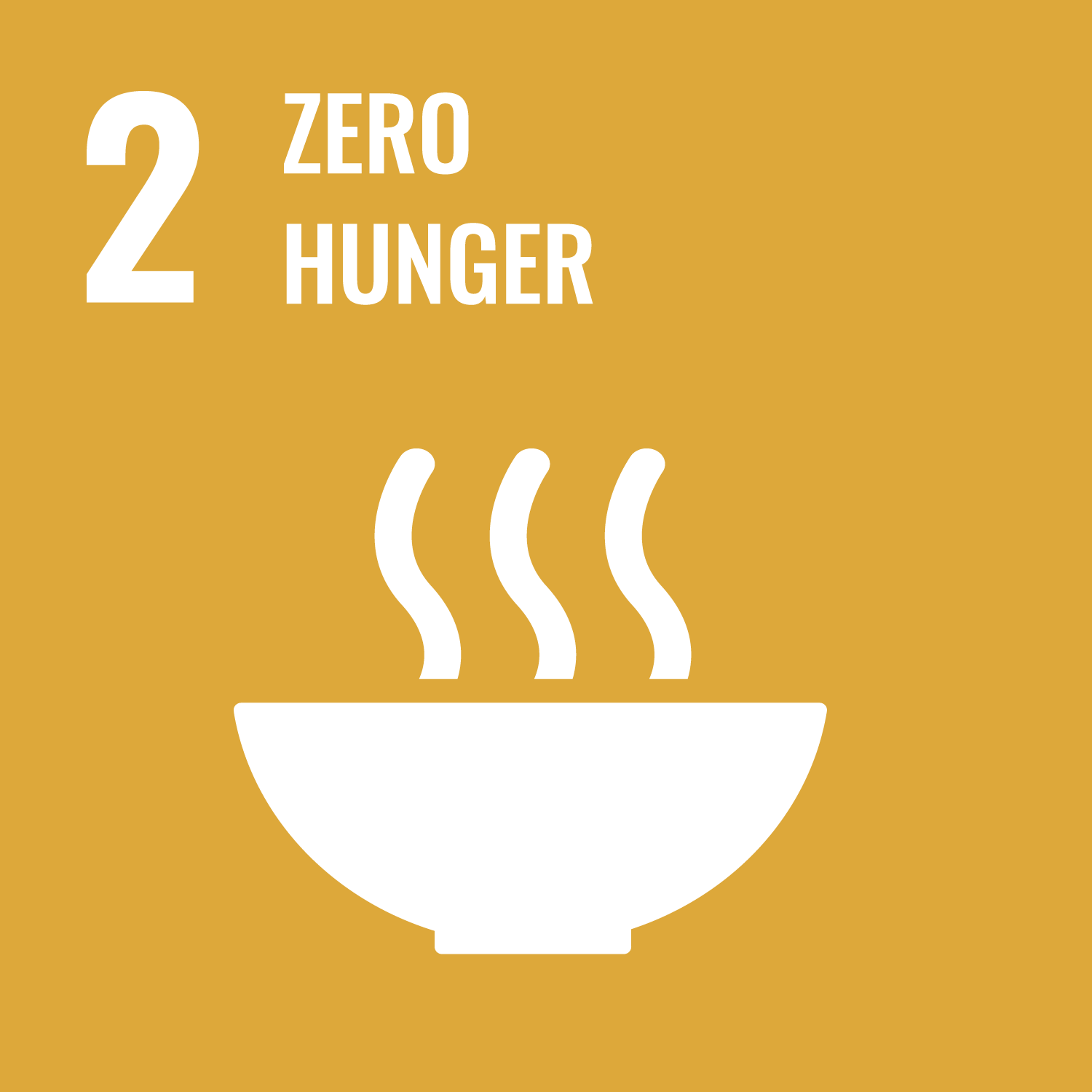
Reported yield gains of approximately 20% and 15% support increased rice availability under suitable conditions.

Flood and drought tolerance directly support adaptation; mitigation remains unverified.
Last updated on Nov 10, 2026
This technology can be used in the colored agro-ecological zones.







ROK varieties: High Yielding Climate Resilient Rice Varieties for Africa
https://e-catalogs.taat-africa.org/gov/technologies/rok-varieties-high-yielding-climate-resilient-rice-varieties-for-africa
Last updated on 10 November 2026, printed on Nov 11, 2026
Enquiries e-catalogs@taat.africa