
TAAT e-catalog
for
government
https://e-catalogs.taat-africa.org/gov/technologies/migration-propensity-index-mpi-a-scoring-tool-to-anticipate-domestic-and-cross-border-migration
Twelve simple questions that predict which households are most likely to migrate, for smarter development decisions
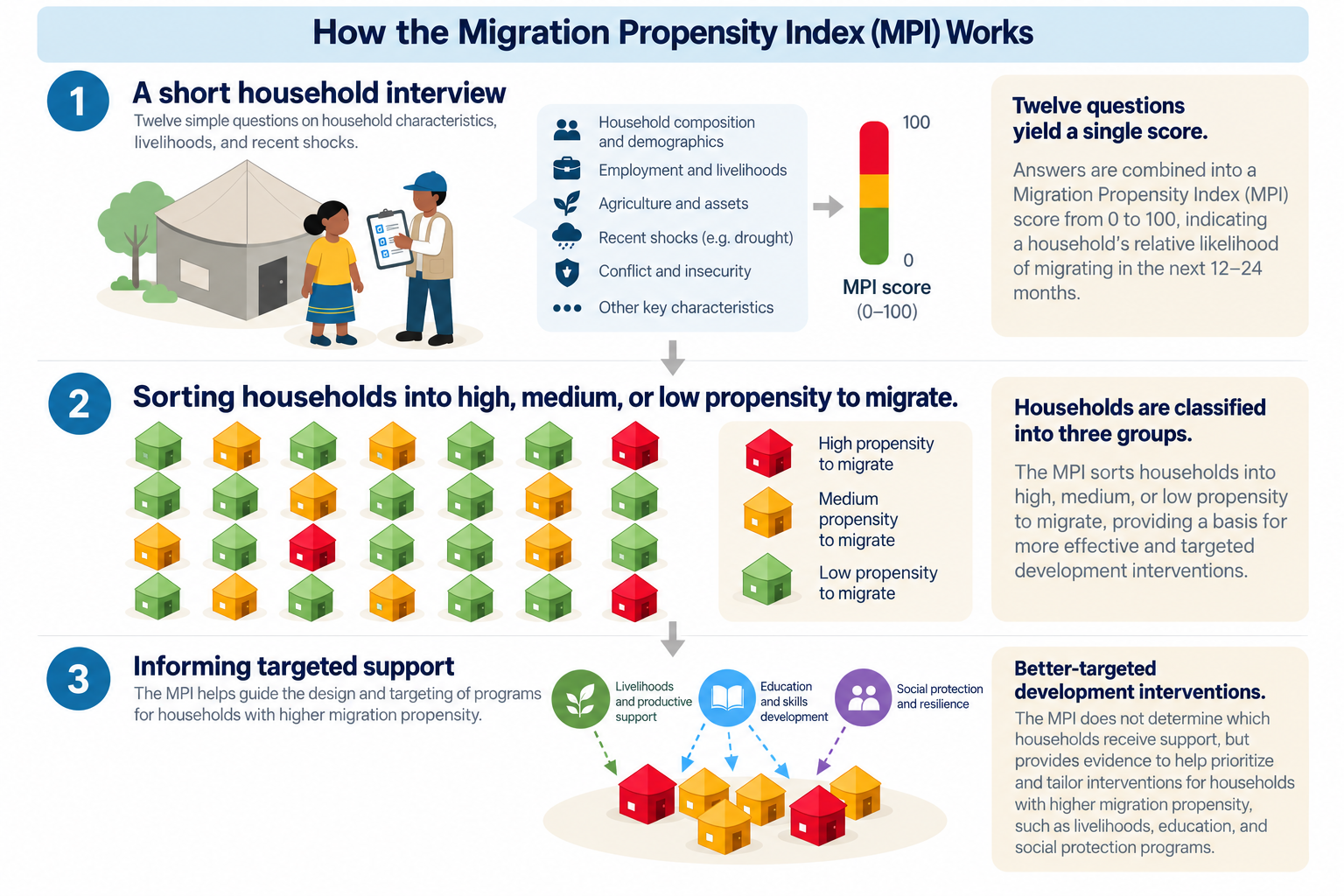
The Migration Propensity Index (MPI) is a household scoring system designed to estimate the probability of migration within the next 12 to 24 months. It comprises two complementary versions: the internal MPI (i-MPI), which anticipates migration within a country, and the external MPI (e-MPI), which anticipates cross-border migration. Each version uses a calibrated scoresheet containing 12 to 15 simple, non-sensitive questions on observable household characteristics, including demographics, dwelling conditions, assets, and previous migration events. Responses are scored and summed to produce a total between 0 and 100, which maps to an estimated migration probability and classifies households into low, medium, or high migration propensity groups. For each country, the questions and their weights are derived from household panel data, so that household conditions are observed before the migration decision takes place, and are selected through a procedure cross-validated across 300 random partitions of the data to guard against overfitting. For geographic analysis, the scoring rules can also be applied to household-level census or large-survey microdata to estimate migration propensity across geographic areas. Adapting the MPI to a new country requires calibration using suitable local household panel data.
This technology is pre-validated.
|
Target group |
Positive impacts |
|
Young adults in low-income rural farming households with limited employment opportunities |
|
|
Women managing resource-constrained farms and households with migration experience |
|
|
Low-income farming households exposed to drought and located far from services |
|
|
Low-income periurban women and youth entrepreneurs in households with internal migration experience |
|
Climate adaptability: Highly adaptable
The MPI can be applied across different climatic conditions, provided suitable data are available. Climate-related factors, such as drought exposure, can contribute to predicting migration propensity in relevant contexts.
Farmer climate change readiness: Moderate improvement
Drought exposure during the previous cropping season is a predictor in the i-MPI. The index can help identify households with a higher propensity to migrate in drought-affected areas, informing where climate adaptation programmes are targeted.
The Migration Propensity Index (MPI) can strengthen programmes addressing rural livelihoods, climate adaptation and youth employment by helping identify households with different levels of migration propensity. It complements conventional poverty-based and geographic targeting, providing additional information to guide resource allocation and intervention planning.
To successfully integrate the MPI into a project:
Estimated additional cost when MPI questions are integrated into an existing household survey.
Estimated cost of administering the MPI through a standalone phone survey.
Open source / open access
Scaling Readiness describes how complete a technology's development is and its ability to be scaled. It produces a score that measures a technology's readiness along two axes: the level of maturity of the idea itself, and the level to which the technology has been used so far.
Each axis goes from 0 to 9 where 9 is the “ready-to-scale” status. For each technology profile in the e-catalogs we have documented the scaling readiness status from evidence given by the technology providers. The e-catalogs only showcase technologies for which the scaling readiness score is at least 8 for maturity of the idea and 7 for the level of use.
The graph below represents visually the scaling readiness status for this technology, you can see the label of each level by hovering your mouse cursor on the number.
Read more about scaling readiness ›
Uncontrolled environment: validated
Common use by intended users, in the real world
| Maturity of the idea | Level of use | |||||||||
| 9 | ||||||||||
| 8 | ||||||||||
| 7 | ||||||||||
| 6 | ||||||||||
| 5 | ||||||||||
| 4 | ||||||||||
| 3 | ||||||||||
| 2 | ||||||||||
| 1 | ||||||||||
| 1 | 2 | 3 | 4 | 5 | 6 | 7 | 8 | 9 | ||
|
Target group |
Positive impacts |
|
Young adults in low-income rural farming households with limited employment opportunities |
|
|
Women managing resource-constrained farms and households with migration experience |
|
|
Low-income farming households exposed to drought and located far from services |
|
|
Low-income periurban women and youth entrepreneurs in households with internal migration experience |
|
|
Target group |
Unintended impacts |
Mitigation measures |
|
Young adults in low-income rural farming households with limited employment opportunities |
|
|
|
Women managing resource-constrained farms and households with migration experience |
|
|
|
Low-income farming households exposed to drought and located far from services |
|
|
|
Low-income periurban women and youth entrepreneurs in households with internal migration experience |
|
|
|
Target group |
Barriers |
Mitigation measures |
|
Young adults in low-income rural farming households with limited employment opportunities |
|
|
|
Women managing resource-constrained farms and households with migration experience |
|
|
|
Low-income farming households exposed to drought and located far from services |
|
|
|
Low-income periurban women and youth entrepreneurs in households with internal migration experience |
|
|
Open-source tools: The MPI methodology, questionnaires and tools are freely available.
Application costs: Less than USD 2 per household when integrated into an existing survey, or USD 2 to 6 per household through a standalone telephone survey. Geographic mapping using existing census or large-scale survey data can be conducted without additional household data collection.
Improved targeting: The MPI distinguishes households by their propensity to migrate, providing information that can help guide the targeting of development programmes and the allocation of resources.
| Country | Testing ongoing | Tested | Adopted | |
|---|---|---|---|---|
| This technology has not been tested or adopted in any country. | ||||
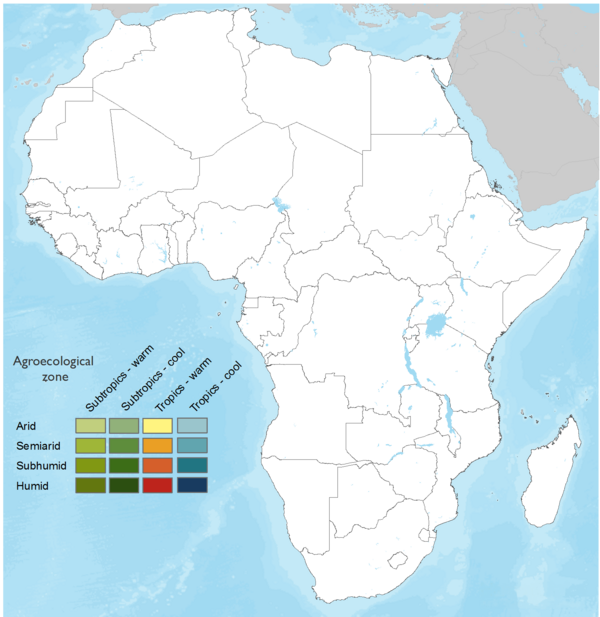
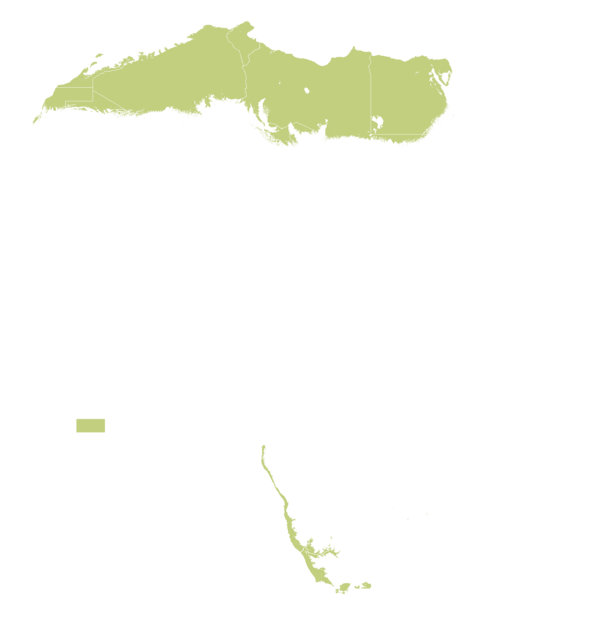
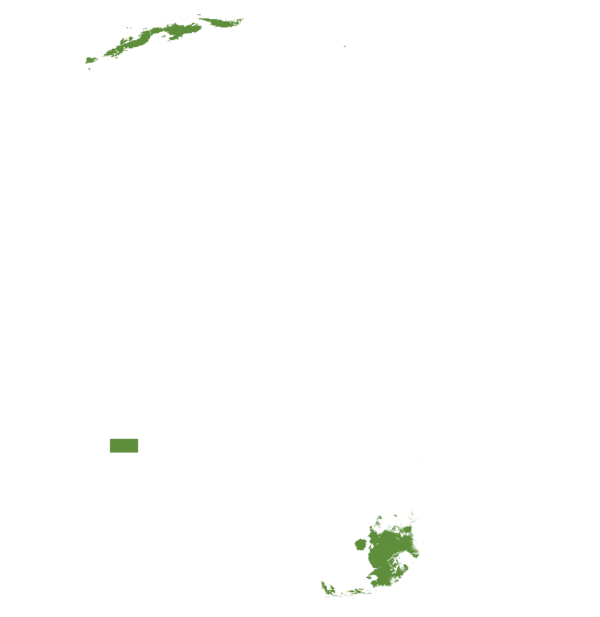
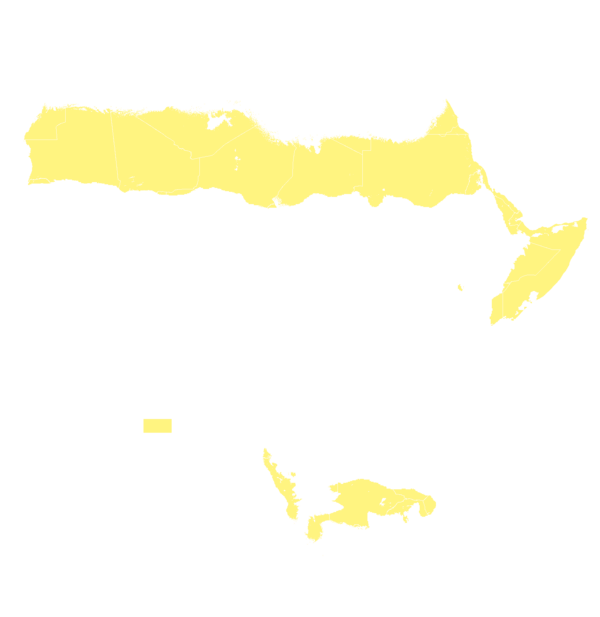
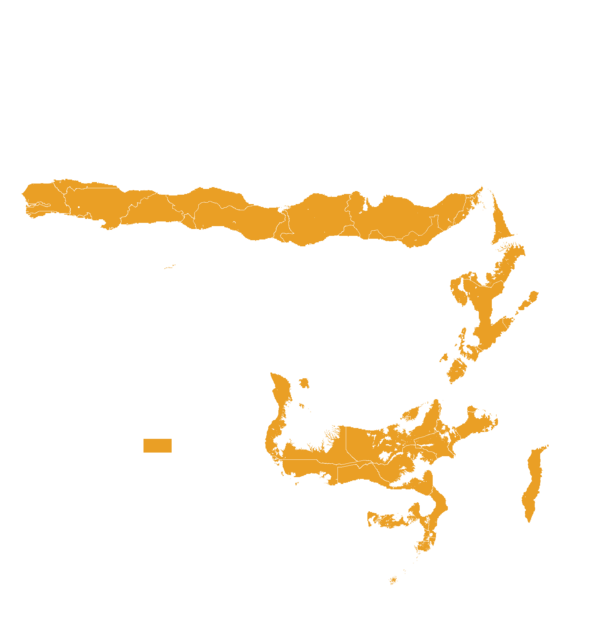
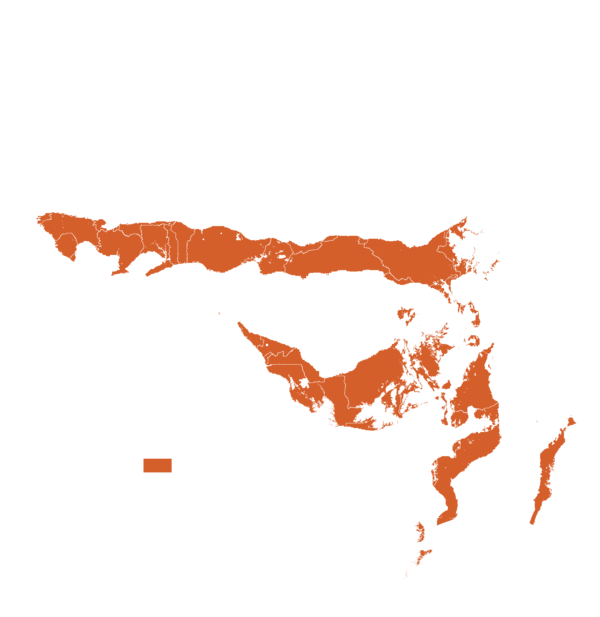
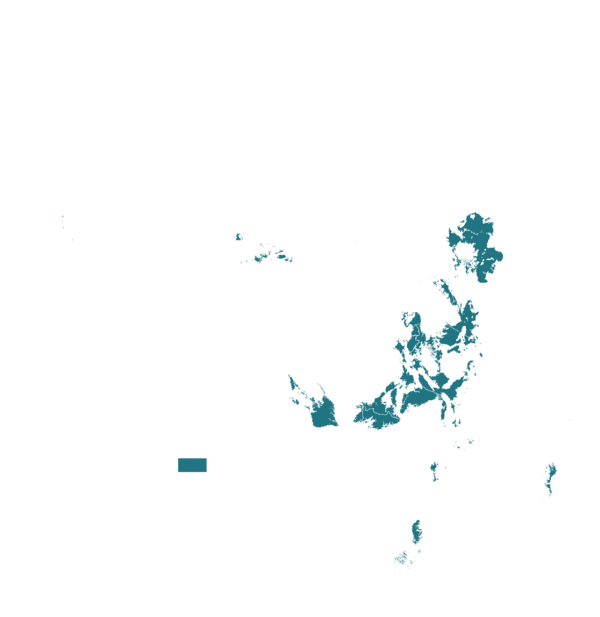
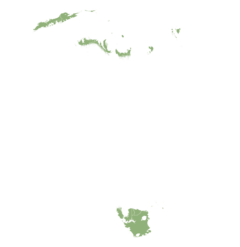
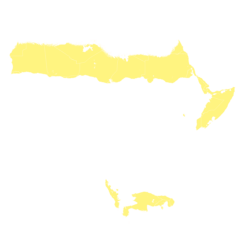
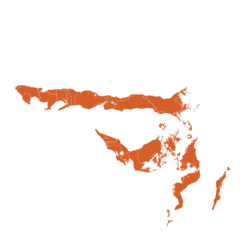
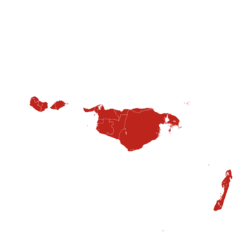
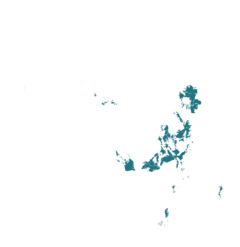
This technology can be used in the colored agro-ecological zones. Any zones shown in white are not suitable for this technology.










| AEZ | Subtropic - warm | Subtropic - cool | Tropic - warm | Tropic - cool |
|---|---|---|---|---|
| Arid | ||||
| Semiarid | ||||
| Subhumid | ||||
| Humid |
Source: HarvestChoice/IFPRI 2009
The United Nations Sustainable Development Goals that are applicable to this technology.

The MPI helps target social and economic programmes to vulnerable households. Household assets and dwelling conditions are among the predictors used to estimate migration propensity.

The MPI can inform the targeting of programmes addressing rural livelihood challenges, where food insecurity and agricultural shocks are associated with distress migration.

The MPI helps direct livelihood and employment programmes by identifying households with different levels of migration propensity, particularly where limited local economic opportunities contribute to migration.

The MPI supports better targeting of development programmes and more equitable resource allocation by identifying households with higher migration propensity.

Migration affects communities of origin, with implications for rural livelihoods and community sustainability. The MPI can help identify households with higher migration propensity, providing information to target development programmes that address local livelihood challenges and support the sustainability of communities of origin.

The i-MPI uses drought exposure as a predictor, helping identify households with higher migration propensity in areas affected by climate shocks and informing the targeting of relevant interventions.
The MPI can be applied through a short household questionnaire using a calibrated scoresheet. The choice of application method depends on the available data and the purpose of the assessment.
Last updated on Nov 11, 2026
This technology can be used in the colored agro-ecological zones.













Migration Propensity Index (MPI): A scoring tool to anticipate domestic and cross-border migration
https://e-catalogs.taat-africa.org/gov/technologies/migration-propensity-index-mpi-a-scoring-tool-to-anticipate-domestic-and-cross-border-migration
Last updated on 11 November 2026, printed on Nov 11, 2026
Enquiries e-catalogs@taat.africa