TAAT e-catalog
for
government
https://e-catalogs.taat-africa.org/gov/technologies/flow-through-and-recirculatory-water-systems-for-fish-tanks
Enhance fish farming efficiency with sustainable water systems, reducing resource wastage and ensuring robust fish growth.
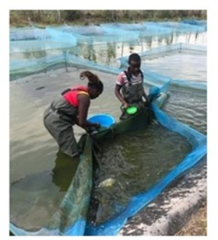
The recirculatory aquaculture system (RAS) technology is an innovative method used in fish farming that optimizes water usage by continuously recycling and purifying water within a closed-loop system. In RAS, water from the fish tanks is filtered to remove waste products and then recirculated back into the tanks, reducing the need for large volumes of fresh water. This technology enables higher fish stocking densities, leading to increased productivity and efficiency compared to traditional aquaculture methods. RAS also allows for better control of water quality parameters such as oxygen levels, temperature, and pH, resulting in healthier fish and reduced environmental impact. Overall, RAS represents a sustainable and environmentally friendly approach to fish farming that maximizes resource utilization and minimizes waste.
This technology is TAAT1 validated.
Adults 18 and over: Positive high
Increased employment opportunities in aquaculture management, maintenance, and system operation. Potential for entrepreneurial ventures in fish farming with reduced land and water needs.
The poor: Positive low
Opportunity for small-scale farmers to adopt sustainable fish farming, improving income and livelihoods.
Under 18: Positive medium
Improved food security by increasing fish production, providing a reliable source of affordable protein.
Women: Positive medium
Economic empowerment through involvement in aquaculture businesses, which can be managed in smaller spaces. Increased income and livelihood opportunities, contributing to household financial stability.
Climate adaptability: Highly adaptable
Allows consistent fish production in climates with fluctuating water availability
Farmer climate change readiness: Significant improvement
Prepares farmers to adapt to water and land limitations caused by climate change
Environmental health: Greatly improves environmental health
Prevents pollution of nearby ecosystems by controlling waste and nutrient discharge.
Water use: Much less water used
Recycles water, significantly reducing freshwater consumption. Requires less water compared to traditional open-pond aquaculture systems.
The utilization of recirculatory aquaculture system (RAS) technology plays a crucial role in addressing poverty and enhancing food security by bolstering fish production and offering economic opportunities for fish farmers. It fosters the health of fish and mitigates environmental pollution through water recycling. Moreover, RAS stimulates job creation, encourages innovation in aquaculture, and advocates for sustainable production practices.
To incorporate this technology into your project, adhere to the following steps and prerequisites:
Evaluate the optimal water management approach for tanks based on farm conditions and investment requirements.
Obtain the necessary skills for installing and operating equipment under ideal conditions.
Conduct water quality assessments at both the source and discharge points to determine pre- and post-treatment necessities.
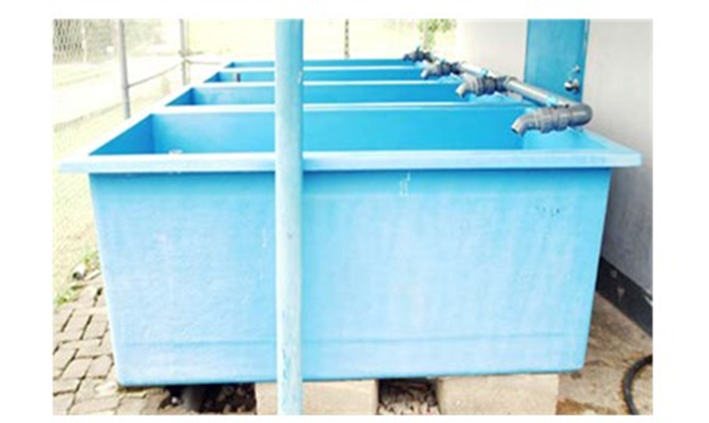
Estimate the required quantity of technology for your project, considering the approximate costs for recirculation pumping and piping USD 22,000 and mechanical, physical, biological, and chemical treatment USD 44,000 for a tank of 130 m3. Additionally, account for water supply and treatment costs, influenced by drainage position and type. Contractor charges for building a settling pond typically range from USD 1.5 to 5 per square meter, depending on soil type and lining materials.
Factor in delivery costs to the project site and consider import clearance and duties if applicable, as the technology is available in various countries.
Allocate resources for comprehensive training and post-training support during project implementation.
Collaborate with agricultural development institutions to promote the adoption of the technology within your country.
Explore the integration of complementary technologies such as All Male Tilapia Fingerlings with Greater Yield and Uniformity and Fast Growing and Hybrid African Catfish to enhance overall efficiency.
Recirculation System (130 m3) treatment
Settling of square meter pond construction
Open source / open access
Scaling Readiness describes how complete a technology's development is and its ability to be scaled. It produces a score that measures a technology's readiness along two axes: the level of maturity of the idea itself, and the level to which the technology has been used so far.
Each axis goes from 0 to 9 where 9 is the “ready-to-scale” status. For each technology profile in the e-catalogs we have documented the scaling readiness status from evidence given by the technology providers. The e-catalogs only showcase technologies for which the scaling readiness score is at least 8 for maturity of the idea and 7 for the level of use.
The graph below represents visually the scaling readiness status for this technology, you can see the label of each level by hovering your mouse cursor on the number.
Read more about scaling readiness ›
Semi-controlled environment: prototype
Used by some intended users, in the real world
| Maturity of the idea | Level of use | |||||||||
| 9 | ||||||||||
| 8 | ||||||||||
| 7 | ||||||||||
| 6 | ||||||||||
| 5 | ||||||||||
| 4 | ||||||||||
| 3 | ||||||||||
| 2 | ||||||||||
| 1 | ||||||||||
| 1 | 2 | 3 | 4 | 5 | 6 | 7 | 8 | 9 | ||
| Country | Testing ongoing | Tested | Adopted |
|---|---|---|---|
| Benin | –No ongoing testing | –Not tested | Adopted |
| Botswana | –No ongoing testing | –Not tested | Adopted |
| Burundi | –No ongoing testing | –Not tested | Adopted |
| Cameroon | –No ongoing testing | –Not tested | Adopted |
| Côte d’Ivoire | –No ongoing testing | –Not tested | Adopted |
| Democratic Republic of the Congo | –No ongoing testing | –Not tested | Adopted |
| Djibouti | –No ongoing testing | –Not tested | Adopted |
| Equatorial Guinea | –No ongoing testing | –Not tested | Adopted |
| Ethiopia | –No ongoing testing | –Not tested | Adopted |
| Kenya | –No ongoing testing | –Not tested | Adopted |
| Madagascar | –No ongoing testing | –Not tested | Adopted |
| Malawi | –No ongoing testing | –Not tested | Adopted |
| Nigeria | –No ongoing testing | –Not tested | Adopted |
| Rwanda | –No ongoing testing | –Not tested | Adopted |
| Senegal | –No ongoing testing | –Not tested | Adopted |
| Sierra Leone | –No ongoing testing | –Not tested | Adopted |
| South Sudan | –No ongoing testing | –Not tested | Adopted |
| Sudan | –No ongoing testing | –Not tested | Adopted |
| Tanzania | –No ongoing testing | –Not tested | Adopted |
| Uganda | –No ongoing testing | –Not tested | Adopted |
| Zambia | –No ongoing testing | –Not tested | Adopted |
| Zimbabwe | –No ongoing testing | –Not tested | Adopted |
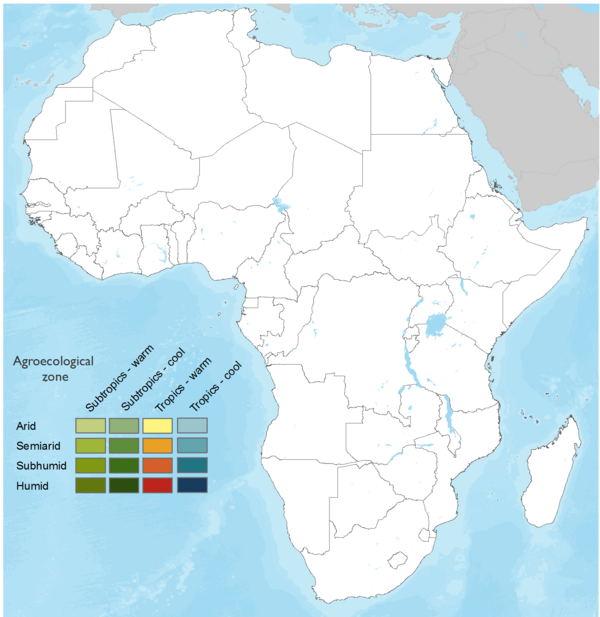
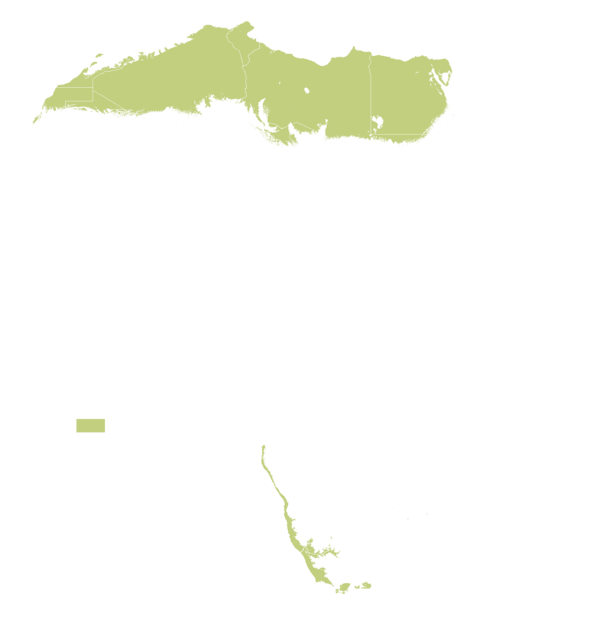
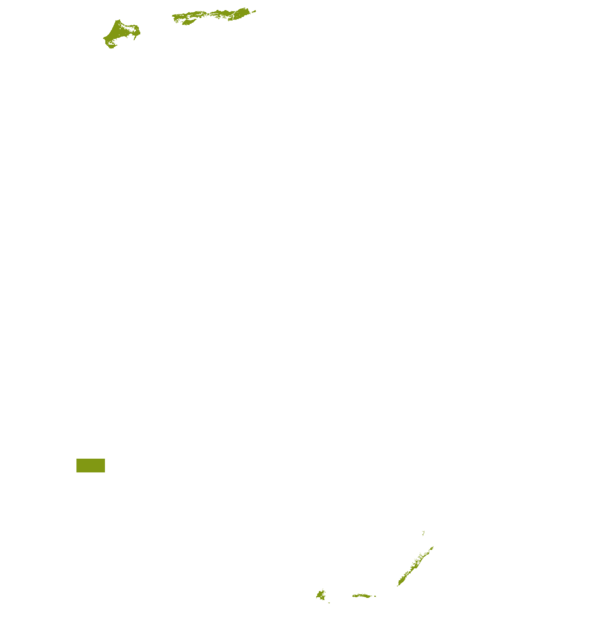
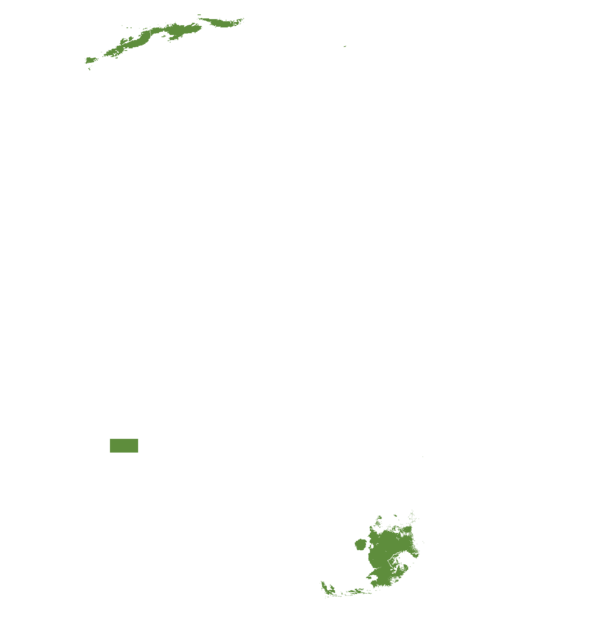
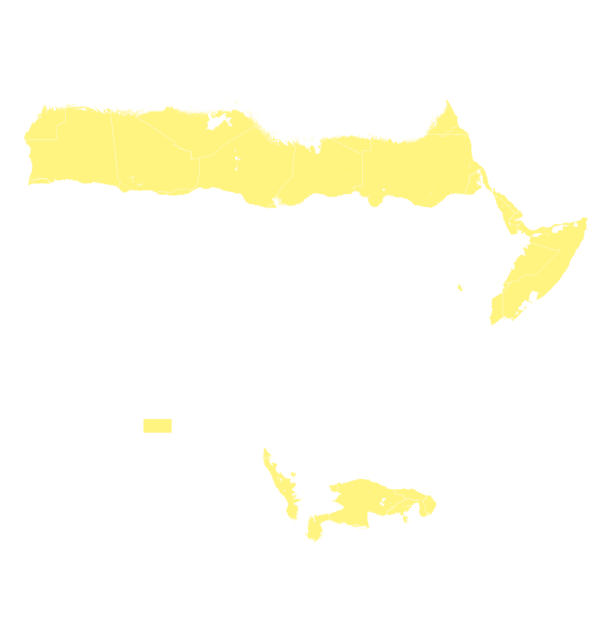
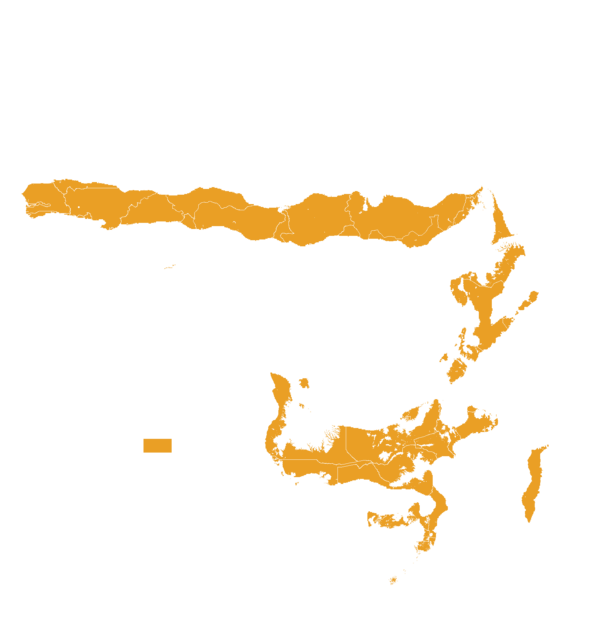
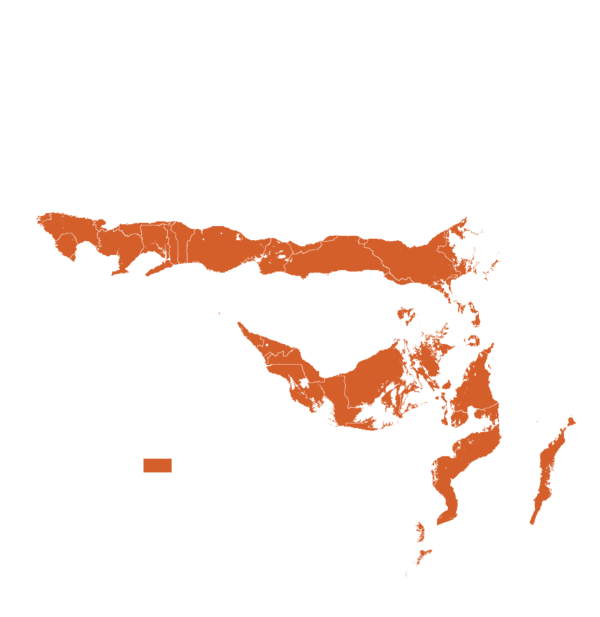
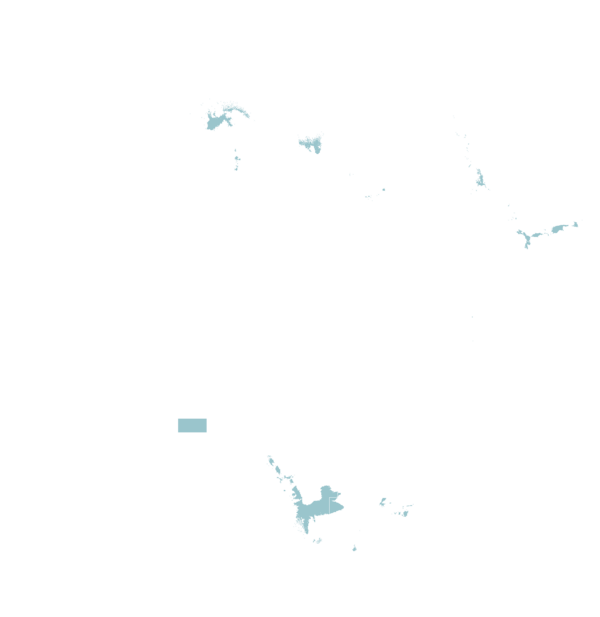
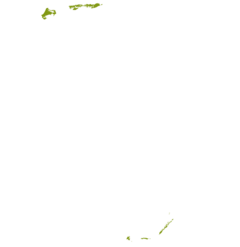
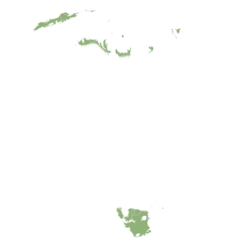
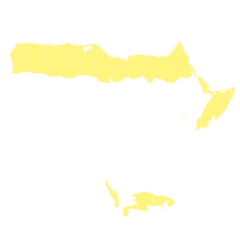
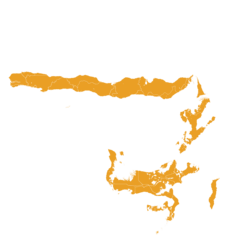
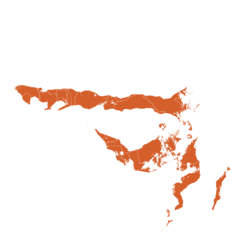
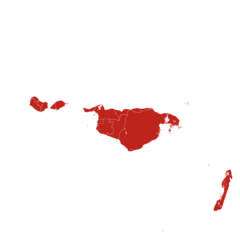
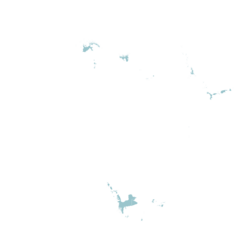
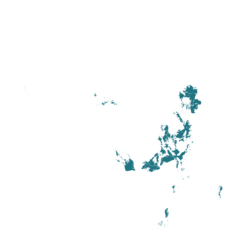
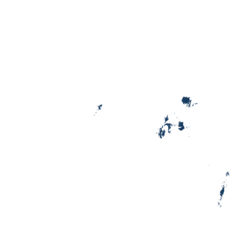
This technology can be used in the colored agro-ecological zones. Any zones shown in white are not suitable for this technology.







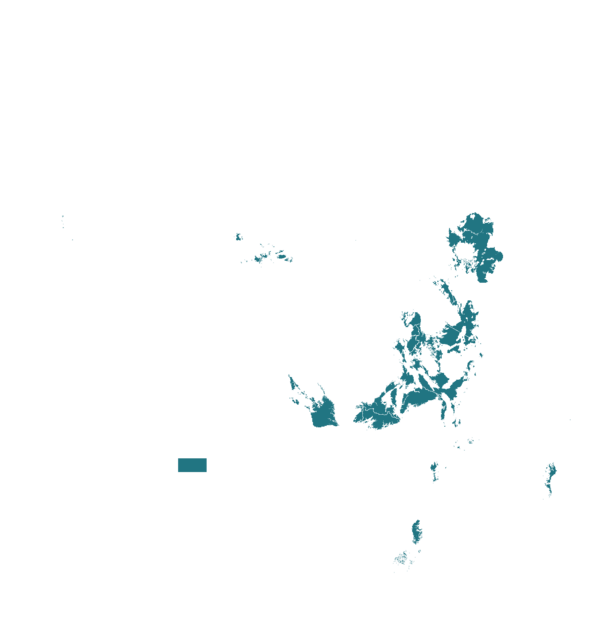
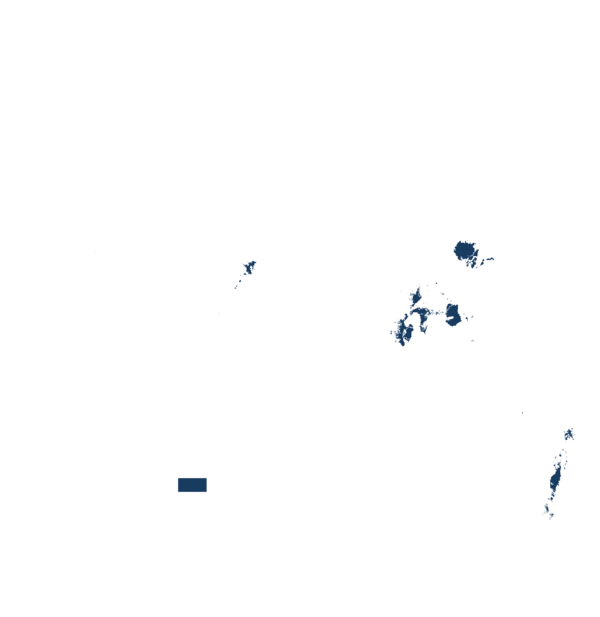
| AEZ | Subtropic - warm | Subtropic - cool | Tropic - warm | Tropic - cool |
|---|---|---|---|---|
| Arid | ||||
| Semiarid | ||||
| Subhumid | ||||
| Humid |
Source: HarvestChoice/IFPRI 2009
The United Nations Sustainable Development Goals that are applicable to this technology.
Increases fish production, contributing to food security by providing a sustainable source of protein. Enhances local food systems and reduces reliance on overfishing.
Promotes efficient water use through recycling and filtration, minimizing freshwater consumption. Reduces water pollution by controlling waste discharge.

Helps farmers adapt to climate variability by using water-efficient and land-conserving systems.
Helps farmers adapt to climate variability by using water-efficient and land-conserving systems.
Installation:
Water Preparation:
Initiate the System:
Monitor Water Quality:
Maintain Filtration:
Fish Feeding:
Observe Fish Behavior:
Record Keeping:
Harvesting and Stocking:
Routine Maintenance:
Last updated on Sep 21, 2026
This technology can be used in the colored agro-ecological zones.









Flow-Through and Recirculatory Water Systems for Fish Tanks
https://e-catalogs.taat-africa.org/gov/technologies/flow-through-and-recirculatory-water-systems-for-fish-tanks
Last updated on 21 September 2026, printed on Sep 24, 2026
Enquiries e-catalogs@taat.africa