TAAT e-catalog
for
government
https://e-catalogs.taat-africa.org/gov/technologies/droughttego-drought-tolerant-and-high-yield-maize-varieties
Boost yields, and income with advanced maize.
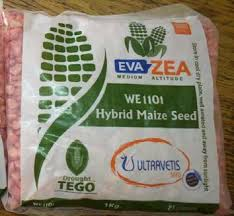
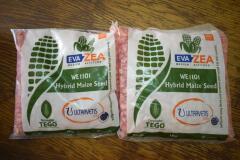
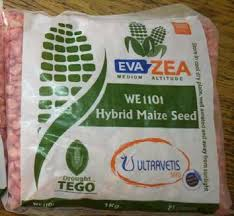
TEGO is an improved varieties maize technology developed to bolster drought resilience and improve grain output in maize cultivation. Developed through collaborative research efforts, TEGO integrates cutting-edge genetic traits, advanced breeding techniques, and climate-smart agricultural practices to address the pressing challenges posed by erratic rainfall patterns and water scarcity in agricultural landscapes.
This technology is TAAT1 validated.
Adults 18 and over: Positive high
Under 18: Positive medium
Women: Positive medium
Climate adaptability: Highly adaptable
Farmer climate change readiness: Significant improvement
Biodiversity: No impact on biodiversity
Drought-tolerant maize offers a practical solution to water stress and unreliable rainfall that reduce maize productivity across Sub-Saharan Africa. It can improve productivity, stabilize production and strengthen resilience, contributing to food security, poverty reduction, climate adaptation and the SDGs. Gender-inclusive access can further promote equitable agricultural development.
To integrate this technology into your project, plan activities around:
Assessing the project area and implementation requirements to determine the number of hectares, target farmers, local rainfall conditions, delivery arrangements, training needs and potential implementation partners.
Estimating seed requirements according to the project area. At a planting rate of 25 kg/ha, the calculation is:
Project area (ha) × 25 kg = total seed required
At US$0.80–1.20/kg, the indicative seed cost is US$20–30/ha, excluding delivery and import-related costs.
Securing quality seed and organizing timely delivery from suppliers in Kenya, Malawi, Mozambique, Nigeria, South Africa, Tanzania, Uganda, Zambia or Zimbabwe. Include transport to the project site and, where relevant, insurance, import permits, phytosanitary clearance, customs handling and duties.
Establishing demonstration plots and training farmers and extension agents on planting, crop management, harvesting and correct use of the technology. Budget for trainers’ fees, travel, training materials, demonstration inputs and post-training technical support.
Developing communication and awareness materials such as flyers, videos, radio broadcasts and local-language extension messages, with targeted outreach to women and underserved farmers.
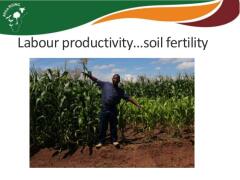
Combining the technology with complementary practices for better optimization, including specialized pre-plant fertilizer blending, nitrogen topdressing, and maize–legume rotation or intercropping.
Building implementation partnerships with agricultural development institutes, extension services, seed regulators and seed multiplication companies to support testing, supply, multiplication and scale-up.
The following table presents the suitable individual varieties by country, including their agro-ecology, maturity duration, yield under optimal rainfall and moderate drought, and special characteristics:
|
Varieties name |
Agro-ecology |
Duration to maturity |
Average yield t/ha (Optimal rainfal) |
Average yield t/ha (Moderate drought) |
Speial characteristics |
|
WE2104 |
Medium |
9.4 |
4.8 |
Drought tolerance |
|
|
WE2106 |
Medium |
9.1 |
4.7 |
Drought tolerance |
|
|
WE3205 |
Medium |
9 |
3.4 |
Drought tolerance |
|
|
WE5206 |
Medium |
9 |
3.5 |
Drought tolerance |
|
|
WE3102 |
Early |
7.3 |
4.8 |
Drought tolerant |
|
|
WE4115 |
Medium |
8.4 |
3.5 |
Drought tolerant |
|
|
WE3135 |
Early |
7.5 |
3.5 |
Drought tolerant & MLN tolerant |
|
|
WE7118 |
Medium |
8.2 |
3.4 |
Drought tolerant & MLN tolerant |
For best results, combine reliable seed supply with farmer training, sustained extension support, effective communication and complementary crop-management practices. Monitor adoption, productivity and participation by women and vulnerable groups to support inclusive and sustainable scale-up.
Trademark
| Project | Countries | Beneficiaries | Budget (USD) & duration | Key figures |
|---|---|---|---|---|
|
EFPP Guinea Emergency Food Production Programme |
|
|
25.23 million 2022–2024 |
|
|
ENSURE Enabling Environments for Sustainable Regional Agriculture Extension |
|
|
13.14 million 2024–2027 |
|
|
PADCV-PTA Projet d’Appui au Developpement des Chaines de Valeurs en soutien au Programme de Transformation de l’Agriculture |
|
|
321 million 2024–2029 |
|
|
PUPSAN Emergency Production and Food & Nutrition Security Project |
|
|
7.04 million 2023–2026 |
|
Figures in italic are from project plans and may change during implementation.
| Country | Testing ongoing | Tested | Adopted |
|---|---|---|---|
| Ethiopia | –No ongoing testing | Tested | Adopted |
| Kenya | –No ongoing testing | Tested | Adopted |
| Mozambique | –No ongoing testing | Tested | Adopted |
| Nigeria | –No ongoing testing | Tested | Adopted |
| South Africa | –No ongoing testing | Tested | Adopted |
| Tanzania | –No ongoing testing | Tested | Adopted |
| Uganda | –No ongoing testing | Tested | Adopted |
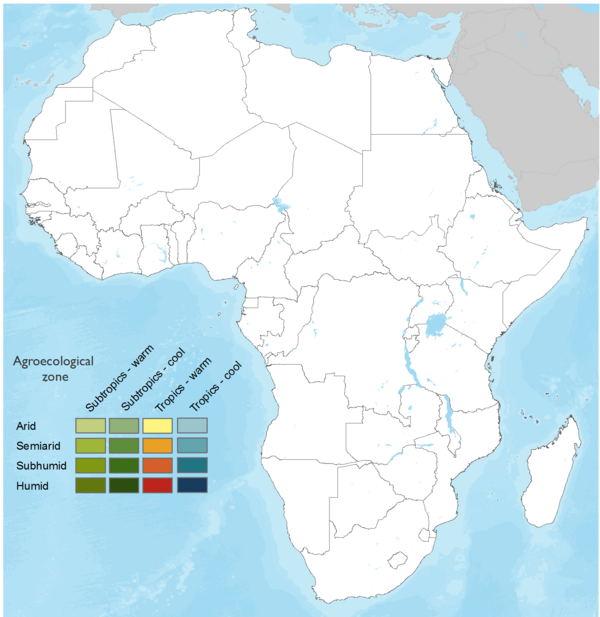
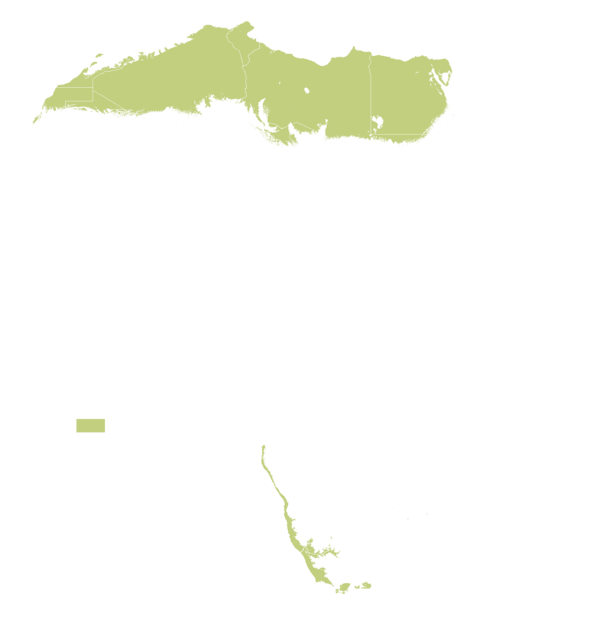
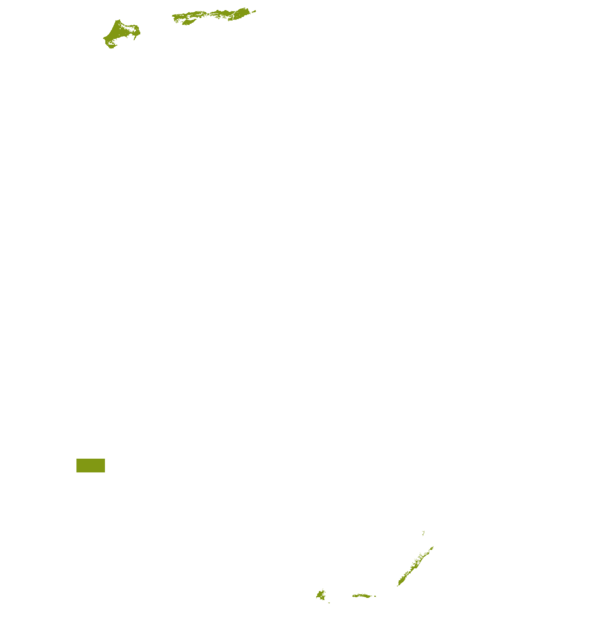
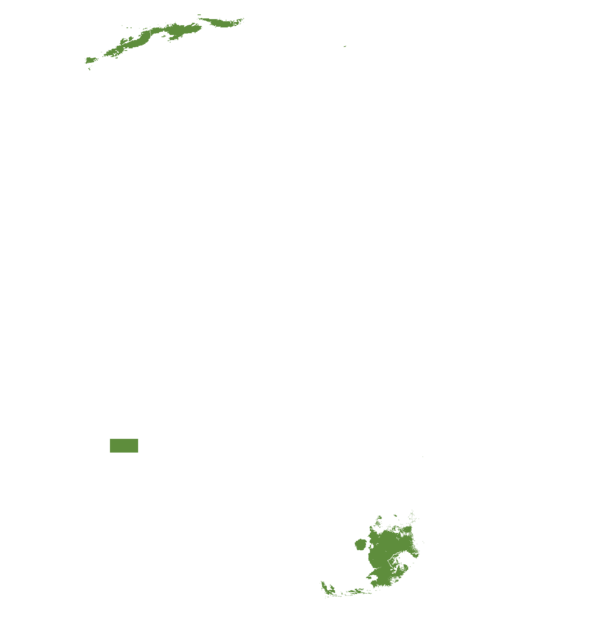
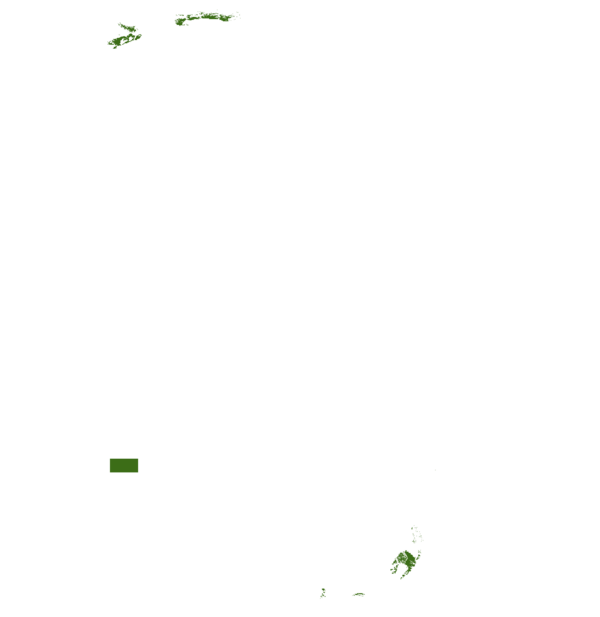
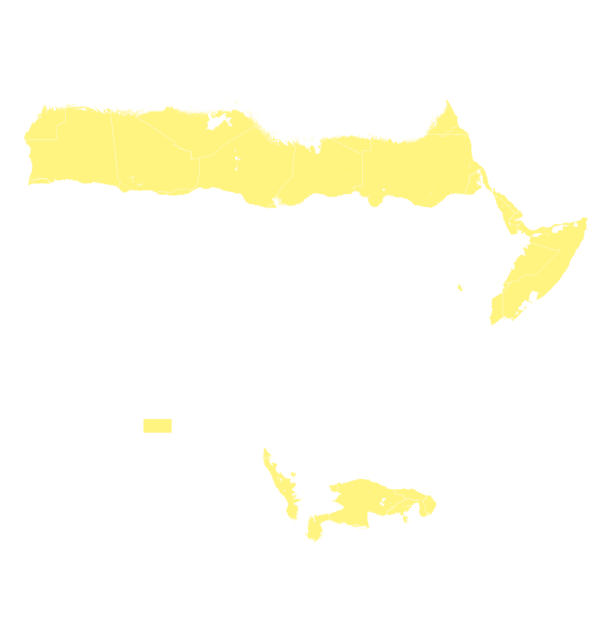
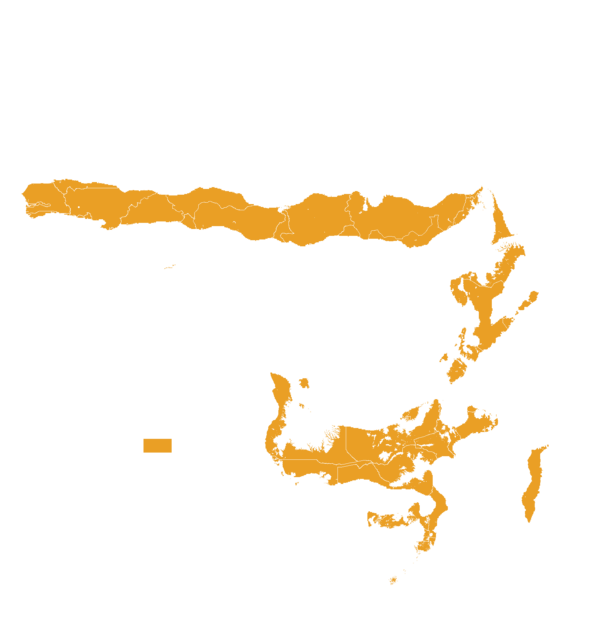
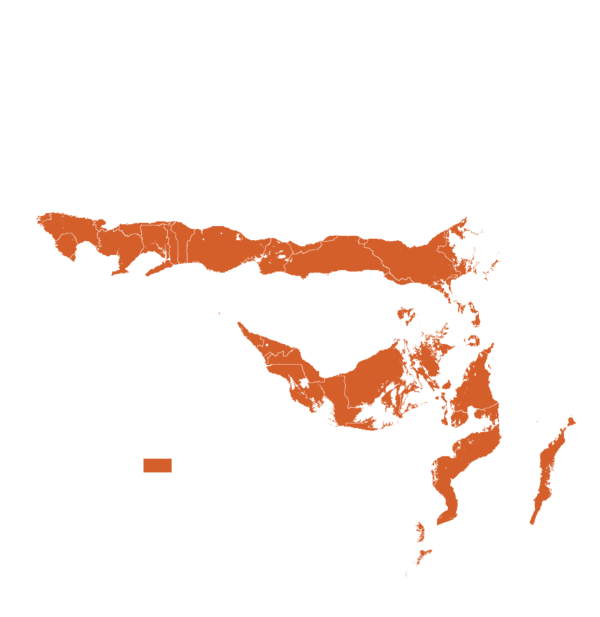
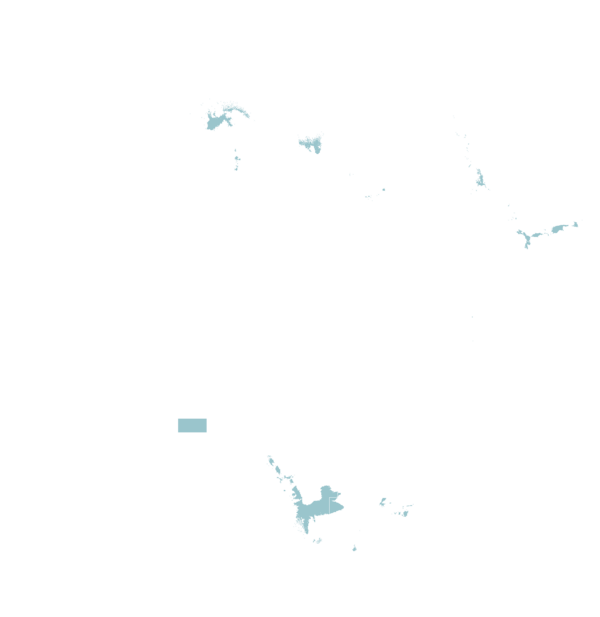
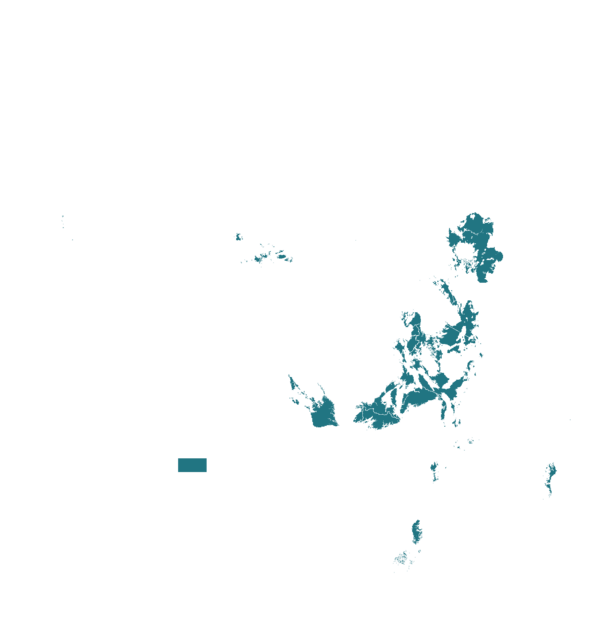
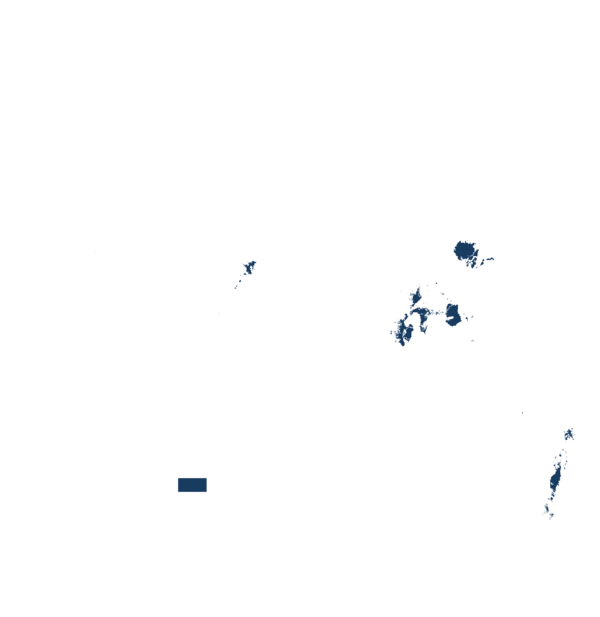
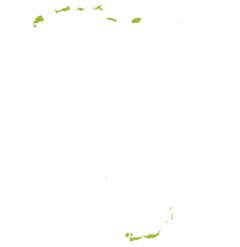
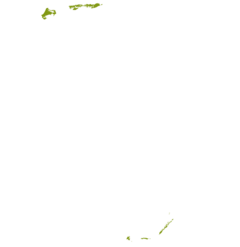
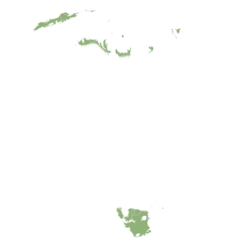
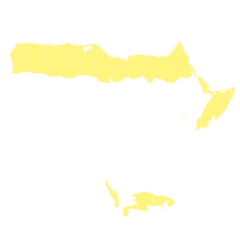
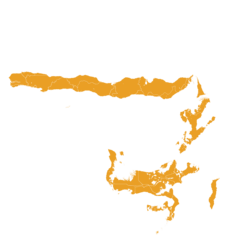
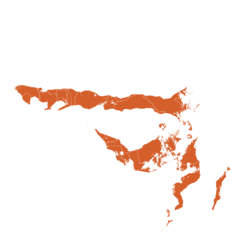
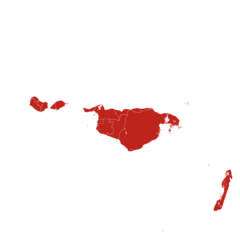
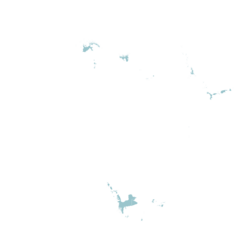
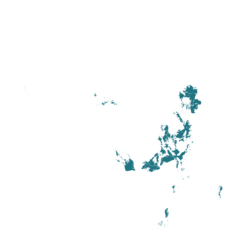
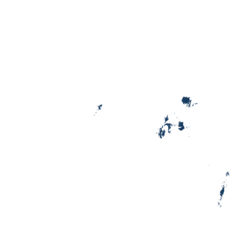
This technology can be used in the colored agro-ecological zones. Any zones shown in white are not suitable for this technology.






| AEZ | Subtropic - warm | Subtropic - cool | Tropic - warm | Tropic - cool |
|---|---|---|---|---|
| Arid | ||||
| Semiarid | ||||
| Subhumid | ||||
| Humid |
Source: HarvestChoice/IFPRI 2009
The United Nations Sustainable Development Goals that are applicable to this technology.



Last updated on Sep 9, 2026
This technology can be used in the colored agro-ecological zones.








DroughtTEGO: Drought tolerant and high yield maize varieties
https://e-catalogs.taat-africa.org/gov/technologies/droughttego-drought-tolerant-and-high-yield-maize-varieties
Last updated on 9 September 2026, printed on Sep 21, 2026
Enquiries e-catalogs@taat.africa