
TAAT e-catalog
for
private sector
https://e-catalogs.taat-africa.org/com/technologies/solar-pumping-solar-pumping-irrigation-system
The sun’s energy at the service of your harvest
The Solar Pump is a solar-powered irrigation system consisting of photovoltaic panels and a pump operating on direct current (DC), usually without an inverter. The capacity of the system varies depending on the area being irrigated, the water requirements of the crops, the topography, the characteristics of the soil, and the efficiency of the associated irrigation system (drip, sprinkler, or simple pipe). For a typical farm of approximately 1 acre (0.4 ha), located on gently sloping land and with a nearby water source (approximately 5 m), a system of approximately 1.5 hp, with a flow rate of 5 to 8 m³/hour and a total dynamic head of 25 to 40 m, can be powered by three 400 W solar panels. Depending on the water source (shallow groundwater or surface water), the pump can be submersible or surface-mounted. This configuration allows for the irrigation of approximately 0.1 ha at a time, with the possibility of covering several blocks during the day, thus offering an effective technical solution adapted to the needs of small producers.
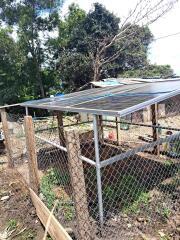
This technology is pre-validated.
Every USD invested returns USD 0.64 net income.
Open source / open access
The Solar Pump enables smallholder farmers to efficiently irrigate their crops, increase productivity, and reduce pumping costs significantly, while harnessing local solar potential. By improving access to water and the regularity of irrigation, producers can grow more, improve crop quality, and earn higher incomes. To use the Solar Pump on a farm, a farmer must consider the following aspects:
Adults 18 and over: Positive high
Sustainable irrigated crop production, reduction in irrigation energy cost, and increase in profitability.
Others: Positive high
The poor: Positive high
It is available at different scales. Resource-challenged actors can use the technology at an affordable level.
Under 18: Positive high
Increase a safe and healthy environment for all
Women: Positive high
The technology is gender friendly and easy to deploy by all categories of users
Climate adaptability: Highly adaptable
Solar irrigation solutions are highly adaptable to climates across the SSA.
Farmer climate change readiness: Significant improvement
This technology enhances farmers' capacity for climate change adaptation.
Biodiversity: Positive impact on biodiversity
Carbon footprint: Much less carbon released
Solar irrigation is based on a renewable energy source. It eliminates the use of fossil fuels in irrigation.
Environmental health: Greatly improves environmental health
Reduce GHG emissions and enhance the drive towards decarbonizing irrigation.
Water use: Much less water used
Scaling Readiness describes how complete a technology's development is and its ability to be scaled. It produces a score that measures a technology's readiness along two axes: the level of maturity of the idea itself, and the level to which the technology has been used so far.
Each axis goes from 0 to 9 where 9 is the “ready-to-scale” status. For each technology profile in the e-catalogs we have documented the scaling readiness status from evidence given by the technology providers. The e-catalogs only showcase technologies for which the scaling readiness score is at least 8 for maturity of the idea and 7 for the level of use.
The graph below represents visually the scaling readiness status for this technology, you can see the label of each level by hovering your mouse cursor on the number.
Read more about scaling readiness ›
Uncontrolled environment: validated
Common use by intended users, in the real world
| Maturity of the idea | Level of use | |||||||||
| 9 | ||||||||||
| 8 | ||||||||||
| 7 | ||||||||||
| 6 | ||||||||||
| 5 | ||||||||||
| 4 | ||||||||||
| 3 | ||||||||||
| 2 | ||||||||||
| 1 | ||||||||||
| 1 | 2 | 3 | 4 | 5 | 6 | 7 | 8 | 9 | ||
| Project | Countries | Beneficiaries | Budget (USD) & duration | Key figures |
|---|---|---|---|---|
|
Agro-Industrial Zones Promotion of Sustainable Agricultural Value Chains in Special Agro-Industrial Processing Zones Program |
|
|
285.38 million 2024–2029 |
|
|
EFPP(AEFPF) Emergency Food Production Project (AEFPF) |
|
|
25.5 million 2022–2026 |
|
|
ERAVCDP Eastern Region Agricultural Value Chain Development Project |
|
|
211.4 million 2026–2031 |
|
|
SSEFPP-1 SSEFPP-1 Emergency Food Production Plan |
|
|
8.1 million 2022–2023 |
|
Figures in italic are from project plans and may change during implementation.
|
Cost of the investment Sum of all fixed and operational expenses. |
USD 7,500 per hectare |
|---|---|
|
Gross revenue Sum of all income before subtracting costs. |
USD 12,300 per hectare |
|
Net income Gross revenue minus total cost. |
USD 4,800 per hectare |
|
Return on investment Percentage of income earned for each dollar invested, calculated as: (income ÷ cost of investment) × 100 |
64 % Per Year |
| Country | Testing ongoing | Tested | Adopted |
|---|---|---|---|
| Egypt | –No ongoing testing | Tested | Adopted |
| Ethiopia | –No ongoing testing | Tested | Adopted |
| Ghana | –No ongoing testing | Tested | Adopted |
| Kenya | –No ongoing testing | Tested | Adopted |
| Mali | –No ongoing testing | Tested | Adopted |
| Nigeria | –No ongoing testing | Tested | Adopted |
| Rwanda | –No ongoing testing | Tested | Adopted |
| South Africa | –No ongoing testing | Tested | Adopted |
| Zambia | –No ongoing testing | Tested | Adopted |
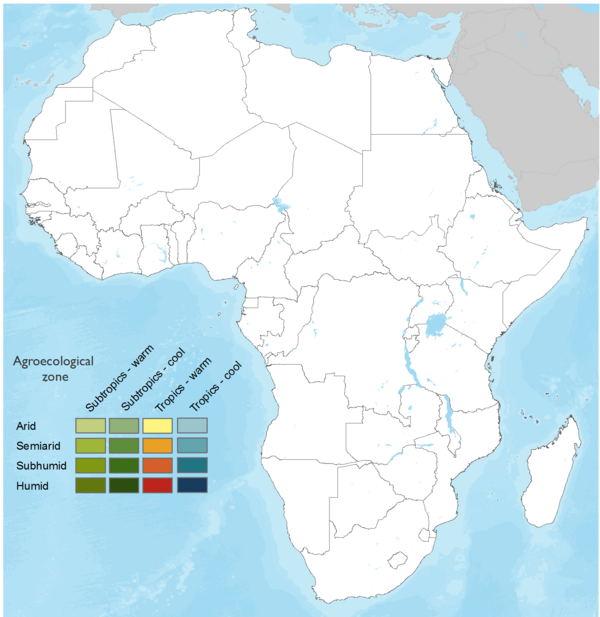
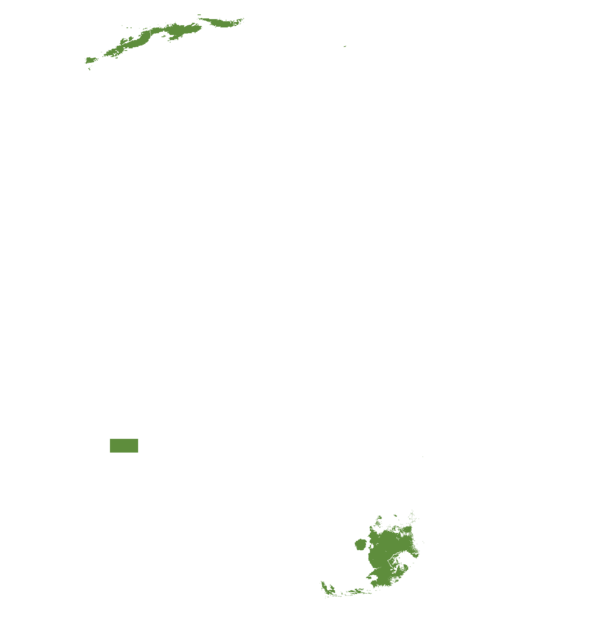
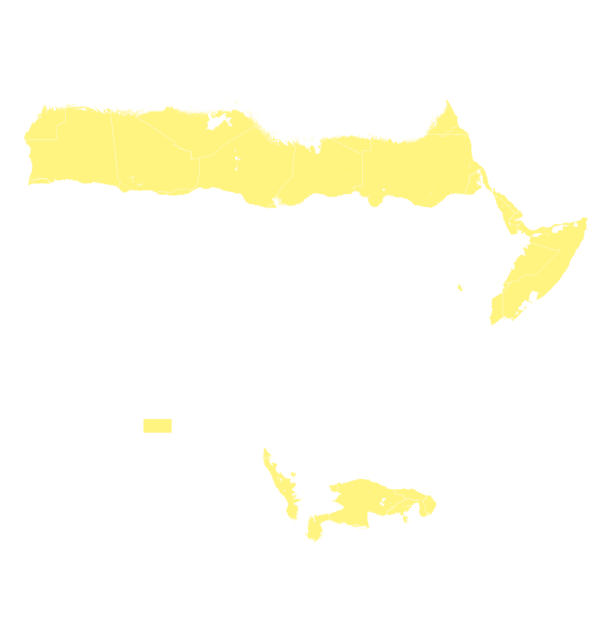
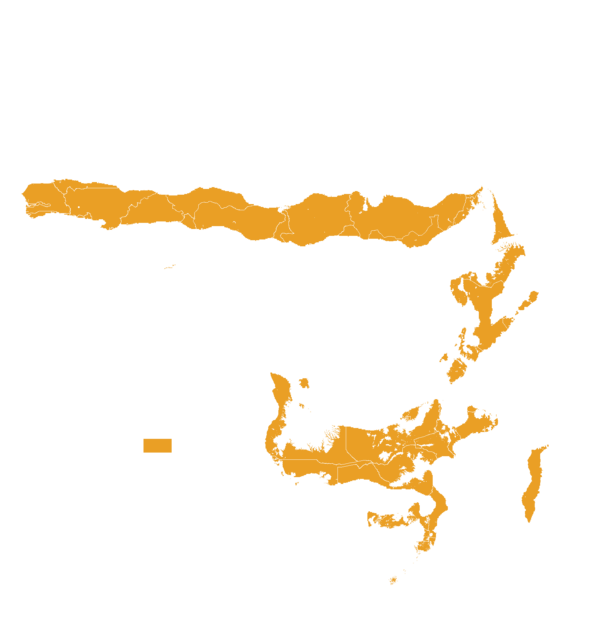
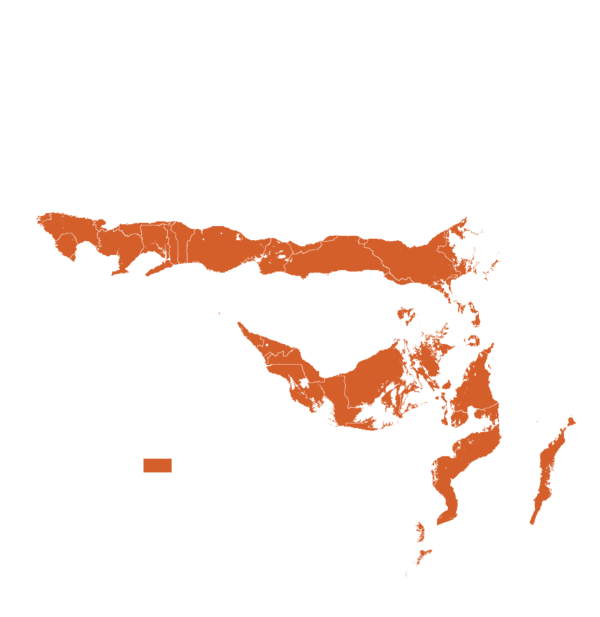
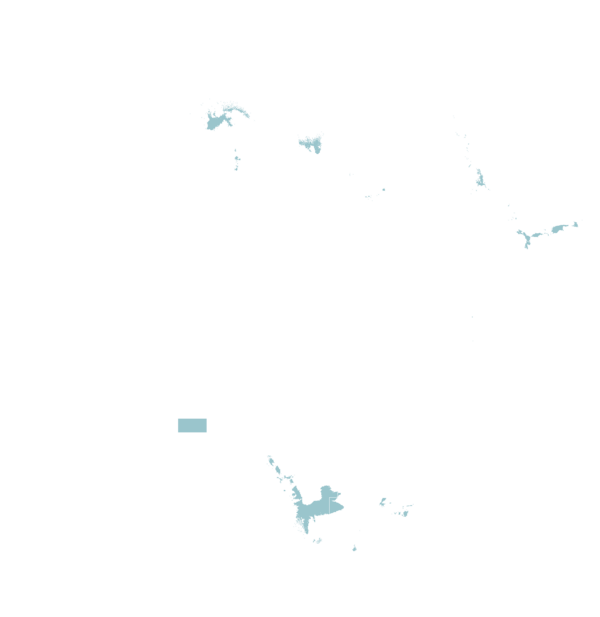
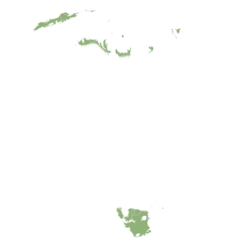
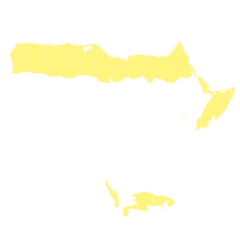
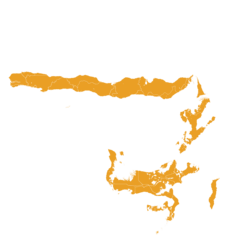
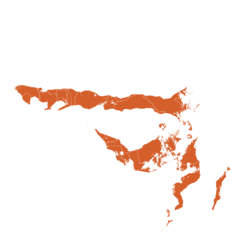
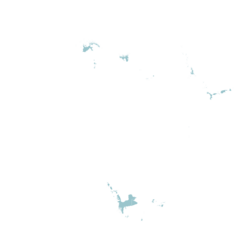
This technology can be used in the colored agro-ecological zones. Any zones shown in white are not suitable for this technology.



| AEZ | Subtropic - warm | Subtropic - cool | Tropic - warm | Tropic - cool |
|---|---|---|---|---|
| Arid | – | |||
| Semiarid | – | |||
| Subhumid | – | – | ||
| Humid | – | – | – | – |
Source: HarvestChoice/IFPRI 2009
The United Nations Sustainable Development Goals that are applicable to this technology.

Solar irrigation supports sustainable food production. It reduces energy cost in irrigation crop production.
Solar irrigation technologies significantly reduce GHG emissions. It is an environmentally friendly technology.
1. Install the Pump Near the Water Source
Place the pump close to the water source (well, river, pond) and ensure the panels are securely mounted on a solid frame or mobile cart. The site should be flat and clear of obstacles to maximize sunlight exposure and system stability.
2. Connect the Solar Panels
Wire the solar panels in series or parallel according to the manufacturer’s instructions to meet the pump’s power requirements. Ensure correct polarity and secure connections to prevent damage.
3. Connect the Controller and Pump
Attach the pump to the controller, which regulates power from the panels. For small DC pumps, the connection is often integrated with the panels. Check all wiring for secure and proper installation.
4. Set Up the Pump
For surface pumps, connect the suction hose/pipe and place it into the water source.
For submersible pumps, lower the pump into the water, securing the cables through conduits to prevent movement or damage.
5. Start Pumping Water
Once all connections are complete, test the system under sunlight. The pump will lift water to the irrigation system (drip, sprinkler, or hose). Adjust flow as needed to cover the intended irrigation blocks.
6. Monitor Operation
Occasional supervision is recommended to ensure continuous water flow and proper coverage. Check hoses, valves, and connections for leaks or blockages.
7. Maintain the System
After irrigation, inspect the pump, clean filters if needed, and ensure panels are free of dust or debris. Proper maintenance ensures long-term efficiency and optimal water delivery.
Last updated on Sep 11, 2026
This technology can be used in the colored agro-ecological zones.





Solar Pumping: Solar Pumping Irrigation System
https://e-catalogs.taat-africa.org/com/technologies/solar-pumping-solar-pumping-irrigation-system
Last updated on 11 September 2026, printed on Oct 23, 2026
Enquiries e-catalogs@taat.africa