
TAAT e-catalog
for
private sector
https://e-catalogs.taat-africa.org/com/technologies/ir-maize-imazapyr-resistant-maize-for-striga-management
Boost maize yields while eliminating the issue of Striga infestation
The "Imazapyr resistant maize for Striga management (IR maize)" technology is a maize variety that has been genetically modified to exhibit resistance to imazapyr, an herbicide effective in protecting maize crops from parasitic Striga weeds. These improved maize lines, known as IR maize, have been specifically designed for regions in Sub-Saharan Africa heavily affected by Striga, a parasitic weed that significantly impacts crop productivity by sapping nutrients and water from maize plants. IR maize not only safeguards against Striga but also reduces the growth and negative impact of other common weed types, contributing to improved grain and stover productivity, as well as nutrient and water use efficiency in maize crops. This technology has led to substantial enhancements in food self-sufficiency and economic returns in maize farming across Sub-Saharan Africa.
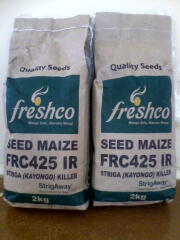
This technology is TAAT1 validated.
Open source / open access
In this section, you will soon discover essential elements to develop your business plan. You'll find a brief list of important questions to consider before launching your business, along with information on the technology's value proposition, target audience, key resources, strategic partners, and cost structure. This compilation will assist you in evaluating the various crucial aspects to ensure the success of your business.
In the meantime, use the 'Request information' button if you need to contact us.
Adults 18 and over: Positive high
The poor: Positive medium
Under 18: Positive low
Women: Positive low
Climate adaptability: Highly adaptable
Farmer climate change readiness: Significant improvement
Biodiversity: Positive impact on biodiversity
Carbon footprint: Same amount of carbon released
Environmental health: Greatly improves environmental health
Soil quality: Improves soil health and fertility
Water use: Same amount of water used
Scaling Readiness describes how complete a technology\’s development is and its ability to be scaled. It produces a score that measures a technology\’s readiness along two axes: the level of maturity of the idea itself, and the level to which the technology has been used so far.
Each axis goes from 0 to 9 where 9 is the “ready-to-scale” status. For each technology profile in the e-catalogs we have documented the scaling readiness status from evidence given by the technology providers. The e-catalogs only showcase technologies for which the scaling readiness score is at least 8 for maturity of the idea and 7 for the level of use.
The graph below represents visually the scaling readiness status for this technology, you can see the label of each level by hovering your mouse cursor on the number.
Read more about scaling readiness ›
Semi-controlled environment: prototype
Common use by projects NOT connected to technology provider
| Maturity of the idea | Level of use | |||||||||
| 9 | ||||||||||
| 8 | ||||||||||
| 7 | ||||||||||
| 6 | ||||||||||
| 5 | ||||||||||
| 4 | ||||||||||
| 3 | ||||||||||
| 2 | ||||||||||
| 1 | ||||||||||
| 1 | 2 | 3 | 4 | 5 | 6 | 7 | 8 | 9 | ||
| Project | Countries | Beneficiaries | Budget (USD) & duration | Key figures |
|---|---|---|---|---|
|
EFPP Guinea Emergency Food Production Programme |
|
|
25.23 million 2022–2024 |
|
|
ENSURE Enabling Environments for Sustainable Regional Agriculture Extension |
|
|
13.14 million 2024–2027 |
|
|
PADCV-PTA Projet d’Appui au Developpement des Chaines de Valeurs en soutien au Programme de Transformation de l’Agriculture |
|
|
321 million 2024–2029 |
|
|
PUPSAN Emergency Production and Food & Nutrition Security Project |
|
|
7.04 million 2023–2026 |
|
Figures in italic are from project plans and may change during implementation.
| Country | Testing ongoing | Tested | Adopted |
|---|---|---|---|
| Ethiopia | –No ongoing testing | Tested | Adopted |
| Kenya | –No ongoing testing | Tested | Adopted |
| Malawi | –No ongoing testing | Tested | Adopted |
| Mozambique | –No ongoing testing | Tested | Adopted |
| Tanzania | –No ongoing testing | Tested | Adopted |
| Uganda | –No ongoing testing | Tested | Adopted |
| Zambia | –No ongoing testing | Tested | Adopted |
| Zimbabwe | –No ongoing testing | Tested | Adopted |
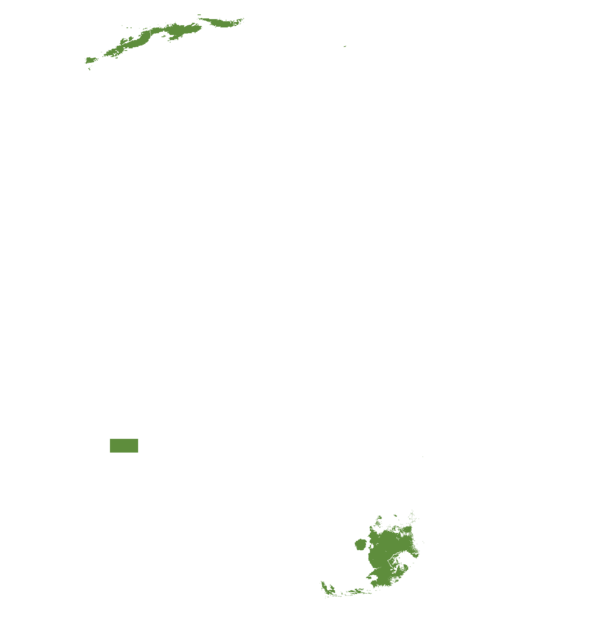
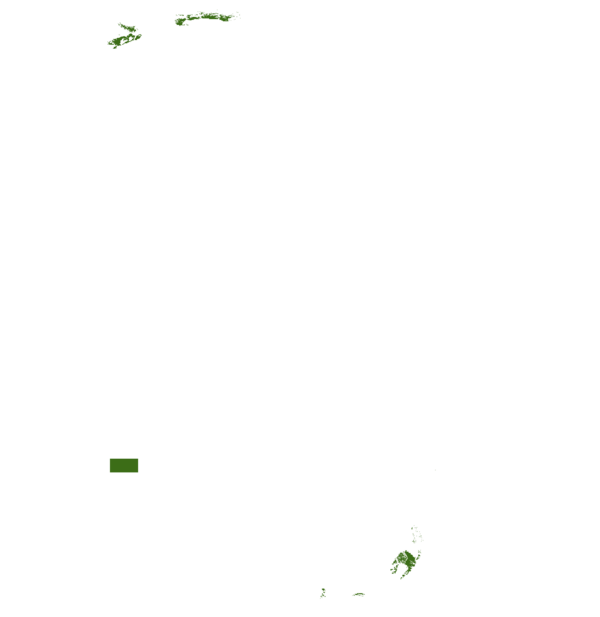
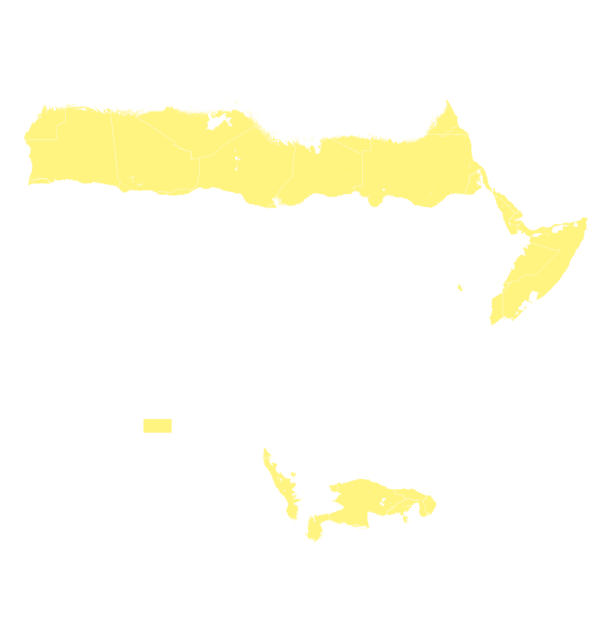
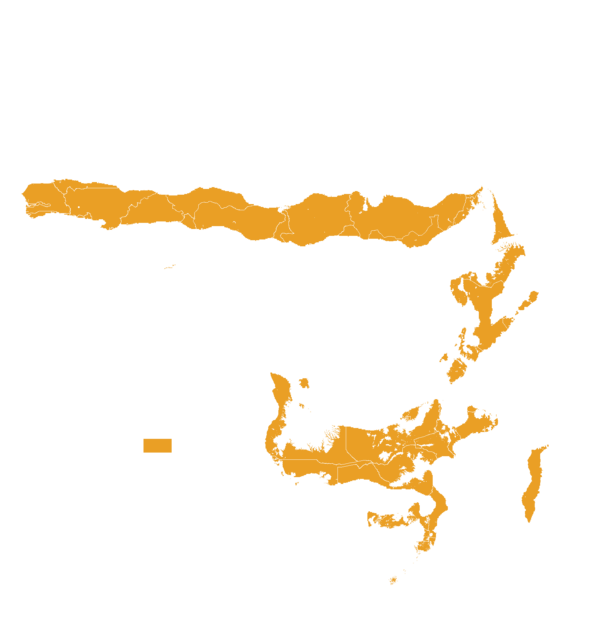
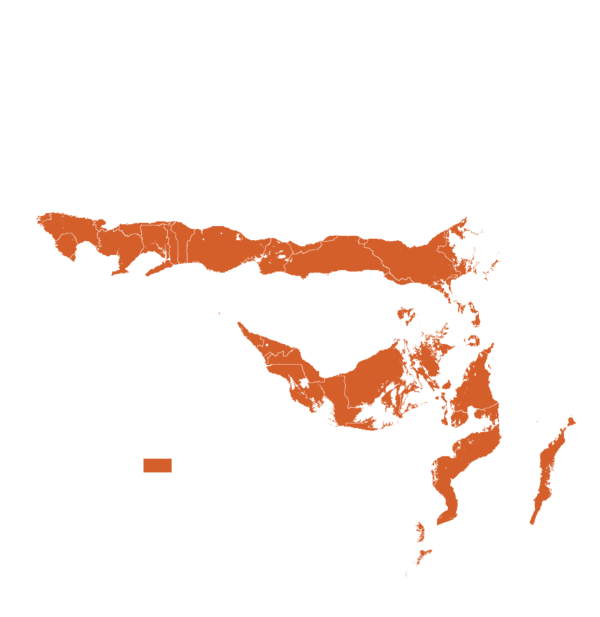
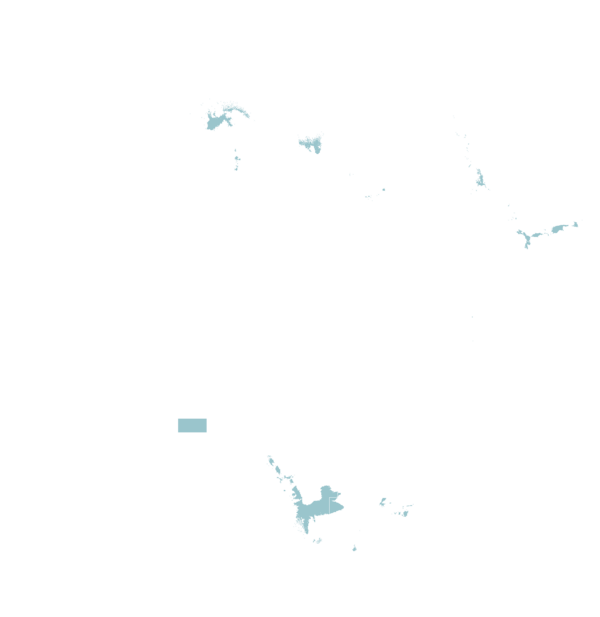
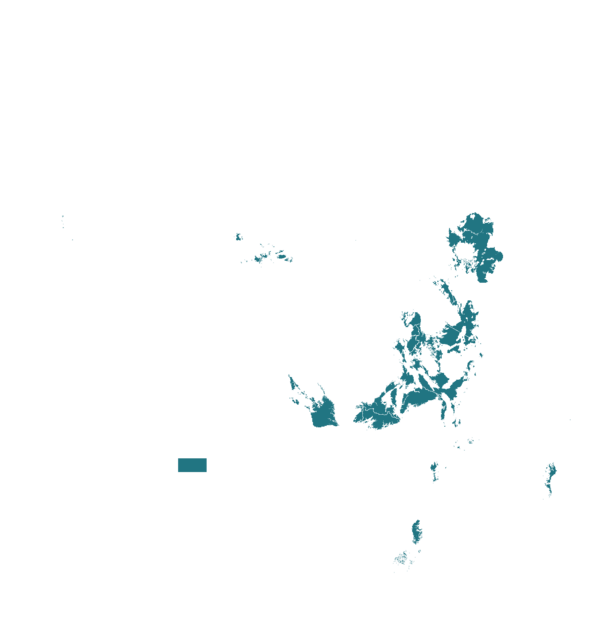
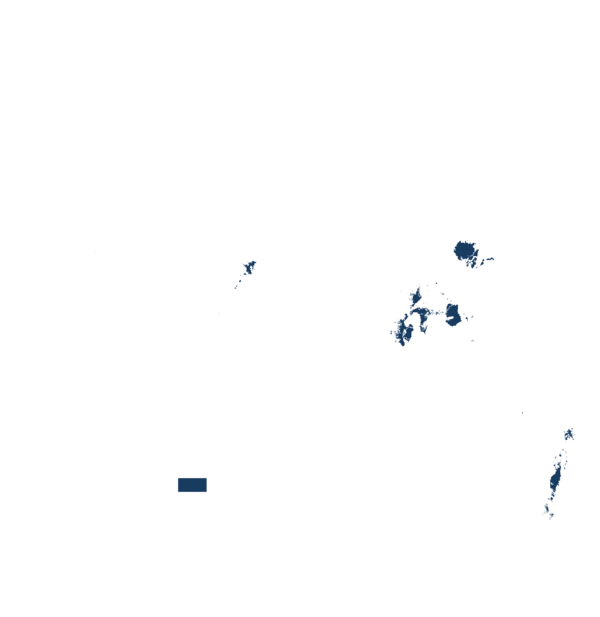
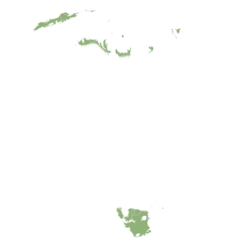
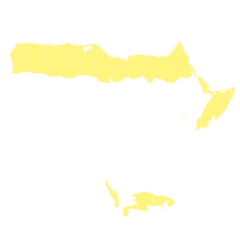
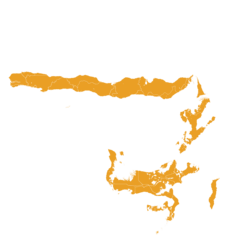
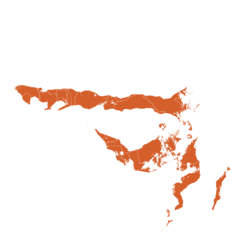
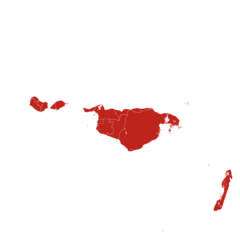
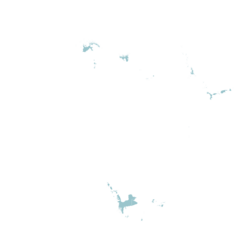
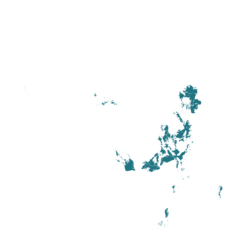
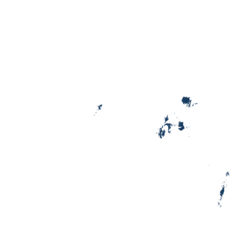
This technology can be used in the colored agro-ecological zones. Any zones shown in white are not suitable for this technology.
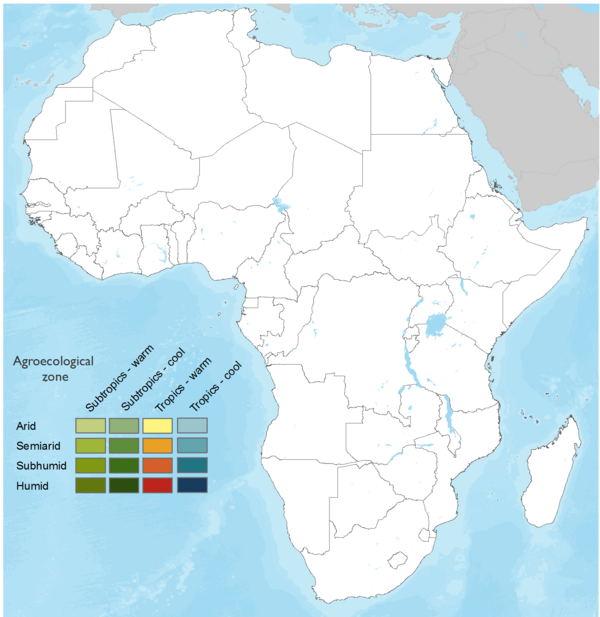
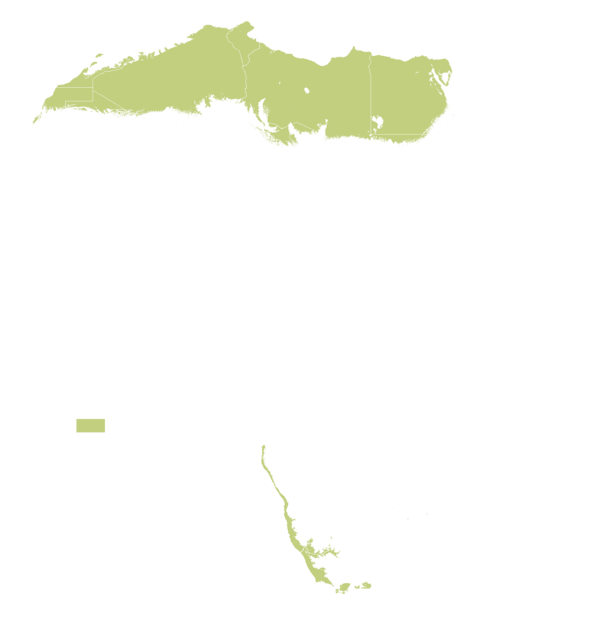

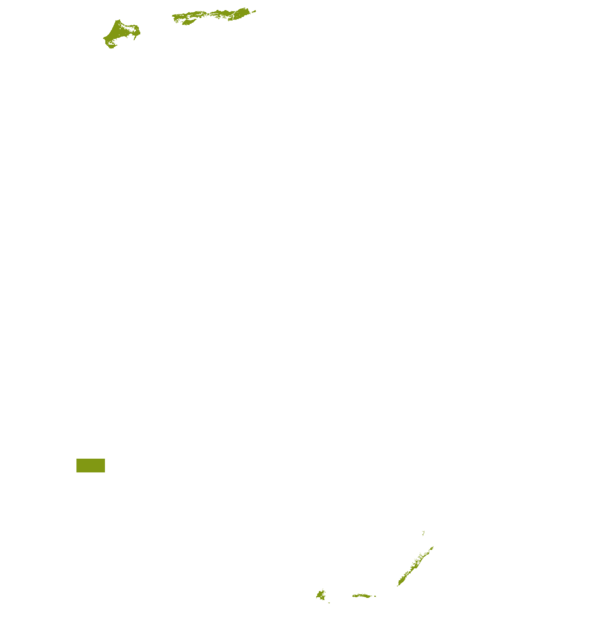





| AEZ | Subtropic - warm | Subtropic - cool | Tropic - warm | Tropic - cool |
|---|---|---|---|---|
| Arid | ||||
| Semiarid | ||||
| Subhumid | ||||
| Humid |
Source: HarvestChoice/IFPRI 2009
The United Nations Sustainable Development Goals that are applicable to this technology.
1. Seed Selection and Preparation:
2. Soil and Fertilizer Management:
3. Planting IR Maize:
4. Fertilizer Application:
5. Intercropping or Rotation (if needed):
Last updated on Jul 3, 2026
This technology can be used in the colored agro-ecological zones.








IR maize: Imazapyr resistant maize for Striga management
https://e-catalogs.taat-africa.org/com/technologies/ir-maize-imazapyr-resistant-maize-for-striga-management
Last updated on 3 July 2026, printed on Aug 22, 2026
Enquiries e-catalogs@taat.africa