Logo
TAAT e-catalog for private sector
https://e-catalogs.taat-africa.org/com/technologies/droughttego-drought-tolerant-and-high-yield-maize-varieties
Request information View pitch brochure

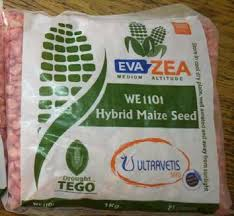
DroughtTEGO: Drought tolerant and high yield maize varieties

Boost yields, and income with advanced maize.

TEGO is an improved varieties maize technology developed to bolster drought resilience and improve grain output in maize cultivation. Developed through collaborative research efforts, TEGO integrates cutting-edge genetic traits, advanced breeding techniques, and climate-smart agricultural practices to address the pressing challenges posed by erratic rainfall patterns and water scarcity in agricultural landscapes.
2

This technology is TAAT1 validated.

9•7

Scaling readiness: idea maturity 9/9; level of use 7/9

IP

Trademark

Problem

  • Erratic Rainfall Patterns and Water Scarcity: The variability in precipitation poses a significant challenge to agricultural productivity, as crops like maize require sufficient water for optimal growth and development.
  • Challenges Associated with Drought Resilience: Traditional maize varieties often lack sufficient resilience to withstand prolonged drought conditions, resulting in decreased yields and economic losses for farmers.
  • Limited Access to Improved Varieties: Farmers in Sub-Saharan African countries face challenges in accessing improved maize varieties due to limited investments in the seed production sector.
  • Low Productivity in Maize Farming: Conventional maize varieties may not be well-suited for the diverse climatic and soil conditions found in Sub-Saharan Africa, leading to low productivity in maize farming.
  • Food and Nutritional Insecurity: Limited access to improved maize varieties can contribute to food and nutritional insecurity in the region, affecting both the quantity and quality of harvested grain.

Solution

  • TEGO, improved maize varieties with enhanced drought tolerance
  • Breeding of maize hybrids with high yield (20-35% yield increase) potential under drought stress conditions
  • Promotion of sustainable agricultural practices, including conservation agriculture and integrated soil fertility management
  • Provision of training and extension services on climate-smart agricultural practices
  • Empowerment of smallholder farmers through access to improved maize varieties and knowledge resources
  • These varieties are specifically developed to perform well in diverse climatic and soil conditions.

Key points to design your business plan

This technology may be of interest to seed companies, resellers, and users.

Manufacture

Manufacturing DroughtTEGO technology offers a cost-effective and sustainable solution empowering diverse farming communities. Efficient multiplication of DroughtTEGO seeds requires the 

  • Acquisition of Foundation or Registered Seed, depending on the role in the seed multiplication process. 
  • Obtain certificates to multiply DroughtTEGO varieties, ensuring compliance with licensing requirements stipulated by each country in Sub-Saharan Africa for producing and selling certified seeds locally.

The potential customers for DroughtTEGO seeds include wholesale distributors supplying retailers, as well as development projects, government agencies, and NGOs. Establishing robust partnerships with wholesale distributor networks is crucial for the successful distribution and adoption of DroughtTEGO technology, facilitating its widespread implementation and impact across agricultural landscapes.

Resellers

Selling DroughtTEGO maize varieties fosters closer engagement between businessmen and their target audience, facilitating access to farmers.

To successfully navigate this market, it's crucial to:

  • Identify reliable sources for bulk procurement of DroughtTEGO seeds,
  • Optimize transportation logistics, and secure suitable storage facilities to maintain seed quality.

Your potential customer base includes small, local retailers seeking quality agricultural products, development projects aiming to enhance agricultural productivity, farmers looking to adopt innovative technologies, and producer cooperatives or associations interested in collective farming initiatives. 

By catering to these diverse stakeholders, you can effectively distribute DroughtTEGO technology and drive positive change in agricultural communities.

Users

DroughtTEGO maize varieties present a transformative solution for farmers.

As key partners, you require sellers of DroughtTEGO maize varieties to facilitate widespread adoption.

The cost structure for implementing DroughtTEGO technology includes the following components:

  • The price of DroughtTEGO maize seeds.
  • Labour costs for planting per hectare.
  • Fertilizer inputs amount per hectare.
  • Harvesting and winnowing of grain incur per hectare.

To estimate the profit realized with the use of DroughtTEGO technology, the total revenue generated from increased grain yields must be compared against the total cost of inputs, including seed, labour, fertilizer, and harvesting expenses.

Adults 18 and over: Positive high

Under 18: Positive medium

Women: Positive medium

Climate adaptability: Highly adaptable

Farmer climate change readiness: Significant improvement

Biodiversity: No impact on biodiversity

Scaling Readiness describes how complete a technology’s development is and its ability to be scaled. It produces a score that measures a technology’s readiness along two axes: the level of maturity of the idea itself, and the level to which the technology has been used so far.

Each axis goes from 0 to 9 where 9 is the “ready-to-scale” status. For each technology profile in the e-catalogs we have documented the scaling readiness status from evidence given by the technology providers. The e-catalogs only showcase technologies for which the scaling readiness score is at least 8 for maturity of the idea and 7 for the level of use.

The graph below represents visually the scaling readiness status for this technology, you can see the label of each level by hovering your mouse cursor on the number.

Read more about scaling readiness ›

Scaling readiness score of this technology

Maturity of the idea 9 out of 9

Uncontrolled environment: validated

Level of use 7 out of 9

Common use by projects NOT connected to technology provider

Maturity of the idea Level of use
9
8
7
6
5
4
3
2
1
1 2 3 4 5 6 7 8 9

Enabling Environments for Sustainable Regional Agriculture Extension (ENSURE)

  • Project funder: African Development Bank & East Africa Community
  • Planned Budget: USD 13.14 million
  • Location: East African Community (Burundi, DRC, Kenya, Rwanda, South Sudan, Tanzania, Uganda)
  • Planned duration: 2024–2027
  • Deployment means: On-farm demonstrations, training, digital tools (SMS, IVR, video, radio, pictorial guides), bundled inputs + advisory services, Training of Trainers (ToT)
  • Project main implementer: East African Community (EAC)
  • Project Description: Strengthen agricultural extension systems using digital tools, private-sector approaches, regional coordination, and multi-commodity focus (maize, cassava, rice, drought-resilient crops).
  • Objective: Promote regional extension, enhance advisory services, scale climate-smart technologies, build sustainable private sector–led extension systems, strengthen policy and regulatory frameworks.
  • Expected outcome: Increased adoption of improved technologies, improved farmer productivity and profitability, enhanced access to quality inputs and pest management solutions, strengthened resilience to climate and pest risks, regional market integration, job creation for youth and agripreneurs.
  • Figures of adoption: Target 3 million farmers reached over 4 years, digital extension pilots in 7 EAC states, training of extension agents, lead farmers, cooperatives, and youth agripreneurs, rollout of Pest Information Management Systems (PIMS).
  • Profiles of adopters: Smallholder farmers, women, youth agripreneurs, cooperatives and producer organizations, public and private extension agents, National Plant Protection Officers (NPPOs).
  • Lessons learnt: System-level approaches needed beyond technology delivery, digital tools most effective with in-person facilitation, supportive policy/regulatory environment critical, regional harmonization boosts scalability and cross-border diffusion of technologies. 


Projet d’Appui au Développement des Chaînes de Valeurs en soutien au Programme de Transformation de l’Agriculture (PADCV-PTA)

  • Project funder: African Development Bank
  • Planned Budget: USD 311.609 million
  • Location: 6 provinces in Congo (Kongo Central, Kwango, Maï-Ndombe, Kasaï Oriental, Lomami, Sud-Kivu)
  • Planned duration: 2024–2029
  • Deployment means: Direct access to improved seeds and planting materials, seed system strengthening (INERA, SENASEM, multipliers), Farmer Field Schools and demonstration plots (1,600 sites), strengthened public extension (SNV), training/capacity building, subsidized or cost-shared inputs and equipment, irrigation infrastructure (5,200 ha), rural road rehabilitation (600 km), contract farming and private sector partnerships
  • Project main implementer: Social Fund of the Democratic Republic of the Congo
  • Project Description: Implements the National Pact for Food and Agriculture (PNAA) using an integrated value chain approach combining technology access (seeds, practices), infrastructure development (irrigation, roads), extension services, farmer organization, finance, and market access to boost productivity, reduce imports, strengthen resilience, and structure agricultural value chains.
  • Objective: Restore national seed capital, scale improved and climate-resilient technologies, increase productivity, facilitate access to inputs/advisory/markets/finance, promote climate-smart agriculture, strengthen farmer organizations and value chain governance, reduce food imports, and enhance resilience to climate shocks and conflict.
  • Expected outcome: ~80% crop yield increase (rice, cassava, maize, soybean), 1.68 million tons/year additional production, expansion of irrigated rice, improved access to seeds/inputs, stronger farmer organizations, better post-harvest handling and market integration, increased private sector engagement, reduced food imports, improved national food security.
  • Figures of adoption: 900,000 farming households directly supported, ~295,000 ha cultivated with improved seeds, 5,200 ha irrigated rice, 600 km rural roads rehabilitated, 1,600 FFS/demonstration plots, 2 million households indirectly benefiting, +4.1 million tons private sector processing, ~1.68 million tons annual production increase
  • Profiles of adopters: Smallholder farmers, women farmers (100% of women-headed households in target areas), youth/agripreneurs, internally displaced persons (IDPs) in South Kivu, seed producers, cooperatives, farmer organizations/inter-professional associations, public extension services, local authorities
  • Lessons learnt: Infrastructure (irrigation, roads) and market access are critical for adoption, seed system reform is a bottleneck, contract farming/aggregation incentivizes adoption, combining inputs + extension + finance accelerates impact, governance and institutional coordination are key for scaling and sustainability


Projet d'Urgence de Production et de Sécurite Alimentaire & Nutritionnelle (PUPSAN/AEFPF)

  • Project funder: African Development Bank (AfDB) Group – Transition Support Facility (TSF) loan and grant
  • Planned Budget: USD 7.040 million
  • Location: Republic of Mali
  • Planned duration: 2022–2024
  • Deployment means: Distribution of certified seeds and subsidized fertilizers, training for extension staff and farmers on climate-resilient practices, use of digital tools (tablets with Rice Advice and WeedMaster applications)
  • Project main implementer: Ministry of Rural Development (MDR) via Office Riz Ségou (ORS) and the PDIR-PD2 project management unit
  • Project Description: Emergency intervention to counter food insecurity by providing climate-resilient inputs, supporting the acquisition of 1,027.14 tons of seeds and 2,234 tons of fertilizers, and assisting national seed policy reforms
  • Objective: Increase agricultural production and reduce the negative impact of rising food and input prices on the Malian population
  • Expected outcome: Additional production of 11,145.6 tons of food products, yield increase of 30–50% across targeted crops
  • Figures of adoption: 35,274 producers targeted, 8,829 hectares cultivated, distribution of 1,027.14 tons of seeds and 2,234 tons of fertilizers
  • Profiles of adopters: Vulnerable producers including 30% women (10,582), 20% youth (7,054), 10% internally displaced persons (3,527)
  • Lessons learnt: Leveraging existing execution agencies accelerates startup, efficient procurement systems (advance actions, direct negotiation) are critical, and digitalization ensures transparency and traceability in input distribution

Emergency Food Production Project (Projet de Production Alimentaire d’Urgence - PPAU)

  • Project funder: African Development Fund (ADF) (Loan and Grant) and the Government of Guinea
  • Planned Budget: 19.39 million UC (~USD 25.23 million)
  • Location: Republic of Guinea – national coverage
  • Planned duration: Nov 2022 – June 2024 (Completion) / Dec 2024 (Closing)
  • Deployment means: Distribution of certified seeds and fertilizers (30% government subsidy), GAP training, digital platforms (e-Voucher/e-Extension), TAAT technical assistance
  • Project main implementer: Ministry of Agriculture and Livestock (MAL) via Project Management Unit (UGP) of PATAG-EAJ
  • Project Description: Emergency operation to mitigate rising input/food prices and boost production of rice, maize, and tubers
  • Objective: Improve food and nutritional security; increase agricultural production and productivity in intervention zones
  • Expected outcome: Additional production of 71,429 tons rice, 57,000 tons maize, 12,000 tons cassava; significant yield increases across crops
  • Figures of adoption: 35,750 direct farmers; 2,000 tons rice seeds, 750 tons maize seeds, 20,000 cassava cuttings distributed; 63,286 ha additional sown area
  • Profiles of adopters: Smallholder farmers (≥10,750 women – 30%), 1,650 livestock farms, youth entrepreneurs; targeting vulnerable populations
  • Lessons learnt:
    • Constraints: High international input prices, climate vulnerability

    • Success factors: Strong existing UGP (PATAG-EAJ), e-Voucher digitalization for transparency, TAAT technical support for rapid multiplication technologies (SAH)

Countries with a green colour
Tested & adopted
Countries with a bright green colour
Adopted
Countries with a yellow colour
Tested
Countries with a blue colour
Testing ongoing
Egypt Equatorial Guinea Ethiopia Algeria Angola Benin Botswana Burundi Burkina Faso Democratic Republic of the Congo Djibouti Côte d’Ivoire Eritrea Gabon Gambia Ghana Guinea Guinea-Bissau Cameroon Kenya Libya Liberia Madagascar Mali Malawi Morocco Mauritania Mozambique Namibia Niger Nigeria Republic of the Congo Rwanda Zambia Senegal Sierra Leone Zimbabwe Somalia South Sudan Sudan South Africa Eswatini Tanzania Togo Tunisia Chad Uganda Western Sahara Central African Republic Lesotho
Countries where the technology is being tested or has been tested and adopted
Country Testing ongoing Tested Adopted
Ethiopia No ongoing testing Tested Adopted
Kenya No ongoing testing Tested Adopted
Mozambique No ongoing testing Tested Adopted
Nigeria No ongoing testing Tested Adopted
South Africa No ongoing testing Tested Adopted
Tanzania No ongoing testing Tested Adopted
Uganda No ongoing testing Tested Adopted

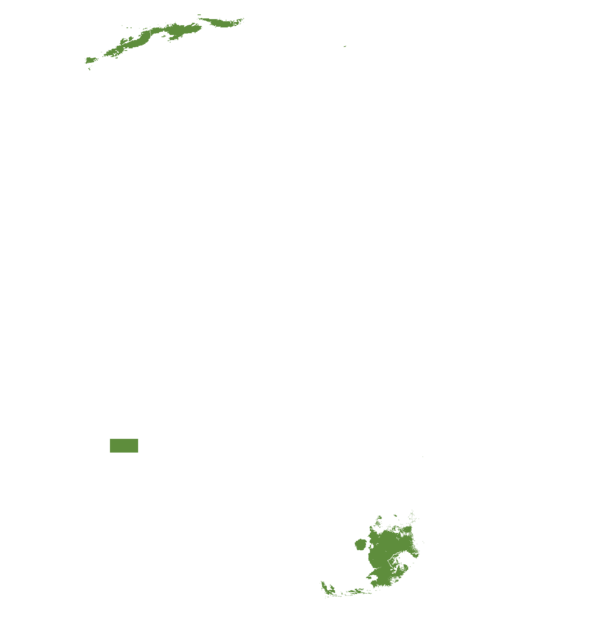
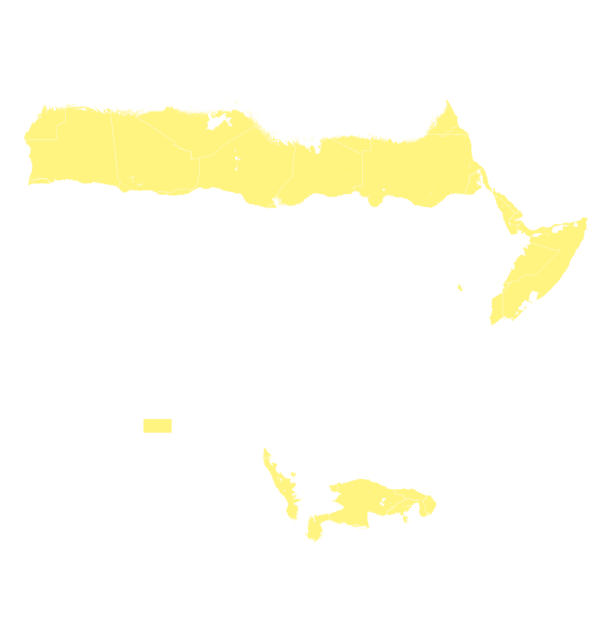
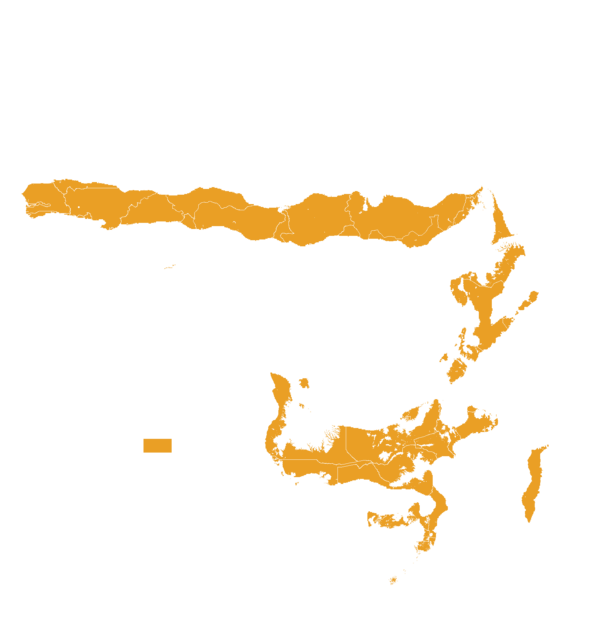
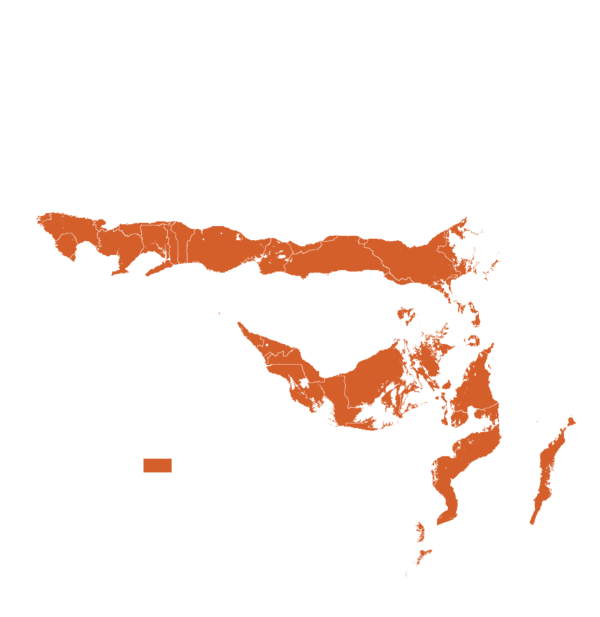
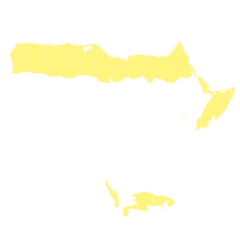
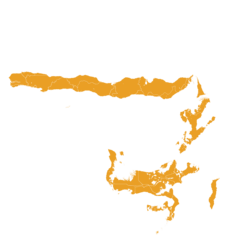
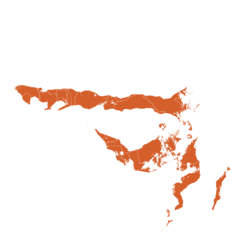
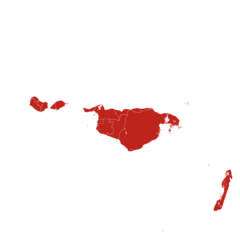
This technology can be used in the colored agro-ecological zones. Any zones shown in white are not suitable for this technology.
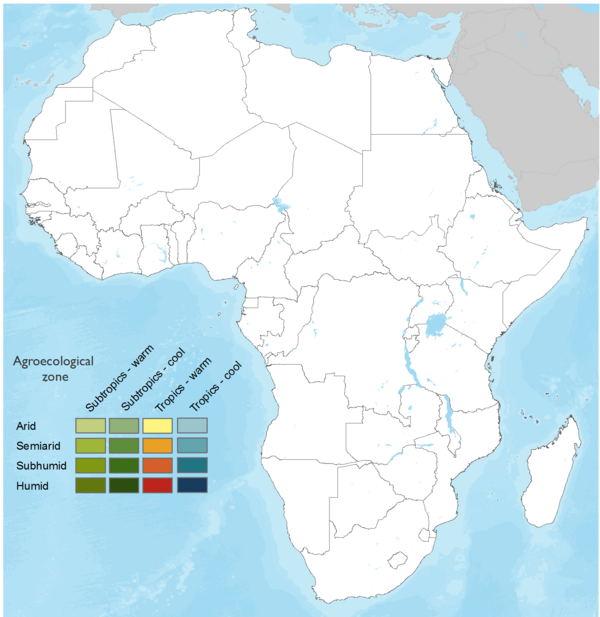
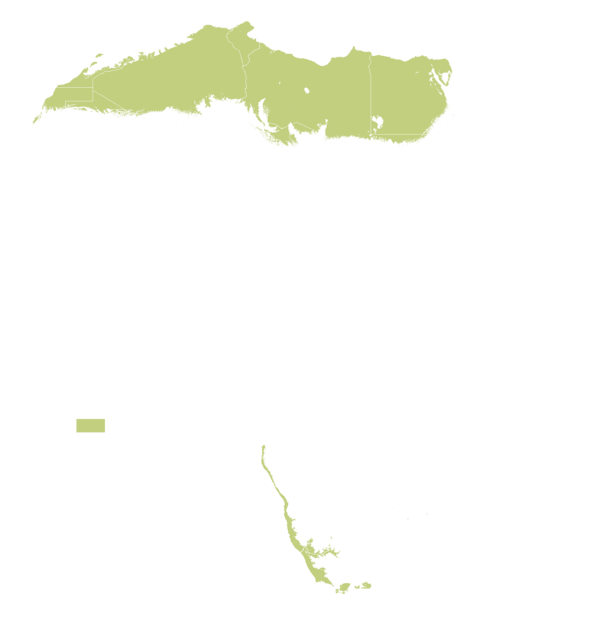
Agro-ecological zones where this technology can be used
AEZ Subtropic - warm Subtropic - cool Tropic - warm Tropic - cool
Arid
Semiarid
Subhumid
Humid

Source: HarvestChoice/IFPRI 2009

The United Nations Sustainable Development Goals that are applicable to this technology.
Sustainable Development Goal 1: no poverty
Goal 1: no poverty
Sustainable Development Goal 2: zero hunger
Goal 2: zero hunger
Sustainable Development Goal 8: decent work and economic growth
Goal 8: decent work and economic growth
Sustainable Development Goal 13: climate action
Goal 13: climate action

  1. Selection: Choose the appropriate DroughtTEGO variety based on local climate and soil conditions.
  2. Planting: Follow standard maize planting practices, ensuring optimal soil and fertilizer management.
  3. Nutrient Optimization: In low-fertility soils, supplement with inorganic fertilizers to enhance nutrient uptake.
  4. Complementary Practices: Consider legume intercropping, manure application, and mulching for added nutrients and water retention.

Last updated on 8 April 2026