
TAAT e-catalog
for
Development partners
https://e-catalogs.taat-africa.org/org/technologies/small-ruminant-containment-in-protective-sheds
Secure Shelters, Thriving Flocks
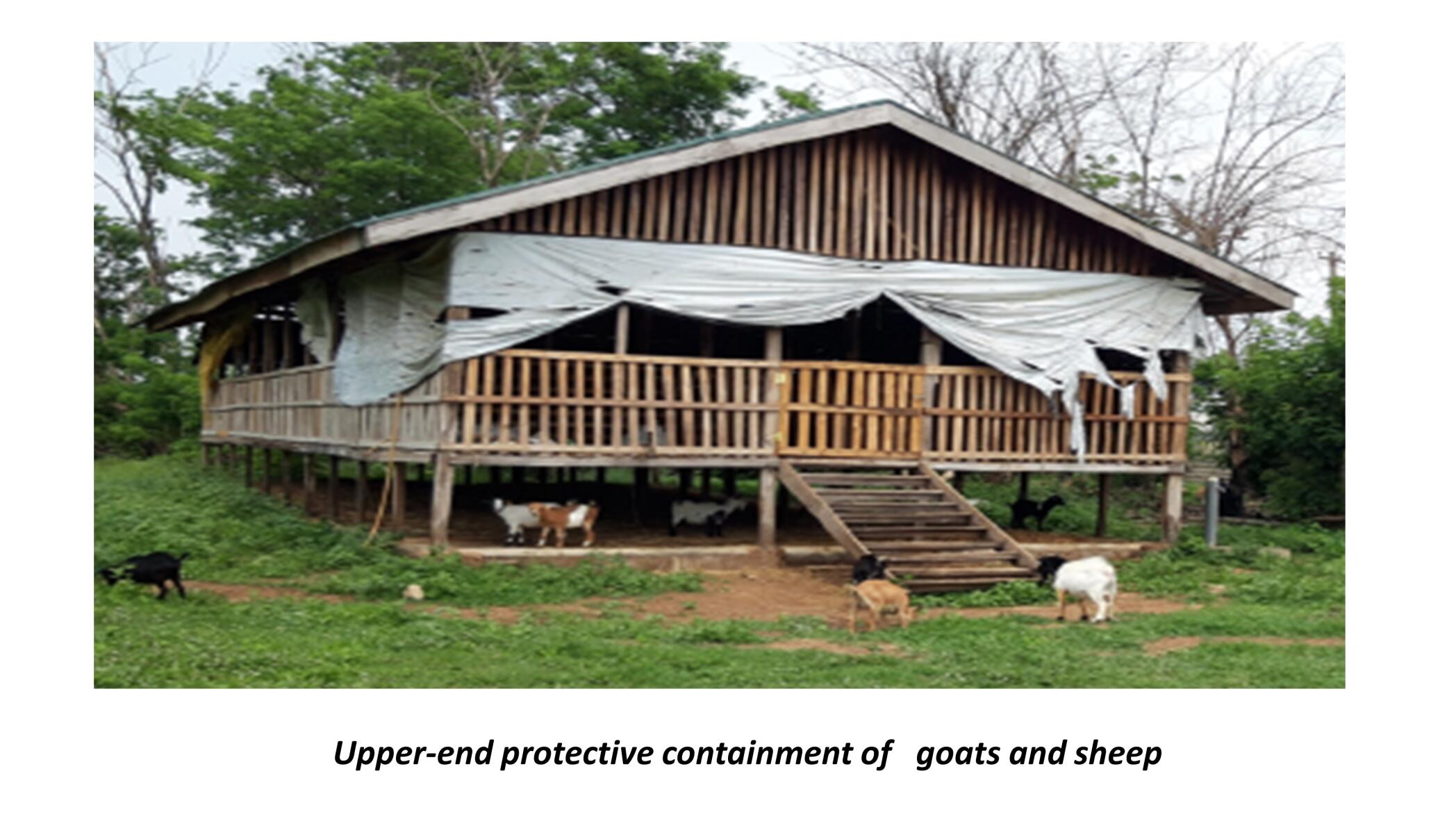
Small Ruminant Containment in Protective Sheds is a technology that offers essential shelter to small ruminants like goats and sheep, benefiting both the animals and farmers. These cost-effective shelters, constructed from locally available materials, protect the livestock from predators, harsh weather conditions, and disease transmission to humans. These sheds are well-ventilated, properly drained, and equipped with feed and water troughs, contributing to improved animal health and productivity. Additionally, they play a vital role in waste management and biosecurity. Small Ruminant Containment in Protective Sheds is a valuable solution for small-scale farmers, enhancing animal well-being while remaining affordable and adaptable to different environments.
This technology is TAAT1 validated.
| Project | Countries | Beneficiaries | Budget (USD) & duration | Key figures |
|---|---|---|---|---|
|
ENSURE Enabling Environments for Sustainable Regional Agriculture Extension |
|
|
13.14 million African Development Bank (AfDB) 2024–2027 |
|
Figures in italic are from project plans and may change during implementation.
Adults 18 and over: Positive high
The poor: Positive medium
Under 18: Positive medium
Women: Positive medium
Climate adaptability: Moderately adaptable
Farmer climate change readiness: Significant improvement
Biodiversity: Positive impact on biodiversity
Carbon footprint: A bit less carbon released
Environmental health: Greatly improves environmental health
Soil quality: Does not affect soil health and fertility
Water use: Same amount of water used
Protective Housing for Small Ruminants provides safe and controlled shelters that protect sheep and goats from predators, theft, harsh weather, and disease risks. By improving housing conditions, feeding, watering, waste management, and biosecurity, the technology increases animal survival, health, welfare, and overall herd productivity while reducing production losses. Designed to be built with locally available materials, it offers an affordable solution for smallholder farmers. The technology is well suited for livestock development, climate resilience, animal health, and rural livelihood programmes, contributing to SDGs 1 (No Poverty), 2 (Zero Hunger), 8 (Decent Work and Economic Growth), and 13 (Climate Action). It creates opportunities for women and youth through livestock production, shelter construction, and related service enterprises. To successfully integrate this technology, consider the following key actions :
Benefit in a year
Open source / open access
Scaling Readiness describes how complete a technology's development is and its ability to be scaled. It produces a score that measures a technology's readiness along two axes: the level of maturity of the idea itself, and the level to which the technology has been used so far.
Each axis goes from 0 to 9 where 9 is the “ready-to-scale” status. For each technology profile in the e-catalogs we have documented the scaling readiness status from evidence given by the technology providers. The e-catalogs only showcase technologies for which the scaling readiness score is at least 8 for maturity of the idea and 7 for the level of use.
The graph below represents visually the scaling readiness status for this technology, you can see the label of each level by hovering your mouse cursor on the number.
Read more about scaling readiness ›
Semi-controlled environment: prototype
Used by some projects NOT connected to technology provider
| Maturity of the idea | Level of use | |||||||||
| 9 | ||||||||||
| 8 | ||||||||||
| 7 | ||||||||||
| 6 | ||||||||||
| 5 | ||||||||||
| 4 | ||||||||||
| 3 | ||||||||||
| 2 | ||||||||||
| 1 | ||||||||||
| 1 | 2 | 3 | 4 | 5 | 6 | 7 | 8 | 9 | ||
| Project | Countries | Beneficiaries | Budget (USD) & duration | Key figures |
|---|---|---|---|---|
|
ENSURE Enabling Environments for Sustainable Regional Agriculture Extension |
|
|
13.14 million African Development Bank (AfDB) 2024–2027 |
|
Figures in italic are from project plans and may change during implementation.
| Country | Testing ongoing | Tested | Adopted |
|---|---|---|---|
| Burkina Faso | –No ongoing testing | Tested | Adopted |
| Cameroon | –No ongoing testing | Tested | Adopted |
| Ethiopia | –No ongoing testing | Tested | Adopted |
| Mali | –No ongoing testing | Tested | Adopted |
| Niger | –No ongoing testing | Tested | Adopted |
| Nigeria | –No ongoing testing | Tested | Adopted |
| South Sudan | –No ongoing testing | Tested | Adopted |
| Tanzania, United Republic | –No ongoing testing | Tested | Adopted |
| Uganda | –No ongoing testing | Tested | Adopted |
| Zimbabwe | –No ongoing testing | Tested | Adopted |
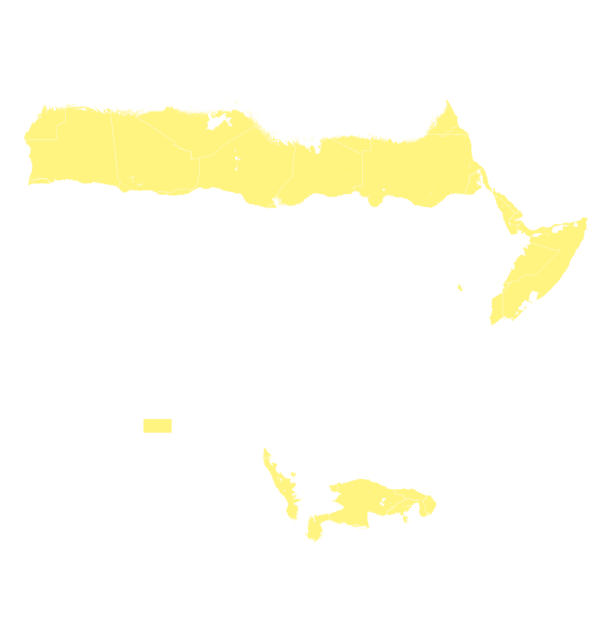
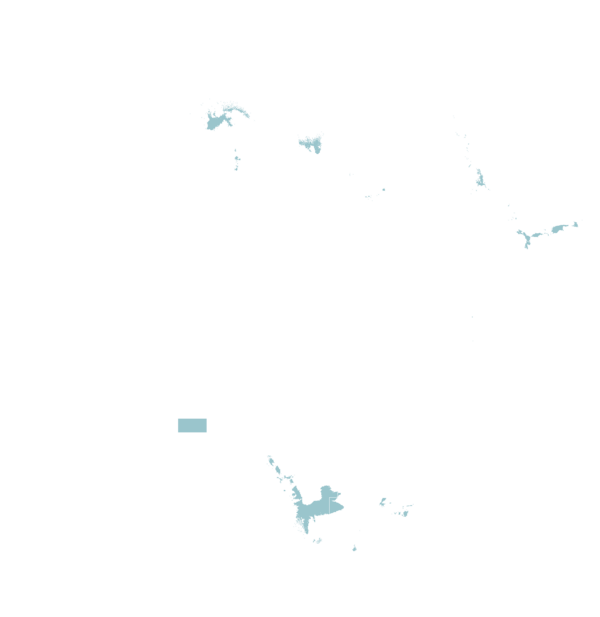
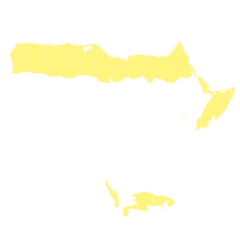
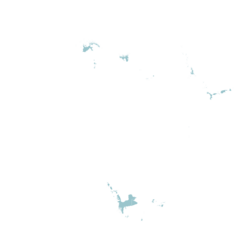
This technology can be used in the colored agro-ecological zones. Any zones shown in white are not suitable for this technology.
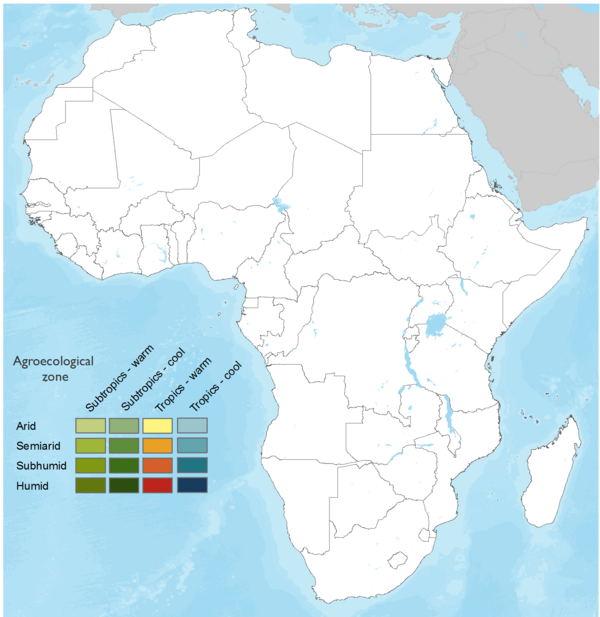
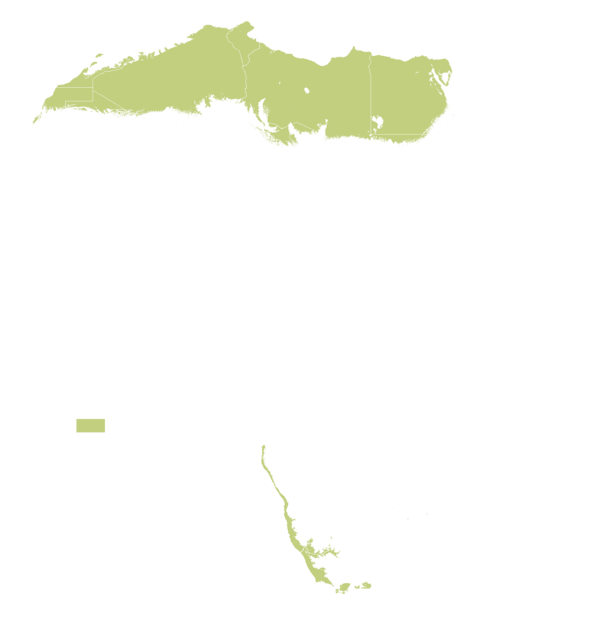



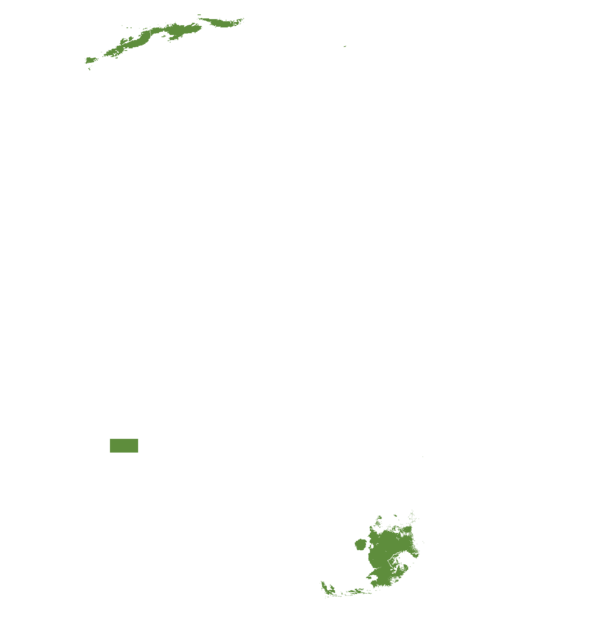



| AEZ | Subtropic - warm | Subtropic - cool | Tropic - warm | Tropic - cool |
|---|---|---|---|---|
| Arid | ||||
| Semiarid | ||||
| Subhumid | – | – | ||
| Humid | – | – | – | – |
Source: HarvestChoice/IFPRI 2009
The United Nations Sustainable Development Goals that are applicable to this technology.
The steps for constructing Small Ruminant Containment Sheds are:
1. Floor Elevation: Raise the shed's floor to approximately 1 meter above the ground using wooden planks that are at least 2.5 cm thick.
2. Floor Gaps: Leave a 1 cm gap between the wooden planks to allow urine and feces to drop to the ground, ensuring a cleaner environment.
3. Alternative Flooring: Alternatively, you can use commercially available non-slip PVC flooring, which can be purchased online or from livestock accessory suppliers.
4. Side Walls: Construct side walls with brick or wood, reaching a height of 0.5 to 0.75 meters.
5. Upper Wall: Finish the upper part of the walls with wire mesh up to a height of 2.5 meters to provide ventilation.
6. Roofing: Use gable roofing made of corrugated sheets, which helps protect the animals from the elements.
7. Extended Eaves: Extend the eaves of the roof by 0.5 meters from the wall to provide shading and protection from rain splash.
8. Feeding Troughs: Create space for externally mounted feeding troughs within the shed.
9. Weather Covers: In cases of cold or inclement weather, you can attach nylon or tarpaulin covers to the eaves for additional protection.
10. Separate Sheds: If possible, design smaller, separate sheds to confine and isolate sick animals for better disease management.
Last updated on Sep 9, 2026
This technology can be used in the colored agro-ecological zones.










Small Ruminant Containment in Protective Sheds
https://e-catalogs.taat-africa.org/org/technologies/small-ruminant-containment-in-protective-sheds
Last updated on 9 September 2026, printed on Oct 23, 2026
Enquiries e-catalogs@taat.africa